
Glaucoma is one of the leading causes of vision loss in older adults, and because it develops slowly and painlessly, many families don’t realize how much it’s affecting a loved one until safety becomes a concern. The encouraging news: while glaucoma damage can’t be reversed, further vision loss can often be prevented, and a senior with glaucoma can stay safe and independent at home with the right support.
This guide to home care for seniors with glaucoma explains how in-home support protects vision, prevents falls, and helps a loved one manage daily life with changing sight; written for families caring for an aging parent or grandparent.
Key Takeaways
- Home care for seniors with glaucoma protects remaining vision and keeps a loved one safe as their sight changes.
- Eye drops are everything. Using them correctly and on time slows vision loss, and a caregiver’s help with timing and technique is one of the most valuable parts of glaucoma care.
- Glaucoma steals peripheral vision first, which sharply raises fall risk; low-vision home safety is essential.
- Good lighting, contrast, and a clutter-free, predictable home help a loved one move safely.
- Caregivers also help with reading, daily tasks, transportation to eye appointments, and nutrition for eye health.
- Vision loss affects mood. Companionship eases the isolation and anxiety that often come with it.
Understanding Glaucoma in Seniors
Glaucoma is a group of eye conditions that damage the optic nerve, usually due to increased pressure inside the eye. It typically affects peripheral (side) vision first, then gradually narrows sight, which is why people often don’t notice it early. Left untreated, it can lead to blindness.
The key facts for care are simple but important: existing damage is permanent, but treatment (usually daily eye drops) can slow or stop further loss.
So care focuses on two things: protecting remaining vision and staying safe with low vision. Learn more from the National Eye Institute and the Glaucoma Research Foundation.
How Home Care Supports Seniors With Glaucoma
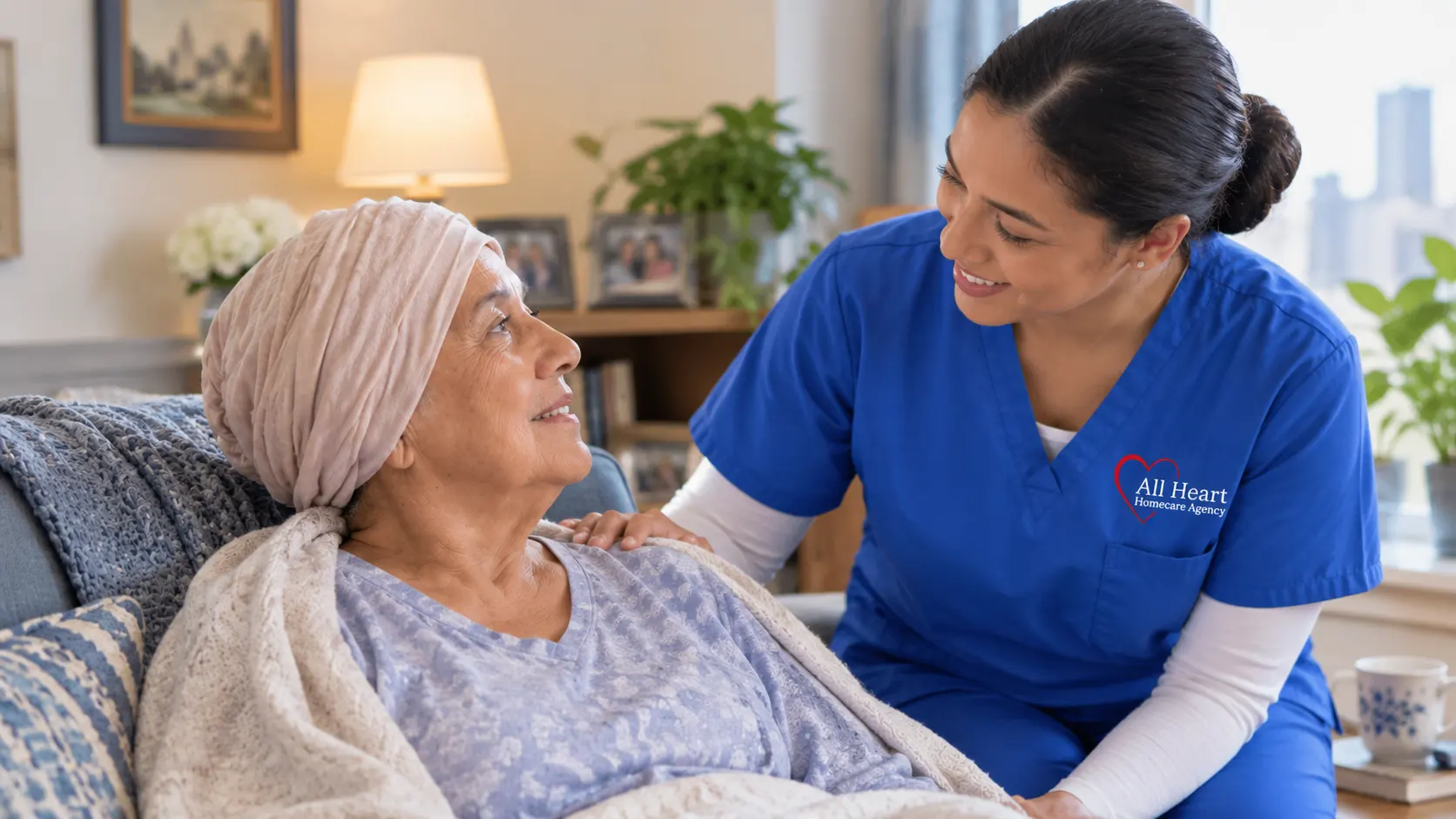
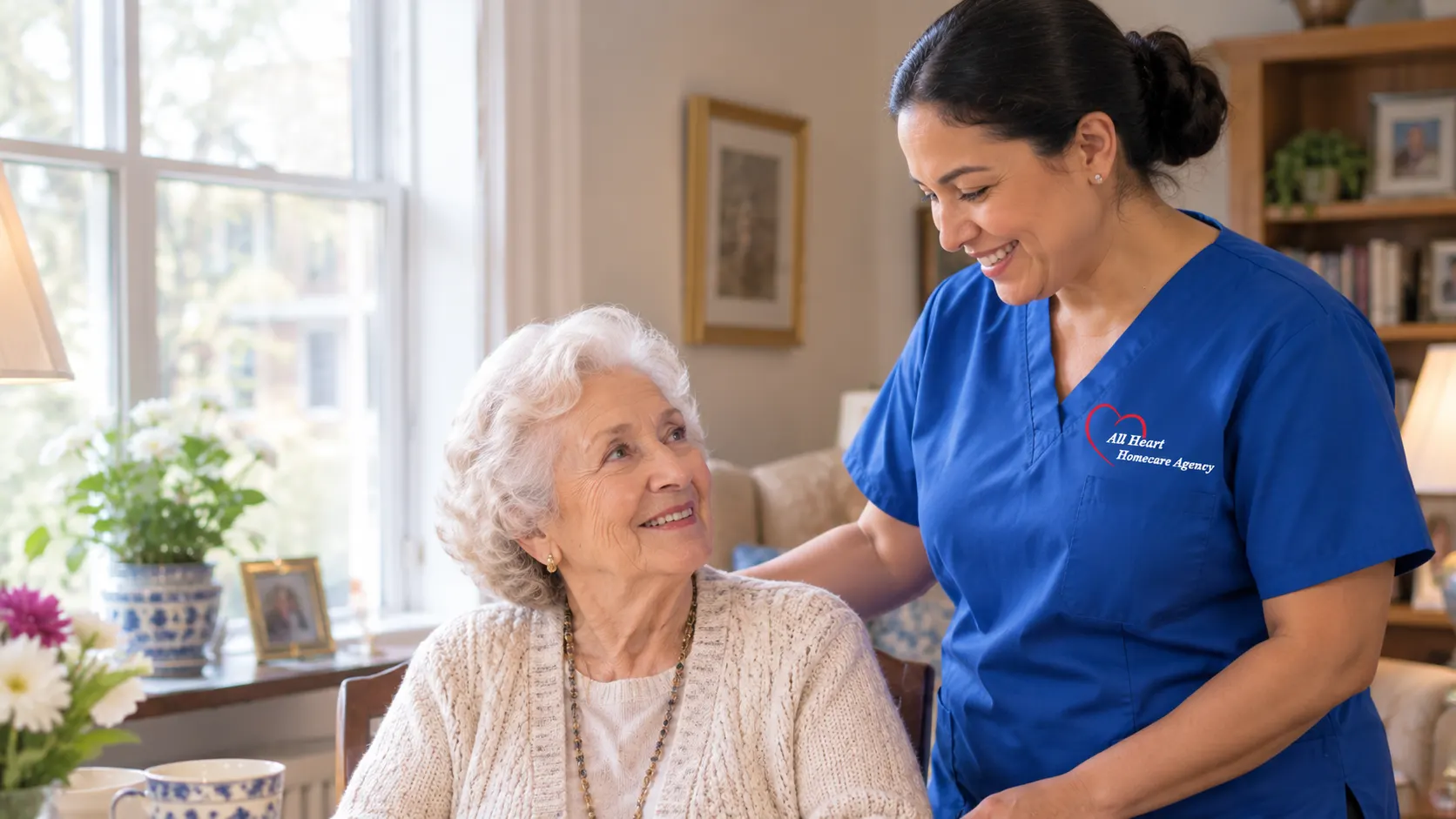
A caregiver helps a senior with glaucoma in ways that directly protect both their sight and their safety:
- Ensures eye drops and medications are used correctly and on time;
- Keeps the home safe and well-lit for low vision;
- Prevents falls caused by reduced side and low-light vision;
- Helps with reading, daily tasks, and navigation;
- Provides transportation to eye appointments; and
- Offers companionship and emotional support.
See our personal home care service and the benefits of in-home care for seniors.
Eye Drop and Medication Management
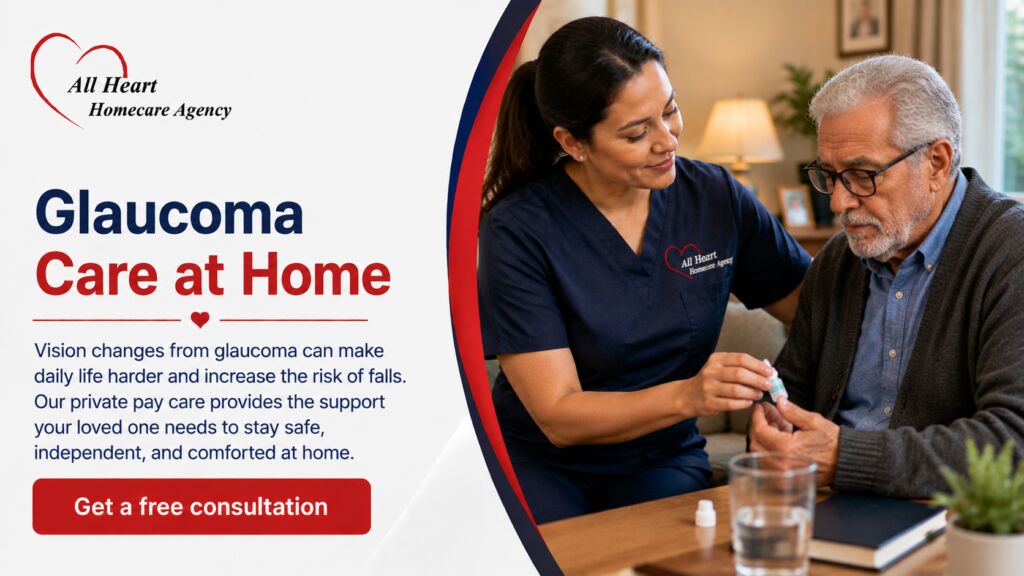
This is the single most important part of glaucoma home care. Eye drops lower eye pressure and prevent further vision loss, but they only work if used consistently and correctly, often every day for life.
Many seniors struggle: they forget doses, can’t tell if the drop landed in the eye, or have trouble with arthritis or shaky hands.
Help With Proper Eye-Drop Technique
Caregivers assist by keeping a reliable schedule, steadying the hand, confirming the drop reaches the eye, spacing out multiple drops correctly, and tracking refills. This simple, consistent help can be the difference between preserved and lost vision.
Managing complex medication routines is covered in our guide to managing chronic illnesses for patients and caregivers.
Home Safety and Fall Prevention for Low Vision
Because glaucoma erodes peripheral and low-light vision, it dramatically raises the risk of falls; a senior may not see a step, a table edge, or an object on the floor. Caregivers prevent falls by keeping pathways clear and consistent, guiding safe movement, describing the surroundings, and providing steady support on stairs and during nighttime trips.
See our guides to home care for fall-risk seniors and fall prevention for seniors.
Lighting, Contrast, and a Vision-Friendly Home
Small environmental changes make a big difference for low vision: brighter, even lighting throughout the home, reduced glare, high-contrast markings on stairs and counter edges, large-print labels, and keeping frequently used items in consistent, predictable places. A caregiver helps set up and maintain this vision-friendly environment.
For broader eye-health tips, see protecting senior vision and whether seniors should wear sunglasses.
Help With Daily Tasks and Reading
As vision declines, everyday activities become harder: reading mail and labels, managing finances, cooking, and grooming.
Caregivers assist with these tasks, read aloud important documents and medication labels, and help a loved one use low-vision aids like magnifiers, so they can stay engaged and independent.
Transportation To Eye Appointments
Regular eye-doctor visits are essential: they let the ophthalmologist monitor pressure and adjust treatment before more vision is lost. But driving is often unsafe with glaucoma.
Caregivers provide reliable transportation to appointments, ensuring your loved one never misses critical monitoring. See our transportation help for seniors.
Nutrition and Eye Health
A healthy, eye-friendly diet: rich in leafy greens, colorful vegetables, and omega-3s, supports overall eye health, and managing conditions like diabetes and high blood pressure also protects vision.
Caregivers plan and prepare nourishing meals. See our tips on making good nutrition easy for seniors.
Emotional Support: Vision Loss and Isolation
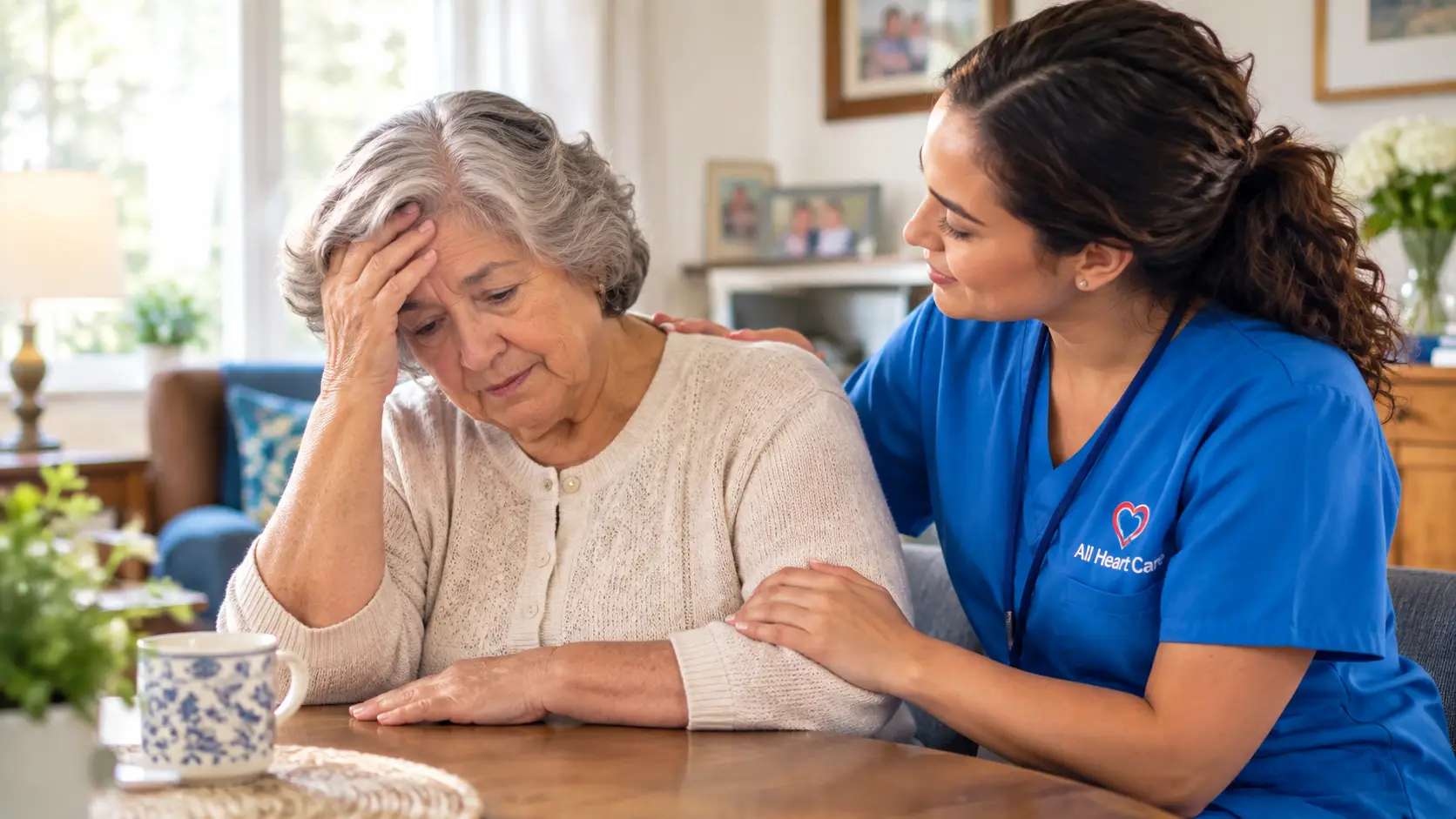
Losing vision is frightening and can lead to anxiety, depression, and withdrawal from favorite activities. A caregiver’s companionship, encouragement, and help staying socially engaged make a real difference to a loved one’s outlook and quality of life.
See our thoughts on mental health and home care.
When To Consider Professional Home Care
It may be time for in-home support when a senior with glaucoma:
- Struggles to use eye drops correctly or misses doses;
- Has fallen or nearly fallen due to vision;
- Can no longer safely read, cook, or manage daily tasks;
- Is missing eye appointments; or
- Is becoming isolated or anxious about their vision.
How a Caregiver Supports Glaucoma Care
A quick snapshot of the support:
| Glaucoma challenge | How home care helps |
| Daily eye drops | Timing, technique & refill tracking |
| Peripheral vision loss & falls | Low-vision safety & steady support |
| Reading & daily tasks | Assistance & low-vision aids |
| Getting to eye appointments | Reliable transportation |
| Eye-healthy living | Nutritious meals & condition management |
| Anxiety & isolation | Companionship & emotional support |
How To Pay for Glaucoma Home Care
Medicare covers glaucoma screening for higher-risk people and skilled home health when your parent is homebound, and a doctor orders it, but not ongoing non-medical help alone. The daily support with low vision, medications, and safety is usually funded through Medicaid for those who qualify, private pay, or long-term care insurance.
How to arrange glaucoma care at home
- Understand the treatment plan. Confirm the eye-drop schedule, appointment cadence, and any activity limits with the eye doctor.
- Set up eye-drop support. Establish reliable reminders and help with technique so doses are never missed.
- Make the home vision-friendly. Improve lighting and contrast, remove hazards, and keep things consistent.
- Match the level of care. Choose hourly, overnight, or 24-hour care based on vision and safety needs.
- Get a professional care assessment. A local agency can build a low-vision care plan and match it to the right funding. Start with our home health care overview.
The Bottom Line for New York Families
Glaucoma changes how a loved one sees the world, but it doesn’t have to take away their safety or independence.
With home care that keeps eye drops on track, makes the home vision-friendly, prevents falls, ensures they reach every eye appointment, and supports them emotionally, seniors with glaucoma can continue living confidently and comfortably at home.
Protecting what vision remains and staying safe with the vision they have is exactly what good glaucoma home care provides.
Our caregivers provide compassionate low-vision and glaucoma care across NYC, Brooklyn, Manhattan, the Bronx, Queens, and Staten Island, with eye-drop help, home safety, transportation, and daily support. Reach out for a free, no-pressure conversation.
Contact All Heart Homecare Today
Frequently Asked Questions About Home Care for Glaucoma
What is home care for seniors with glaucoma?
Home care for seniors with glaucoma is in-home support that protects remaining vision and keeps a person safe with low vision. It includes help with eye drops and medication management, low-vision home safety and fall prevention, assistance with daily tasks and reading, transportation to eye appointments, and emotional support.
How do you care for a senior with glaucoma?
Care for a senior with glaucoma by making sure eye drops are used correctly and on schedule, keeping the home safe and well-lit for low vision, helping with reading and daily tasks, arranging transportation to eye doctor visits, and providing emotional support. A caregiver keeps this routine consistent, which protects vision and prevents falls.
Why is eye drop adherence so important for glaucoma?
Glaucoma damage is permanent, but eye drops slow or stop further vision loss by lowering eye pressure. Missing doses lets pressure rise and vision decline. Because drops are often needed daily for life and can be hard to instill, a caregiver’s help with timing and technique is one of the most valuable parts of glaucoma home care.
How do you make a home safe for someone with glaucoma vision loss?
Improve lighting, reduce glare, add high-contrast markings on stairs and edges, remove clutter and loose rugs, keep pathways clear and consistent, and add grab bars and night lights. Because glaucoma reduces peripheral vision first, keeping the environment predictable and hazard-free is essential to prevent falls.
Can home care help prevent falls with glaucoma?
Yes. Glaucoma’s loss of peripheral and low-light vision makes falls much more likely. Caregivers prevent falls by keeping the home safe and well-lit, guiding safe movement, describing the environment, and providing steady support during risky moments like stairs or nighttime trips to the bathroom.
Does Medicare or Medicaid cover home care for glaucoma?
Medicare covers glaucoma screening for high-risk people and skilled home health when a person is homebound, and a doctor orders it, but not ongoing non-medical help alone. That daily support with low vision, medications, and safety is typically paid through Medicaid for those who qualify, private pay, or long-term care insurance.
When should a senior with glaucoma get in-home care?
Consider in-home care when vision loss makes eye drops, daily tasks, or getting around difficult or unsafe, when there are falls or near-falls, missed drops or appointments, or growing isolation. Early support protects remaining vision and helps a loved one stay independent and safe at home.