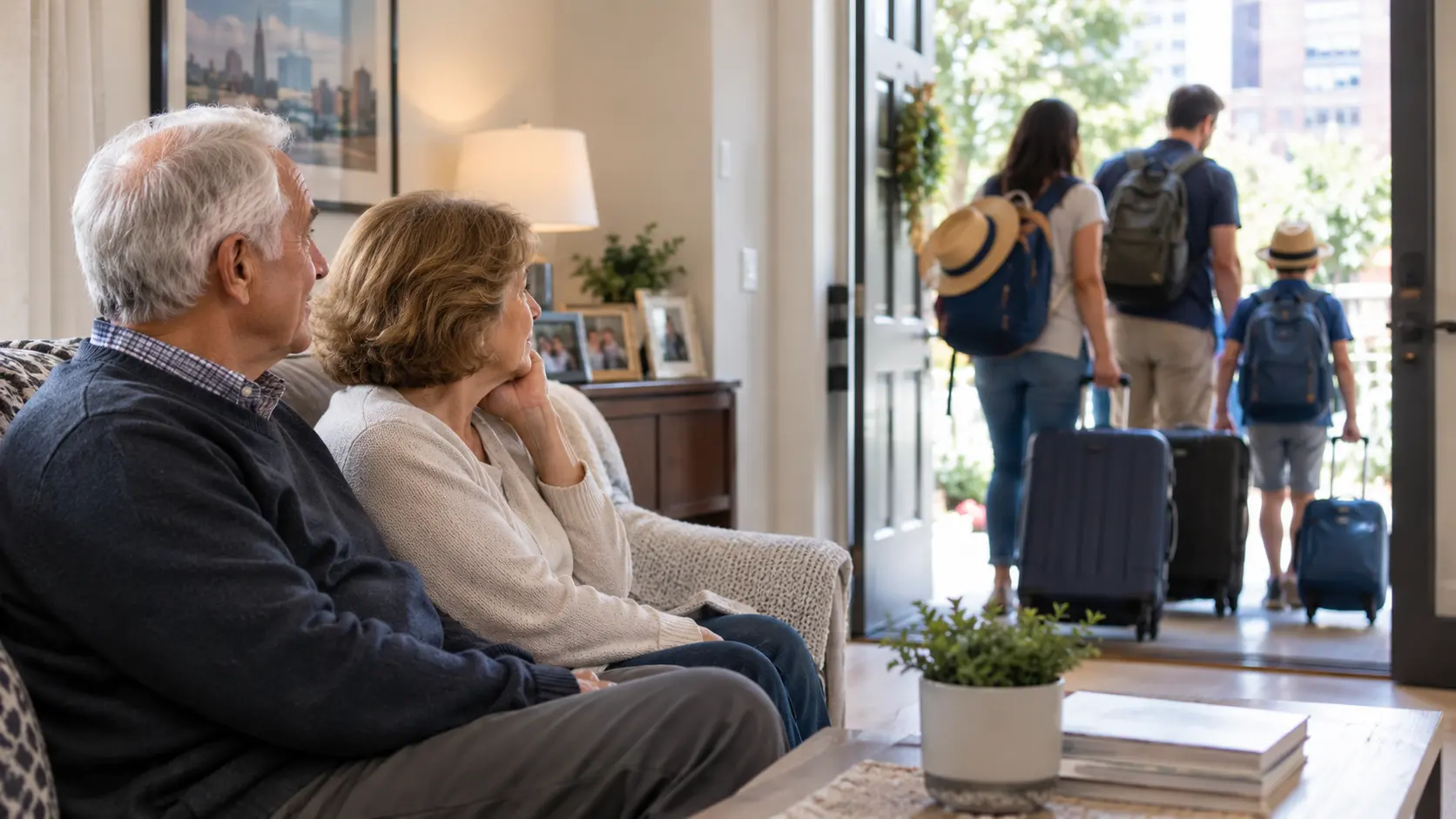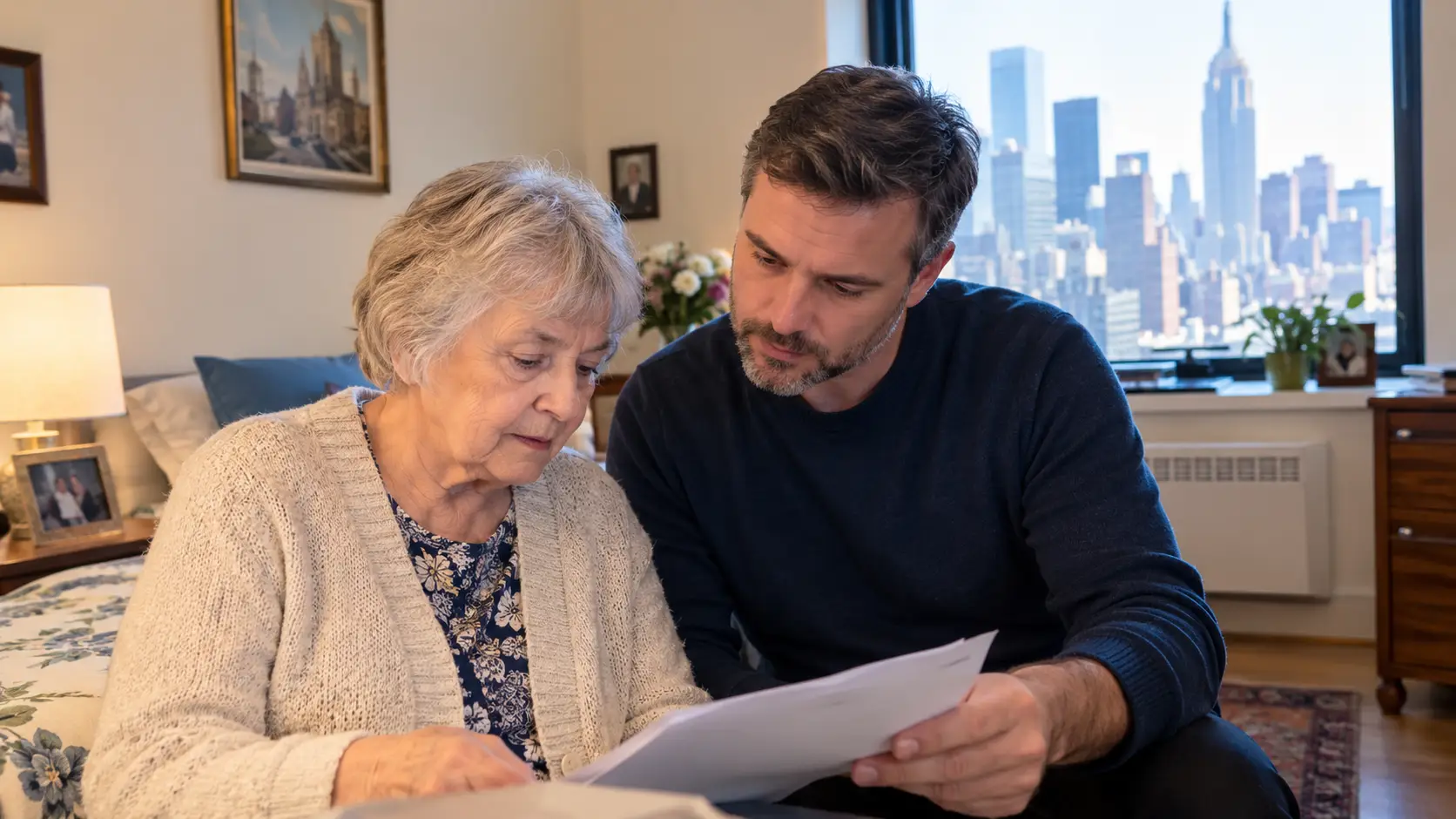



Choosing between a memory care facility and dementia care at home comes down to four things: how far the disease has progressed, the person’s safety needs, how much the family can take on, and the budget. In general, care at home suits early-to-moderate stages and families who value familiar surroundings or can share the load, while a memory care facility often fits mid-to-late-stage dementia, high wandering risk, or situations where caregivers are burning out.
Here is a clear comparison of cost, safety, staffing, and quality of life to help you decide.
Key Takeaways
- The right choice depends on disease stage, safety needs, family bandwidth, and budget.
- Home care preserves familiar routines and offers one-on-one attention, scalable by the hour.
- Memory care provides secure, purpose-built settings with 24/7 dementia-trained staff.
- Facilities average about $6,000 to $7,000+ per month; home care varies by hours.
- At 24/7 home care, home care can equal or exceed facility cost, plus home safety modifications.
- A doctor and care team can help you weigh safety and quality of life for your situation.
Memory Care Facility vs Dementia Care at Home: Quick comparison
| Feature | Memory Care Facility | Dementia Care at Home |
| Environment | Purpose-built, secured community with alarmed doors, enclosed courtyards, and wandering-prevention layouts. | Familiar home that can reduce anxiety and confusion, especially in early-to-moderate stages. |
| Staff & supervision | 24/7 dementia-trained staff with higher staff-to-resident ratios. | Scalable from a few hours a week to 24/7, though full-time individual coverage can be hard to staff. |
| Activities & routine | Structured cognitive programming, specialized therapies, and social engagement. | Depend on family initiative and scheduled visits from home care aides. |
| Medical access | On-site or coordinated nursing, medication management, and structured oversight. | Non-medical aides handle daily living; family coordinates outside doctor visits and transport. |
| Typical cost | About $6,000 to $7,000+ per month, all-inclusive for room, board, and care. | Varies by hours; 24/7 care can equal or exceed facility cost, plus home safety modifications. |

Memory Care Facility: Pros, Cons, and Who It Suits
Best for individuals in mid-to-late-stage dementia, those with high wandering risk, or when family caregivers face severe burnout.
Pros
- Built specifically for safety, with secure perimeters and wandering-prevention design.
- Constant availability of trained staff and structured routines that can calm agitation.
- Relieves families of 24/7 caregiving and household and cooking burdens.
Cons
- The move can cause initial confusion or emotional distress in unfamiliar surroundings.
- High monthly cost, which standard Medicare rarely covers for long-term care.
- Nursing and medical care quality can vary from one facility to another.
Dementia Care at Home: Pros, Cons, and Who It Suits
Best for individuals in early-to-moderate stages who benefit from familiar surroundings, and families who can split the load or afford consistent professional care.
Pros
- Lets the senior age in place, surrounded by personal memories and routine cues.
- Flexible plans that can start small, like meal prep or companionship, and scale up.
- One-on-one attention from a dedicated aide.
Cons
- Real risk of caregiver burnout, physical strain, and emotional stress on the family.
- May require home safety retrofitting, such as door alarms, fall-proofing, and medication locks.
- Round-the-clock coverage can become costly and logistically hard as symptoms worsen.
Memory Care vs. Care at Home: Which Fits?
Answer four quick questions for a balanced recommendation and a cost comparison.
This is general guidance, not medical advice or a quote. Costs are typical NYC estimates and vary. A doctor and care team can help you decide what is safest for your loved one.
Memory Care Facility vs Dementia Care at Home: Cost Comparison
Memory care facilities typically run about $6,000 to $7,000 or more per month, all-inclusive.
Dementia care at home varies widely by hours: part-time support (around 20 hours a week) often runs roughly $2,600 to $3,500 a month, most-of-the-day care (around 40 hours) roughly $5,200 to $6,900, and 24/7 live-in care about $22,000 to $26,000 a month.
The takeaway: home care is usually more affordable until needs approach full-time, at which point the two can converge or home care can exceed facility cost. Also factor in one-time home safety modifications. Use the decision and cost helper on this page to compare your own numbers.
For how coverage works, see our guide on whether Medicare covers dementia home care and our private pay home care options.
Memory Care Facility vs Dementia Care at Home: Quality of Life
Cost matters, but so does how your loved one actually feels day to day. Home care tends to protect familiarity, personal routine, and one-on-one connection, which can ease anxiety in earlier stages. Memory care offers social engagement, structured stimulation, and a safe environment that can reduce agitation and isolation as dementia advances.
Neither is automatically better; the best setting keeps your loved one safe, engaged, and comfortable at their stage.
Memory Care Facility vs Dementia Care at Home: How to decide
Start with safety and stage, then weigh family capacity and budget. Talk with your loved one’s doctor or care team, tour at least one facility, and get a real cost estimate for home care for the hours you need. If staying home is the goal, All Heart Homecare provides specialized Alzheimer’s and dementia care and home health aide services across Brooklyn, Manhattan, the Bronx, Queens, and Staten Island. Contact us for a free consultation, and we will help you compare your options honestly.
This article is for general information only and is not medical advice. Please consult your loved one’s physician and care team about the right care setting.
Frequently Asked Questions About Memory Care Facility vs Dementia Care at Home
How long can a dementia patient live at home?
Many people with dementia live safely at home through the early and moderate stages, sometimes for years, especially when care scales up over time. There is no fixed timeline. The right moment to consider a facility depends on safety, wandering risk, medical needs, and whether reliable care can be staffed at home, not on a set number of years.
Do dementia patients do better at home or in a facility?
It depends on the stage and situation. In early-to-moderate dementia, many people do well at home with familiar surroundings and one-on-one support. In mid-to-late stages, or with high wandering or medical needs, a secure memory care setting can be safer. Both can offer a good quality of life; the right choice fits the person’s stage, safety needs, and support needs.
Why do dementia patients wander at night?
Nighttime wandering can stem from disrupted sleep and body-clock changes, late-day confusion known as sundowning, unmet needs like hunger or needing the bathroom, pain, excess energy, or searching for something or someone familiar. A calm routine, good lighting, and a safe environment help; persistent wandering is worth discussing with a doctor.
What stage of dementia is fixation?
Repetitive behaviors and fixation, sometimes called perseveration, are most often seen in the middle, or moderate, stage of dementia, though they can appear at other points. They are a recognized part of how the condition affects the brain. Only a physician can assess which stage someone is in and rule out other causes.