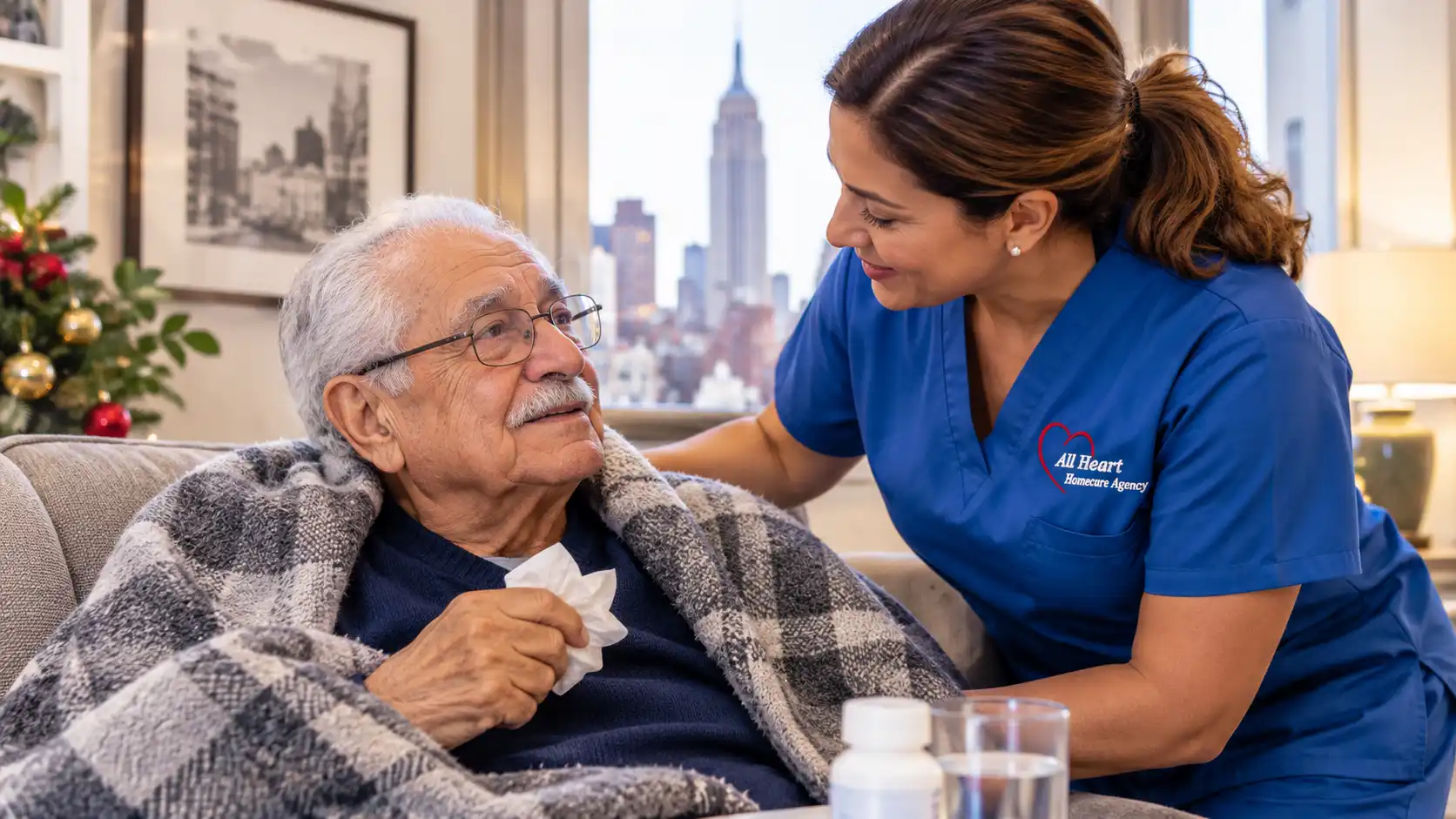



For most older adults, in-home care is the best senior care option for managing diabetes. A trained caregiver keeps the daily routine steady, consistent meals, medication and insulin reminders, blood sugar monitoring, foot care, and activity, while the senior stays in a familiar home. Seniors with complex medical needs may also need skilled home health nursing, and those needing 24-hour supervision may need residential care. The right choice depends on how much help is needed, and many families combine in-home care with occasional skilled nursing.
This guide compares the main care options and explains what good diabetes support looks like day to day.
Key Takeaways
- In-home care is often the best fit for diabetic seniors because it supports daily routine and helps them age in place.
- Care options range from family caregiving to in-home aides, skilled home health nursing, adult day programs, and residential care.
- Good diabetes care means consistent meals, medication and insulin support, blood sugar monitoring, foot care, and activity.
- In older adults, avoiding low blood sugar (hypoglycemia) is a top priority, and blood sugar targets are individualized by a doctor.
- Caregivers play a key role in spotting early warning signs and keeping the care team informed.
This article is for general information only and is not medical advice. Diabetes care should be guided by the senior’s doctor or care team. If someone shows signs of a severe blood sugar emergency, seek medical help or call 911.
Why Diabetes Is Harder To Manage as People Age
Managing diabetes gets more complex in later life, which is why the right support matters so much. Several factors make daily management harder:
- Higher hypoglycemia risk: Older adults are more vulnerable to dangerous low blood sugar, especially on insulin or certain pills, and symptoms can be harder to notice.
- Other health conditions: Heart disease, kidney issues, and reduced mobility can complicate diet, medication, and activity.
- Vision and dexterity: Trouble seeing numbers or handling glucometers, pills, and insulin pens makes self-care harder.
- Memory and routine: Forgetting doses, meals, or readings can cause blood sugar swings.
- Appetite and nutrition: Irregular eating or a limited diet can push blood sugar too high or too low.
Best Senior Care Options for Managing Diabetes
There is no one-size-fits-all answer. The best option matches the senior’s medical needs, independence, and preferences. Here is how the main choices compare:
| Care option | Best for | What it provides |
|---|---|---|
| In-home care (aide or HHA) | Seniors who want to stay home with daily, hands-on help | Meal prep, medication reminders, blood sugar logging, foot and skin checks, activity, companionship |
| Family caregiving | Early-stage needs with capable, available family nearby | Informal day-to-day help, often combined with professional care for relief |
| Skilled home health nursing | Medical needs like insulin management or wound care | Short-term, doctor-ordered nursing visits, often covered by Medicare after a hospital stay |
| Adult day programs | Social engagement plus some supervision during the day | Meals, activities, and monitoring in a group setting, then home at night |
| Assisted living or nursing home | Seniors needing 24-hour supervision or complex medical care | Residential care with staff, meals, and on-site medical support |
Many families combine options, for example in-home care for daily support plus short-term skilled nursing after a hospital stay. The goal is steady, reliable diabetes management with the least disruption to the senior’s life.
What Good In-Home Diabetes Care Looks Like
For most diabetic seniors who want to stay home, a trained caregiver can provide the consistency that keeps blood sugar in a healthy range. Day to day, that support often includes:
- Consistent, balanced meals: Preparing diabetes-friendly meals and snacks on a regular schedule to avoid spikes and dips.
- Medication and insulin support: Reminders to take medication on time and, where appropriate, help preparing supplies (clinical tasks like injections are handled per the care plan and the senior’s medical team).
- Blood sugar monitoring: Reminders to check blood sugar, help using a glucometer or continuous glucose monitor, and keeping a log to share with the doctor.
- Foot and skin care: Daily checks for cuts, blisters, or sores, since diabetes raises the risk of foot complications.
- Activity and hydration: Encouraging safe movement and regular fluids, both of which help blood sugar control.
- Watching for warning signs: Recognizing early signs of low or high blood sugar and alerting family and the care team quickly.
For a practical daily reference, see our caregiver’s checklist for seniors with diabetes and our comprehensive home care guide to diabetes management in seniors.

Best Home Care Companies for Diabetic Seniors in New York
Once you have chosen in-home care, the next step is picking the right agency. The companies below serve seniors across the New York City area and can support diabetes care at home. We have placed All Heart Homecare Agency first for its personalized, family-centered approach; the others are strong options worth comparing. Always confirm current licensing, services, and pricing before you choose.
Worried every time the phone rings?
Caring for a parent with diabetes can mean lying awake wondering if they took their insulin, ate a real meal, or checked their blood sugar. You cannot be there every hour, and you should not have to carry that worry alone.
All Heart Homecare pairs your loved one with a trained caregiver who keeps the daily routine steady, meals, medication reminders, blood sugar checks, and foot care, while keeping you in the loop. Peace of mind starts with one conversation.
Get a free consultation →Serving families across Brooklyn, Manhattan, the Bronx, Queens, and Staten Island. No pressure, just answers.
How we compared them, and what you should look for in any agency caring for a diabetic senior:
- State licensing: The agency should be licensed by the New York State Department of Health.
- Chronic-condition experience: Look for caregivers experienced with diabetes, meal planning, blood sugar monitoring, and foot care.
- Caregiver training and screening: Aides should be background-checked, trained, and certified (for example, HHA or PCA).
- Nurse supervision and care plans: A written, nurse-supervised care plan that follows the senior’s doctor and updates as needs change.
- Backup coverage: A guaranteed replacement caregiver so diabetes routine never lapses.
- Payment options: Clear answers on private pay, long-term care insurance, and Medicaid, with the rate and shift minimum in writing.
For a full walkthrough, see our guide on how to choose the best home care agency for you.
| Company | Best for | What they offer |
|---|---|---|
| All Heart Homecare Agency | Best overall: personalized diabetes support at home | Caregivers for diabetes-friendly meals, medication reminders, blood sugar logging, foot care, and routine; serves all five boroughs; private pay and Medicaid-eligible; free consultation |
| VNS Health | Skilled, nurse-led medical needs | Large NYC nonprofit offering skilled nursing, home health, and chronic-condition programs |
| BAYADA Home Health Care | Combining skilled nursing with personal care | National provider with skilled nursing plus home health aide and personal care services |
| Americare | Medicaid-based long-term home care | NYC-area licensed agency offering personal care and managed long-term care support |
| Senior Helpers | Companion care with dementia support | Franchise offices providing companion and personal care plus condition-specific programs |
Many diabetic seniors do well with a personal-care agency for daily support, adding short-term skilled nursing if a doctor orders it. Match the agency to the level of help your loved one needs now, and confirm it can scale as needs change.
A note on blood sugar targets in older adults
For older adults, diabetes care guidelines emphasize individualized blood sugar goals rather than the tightest possible control. For many seniors, especially those who are frail or have several health conditions, doctors often set more relaxed targets because the risk of low blood sugar can outweigh the benefit of aggressive control. This is why the care plan should always come from the senior’s own doctor. A caregiver’s job is to follow that plan consistently and report changes, not to adjust medication or targets independently.
How All Heart Homecare supports Diabetic Seniors
Caring for a parent or loved one with diabetes can feel like a full-time job, and you do not have to do it alone. All Heart Homecare Agency helps families across Brooklyn, Manhattan, the Bronx, Queens, and Staten Island arrange compassionate in-home caregivers who support healthy meals, medication reminders, blood sugar monitoring, and daily routine, following the senior’s care plan and keeping your family informed.
Learn more about how to care for a diabetic patient at home, or contact us for a free consultation to talk through the right level of care.
This guide is for general information only and is not medical advice. Always follow the guidance of the senior’s doctor or diabetes care team, and seek emergency help for severe low or high blood sugar.
Frequently Asked Questions About Best Senior Care Options for Diabetes
What is the best type of care for an elderly person with diabetes?
For most diabetic seniors, in-home care is the best option, because it supports the consistent daily routine, meals, medication reminders, blood sugar monitoring, and activity, that keeps diabetes stable while letting the person stay in a familiar home. Seniors with complex medical needs may also need skilled home health nursing or, in some cases, residential care. The best choice depends on how much help is needed, and many families combine in-home care with occasional skilled nursing.
Can an elderly person with diabetes stay at home?
Yes. Most seniors with diabetes can safely stay at home with the right support. A trained caregiver can help with diabetes-friendly meals, medication and insulin reminders, blood sugar checks, foot care, and watching for warning signs, while the senior’s doctor oversees the medical plan. In-home care is often preferred because staying in familiar surroundings supports both well-being and routine, which is central to managing diabetes.
How do caregivers help manage diabetes in the elderly?
Caregivers support diabetes management by preparing balanced meals on a regular schedule, giving medication and insulin reminders, helping check and log blood sugar, performing daily foot and skin checks, encouraging activity and hydration, and watching for early signs of low or high blood sugar. They follow the care plan set by the senior’s doctor and keep the family and care team informed, but they do not change medication or targets on their own.
What are the signs of low blood sugar in seniors?
Common signs of low blood sugar (hypoglycemia) include shakiness, sweating, confusion, irritability, dizziness, weakness, and sudden hunger. In older adults, symptoms can be subtle or mistaken for other conditions, which makes them easy to miss. If a senior shows these signs, follow their doctor’s plan for treating lows, and seek emergency help or call 911 if they become very confused, unresponsive, or have a seizure.