
For families, few worries are as constant as the fear of a parent falling. A single fall can lead to a broken hip, a hospital stay, a loss of confidence, and a downward spiral in health; which is why fall prevention is one of the most important things you can do for an aging loved one.
The best fall prevention isn’t guesswork; it starts with understanding who is at risk and why. This guide to home care for fall-risk seniors walks families through the fall risk assessment and the practical, in-home steps that keep a loved one safe on their feet.
Key Takeaways
- Home care for fall-risk seniors starts with a fall risk assessment; then builds a prevention plan around each person’s specific risks.
- A fall risk assessment reviews balance and gait, medications, vision and hearing, footwear, health conditions, and home hazards.
- Falls are largely preventable. Most result from a mix of risk factors that can be reduced with the right support.
- Caregivers prevent falls by removing hazards, steadying walking and transfers, guiding balance exercises, and supervising high-risk moments like nighttime bathroom trips.
- Don’t overlook footwear, vision, hearing, and medications: all are common, fixable contributors to falls.
- Paying for it: Medicare covers therapy and equipment; ongoing supervision and daily help are funded by Medicaid or private pay.
What Makes a Senior a Fall Risk?
Falls rarely have a single cause, they usually result from several risk factors stacking up. Common ones include:
- A history of falls or a recent near-fall;
- Muscle weakness, poor balance, or an unsteady gait;
- Medications that cause dizziness or drops in blood pressure;
- Vision or hearing loss;
- Chronic conditions like arthritis, Parkinson’s, stroke, or diabetes;
- Cognitive decline; and
- Home hazards: clutter, loose rugs, poor lighting, and no grab bars.
The more factors present, the higher the risk and the more valuable a structured assessment becomes. Learn more from the CDC on older adult falls.
The Fall Risk Assessment: How To Evaluate Risk at Home
A fall risk assessment is a structured way to measure how likely a senior is to fall, so prevention can target their specific risks. It’s the foundation of good fall-prevention home care — and it should be repeated over time, since risk changes.
Common Fall Risk Assessment Tools
Clinicians and trained caregivers use simple, validated screens, including:
- The Timed Up and Go (TUG) test: timing how long it takes to rise from a chair, walk about 10 feet, turn, and sit; a longer time signals higher risk;
- Balance and gait checks: observing steadiness, stride, and turning; and
- The CDC STEADI initiative (Stopping Elderly Accidents, Deaths & Injuries): a screening, assessment, and intervention framework used across the U.S. See CDC STEADI.
A Home Fall Risk Assessment Checklist
Families can start with a simple review across these areas:
| Risk area | What to check |
| Fall history | Any falls or near-falls in the past year? |
| Balance & strength | Unsteady standing, walking, or rising from a chair? |
| Medications | Drugs that cause dizziness or drowsiness? |
| Vision & hearing | Up-to-date glasses; any hearing loss? |
| Footwear | Supportive, non-slip shoes vs. socks/slippers? |
| Home hazards | Loose rugs, clutter, poor lighting, no grab bars? |
An in-home care agency can turn this into a full professional assessment and a personalized prevention plan.
How In-Home Care Prevents Falls
Once risks are identified, a caregiver puts prevention into daily practice:
- Removes home hazards and improves safety;
- Provides steady support during walking and transfers;
- Guides balance and strength exercises;
- Supervises high-risk moments, like getting to the bathroom at night;
- Ensures safe footwear and properly used mobility aids; and
- Watches for new risk factors and reports changes.
See our personal home care service and the benefits of in-home care for seniors.
Removing Home Hazards and Modifications
The home itself is where most falls happen. Priorities include grab bars in the bathroom, removing loose rugs and clutter, better lighting (especially night lights on the path to the bathroom), stair railings, non-slip mats, and keeping everyday items within easy reach.
Our guides to fall prevention for seniors and making a home fall-proof cover it room by room.
Strength, Balance, and Safe Exercise
Exercise is one of the most effective fall-prevention tools. Strength and balance training, supervised for safety: reduce falls by keeping muscles strong and improving stability. Caregivers encourage safe, doctor-approved activity and reinforce any physical therapy plan.
See effective exercises for seniors and what to avoid.
Medication Review and Fall Risk
Many medications raise fall risk. Sedatives, sleep aids, some blood-pressure and diabetes drugs, and combinations of multiple medications can cause dizziness, drowsiness, or blood-pressure drops. Caregivers manage schedules and watch for side effects, and families should ask the doctor or pharmacist to review the medication list specifically for fall risk.
Vision, Hearing, and Footwear
Three commonly overlooked, easily fixable contributors to falls:
- Vision: outdated glasses and untreated cataracts increase risk; keep eye exams current;
- Hearing: hearing loss is linked to more falls, partly through balance and awareness; and
- Footwear: supportive, non-slip shoes are far safer than socks, loose slippers, or bare feet.
Mobility Aids, Properly Fitted
Canes, walkers, and rollators only help when they’re the right height and used correctly — a poorly fitted aid can cause a fall. Caregivers ensure aids fit, are used properly, and are kept within reach, and help seniors move confidently with them.
Reducing the Fear of Falling
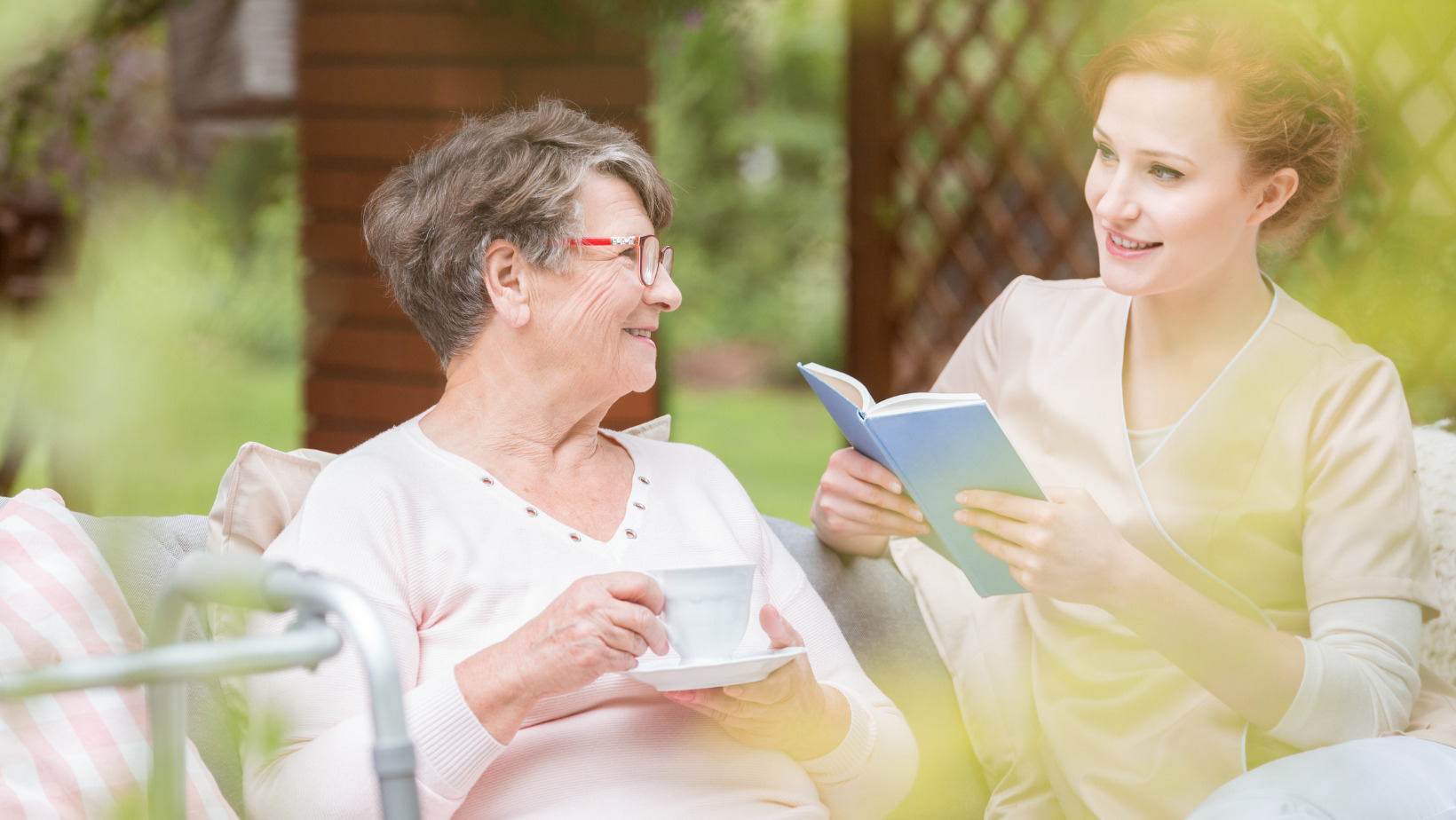
Fear of falling is a risk factor in itself: seniors who are afraid often move less, which weakens muscles and paradoxically raises their risk. A caregiver’s steady presence restores confidence, encouraging safe activity and helping a loved one stay active without fear.
Fall Risk With Parkinson’s, Stroke, and Dementia
Neurological conditions sharply increase fall risk. Parkinson’s affects balance and gait; stroke can cause weakness on one side; and dementia may lead a person to forget their limitations and get up unassisted.
These situations call for closer supervision and often 24-hour care, see our Alzheimer’s and dementia care service and our guide to home care for arthritis management for mobility-limiting conditions.
What To Do After a Fall
If your loved one falls: stay calm, check for injuries, and don’t rush to move them. Call 911 for severe pain, a head injury, or if they can’t get up safely. If uninjured, help them up slowly using proper technique. Afterward, report the fall to their doctor and review what caused it; every fall is a chance to prevent the next one.
See how to ensure patient safety at home.
When To Consider Professional Home Care
It may be time for in-home support when a senior:
- Has fallen or had a near-fall;
- Is unsteady, dizzy, or afraid of falling;
- Has several risk factors (multiple medications plus poor vision, for example); or
- Has a family caregiver who can’t safely supervise or assist them.
How a Caregiver Reduces Fall Risk
A quick snapshot of the support:
| Fall risk factor | How home care helps |
| Unsteady walking & transfers | Steady physical support & technique |
| Home hazards | Hazard removal & safety setup |
| Weak muscles/poor balance | Supervised strength & balance exercise |
| Risky medications | Medication management & monitoring |
| Nighttime bathroom trips | Supervision during high-risk moments |
| Fear of falling | Confidence-building companionship |
How To Pay for Fall-Prevention Home Care
Medicare covers skilled home health, such as physical or occupational therapy for balance and strength when your parent is homebound and a doctor orders it, and it covers durable medical equipment like walkers.
Compare Medicare vs. Medicaid for Home Care.
How To Arrange Fall-Prevention Care at Home
- Start with an assessment. Identify your parents’ specific risk factors using a checklist or a professional evaluation.
- Fix the home and the fixables. Remove hazards, update glasses, sort out footwear, and review medications.
- Add movement. Begin safe, supervised strength and balance exercises.
- Match the level of care. Choose hourly, overnight, or 24-hour supervision based on risk.
Get a professional care assessment. A local agency can complete a full fall risk assessment and match care to the right funding.
Start with our home health care overview, and see home care for seniors with limited mobility.
Frequently Asked Questions About Home Care For Fall
What is a fall risk assessment in home care?
A fall risk assessment in home care is a structured evaluation of a senior’s likelihood of falling. It reviews balance and gait, medications, vision and hearing, footwear, medical conditions, and home hazards. Caregivers and clinicians use it to build a personalized prevention plan and to track changes over time.
How do you assess fall risk at home?
Assess fall risk at home by reviewing fall history, checking balance and walking with a simple test like the Timed Up and Go, reviewing medications that cause dizziness, checking vision and footwear, and inspecting the home for hazards such as loose rugs, poor lighting, and missing grab bars. Frameworks like the CDC STEADI initiative guide this process.
What are the main fall risk factors in seniors?
Main fall risk factors include a history of falls, muscle weakness and poor balance, certain medications, low blood pressure, vision and hearing loss, unsafe footwear, chronic conditions like arthritis, Parkinson’s, or stroke, cognitive decline, and home hazards such as clutter, loose rugs, and inadequate lighting.
How does in-home care prevent falls?
In-home care prevents falls by assessing risk, removing home hazards, providing steady support during walking and transfers, encouraging balance and strength exercises, managing medications, ensuring safe footwear and mobility aids, and supervising high-risk moments like getting to the bathroom at night.
What should you do after a senior falls?
Stay calm, check for injuries, and do not rush to move them. Call 911 if there is severe pain, a head injury, or if they cannot get up safely. If uninjured, help them up slowly using proper technique. Afterward, report the fall to their doctor and review what caused it to prevent the next one.
Does Medicare or Medicaid cover fall-prevention home care?
Medicare covers skilled home health, such as physical or occupational therapy for balance and strength when a person is homebound and a doctor orders it, and it covers durable medical equipment like walkers. Ongoing non-medical supervision and daily help are typically paid through Medicaid for those who qualify, private pay, or long-term care insurance.
When should a fall-risk senior get in-home care?
Consider in-home care after any fall or near-fall, when a senior is unsteady, dizzy, or afraid of falling, when they have multiple risk factors such as several medications plus poor vision, or when the family caregiver cannot safely supervise them. Early support is one of the most effective ways to prevent a serious fall.