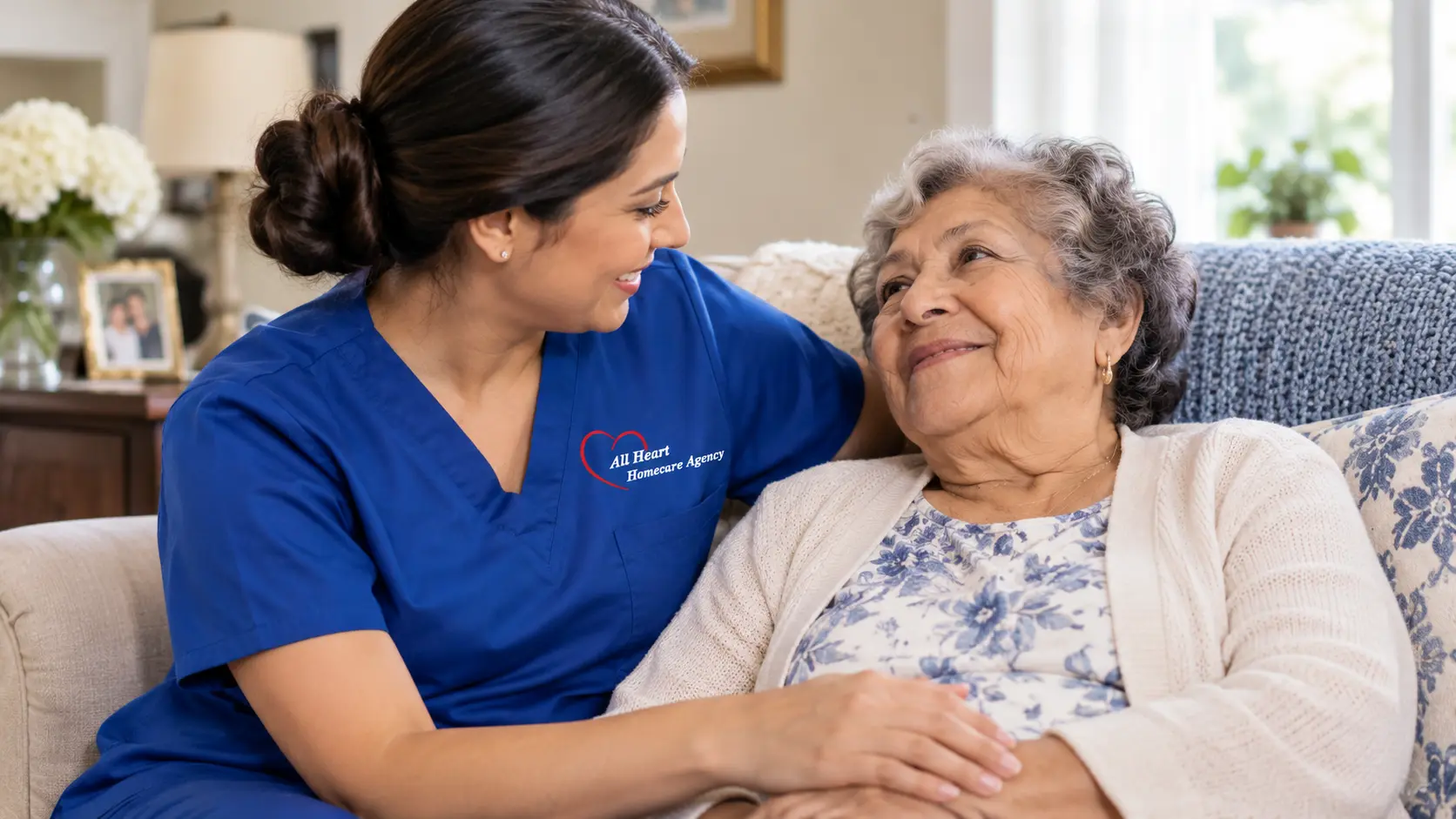

Signs of depression in the elderly include persistent sadness or hopelessness, irritability, loss of interest in favorite activities, unexplained aches and pains, fatigue, changes in sleep and appetite, social withdrawal, neglecting medications or hygiene, and trouble concentrating, especially when they last two weeks or more.
Importantly, in older adults depression often shows up as physical complaints or memory problems rather than obvious sadness, which is why it so often goes unnoticed.
Depression is common in older adults but it is not a normal part of aging, and it’s very treatable. Learning to recognize the signs is the first, most important step to getting a loved one the help they deserve. This guide walks through exactly what to watch for and what to do next.
Key Takeaways
- Signs of depression in the elderly fall into three groups: emotional (sadness, irritability), physical (pain, fatigue, sleep and appetite changes), and behavioral/cognitive (withdrawal, neglecting care, focus problems).
- Depression is NOT a normal part of aging: it’s a treatable medical condition.
- It often looks different in seniors, showing up as physical complaints or memory problems rather than obvious sadness, which is why it’s so often missed.
- Watch the two-week rule: signs lasting two weeks or more warrant a doctor’s evaluation.
- It can mimic dementia. Depression can cause memory and concentration problems, so new changes should be assessed by a doctor.
- Isolation is a major driver: regular connection and companionship are powerful protection.
Is Depression a Normal Part of Aging?
No; this is the most important myth to dispel. While older adults face real challenges: loss of loved ones, health problems, reduced independence, and isolation that raise the risk, persistent depression is a medical condition, not an inevitable part of getting older. Believing “it’s just old age” is exactly why so much senior depression goes untreated.
The National Institute on Aging is clear that depression at any age deserves care.
What Is Geriatric Depression?
Geriatric depression simply means depression in older adults. It’s a real, diagnosable condition but it often looks different than in younger people, appearing as physical symptoms, memory trouble, or withdrawal rather than sadness. It’s common, frequently underdiagnosed, and highly responsive to treatment.
See our glossary entry on geriatric depression for a quick definition.
Emotional and Mood Signs of Depression in Seniors
The signs many people first think of:
- Persistent sadness: feeling empty, anxious, or hopeless without relief;
- Irritability: unusual anger, crankiness, or restlessness;
- Loss of pleasure: quitting hobbies and social activities, or losing interest in things they loved; and
- Worthlessness: expressing guilt, feeling like a burden, or self-loathing.
Physical and Somatic Signs
These are the signs most often missed, because they look like other health problems:
- Unexplained pain: headaches, joint aches, or digestive trouble that don’t improve with treatment;
- Fatigue: low energy, or moving and speaking more slowly than usual;
- Sleep changes: insomnia, waking too early, or sleeping all day; and
- Appetite shifts: eating much more or less, with unintended weight loss or gain.
Behavioral and Cognitive Signs
Often the signs a caregiver or family member notices first:
- Social isolation: stopping phone calls, refusing visitors, or staying home; see the signs of loneliness in seniors;
- Neglecting care: forgetting medications, skipping meals, or ignoring personal hygiene; and
- Focus issues: trouble remembering things, concentrating, or making simple decisions.
Noticing these signs in a parent or grandparent?
Don’t wait and wonder. All Heart Homecare provides warm companionship and daily support that ease loneliness and help you keep a close, caring eye on a loved one’s well-being. Talk to a care coordinator today.
Why Depression Looks Different in Seniors
Older adults are often less likely to say “I feel sad.” Instead, depression may surface as physical complaints, low energy, or memory and concentration problems. This is why it’s frequently mistaken for other illnesses or dismissed as normal aging. In some cases, depression even causes memory and thinking problems severe enough to mimic dementia (sometimes called “pseudodementia”), and the two can occur together.
Because the distinction changes treatment, any new mood or memory changes should be evaluated by a doctor.
Learn more in our post on the importance of mental health for elderly people.
The Link Between Isolation and Depression in Seniors
Loneliness is one of the biggest, and most fixable, drivers of depression in older adults. A senior who has lost a spouse, stopped driving, or become homebound can slip into isolation that deepens depression.
Restoring regular human connection is one of the most protective things a family can do.
See loneliness in older people: effects and solutions, and, since risk rises in the darker months, preventing seasonal depression in seniors.
Getting help
If signs of depression last two weeks or more, worsen, or interfere with daily life, talk to a doctor; depression in older adults is very treatable with therapy, medication, or both.
If an older adult is struggling with thoughts of suicide or overwhelming despair, get help right away: call or text 988 (Suicide & Crisis Lifeline, 24/7), or contact the SAMHSA National Helpline at 1-800-662-4357 for free, confidential support and referrals. Call 911 in an emergency
Resources: the 988 Suicide & Crisis Lifeline and the SAMHSA National Helpline.
What To Do if You Notice the Signs
- Talk gently and without judgment. Let them know you’ve noticed and you care.
- Take it seriously. Don’t dismiss the signs as “just aging.”
- Encourage a doctor’s evaluation. A checkup can rule out medical causes and start treatment; offer to go along.
- Reduce isolation. Build in regular connection; visits, calls, and companionship.
- Consider in-home support. A caregiver provides consistency, watchfulness, and daily connection. See our senior companionship care and caring for the mind: mental health and homecare.
How Home Care Helps Seniors in Depression
A caregiver won’t replace a doctor but consistent in-home support is one of the most effective ways to catch depression early and ease it. Caregivers provide daily companionship that fights isolation, keep an eye out for warning signs, encourage activity and healthy meals, support medication routines, and keep family informed.
That steady, caring presence often makes the difference between depression that goes unnoticed and a loved one who gets the help they need.
Learn more about the benefits of in-home care for seniors, and for support once depression is identified, see our guide Home Care for Depression.
For anxiety, which often accompanies depression, see how to treat severe anxiety in the elderly.
The Bottom Line for New York Families
Recognizing depression in an older loved one can be life-changing because depression in seniors is common, often hidden behind physical or memory complaints, and, above all, treatable.
If you notice sadness, withdrawal, unexplained aches, or a loved one letting go of the things and people they once cared about, don’t write it off as aging. Take it seriously, encourage a doctor’s visit, and surround them with connection and support.
With the right help, including compassionate care at home, brighter days are absolutely possible.
Let All Heart Homecare help your loved one feel connected and cared for.
Our compassionate caregivers provide companionship and daily support for seniors across NYC: Brooklyn, Manhattan, the Bronx, Queens, and Staten Island, easing loneliness and helping families spot and address depression early.
Reach out for a free, no-pressure conversation.
Contact All Heart Homecare Today.
Frequently Asked Questions About Depression in the Elderly
What are the signs of depression in the elderly?
Signs of depression in the elderly include persistent sadness or hopelessness, irritability, loss of interest in hobbies, unexplained aches and pains, fatigue, sleep and appetite changes, social withdrawal, neglecting medications or hygiene, and trouble concentrating. In seniors, depression often shows up as physical complaints rather than obvious sadness.
Can depression be mistaken for dementia in seniors?
Yes. Depression in older adults can cause memory problems, confusion, and trouble concentrating that mimic dementia, sometimes called pseudodementia. The two can also occur together. Because the difference matters for treatment, any new memory or mood changes should be evaluated by a doctor.
What should you do if you notice signs of depression in an elderly parent?
Talk with them gently and without judgment, take the signs seriously, and encourage a doctor’s evaluation, offering to go along. Reduce their isolation with regular connection and companionship, and consider in-home support. If they express thoughts of self-harm, get help right away by calling or texting 988.
When should an elderly person see a doctor for depression?
See a doctor if signs of depression last two weeks or more, worsen, or interfere with daily life. Depression in older adults is very treatable with therapy, medication, or both. If there are any thoughts of self-harm or hopelessness, seek help immediately through the 988 Suicide and Crisis Lifeline or the SAMHSA National Helpline at 1-800-662-4357.