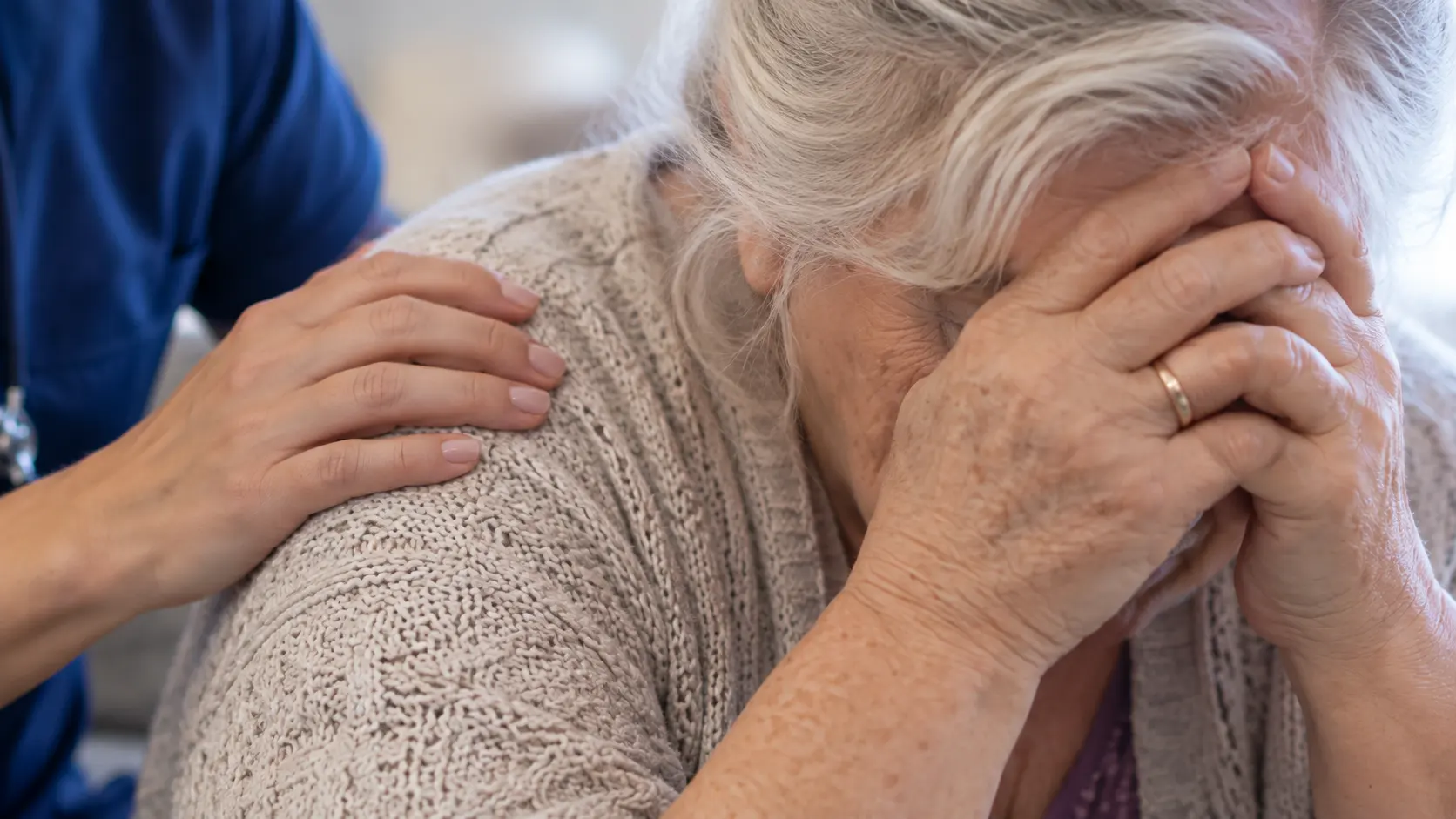
Severe anxiety in the elderly is treated with a combination of psychotherapy, careful medication management, and lifestyle adjustments. The most effective plan usually pairs Cognitive Behavioral Therapy (CBT) with a safe medication (typically an SSRI) when needed, plus daily habits: exercise, relaxation, social connection, and fewer triggers that calm the nervous system. Treatment should always be guided by a doctor.
Anxiety in older adults is common, often overlooked, and very treatable, no one has to simply live with it. This guide explains how severe anxiety is treated, what helps at night, whether anxiety really gets worse with age, and how compassionate in-home care supports the everyday side of recovery.
Key Takeaways
- Severe anxiety in the elderly is treated with a combination of psychotherapy (especially CBT), careful medication, and lifestyle support, guided by a doctor.
- CBT is the leading talk therapy for seniors, and telehealth makes it accessible from home.
- SSRIs are the usual first-line medication; benzodiazepines are used cautiously because they raise fall, confusion, and memory risks in seniors.
- Lifestyle matters: exercise, relaxation techniques, social connection, and cutting caffeine and alcohol all reduce anxiety.
- Nighttime anxiety is common: routine, reassurance, and overnight companionship help.
- Anxiety isn’t an inevitable part of aging, and it’s treatable at any age. Seek urgent help (988) for any thoughts of self-harm.
How Is Severe Anxiety in the Elderly Treated?
Effective treatment for severe anxiety typically combines three approaches, tailored by a doctor to the individual:
- Psychotherapy: talk therapy, especially CBT;
- Medication: when appropriate, usually an SSRI, managed carefully; and
- Lifestyle and natural approaches: daily habits that lower stress and support calm.
Learn more from the American Geriatrics Society’s HealthInAging on anxiety care.
Psychotherapy: CBT and Telehealth
Cognitive Behavioral Therapy (CBT) is the leading, evidence-based talk therapy for anxiety in seniors. It helps older adults recognize and change the negative thought patterns and behaviors that fuel worry and it works.
For seniors with mobility challenges or those who feel anxious leaving home, telehealth makes therapy accessible right from the living room, and a caregiver can help set up and support these virtual visits.
Medication: SSRIS and Caution With Benzodiazepines
When medication is needed, doctors usually start with SSRIs such as sertraline (Zoloft) or citalopram (Celexa), because they’re safer and well-tolerated by older adults. Benzodiazepines (like alprazolam or diazepam) can bring quick relief, but doctors avoid long-term use in seniors; they raise the risk of memory problems, confusion, and dangerous falls.
Medication should always be prescribed and monitored by a physician, and caregivers can help ensure it’s taken correctly and watch for side effects.
Lifestyle and Natural Approaches
Daily habits are a powerful part of anxiety treatment and a caregiver can help make each one happen:
- Regular exercise: short daily walks or gentle movement lower stress hormones; see effective exercises for seniors;
- Relaxation techniques: deep breathing and progressive muscle relaxation calm the body during high-stress moments;
- Social connection: regular visits and companionship reduce the loneliness that feeds anxiety;
- Fewer triggers: limit caffeine, alcohol, and constant negative news; and
- A steady routine and good sleep: predictability itself is calming.
Anxiety in the Elderly at Night
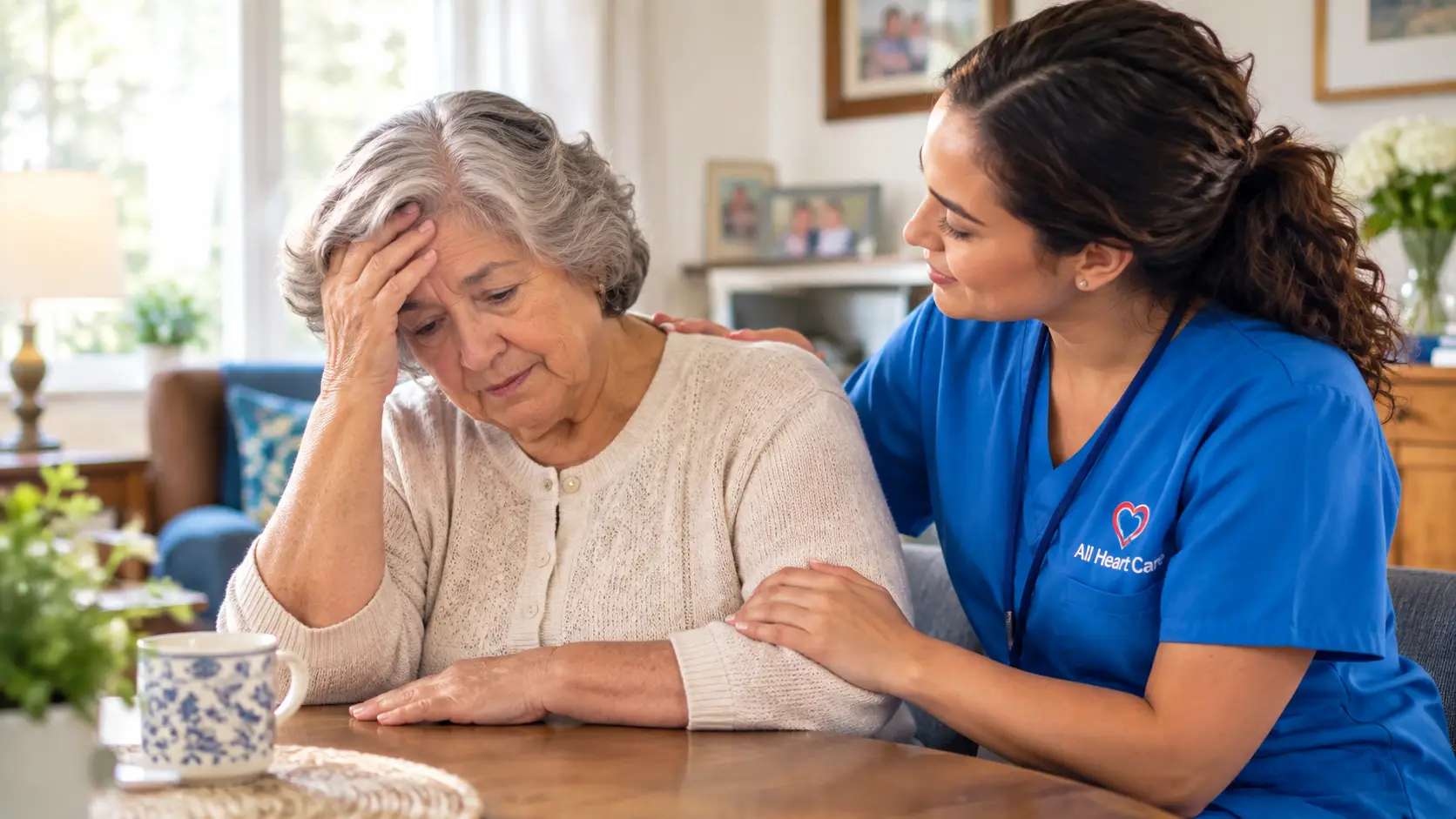
Anxiety often gets worse after dark. Nighttime brings quiet, fewer distractions, fear of falling, and, for some, the loneliness or disorientation of being alone.
Nighttime anxiety in seniors can be eased by a consistent bedtime routine, a comfortable and well-lit path to the bathroom, limiting caffeine and evening news, gentle breathing or relaxation before bed, and reassurance.
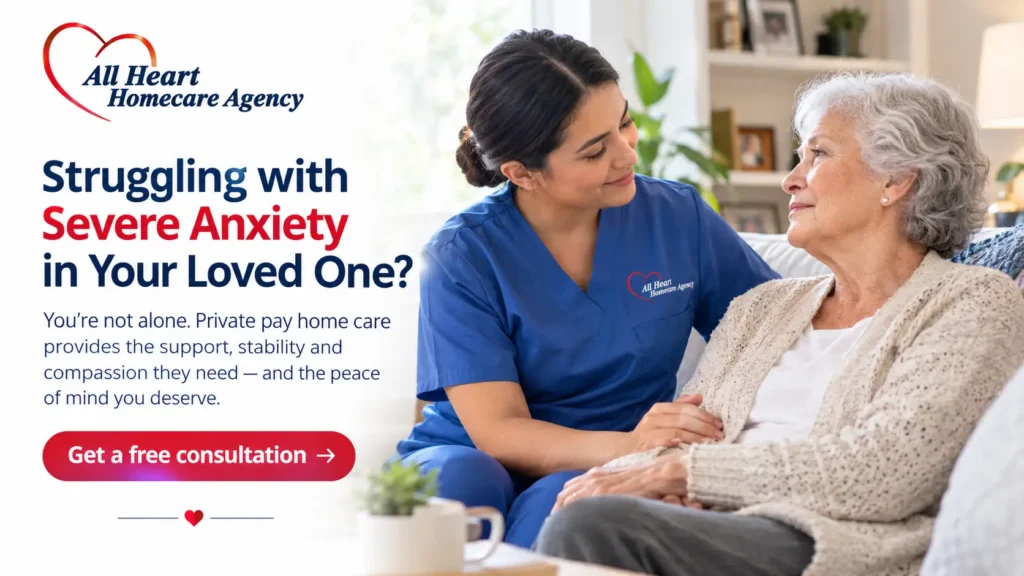
For seniors who feel unsafe or frightened alone overnight, overnight or 24-hour companionship provides the calming presence that often makes the biggest difference.
Does Anxiety Get Worse With Age?
Not necessarily. Contrary to a common belief, anxiety doesn’t automatically worsen with age: but late-life anxiety is common and frequently underdiagnosed. When anxiety does appear or intensify in older adults, it’s usually tied to specific causes: health problems, chronic pain, medications, grief and loss, or isolation, not aging itself.
The encouraging truth is that anxiety is treatable at any age, and addressing those underlying causes (including loneliness) often brings real relief. See our guide to the signs of loneliness in seniors.
Managing Anxiety Without Over-Medication
Many families understandably want to avoid over-relying on medication: especially given the risks benzodiazepines pose for seniors. The good news is that a great deal can be done through non-drug support: therapy, exercise, relaxation, connection, and a calm, predictable environment.
Consistent in-home care reinforces all of these every day, which can reduce the need for as-needed anxiety medication.
Read more in caring for the mind: mental health and homecare and the importance of mental health for elderly people.
How Home Care Supports Anxiety Treatment
A caregiver doesn’t replace a doctor or therapist but steady in-home support is a powerful complement to treatment:
- Calming companionship that eases loneliness and worry;
- A predictable daily routine that reduces uncertainty;
- Gentle encouragement toward walks, relaxation, and social contact;
- Help getting to therapy and support with telehealth sessions;
- Medication reminders and watchful reporting to family and doctors; and
- Overnight reassurance for anxiety that strikes at night.
Explore our senior companionship care and personal home care, and see the benefits of in-home care for seniors.
Anxiety and depression often occur together, see our companion guide, Home Care for Depression.
When to seek professional help
Severe or persistent anxiety needs a doctor’s care. Seek professional help if anxiety interferes with daily life, disrupts sleep, comes with depression or physical symptoms, or doesn’t improve. Effective treatment is available.
If a senior ever expresses thoughts of self-harm, hopelessness, or not wanting to go on, get help immediately: call or text 988 (the Suicide & Crisis Lifeline), available 24/7, or call 911 in an emergency.
Resources: the 988 Suicide & Crisis Lifeline and NIMH on anxiety disorders.
How to help an anxious loved one
- Take it seriously and listen. Reassure them without dismissing their fears.
- Encourage a doctor’s evaluation. A proper diagnosis rules out medical causes and opens up treatment.
- Build calming daily habits. Walks, breathing, routine, and less caffeine and news.
- Reduce isolation. Regular connection and companionship ease anxiety, especially at night.
- Bring in in-home support. A caregiver provides calm, consistency, and relief for the family. See our private pay home care.
The Bottom Line for New York Families
Severe anxiety in older adults is real, but it responds well to treatment: usually a blend of therapy, careful medication when needed, and calming daily habits. It’s never something a loved one simply has to endure.
Professional care leads the way, and alongside it, compassionate home care brings the connection, routine, and reassurance that quiet worry day to day and through the long nights. With the right support, your loved one can feel safe, calm, and cared for at home.
Let All Heart Homecare bring calm and companionship to your loved one.
Our caregivers provide reassuring daily and overnight support for anxious seniors across NYC: Brooklyn, Manhattan, the Bronx, Queens, and Staten Island, alongside their medical care. Reach out for a free, no-pressure conversation.
Contact All Heart Homecare Today
Frequently Asked Questions About How To Treat Anxiety in the Elderly
Does anxiety get better or worse with age?
It varies. Anxiety does not automatically worsen with age, but late-life anxiety is common and often underdiagnosed. New or worse anxiety in older adults is frequently tied to health problems, loss, isolation, or medications, rather than aging itself. With the right treatment, anxiety at any age can improve.
How do you calm anxiety in the elderly at night?
Calm nighttime anxiety with a consistent bedtime routine, a comfortable and well-lit path to the bathroom, limiting caffeine and evening news, gentle relaxation or breathing before bed, and reassurance. For seniors who feel afraid or unsafe alone at night, overnight or 24-hour companionship can provide the presence and security that ease anxiety.
What medications are used for anxiety in seniors?
Doctors typically prescribe SSRIs such as sertraline or citalopram for older adults, because they are safer and well-tolerated. Benzodiazepines like alprazolam may give quick relief but are generally avoided long-term in seniors, as they raise the risk of confusion, memory problems, and falls. Only a doctor should manage anxiety medication.
Can you treat anxiety without medication?
Often, yes, especially for milder anxiety. Cognitive Behavioral Therapy, regular exercise, relaxation techniques, social connection, and reducing triggers like caffeine and alcohol can significantly ease anxiety. Many older adults and families prefer to minimize medication, and in-home support helps make these non-drug approaches part of daily life.
What are natural remedies for anxiety in older adults?
Helpful non-drug approaches include daily walks and gentle movement, deep breathing and progressive muscle relaxation, staying socially connected, a steady sleep routine, and cutting back on caffeine and alcohol. Some people ask about supplements, but seniors should always check with a doctor first, since supplements can interact with medications.
When should an anxious senior see a doctor?
See a doctor when anxiety is severe, persistent, interferes with daily life, disrupts sleep, or comes with physical symptoms or depression. Professional treatment is important for severe anxiety. If a senior ever expresses thoughts of self-harm or hopelessness, seek help immediately by calling or texting the 988 Suicide and Crisis Lifeline.