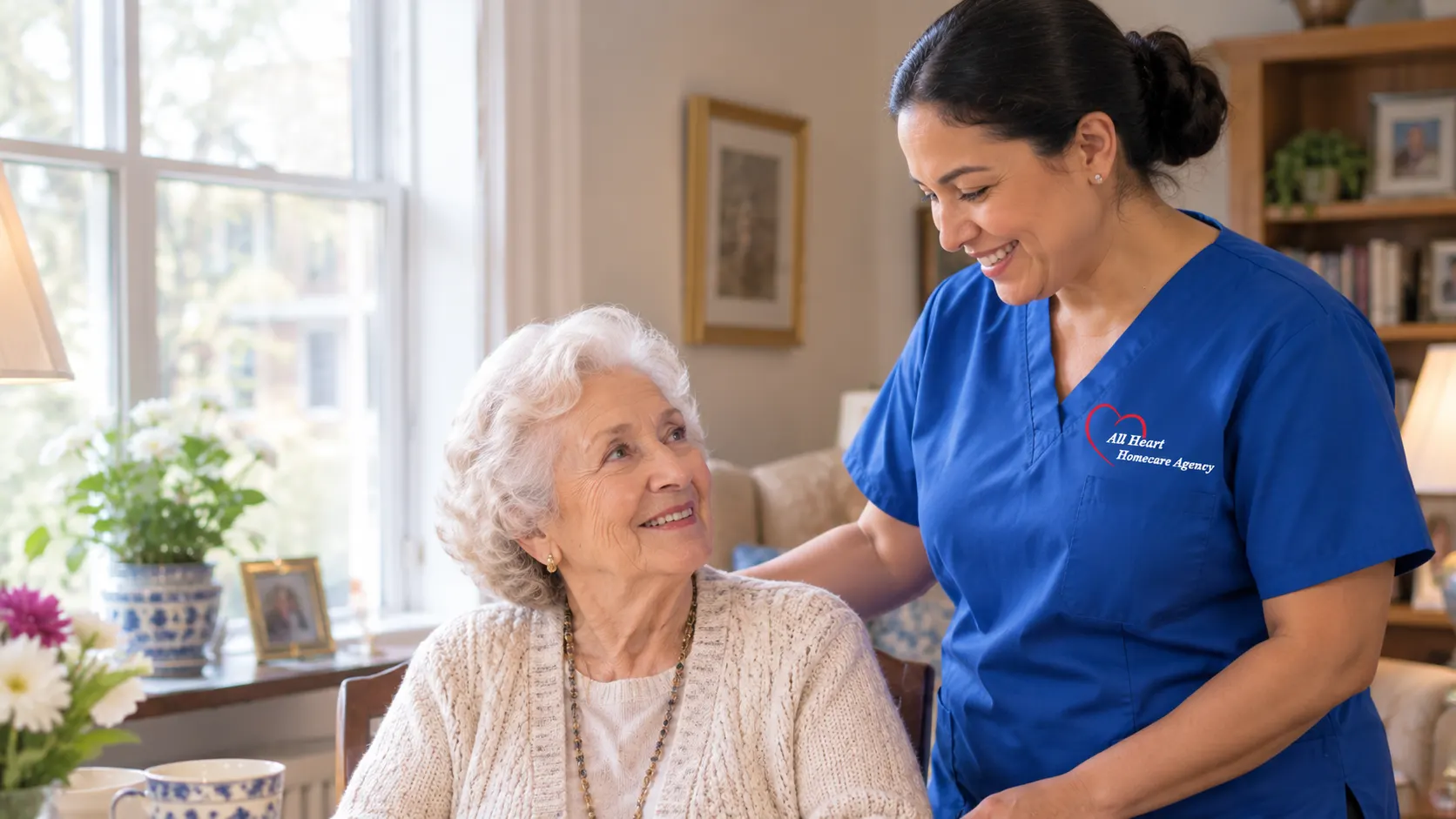
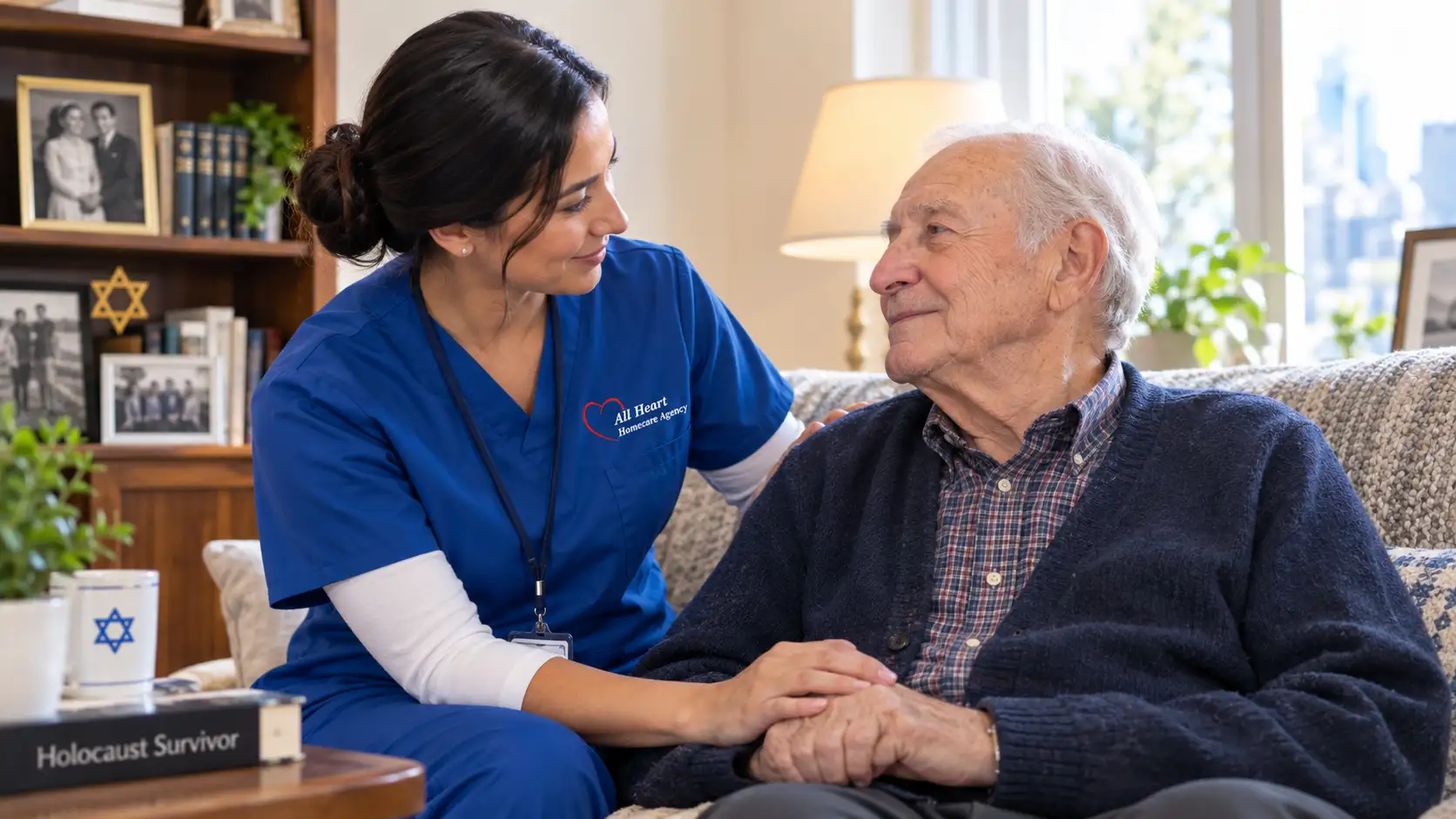
Home care for depression is in-home support that helps a senior manage the day-to-day effects of depression and anxiety through companionship, encouragement, a steady routine, help with meals and activity, and reducing isolation. It’s a powerful complement to professional treatment, but it isn’t a substitute: clinical depression in older adults needs a doctor’s care.
Depression and anxiety are not a normal part of aging; yet they’re common, frequently overlooked, and very treatable. As the days grow shorter heading into fall and winter, symptoms can worsen for many seniors.
This guide explains how to recognize depression in older adults, how in-home care and companionship help, the at-home strategies that make a difference, and when it’s time to seek professional help.
Key Takeaways
- Home care for depression supports a senior’s mental health through companionship, routine, and daily help; it complements professional treatment but doesn’t replace it.
- Depression in older adults is common but often missed because it can look like fatigue, memory problems, or physical complaints rather than obvious sadness.
- Watch for withdrawal, loss of interest, and neglected self-care or housework, letting cleaning slide can be a real sign of depression.
- Anxiety disorders are common in seniors too, often alongside depression, and both are treatable.
- Companionship is powerful. Reducing loneliness and isolation is one of the most effective forms of support.
- Get professional help if symptoms last more than two weeks or worsen. For any risk of self-harm, call or text 988 right away.
Depression in Older Adults: Why It’s Often Missed
Depression affects millions of older adults, but it frequently goes undetected. In seniors, it often doesn’t look like classic sadness, instead it can show up as fatigue, memory or concentration problems, irritability, or unexplained physical aches.
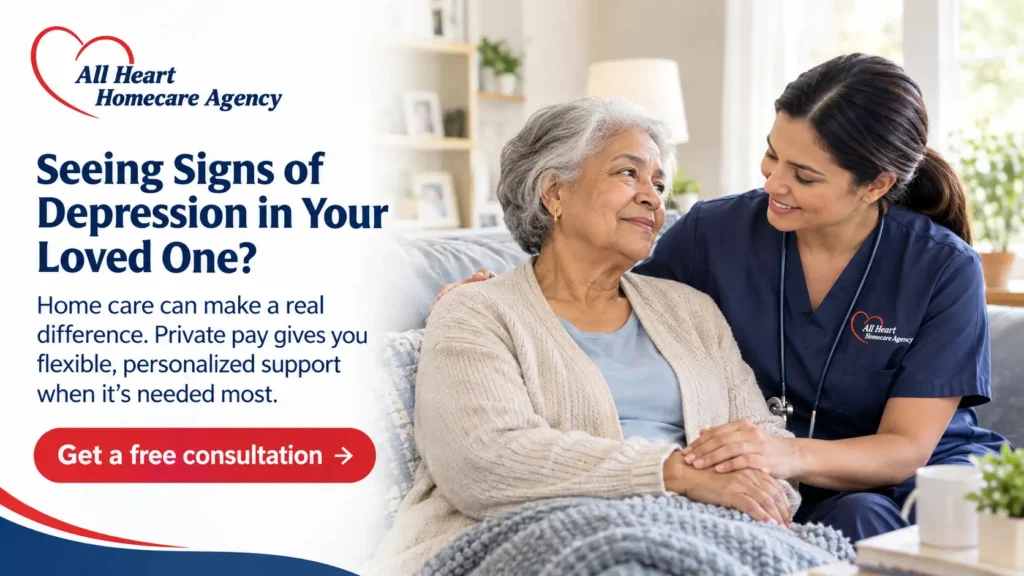
Loss (of a spouse, health, or independence), isolation, and chronic illness all raise the risk. Because these signs are easy to dismiss as “just getting older,” depression in older adults is often missed and untreated.
Learn more from the National Institute on Aging on depression in older adults, and see our glossary entry on geriatric depression.
Recognizing the signs of depression in seniors
Common Depression Signs To Watch For
- Persistent sadness, emptiness, or hopelessness;
- Loss of interest in activities they used to enjoy;
- Withdrawal from friends and family;
- Changes in sleep or appetite, or unexplained weight loss;
- Fatigue, aches, or trouble concentrating; and
- Neglecting self-care, hygiene, or housework.
Is Not Cleaning a Sign of Depression?
Yes; it can be. When a normally tidy person stops cleaning, bathing, or keeping up their home, it’s often a red flag. Depression drains energy and motivation, so everyday tasks that once felt automatic can start to feel impossible.
A cluttered or neglected home, skipped showers, or piled-up dishes in a senior who used to keep things in order deserve a gentle check-in and possibly a professional evaluation.
Anxiety Disorders in Seniors
Depression rarely travels alone. Anxiety disorders are also common in older adults and frequently occur alongside depression. In seniors, anxiety may appear as excessive worry, restlessness, difficulty sleeping, or physical symptoms like a racing heart, dizziness, or stomach trouble.
It can be triggered by health scares, isolation, or major life changes and, like depression, it’s very treatable with the right support and professional care.
How Home Care Supports Seniors With Depression and Anxiety
A caregiver won’t replace a therapist or doctor but consistent, compassionate in-home support is one of the most effective ways to lift a senior’s daily well-being:
- Companionship: regular, meaningful human connection that eases loneliness;
- Routine: a steady daily structure that stabilizes mood;
- Encouragement: gentle nudges toward activity, meals, and small goals;
- Practical help: taking overwhelming tasks off their plate;
- Watchfulness: noticing warning signs and keeping family informed; and
- Reliable transportation to medical and therapy appointments.
Explore our senior companionship care and read more in caring for the mind: mental health and homecare.
At-Home Strategies That Help
Alongside professional care, these evidence-based habits genuinely support mood — and a caregiver can help make each one happen:
- Regular physical activity: even a short daily walk boosts mood-enhancing endorphins; see effective exercises for seniors;
- A steady sleep routine: consistent bed and wake times help balance energy and mood;
- A healthy diet: balanced, regular meals; limit processed foods, sugar, and alcohol. See making good nutrition easy for seniors;
- Staying connected: reaching out to trusted people instead of isolating;
- Small, achievable steps: one tiny goal at a time, like getting dressed or a short walk; and
- Mindfulness: gentle breathing, meditation, or light stretching to calm the nervous system.
The Power of Companionship: Fighting Loneliness and Isolation
Loneliness is one of the biggest drivers of depression in older adults and one of the most fixable. Simply having someone to talk to, share a meal with, and share the day with can transform a senior’s outlook.
Companion care provides that steady presence, along with encouragement to stay socially and physically engaged.
Learn to spot the warning signs in our guide to the signs of loneliness in seniors.
The Seasonal Connection: Fall and Winter Blues
There’s a reason this matters right now. As daylight shrinks in fall and winter, many seniors experience seasonal affective disorder (SAD) or a worsening of existing depression, driven by less sunlight, colder weather, more time indoors, and greater isolation.
Shorter days can deepen loneliness for someone already at risk. Extra companionship, light exposure, activity, and connection during these months make a real difference. See our guide to preventing seasonal depression in seniors.
When to seek professional help
At-home support helps, but it is not a cure for clinical depression. If symptoms last longer than two weeks, worsen, or interfere with daily life, talk to a doctor, professional treatment like therapy (such as Cognitive Behavioral Therapy) or medication is often needed and works.
If a senior expresses thoughts of self-harm, hopelessness, or not wanting to go on, get help immediately: call or text 988 (the Suicide & Crisis Lifeline), available 24/7, or call 911 in an emergency.
Learn more from the National Institute of Mental Health and the 988 Suicide & Crisis Lifeline. Our post on the importance of mental health for elderly people has more.
How to help a loved one with depression
- Talk gently and listen. Let them know you’ve noticed and you care, without judgment.
- Encourage a doctor’s visit. Frame it as caring for their whole health; offer to go with them.
- Support small daily wins. A short walk, a shared meal, getting dressed, tiny steps add up.
- Reduce isolation. Build in regular connection, family visits and companion care.
Get in-home support.
A caregiver provides consistency and relieves the family. See the benefits of in-home care for seniors and our personal home care.
The Bottom Line for New York Families
Depression and anxiety in seniors are common, serious, and, importantly, treatable. No one should face them alone. Professional medical care is essential for clinical depression, and alongside it, compassionate home care does something quietly powerful: it brings connection, routine, and daily encouragement into a loved one’s life, easing the loneliness that so often fuels depression.
Especially as the darker months arrive, that steady, caring presence can make all the difference.
Let All Heart Homecare bring warmth and connection into your loved one’s day.
Our compassionate caregivers provide companionship and daily support for seniors across NYC: Brooklyn, Manhattan, the Bronx, Queens, and Staten Island, easing loneliness and lifting spirits alongside professional care. Reach out for a free, no-pressure conversation.
Contact All Heart Homecare Today.
Frequently Asked Questions About Home Care for Depression
How does home care help seniors with depression?
Caregivers help by providing regular companionship and reducing isolation, encouraging gentle activity and healthy meals, supporting a consistent sleep routine, helping with overwhelming daily tasks, watching for warning signs, and making sure a senior gets to medical and therapy appointments. This steady support meaningfully improves mood and quality of life.
What are the signs of depression in older adults?
Signs include persistent sadness or emptiness, loss of interest in activities, fatigue, changes in sleep or appetite, withdrawal from others, neglecting self-care or housework, unexplained aches, irritability, and trouble concentrating. In seniors, depression can look like memory problems or physical complaints rather than obvious sadness.
Do seniors get anxiety disorders?
Yes. Anxiety disorders are common in older adults and often occur alongside depression. They may show up as excessive worry, restlessness, sleep problems, or physical symptoms like a racing heart. Anxiety in seniors is treatable, and both companionship-based support and professional care can help.
What should you do if a senior is too depressed to get out of bed?
Be gentle and patient, help them with one tiny step at a time, ensure they eat and stay hydrated, and encourage small routines. Most importantly, contact their doctor, because being unable to get out of bed signals depression that needs professional treatment. If there is any risk of self-harm, call or text 988 immediately.
When should a depressed senior see a doctor?
See a doctor if symptoms last longer than two weeks, worsen, or interfere with daily life. At-home support helps, but clinical depression often needs professional treatment such as therapy or medication. If a senior expresses thoughts of self-harm or hopelessness, seek help right away by calling or texting the 988 Suicide and Crisis Lifeline.