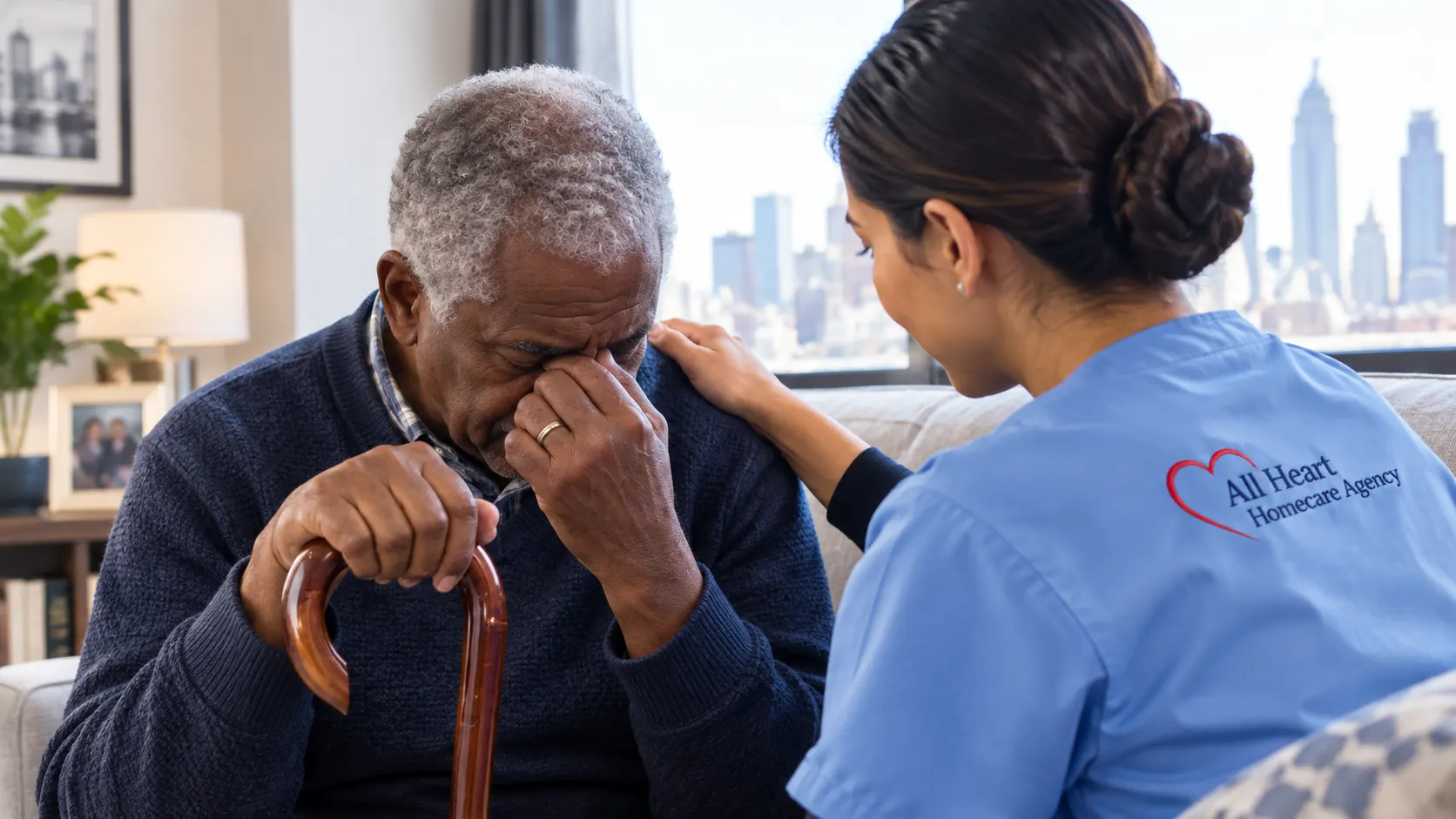

The core difference: a family caregiver is typically an unpaid relative who provides daily personal support and companionship, while a home health aide (HHA) is a trained, certified professional hired to provide personal care plus basic clinical tasks under a nurse’s or doctor’s supervision.
One brings love and familiarity; the other brings training, certification, and consistency; and together, they work best.
If you’re a family member caring for an aging loved one, you’re doing one of the hardest and most loving jobs there is. This guide explains how a family caregiver and a professional home health aide differ, the real toll caregiving can take, and how bringing in a trained aide — through flexible private-pay home care- can protect both your loved one and yourself.
Key Takeaways
- A family caregiver is usually an unpaid relative who provides daily help and companionship, with no formal training required.
- A home health aide (HHA) is a trained, certified professional who provides personal care plus basic clinical tasks under supervision.
- It’s not either/or. The best arrangement often combines a devoted family caregiver with a professional aide who brings training, consistency, and relief.
- Family caregiving takes a real toll: burnout, stress, and even trauma symptoms are common without support.
- A professional HHA relieves the family with expert, hands-on care so relatives can get back to simply being family.
- Private pay is the most flexible way to hire a trained aide: start immediately, choose the hours, no eligibility wait.
Family Caregiver vs. Home Health Aide: The Core Difference
Both provide care at home, but the difference comes down to training, tasks, and support. A family caregiver steps in out of love, usually with no formal training, doing whatever their loved one needs.
A home health aide is a professional, trained, certified, and supervised individual who can handle both personal care and basic health-related tasks safely and consistently. The best care plans combine both.
What Is a Family Caregiver?
A family caregiver is a relative or close friend who provides care, usually unpaid:
- Training: no formal certification or medical training required;
- Tasks: daily living help, cooking, cleaning, dressing, errands, and companionship services;
- Payment: typically unpaid; and
- Setting: always in the family or private home.
Family caregivers are the backbone of senior care in this country: devoted, irreplaceable, and often stretched to their limit.
What Is a Home Health Aide (HHA)?
A home health aide is a trained, certified professional:
- Training: must complete state-approved training and pass a competency exam;
- Tasks: personal care plus basic clinical duties like taking vital signs, assisting with wound care, and helping with medical equipment;
- Payment: through private pay, long-term care insurance, or Medicaid/Medicare when skilled care is prescribed; and
- Setting: private homes or facilities, under clinical supervision.
See what a great aide looks like in our home health aide in NYC service and the 5 qualities of a home health aide.
Family Caregiver vs. Home Health Aide: Side-By-Side
Here’s the comparison at a glance:
| Factor | Family Caregiver | Home Health Aide |
| Training | None required | State-approved training + exam |
| Tasks | Daily living & companionship | Personal care + basic clinical |
| Supervision | On their own | Under nurse/doctor oversight |
| Payment | Usually unpaid | Private pay, insurance, Medicaid |
| Consistency | Limited by their own life | Scheduled, reliable, backed by an agency |
| Emotional role | Family bond | Professional support & relief |
The Hidden Cost of Family Caregiving: Burnout
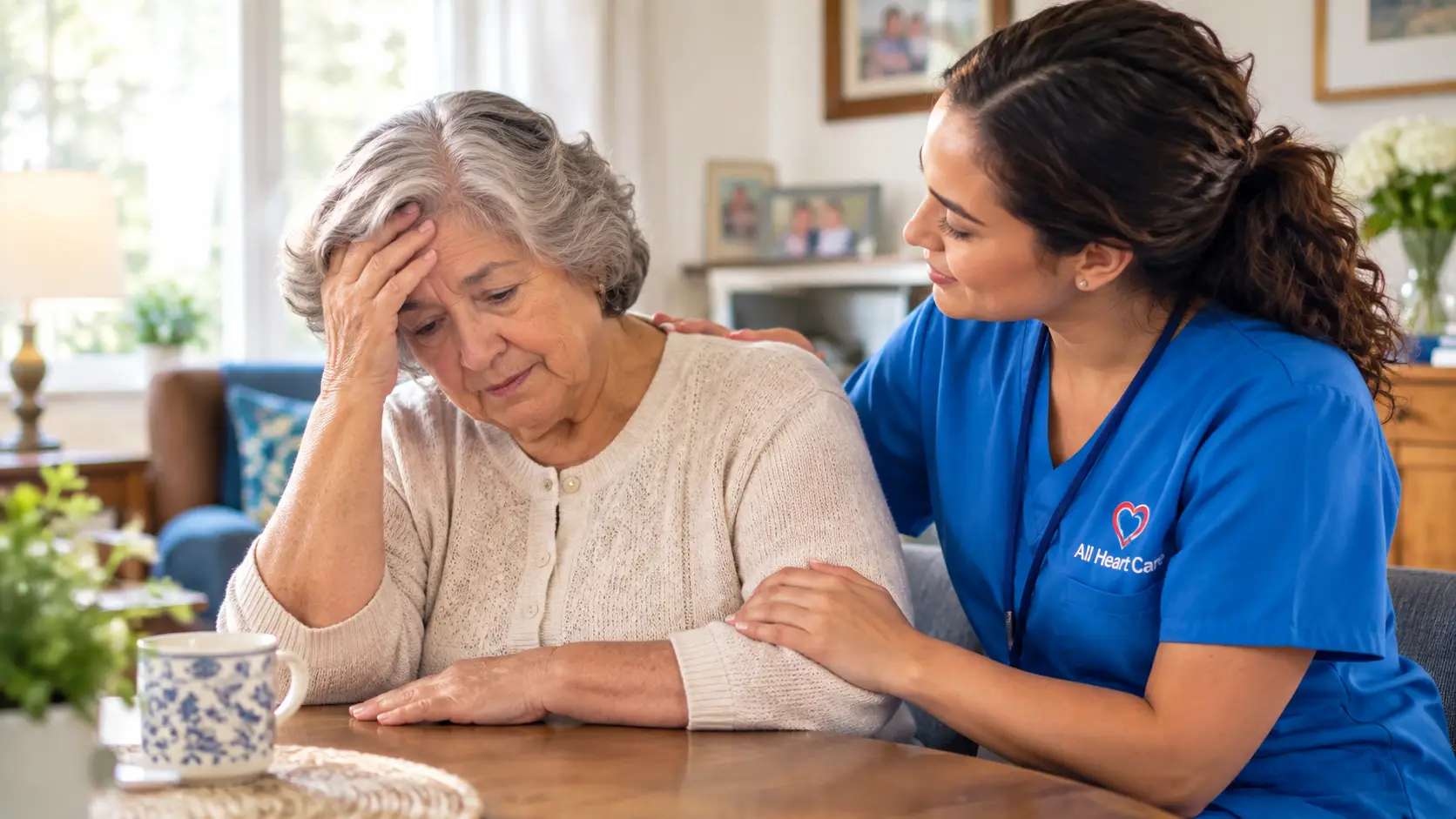
Caring for a loved one is deeply meaningful, but it’s also relentless, and the toll is real. Long-term family caregivers face high rates of burnout, stress, anxiety, and depression, and in severe cases, even trauma-related symptoms.
Neglecting your own health doesn’t help anyone.
Recognizing the strain and getting support is a sign of strength, not failure.
Our guides on caregiver burnout and resilience, and managing stress for caregivers, can help.
PCA vs. HHA: What’s the Difference?
You may also see the term Personal Care Aide (PCA). The difference: a PCA helps with daily living tasks (bathing, dressing, meals), while an HHA does all of that plus basic health-related tasks like taking vital signs, under supervision.
For non-medical help, a PCA may be enough; when there are health needs, an HHA offers more. A good agency matches the right level of aide to your loved one’s needs.
You don’t have to choose: combine family love with professional help
The most common misconception is that it’s either family caregivers or professional aides. In reality, the best care usually blends both:
- The family provides love, advocacy, and the relationship no one else can;
- A professional HHA handles the demanding hands-on care with training and consistency; and
- Everyone benefits — the loved one gets safer, expert care, and the family avoids burnout.
A professional aide can start with a few hours a week for respite and scale up to daily or around-the-clock care as needs grow.
How All Heart Homecare Helps
All Heart Homecare provides trained, screened, and supervised home health aides through flexible private-pay home care– the most flexible way to get professional help: care starts quickly, you choose the hours, and there’s no eligibility wait.
Whether you need a few hours of respite so you can breathe or full daily support, our aides bring the expertise and consistency that protect your loved one and relieve you.
Learn more about the benefits of in-home care for seniors, and if respite is your priority, see Does Medicare Cover Respite Care?.
Common Questions: Types of Caregivers and Caregiver Programs
Two questions families often ask:
- What are the two types of caregivers? Informal (unpaid family or friends) and formal (trained, paid professionals like HHAs and PCAs). Most families end up using both
- Are there family caregiver programs? Some states run programs that support or pay family caregivers, and eligibility varies widely by state. If you’d rather bring in a professional aide, private-pay home care is available to everyone with no eligibility hurdles.
How to get professional help at home
- Assess the need. Non-medical daily help, health-related tasks, or both — and how many hours.
- Decide PCA vs. HHA. A good agency will recommend the right level of aide.
- Choose private pay to start fast. It begins immediately, with full choice of hours and aide. See How to Pay for Private Home Care in NYC;
- Protect yourself with respite. Even a few hours a week helps prevent burnout.
Get a professional care assessment. All Heart Homecare will match a trained aide to your family. Contact us.
The Bottom Line for New York Families
A family caregiver and a home health aide aren’t rivals; they’re partners. No one can replace the love and advocacy a family provides, and no family should have to carry the full weight of hands-on care alone. A trained, professional aide brings the expertise, safety, and consistency that protect your loved one, while giving you the relief to stay healthy and present.
For most families, private-pay home care is the simplest, most flexible way to bring that help home.
Let All Heart Homecare support you and your loved one.
Our trained home health aides serve families across NYC: Brooklyn, Manhattan, the Bronx, Queens, and Staten Island, with flexible private-pay home care that lightens your load and keeps your loved one safe. Reach out for a free, no-pressure conversation.
Contact All Heart Homecare Today.
Frequently Asked Questions About Family Caregiver vs. Home Health Aide
What is the difference between a family caregiver and a home health aide?
A family caregiver is usually an unpaid relative who provides daily personal support and companionship at home, with no formal training required. A home health aide (HHA) is a trained, certified professional hired to provide personal care plus basic clinical tasks under a nurse’s or doctor’s supervision.
Which is better, a PCA or an HHA?
It depends on the level of care needed. A Personal Care Aide (PCA) helps with daily living tasks like bathing, dressing, and meals. A Home Health Aide (HHA) does all of that plus basic health-related tasks, such as taking vital signs, under supervision. For medical needs, an HHA offers more; for non-medical help, a PCA may be enough.
What are the two types of caregivers?
The two main types are informal caregivers (usually unpaid family members or friends) and formal caregivers (trained, paid professionals such as home health aides and personal care aides). Many families use both, with a professional aide supporting and relieving the family caregiver.
Is a home health aide better than a family caregiver?
They serve different roles; neither is better than the other. Family caregivers provide love, familiarity, and dedication, while home health aides bring training, certification, and consistency. The strongest arrangement usually combines both: a professional aide handling hands-on care so family can focus on being family.
Can caregiving lead to burnout or PTSD?
Yes. Long-term family caregiving is linked to burnout, depression, anxiety, and in severe cases, trauma-related symptoms. The physical and emotional toll is real. Bringing in a professional home health aide for regular help and respite is one of the most effective ways to protect a family caregiver’s health.
How do I get a professional home health aide?
Contact a licensed home care agency, which screens, trains, and supervises its aides. The agency assesses your loved one’s needs, matches an aide, and arranges the schedule. Private pay lets you start quickly with full choice of the agency and hours, and a good agency handles the rest.
Can you pay for a home health aide privately?
Yes. Private pay is the most flexible way to hire a home health aide — care can start immediately with no eligibility wait, and you choose the agency, the aide, and the hours, from a few hours a day to around-the-clock. Long-term care insurance and Medicaid can also help those who qualify.