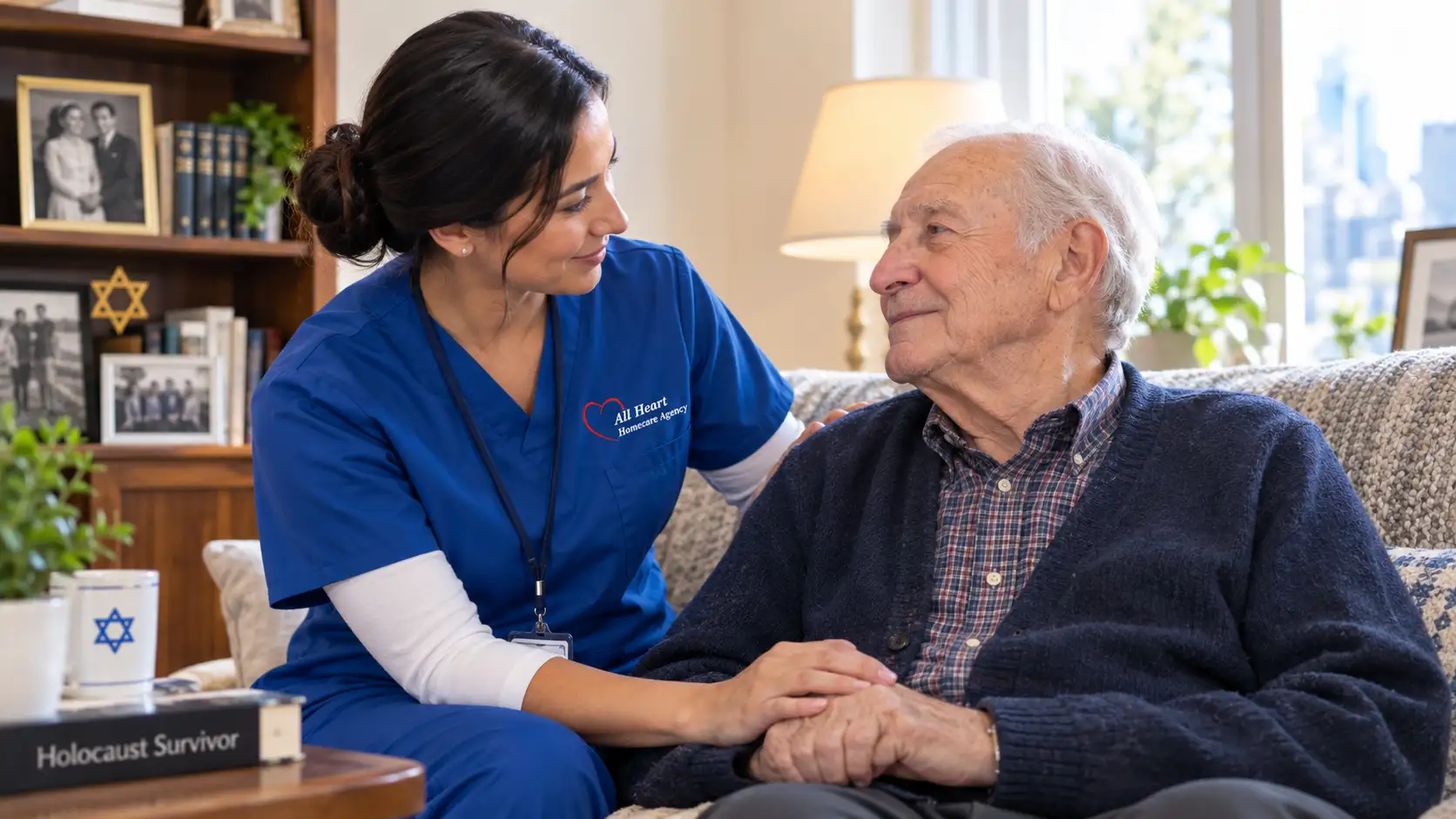

The core difference: a hospital provides short-term, intensive treatment for acute illnesses, injuries, and emergencies, while a nursing home provides long-term daily living support and ongoing custodial or chronic care. A hospital is where you go to be treated and stabilized; a nursing home is where some people go for ongoing, everyday care, though it’s far from the only option.
Families usually search “nursing home vs. hospital” at a stressful moment, often when a loved one is being discharged, and they’re deciding what comes next.
This 2026 guide explains the differences clearly, walks through what happens after a hospital stay, and shows why, for long-term needs, private-pay home care is often the better choice than a nursing home.
Key Takeaways
- A hospital provides short-term, intensive treatment for acute illness, injury, and emergencies, with constant medical oversight.
- A nursing home provides long-term daily living support and ongoing custodial or chronic care in a residential setting.
- Different purposes: hospitals treat and stabilize; nursing homes provide ongoing everyday care.
- Medicare covers hospital stays and up to 100 days of skilled nursing after a qualifying hospital stay, but not long-term nursing home care.
- A nursing home isn’t the only option after a hospital stay: many people recover safely at home.
- The better long-term choice for many families: private-pay home care, one-on-one support at home, often at a lower cost than a nursing home.
Nursing Home vs. Hospital: The Core Difference
The simplest way to think about it: a hospital solves an acute problem- a sudden illness, injury, surgery, or emergency- with intensive medical care over days or weeks.
A nursing home addresses chronic, ongoing needs, daily help with activities like bathing and eating, plus management of long-term conditions, over months or as permanent residency. One is temporary and clinical; the other is long-term and residential.
What Is a Hospital?
A hospital delivers acute, short-term medical care:
- Purpose: diagnose and treat sudden, severe conditions through surgery, emergency care, and intensive treatment;
- Length of stay: short and temporary; days or weeks, until the patient is stable;
- Environment: clinical, fast-paced inpatient setting with constant oversight; and
- Staffing: attending physicians and specialized nurses with low patient-to-staff ratios for critical care.
What Is a Nursing Home?
A nursing home provides long-term daily care in a residential setting:
- Purpose: help with daily activities (bathing, dressing, eating) and management of chronic conditions over time;
- Length of stay: long-term or permanent residency;
- Environment: a more home-like, community setting; and
- Staffing: licensed nurses and care staff supporting a higher number of stable residents per shift.
For payment specifics, see Does Medicare Cover Nursing Home Care? and How to Pay for Nursing Home Care.
Nursing Home vs. Hospital: Side-By-Side
Here’s the comparison at a glance:
| Factor | Hospital | Nursing Home |
| Purpose | Treat acute illness/injury | Long-term daily & chronic care |
| Length of stay | Short (days–weeks) | Long-term or permanent |
| Environment | Clinical, inpatient | Residential, home-like |
| Staffing | Physicians, low patient ratio | Nurses & aides, more residents |
| Admission | Emergency or scheduled surgery | Long-term care assessment |
| Focus | Cure & stabilize | Ongoing everyday support |
What Happens After a Hospital Stay?
This is the moment most families face. When a loved one is discharged but still needs care, the hospital may suggest a skilled nursing facility (short-term rehab, which Medicare covers up to 100 days after a qualifying stay) or a longer nursing home placement.
But there’s a third path families are often not told about clearly: going home with support. Many patients recover better at home; see our home care after hospital discharge guide and post-surgery home care guide.
The Better Alternative to a Nursing Home: Private-Pay Home Care
For long-term, everyday care, a nursing home is only one option and often not the best one.
Private-pay home care delivers the same daily support (help with bathing, dressing, meals, mobility, and supervision) in your loved one’s own home, with advantages a facility can’t match:
- One-on-one attention instead of care shared among many residents;
- Familiar surroundings and their own routine;
- Flexible, hourly cost: often less than a nursing home, since you pay only for the care you need; and
- Care that scales from a few hours a day to around-the-clock (24-hour) care.
Explore private pay home care, compare settings in Home Care vs. Nursing Home Care, and learn about New York’s Nursing Home Transition & Diversion program, which helps seniors stay home.
Home Care After a Hospital Stay: Preventing Readmission
The weeks right after discharge are high-risk: many hospital readmissions happen because patients don’t have enough support at home.
In-home care bridges that gap: caregivers help with recovery, personal care, medications, and safety, catching problems early.
It’s one of the most effective ways to keep a loved one from ending up back in the hospital or in a nursing home.
See our home health care services and the benefits of in-home care for seniors.
Common Questions: Medicare and Nursing Home Downsides
Two questions families ask most:
- How long will Medicare let you stay in a nursing home? Up to 100 days of skilled care per benefit period after a qualifying hospital stay (see the Medicare skilled nursing facility page), not long-term care
- What are the disadvantages of a nursing home? Leaving home and community, shared rooms, less one-on-one attention, high cost, and loss of independence- the very things home care avoids. You can also check any facility’s ratings on Medicare’s Care Compare.
How To Decide
- Understand the current need. Acute medical crisis means hospital; ongoing daily care means long-term support at home or in a facility.
- Use Medicare’s skilled benefit after discharge. Short-term rehab (at home or in an SNF) may be covered.
- Compare a nursing home to home care. Weigh cost, one-on-one attention, and quality of life.
- Consider going home first. With the right support, many people recover and live safely at home.
Get a professional care assessment.
All Heart Homecare will help you plan the transition. See Home Care Costs in 2026.
The Bottom Line for New York Families
A hospital and a nursing home answer very different questions: one treats an acute crisis, the other provides long-term daily care.
But when a loved one is discharged and needs ongoing help, a nursing home isn’t the only, or usually the best, answer.
Private-pay home care lets them recover and live at home with one-on-one support, often for less than a facility, while lowering the risk of another hospital trip. Before choosing a nursing home, ask whether home is the better place to heal.
Let All Heart Homecare bring your loved one home, safely.
From hospital-discharge recovery to long-term daily support, our caregivers help families across NYC, Brooklyn, Manhattan, the Bronx, Queens, and Staten Island avoid unnecessary facility stays with flexible, one-on-one home care. Reach out for a free, no-pressure conversation.
Contact All Heart Homecare Today
Frequently Asked Questions
What is the difference between a nursing home and a hospital?
A hospital provides short-term, intensive treatment for acute illnesses, injuries, and emergencies, with constant medical oversight. A nursing home provides long-term daily living support and ongoing custodial or chronic care in a residential setting. Hospitals treat and stabilize; nursing homes provide ongoing everyday care.
Which is better, a nursing home or a hospital?
Neither is ‘better’, they serve different needs. A hospital is for acute, short-term medical treatment; a nursing home is for long-term daily care. For long-term needs, though, many families find private-pay home care a better option than a nursing home, keeping a loved one at home with one-on-one support.
How long will Medicare let you stay in a nursing home?
Medicare covers up to 100 days in a skilled nursing facility per benefit period after a qualifying hospital stay, when daily skilled care is needed; days 1 to 20 in full and days 21 to 100 with coinsurance. It does not cover long-term or custodial nursing home care beyond that.
What are the disadvantages of a nursing home?
Nursing home downsides include leaving home and community, shared rooms and standardized routines, less one-on-one attention with higher resident-to-staff ratios, high long-term cost, and loss of independence. Many families avoid these by choosing private-pay home care instead, keeping a loved one at home.
Is a nursing home the only option after a hospital stay?
No. After a hospital stay, many patients can recover at home with home health care and private-pay home care instead of going to a nursing home. In-home support helps with recovery, personal care, and safety, and can reduce the risk of a hospital readmission.
Can you get care at home instead of a nursing home?
Yes. Private-pay home care provides daily help and supervision at home, from a few hours a day to 24-hour care, so many seniors who would otherwise enter a nursing home can stay home with one-on-one support, often at a lower cost.