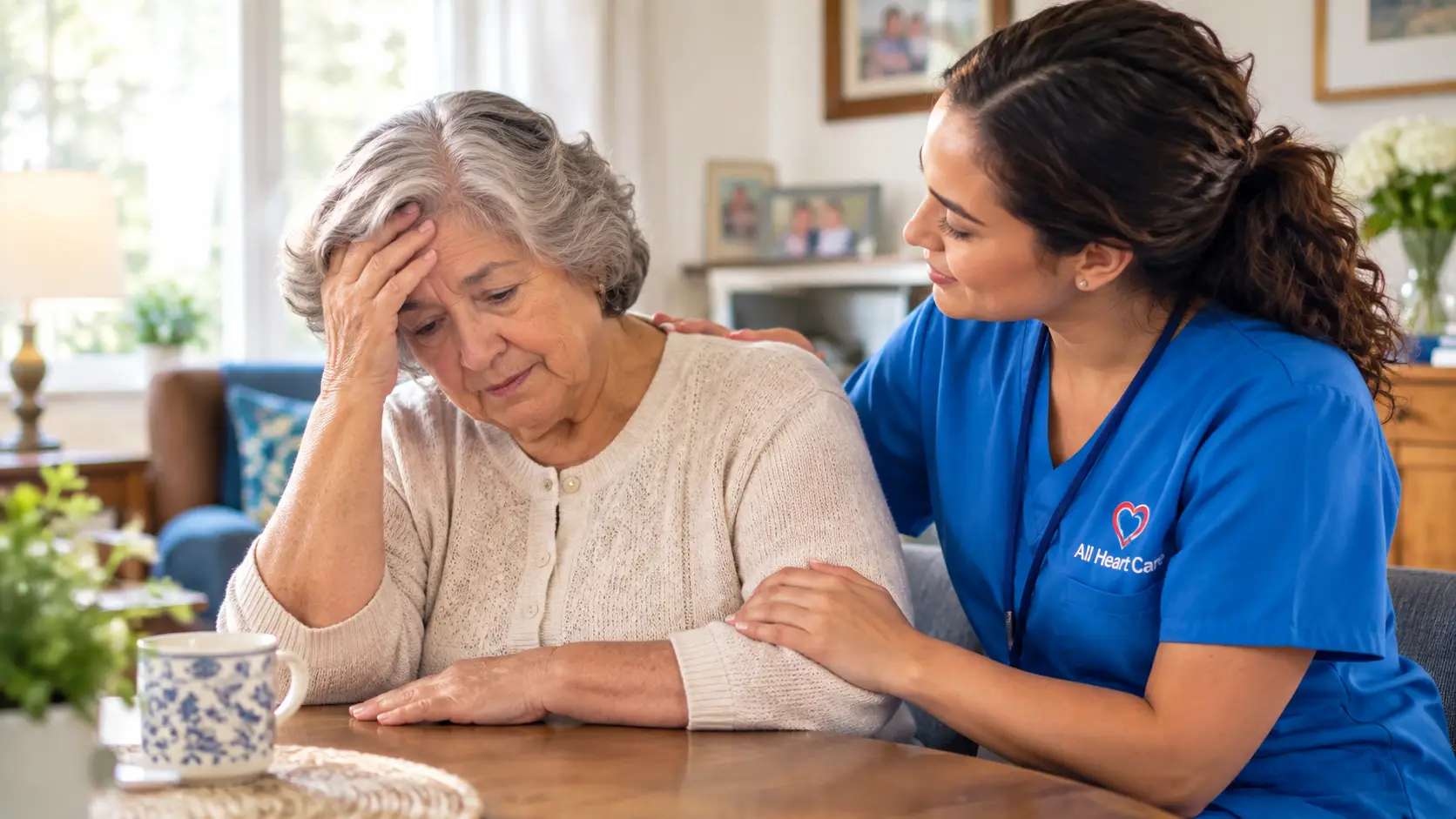
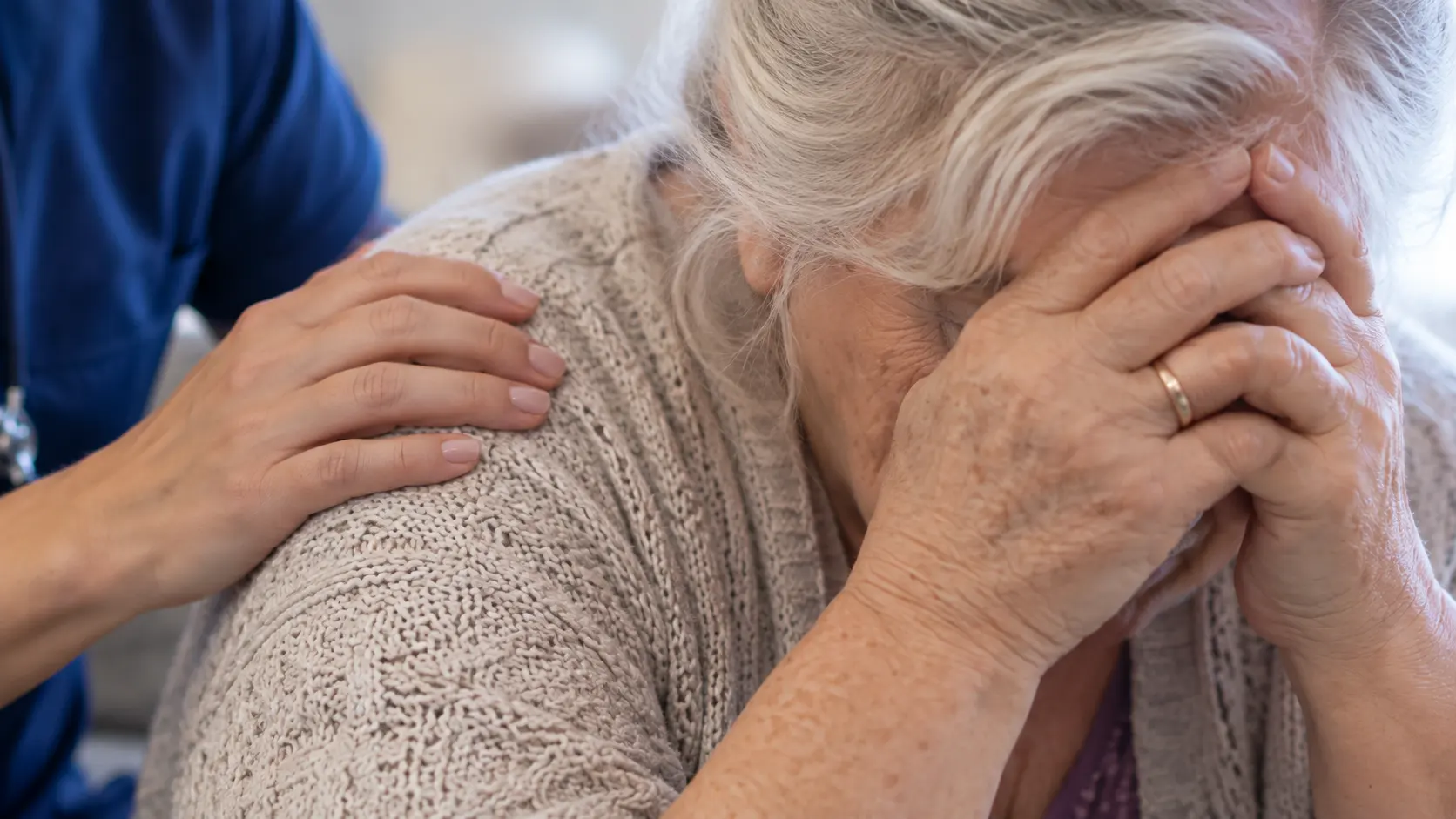
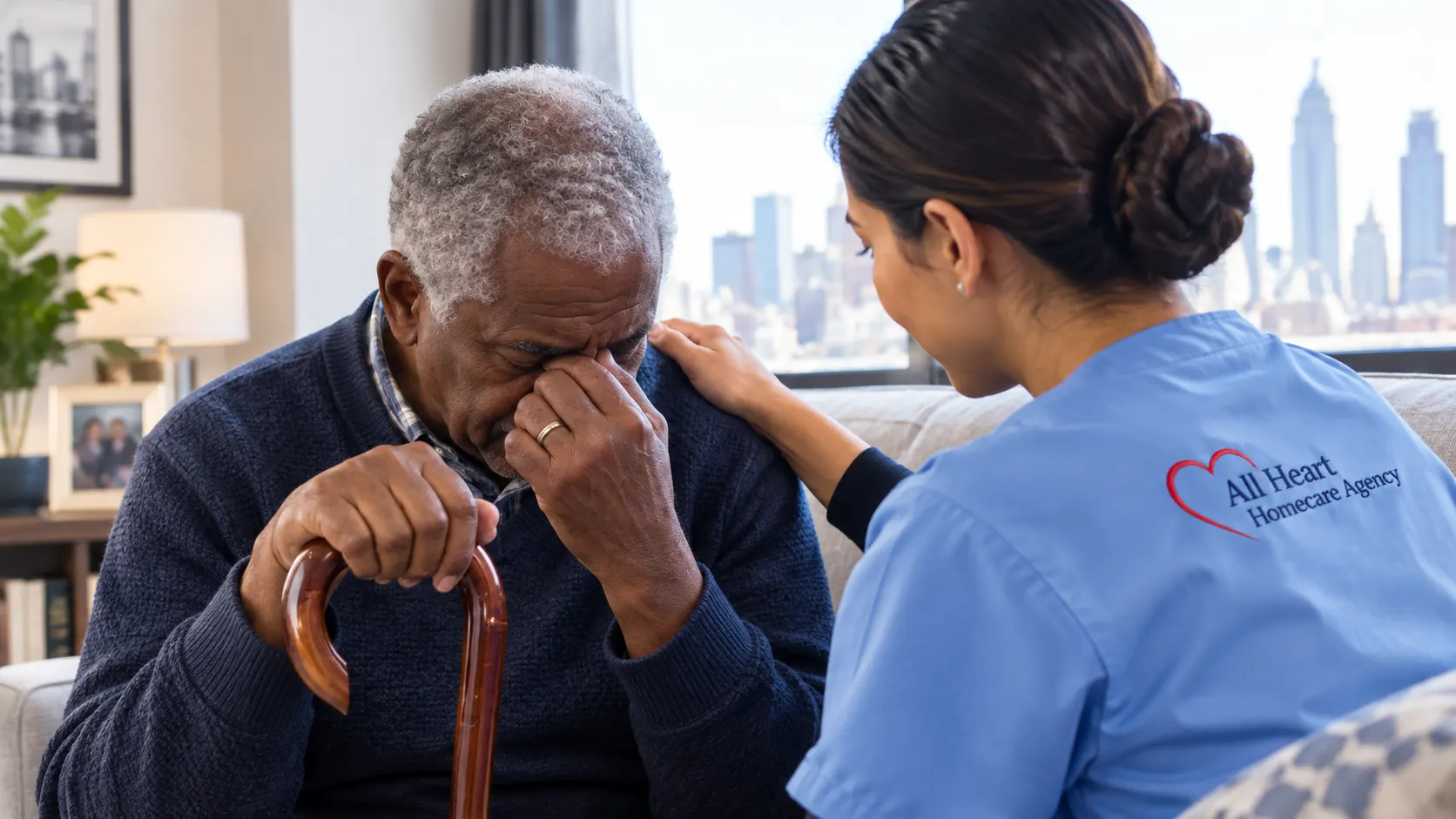
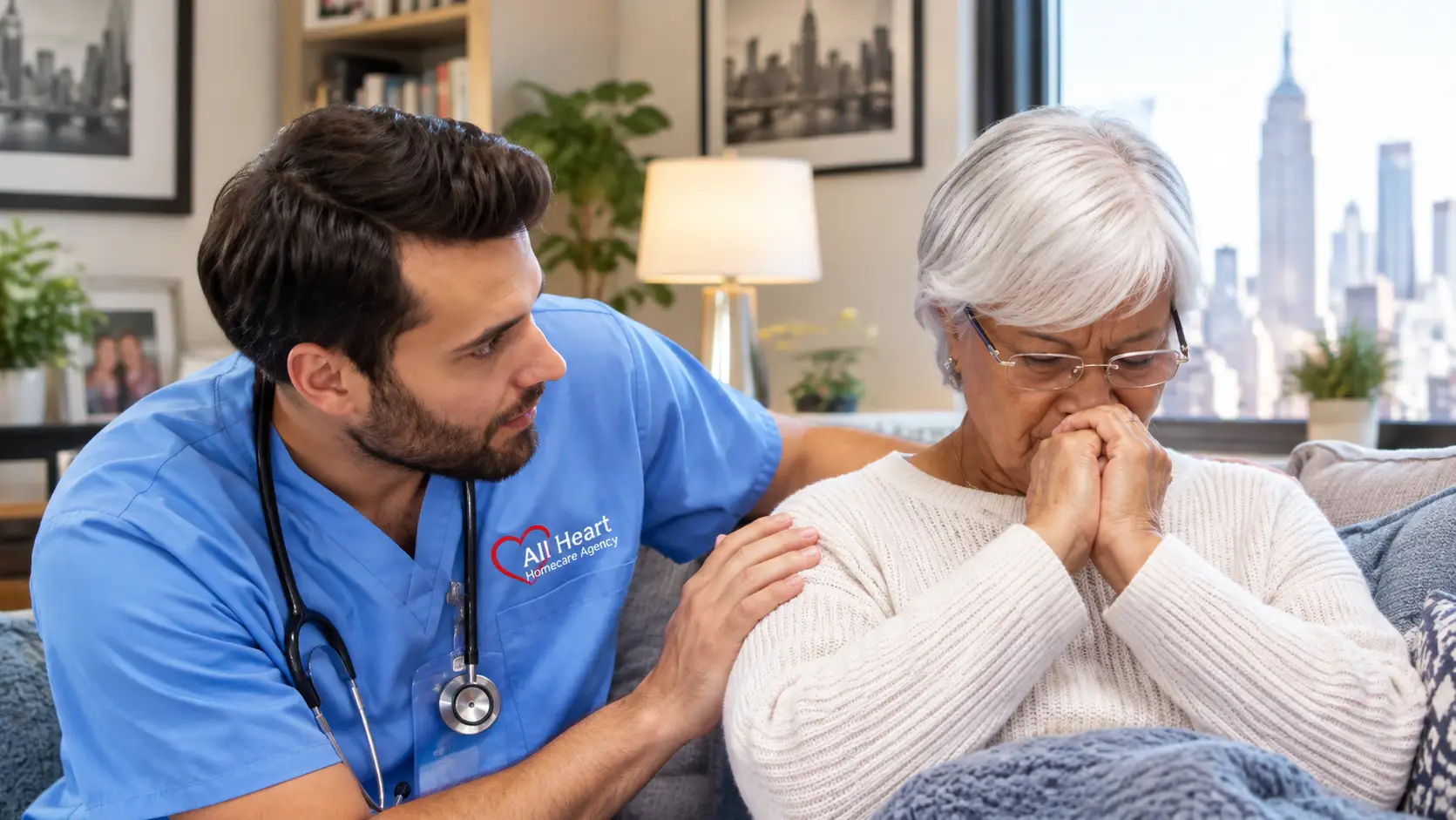
Feeling depressed after open heart surgery is common and normal; it affects roughly 15% to 30% of patients during recovery. It’s a recognized part of healing, driven by the physical stress of surgery, the frustration of recovery limits, and chemical changes in the body.
The good news: for most people, it’s temporary, and it responds well to support and, when needed, treatment.
If you or a loved one feels low, irritable, or “not yourself” after heart surgery, you’re not alone, and nothing is wrong with you.
This guide explains the signs, why it happens (including anger and personality changes), how long it usually lasts, and practical ways to cope; plus how in-home recovery support helps.
Key Takeaways
- Depression after open-heart surgery is common and normal: it affects roughly 15% to 30% of patients during recovery.
- It’s usually temporary, easing within a few weeks to a few months as the body and mind heal.
- Anger, irritability, and personality changes are common too, caused by surgical stress, recovery limits, disrupted sleep, and chemical shifts.
- Why it happens: major physical trauma and inflammation, frustration at recovery limits, and hormonal/chemical changes affecting mood.
- What helps: a daily routine, short walks, talking about it, and cardiac rehab, which strongly lowers post-surgery depression.
- Get help if it lasts more than two weeks or worsens; for any thoughts of self-harm, call or text 988 immediately.
Is Depression After Open Heart Surgery Normal?
Yes, and understanding that can be a relief. Studies show that 15% to 30% of open heart surgery patients experience depression during recovery. It doesn’t mean the surgery “failed” or that you’re weak; it’s a well-documented response to a major physical and emotional event. Recognizing it early makes it easier to manage.
Learn more from the American Heart Association on managing your mood after heart surgery and Cleveland Clinic on emotional recovery.
Signs of Depression After Heart Surgery
Watch for these common signs during recovery:
- Feeling sad, empty, or hopeless most of the day;
- Losing interest in hobbies or activities you once enjoyed;
- Extreme fatigue or low energy beyond normal physical healing;
- Trouble sleeping, or sleeping much more than usual;
- Irritability, anger, or feeling easily annoyed;
- Trouble concentrating or making simple decisions; and
- Changes in appetite or weight.
Why Depression Happens After Open Heart Surgery
There are three main reasons:
- Physical stress: the body goes through major trauma and inflammation during surgery;
- Recovery limits: not being able to do basic daily tasks can cause frustration and a sense of helplessness; and
- Chemical shifts: stress and hormonal changes affect the brain’s emotional balance.
In other words, post-surgery depression is a physical event as much as an emotional one, which is exactly why it’s so common and nothing to feel ashamed of.
Why Am I So Angry? Anger and Personality Changes After Open Heart Surgery
If you feel unusually irritable, short-tempered, or simply “not like yourself” after surgery, you’re experiencing something many patients do.
Anger and irritability are common; they come from the same mix of physical stress, disrupted sleep, medications, recovery frustration, and chemical changes that drive low mood.
Some patients also notice temporary changes in memory, concentration, or personality (sometimes called post-operative cognitive changes). The reassuring news is that these usually improve over weeks to months as the body and brain recover.
Being patient with yourself, and letting family know what you’re going through, makes a real difference. Our guide to caring for the mind: mental health and home care has more.
How Long Does Depression Last After Open Heart Surgery?
For most people, post-surgery depression eases within a few weeks to a few months as they regain strength, mobility, and independence. Mood often lifts noticeably once patients can return to normal activities and see their progress.
That said, if low mood lasts longer than two weeks without improvement, worsens, or interferes with your recovery, it’s important to talk to your doctor; this may be clinical depression that needs treatment, and treatment works.
How To Deal With Depression After Heart Surgery
These simple, evidence-based steps make a real difference during recovery:
- Start a routine: get dressed every morning, even if you’re staying home; structure lifts mood;
- Move a little: take short, daily walks as approved by your doctor; see effective exercises for seniors;
- Talk about it: share your fears and frustrations with family and friends instead of bottling them up;
- Join cardiac rehab: supervised exercise and support groups greatly lower the risk of post-surgery depression;
- Eat well and sleep on a schedule: both steady your energy and mood; see making good nutrition easy for seniors; and
- Be patient with yourself: recovery isn’t linear, and mood improves as your body heals.
How Home Care Supports Recovery and Mood After Heart Surgery
The weeks after heart surgery are physically and emotionally demanding, and this is where in-home care makes a real difference for both healing and mood. A caregiver:
- Takes over the daily tasks that feel overwhelming, easing the frustration that fuels depression;
- Encourages the routine, walks, and cardiac-rehab habits that lift mood;
- Provides companionship so recovery isn’t lonely;
- Prepares heart-healthy meals and supports medication routines; and
- Watches for warning signs and keeps family and doctors informed.
See our post-surgery home care guide,home care after hospital discharge, and senior companionship care.
For ongoing heart health, see home care for heart disease management, and for mood support, our companion guide Home Care for Depression.
How To Help a Loved One After Heart Surgery
- Reassure them it’s normal. Knowing that post-surgery depression and irritability are common eases guilt and worry.
- Be patient with anger and mood swings. They’re part of recovery, not a reflection of you.
- Encourage cardiac rehab and gentle activity. Progress is one of the best mood boosters.
- Watch for persistent symptoms. If low mood doesn’t lift, help them see their doctor.
- Get in-home recovery support. It eases the burden and lifts spirits. See the benefits of in-home care for seniors.
The Bottom Line for Patients and Families
Depression after open-heart surgery is common, understandable, and, importantly, usually temporary. Anger, sadness, and “not feeling like yourself” are part of physical recovery, not a personal failing.
With a steady routine, gentle activity, cardiac rehab, honest conversation, and caring support at home, most people feel like themselves again within weeks to months. And when depression lingers, help is available and effective. Healing the heart includes healing the mind.
Let All Heart Homecare support a smooth recovery for body and mind.
Our caregivers help heart surgery patients across NYC: Brooklyn, Manhattan, the Bronx, Queens, and Staten Island, recover safely at home with daily support, heart-healthy routines, and uplifting companionship. Reach out for a free, no-pressure conversation.
Contact All Heart Homecare Today.
Frequently Asked Questions About Depression After Open Heart Surgery
Is depression after open heart surgery normal?
Yes. Depression after open heart surgery is common, affecting roughly 15% to 30% of patients during recovery. It’s a recognized part of healing, caused by the physical stress of surgery, temporary recovery limits, and chemical changes in the body. It’s usually temporary and very treatable.
How long does depression last after open heart surgery?
For most people, post-surgery depression eases within a few weeks to a few months as they recover physically and regain independence. If low mood lasts longer than two weeks without improvement, worsens, or interferes with recovery, talk to a doctor, as treatment can help.
Why am I so angry after open heart surgery?
Irritability and anger are common after open heart surgery. They stem from the physical and emotional stress of major surgery, frustration at recovery limits, disrupted sleep, medications, and chemical shifts affecting mood. It usually fades as you heal, but if anger is intense or persistent, tell your doctor.
Can open heart surgery cause personality changes?
Temporary changes in mood, memory, and concentration are common after open heart surgery and are sometimes called post-operative cognitive changes. Most improve over weeks to months as the body and brain recover. A doctor should evaluate persistent or severe changes.
How do you deal with depression after heart surgery?
Start a daily routine, get dressed each morning, take short doctor-approved walks, talk openly with family and friends, and join cardiac rehab, which lowers the risk of post-surgery depression. Eat well, sleep on a schedule, and see a doctor if symptoms persist. In-home support during recovery helps with all of these.
Does cardiac rehab help with depression?
Yes. Cardiac rehabilitation, which combines supervised exercise with education and support, significantly lowers the risk of depression after heart surgery. Structured activity, progress, and social connection improve mood while strengthening the heart.
When should you see a doctor about depression after heart surgery?
See a doctor if depression lasts more than two weeks, worsens, or interferes with your recovery, sleep, or daily life. Professional treatment, such as therapy or medication, can be effective. If you ever have thoughts of self-harm or hopelessness, get help immediately by calling or texting the 988 Suicide and Crisis Lifeline.