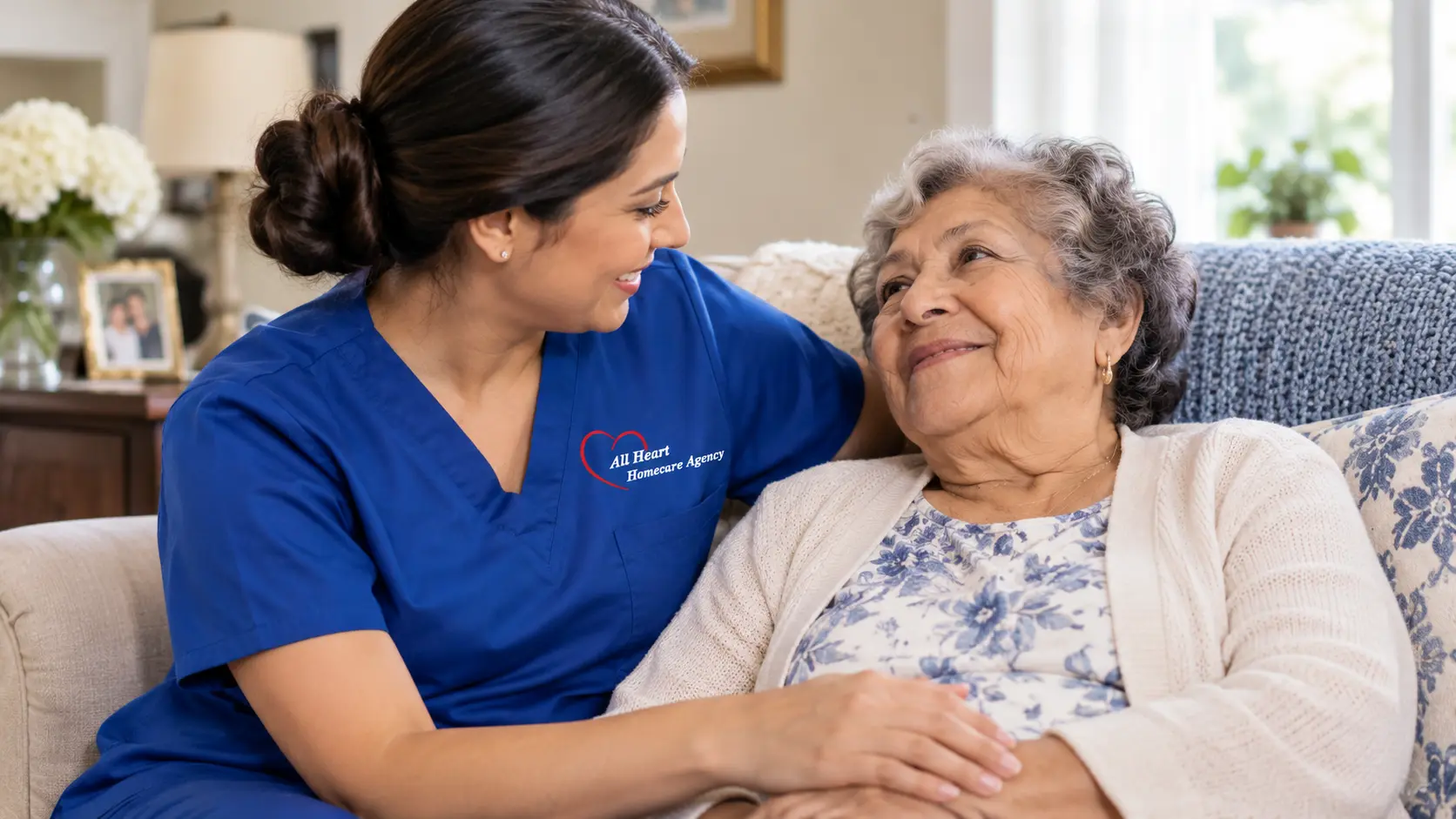
Heart disease is the leading health concern for older adults, and most of the day-to-day management happens at home, long after the doctor’s visit ends. For families, that raises a constant worry: is Mom taking her medications correctly, eating the right foods, and would we notice if her heart were getting worse?
The encouraging answer is that home care for heart disease management is highly effective. With consistent daily support, most seniors with heart disease can stay stable, comfortable, and out of the hospital.
Key Takeaways
- Home care for heart disease management helps seniors stay safe at home and out of the hospital by keeping a complex daily routine on track.
- Daily weight and blood pressure checks are the early-warning system; a sudden weight gain often signals worsening heart failure.
- Caregivers manage medications, prepare low-sodium meals, support safe activity, and watch for swelling and shortness of breath.
- Preventing readmissions is the goal. Many heart-failure hospitalizations are avoidable with consistent monitoring and fast response.
- Emotional health counts too: depression is common with heart disease, and companionship genuinely helps.
- Know the emergency signs: chest pain, severe breathlessness, or fainting means call 911.
Understanding heart disease in seniors
“Heart disease” covers several related conditions common in older adults: coronary artery disease, heart failure (when the heart can’t pump efficiently), high blood pressure, and arrhythmias (irregular heartbeat). Many seniors live with more than one.
What they share is that daily habits: medications, diet, activity, and monitoring, largely determine whether the condition stays stable or leads to a crisis.
Reliable support at home is what keeps that balance.
Learn more from the American Heart Association and see our guide to managing chronic illnesses for patients and caregivers.
How In-Home Care Supports Heart Disease Management
Managing heart disease well means doing many small things right, every single day. That’s exactly what an in-home caregiver makes possible:
- Keeps the medication routine accurate and on time;
- Monitors weight, blood pressure, and symptoms daily;
- Prepares heart-healthy, low-sodium meals;
- Encourages safe, doctor-approved activity;
- Spots warning signs early and alerts the family and doctor; and
- Provides companionship that eases stress on the heart.
See how this works in our personal home care service and the broader benefits of in-home care for seniors.
Medication Management and Adherence
Heart patients often take several medications: blood thinners, beta-blockers, diuretics, and blood-pressure drugs on different schedules.
Missing or doubling doses can be dangerous. Caregivers provide reminders, organize pillboxes, and confirm doses are taken correctly.
Watching for Side Effects
Diuretics increase urination and can cause dehydration or dizziness; blood thinners raise bruising and bleeding risk; blood-pressure medications can cause lightheadedness.
A caregiver watches for these effects and reports them so the doctor can adjust the plan.
Daily Monitoring: Weight, Blood Pressure, and Symptoms
For heart failure, the bathroom scale is a life-saving tool.
A sudden gain, about 2–3 pounds in a day or 5 pounds in a week, usually means the body is retaining fluid, an early sign that the heart is struggling. Caregivers weigh the person each morning, log it, and flag changes so medication can be adjusted before it becomes an emergency.
Blood Pressure Monitoring
Regular blood pressure and pulse checks help catch problems early. Caregivers record readings and share trends with the family and care team. For more, see our tips for when a patient has high blood pressure.
Symptom Tracking and Warning Signs
Beyond weight, caregivers watch for swelling in the legs and ankles, increased shortness of breath, needing more pillows to sleep, persistent cough, extreme fatigue, and dizziness, the classic signs of worsening heart failure that families often miss until it’s serious.
Heart-Healthy Diet and Sodium and Fluid Management
Diet is central to heart disease management. Too much salt makes the body hold fluid and strains the heart. Caregivers prepare low-sodium, heart-healthy meals (think the DASH approach: vegetables, fruits, whole grains, lean protein), read labels for hidden sodium, manage any fluid-intake limits the doctor sets, and support a healthy weight. See our tips on making good nutrition easy for seniors.
Safe Physical Activity and Cardiac Rehab Support
Gentle, regular activity strengthens the heart, but it must match the person’s ability and the doctor’s guidance.
Caregivers encourage safe movement: short walks, light exercises, pace activity to avoid overexertion, and support any cardiac rehabilitation program, watching for chest pain, excessive breathlessness, or dizziness.
Preventing Hospital Readmissions
This is where good home care truly proves its value. Heart failure is a leading cause of hospital readmissions among seniors, and many of those returns are preventable, triggered by missed medications, too much salt or fluid, or warning signs that went unnoticed. Consistent in-home monitoring and fast response are among the most effective ways to keep a loved one out of the hospital, especially in the fragile first weeks after discharge.
See our home care after hospital discharge guide.
Emotional Support: Heart Disease and Depression
Depression and anxiety are common with heart disease and can make people less likely to take medications or stay active, worsening their health. A caregiver’s companionship, encouragement, and steady routine support emotional well-being, which is genuinely good for the heart.
See our thoughts on the importance of mental health for elderly people.
Home Safety and Fall Prevention
Heart medications can cause dizziness and low blood pressure, raising fall risk. Caregivers provide steadying support, and simple changes, such as grab bars, good lighting, and clear pathways, make the home safer. See our fall prevention tips.
Recognizing an Emergency: When To Call 911
Every family should know the red flags. Call 911 immediately for chest pain or pressure, pain spreading to the arm, jaw, or back, severe shortness of breath, fainting, or a fast or irregular heartbeat with dizziness.
Caregivers are trained to recognize these signs and act without hesitation; minutes matter with the heart.
When To Consider Professional Home Care
It may be time for in-home support when you notice:
- A recent heart-related hospitalization or new diagnosis;
- Trouble managing medications or a low-sodium diet;
- Swelling, breathlessness, or frequent flare-ups;
- Dizziness or near-falls; or
- A family caregiver is stretched too thin to keep up with daily monitoring.
How a caregiver supports each heart disease challenge
| Heart disease challenge | How home care helps |
| Complex medication routine | Reminders, organization, accuracy |
| Fluid retention/heart failure | Daily weight checks & early alerts |
| High blood pressure | BP monitoring & trend tracking |
| High-sodium diet | Low-sodium, heart-healthy meal prep |
| Risk of readmission | Post-discharge monitoring & fast response |
| Dizziness & fall risk | Steadying support, safer home |
How To Pay for Heart Disease Home Care
Medicare covers skilled home health for heart disease (skilled nursing or therapy) when your parent is homebound and a doctor orders it, often right after a hospitalization.
The ongoing daily, non-medical care is usually funded through Medicaid for those who qualify, private pay, or long-term care insurance.
Compare options in Medicare vs. Medicaid for Home Care, and the skilled benefit in Does Medicare Pay for Home Health Care for Seniors?.
How To Arrange Heart Care at Home for a Parent
- Get the care plan and medication list. Confirm the diagnosis, medications, diet, and activity limits with the doctor.
- Set up daily monitoring. A scale, a blood-pressure cuff, and a simple log turn early warning signs into action.
- Make the kitchen heart-healthy. Stock low-sodium foods and plan meals around the diet.
- Match the level of care. Choose hourly, overnight, or 24-hour care based on needs, especially right after a hospital stay.
- Get a professional care assessment. A local agency can build a cardiac care plan and match it to the right funding. Start with our home health care overview.
Frequently Asked Questions About Home Care for Heart Diseases
What is the best in-home care for heart disease management?
The best in-home care for heart disease combines medication management, daily monitoring of weight and blood pressure, a low-sodium heart-healthy diet, safe activity, symptom watching, and fast recognition of warning signs. A trained caregiver keeps this routine consistent, which helps prevent flare-ups and hospital readmissions.
How can I care for a parent with heart disease at home?
Support their medication schedule, weigh them daily and check blood pressure, prepare low-sodium meals, encourage safe activity, watch for swelling and shortness of breath, and know the emergency warning signs. Many families also bring in professional in-home care for consistent monitoring and to reduce the risk of hospital visits.
Why is daily weight monitoring important for heart failure?
A sudden weight gain, often 2 to 3 pounds in a day or about 5 pounds in a week, usually means the body is retaining fluid, an early sign that heart failure is worsening. Catching it early lets the doctor adjust medication before it becomes an emergency, which is why caregivers weigh the person each morning and log it.
What are the warning signs of worsening heart failure?
Warning signs include rapid weight gain, increased shortness of breath, swelling in the legs, ankles, or abdomen, persistent coughing or wheezing, extreme fatigue, and needing more pillows to sleep. A caregiver who notices these early can alert the family and doctor before a hospital stay is needed.
Does home care help prevent hospital readmissions for heart disease?
Yes. Many heart failure hospital readmissions are preventable and caused by missed medications, too much salt or fluid, or unnoticed warning signs. Consistent in-home care that manages medications, monitors weight and symptoms, and responds early is one of the most effective ways to keep seniors out of the hospital.
Does Medicare or Medicaid cover home care for heart disease?
Medicare covers skilled home health for heart disease (such as skilled nursing or therapy) when a person is homebound, and a doctor orders it, often after a hospital stay. Ongoing non-medical daily care is typically paid through Medicaid for those who qualify, private pay, or long-term care insurance.
When should a senior with heart disease get in-home care?
Consider in-home care after a heart-related hospitalization, or when managing medications and diet becomes difficult, there are frequent flare-ups, swelling or breathlessness, near-falls, or the family caregiver is overwhelmed. Early support helps prevent emergencies and keeps the person safe and independent at home.