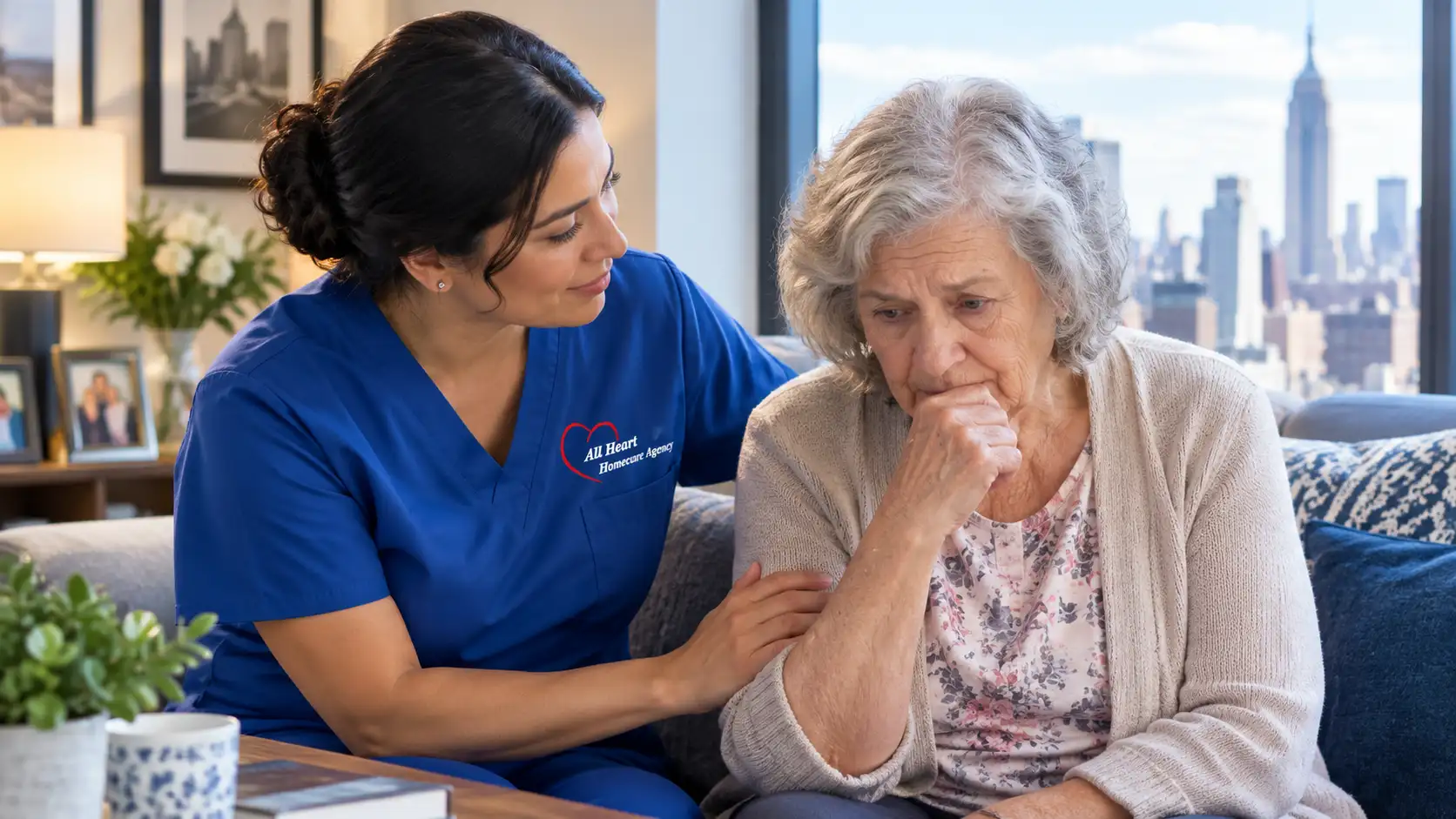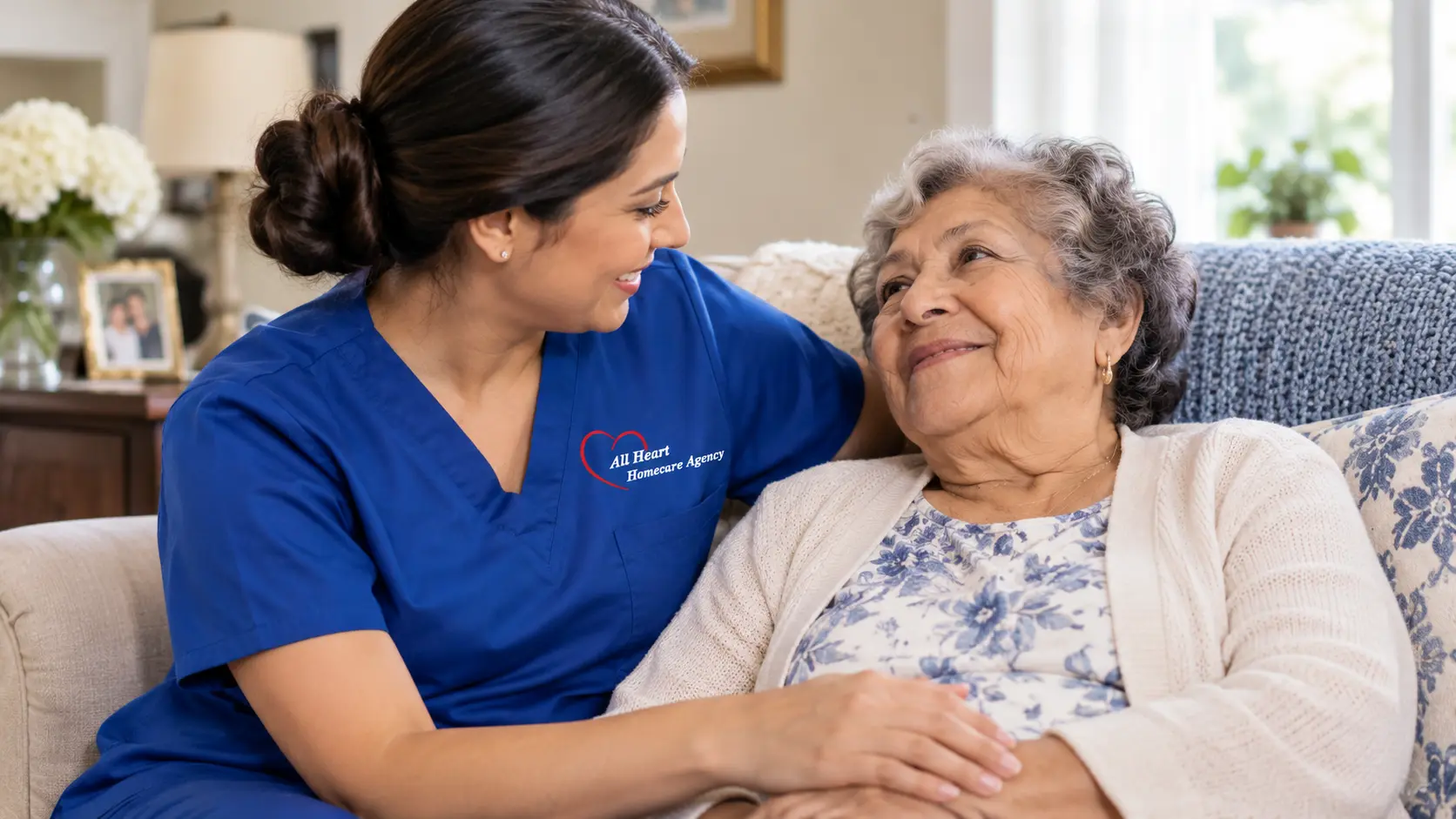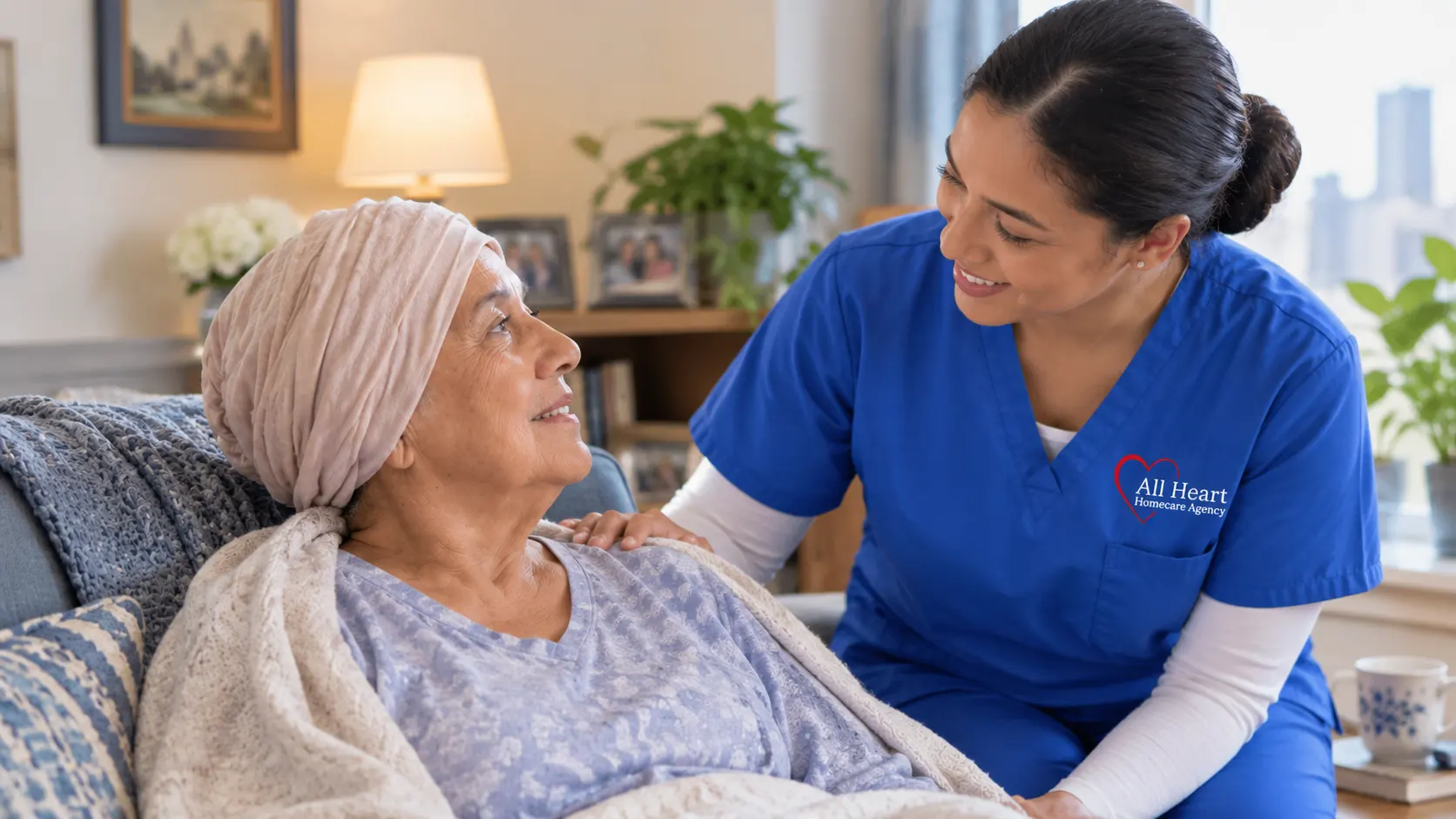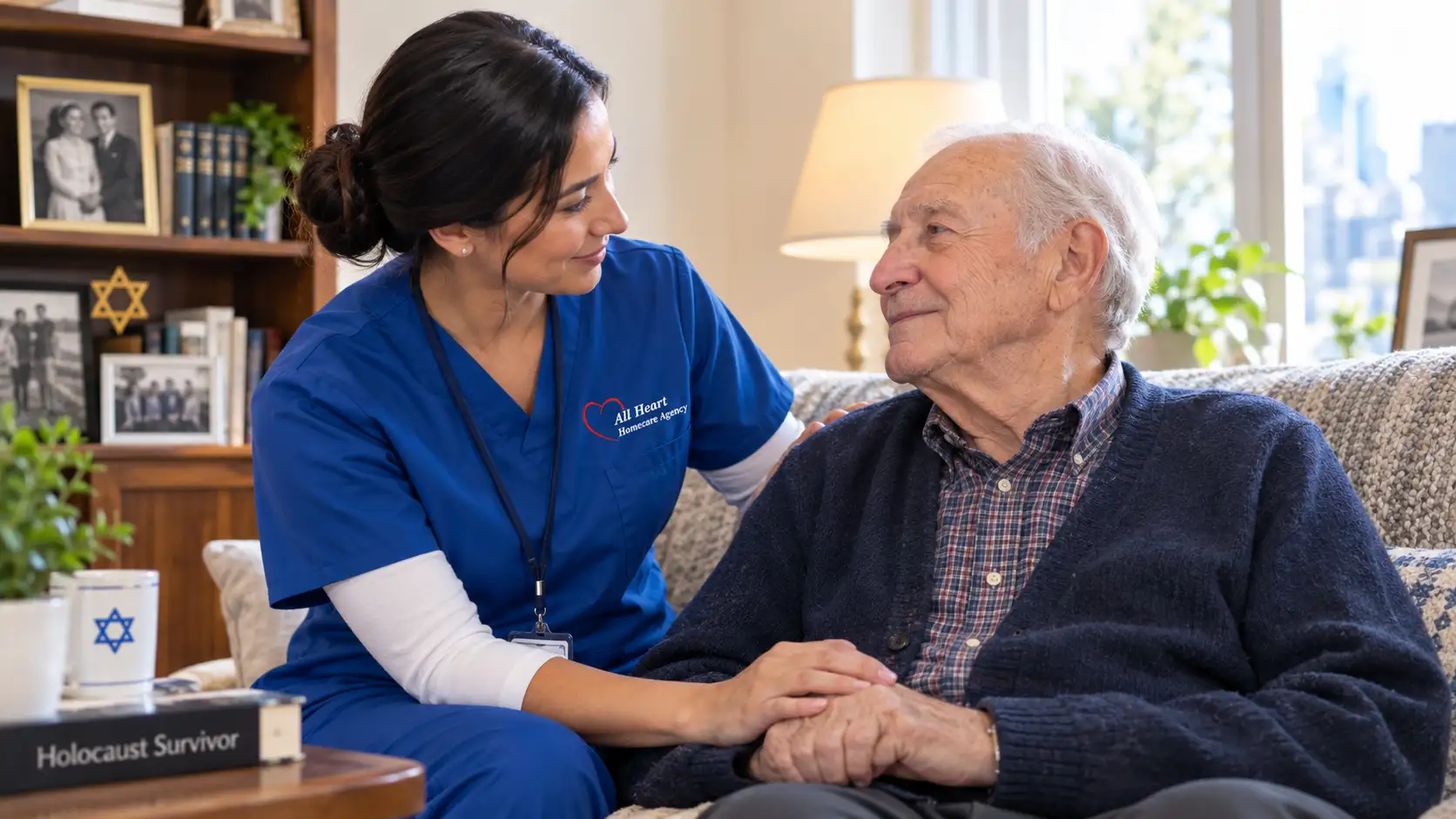

When someone you love is facing cancer, home becomes the center of their care; the place they recover between treatments, rest when fatigue hits, and want to be surrounded by family.
But cancer care at home is demanding, and most families aren’t sure how to provide everything their loved one needs safely.
This guide to home care for cancer patients walks through exactly how in-home support helps, from daily living and symptom relief to palliative care at home, written for families caring for a parent, grandparent, or spouse through their cancer journey.
Key Takeaways
- Home care for cancer patients helps a loved one live and heal at home during and after treatment, with support built around their energy and symptoms.
- Caregivers help with daily living, medications, and side effects like pain, nausea, and fatigue, especially on hard chemo and post-surgery days.
- Nutrition and infection prevention matter because treatment weakens appetite and the immune system.
- Palliative care at home relieves symptoms and stress at any stage of cancer, alongside treatment; hospice is palliative care for the final months.
- Emotional support and caregiver respite are part of good cancer home care for the patient and the family.
- Paying for it: Medicare covers skilled home health and hospice; ongoing daily care is funded by Medicaid or private pay.
Understanding What Cancer Patients Need at Home
Cancer and its treatments, surgery, chemotherapy, radiation, and immunotherapy affect the whole person. At home, patients often deal with fatigue, pain, nausea, appetite loss, a weakened immune system, and emotional strain, all while trying to keep up with daily life. Needs also change over time, from active-treatment support to recovery to, in some cases, end-of-life comfort care.
Good home care adapts to each stage.
Learn more from the National Cancer Institute’s caregiver support, and see our home care support during breast cancer treatment guide.
How Home Care Supports Cancer Patients
A trained caregiver becomes a steady presence through an unpredictable time, helping with:
- Daily living: bathing, dressing assistance, and grooming on low-energy days;
- Medication reminders and side-effect management;
- Nourishing, easy-to-eat meals and hydration;
- Infection prevention and a clean, safe home;
- Transportation to treatments and appointments; and
- Companionship and emotional support.
Personal Care and Daily Living Support
Cancer-related fatigue is real and profound; some days, a shower is exhausting.
Caregivers provide dignified, hands-on help with bathing, dressing, grooming, mobility, and light housekeeping, so your loved one can conserve energy for healing and for what matters most to them.
Medication and Symptom Management
Cancer treatment often comes with a demanding schedule of medications and troubling side effects. Caregivers help manage:
- Pain: timely medication reminders and comfort measures;
- Nausea and appetite loss: small, appealing meals and anti-nausea routines;
- Fatigue: pacing activity and building in rest; and
- Other symptoms: watch for fevers or changes and alert the family and care team.
For managing a long, complex condition, see our guide to managing chronic illnesses for patients and caregivers.
Nutrition and Hydration During Treatment
Eating well supports the body through treatment, but chemo and radiation can crush appetite and change how food tastes. Caregivers prepare nutritious, easy-to-eat meals, offer small, frequent portions, encourage hydration, and adapt to food sensitivities and safety needs. See our tips on making good nutrition easy for seniors.
Support During Chemotherapy, Radiation, and Surgery Recovery
Care needs spike around treatment. After chemotherapy, patients may need extra help with fatigue, nausea, and infection precautions. During radiation, skin care and energy management matter.
Palliative Care for Cancer Patients at Home
Palliative care is specialized care focused on relieving the symptoms, pain, and stress of a serious illness and improving quality of life for both patient and family.
Importantly, palliative care can begin at any stage of cancer, even alongside treatment aimed at curing it. Much of it can be delivered right at home.

In-home caregivers support palliative care by helping with comfort and positioning, medication routines for pain and symptom relief, personal care, and emotional support, working alongside the palliative care team. Learn more from the NCI palliative care overview.
Palliative Care vs. Hospice: What’s the Difference?
The two are related but not the same.
Palliative care can be provided at any stage and alongside curative treatment.
Hospice is palliative care for the final months of life, when the focus shifts fully to comfort rather than cure, and the Medicare hospice benefit covers comprehensive care at home.
When To Consider Professional Home Care for Cancer Patients
It may be time to bring in support when:
- Treatment fatigue or side effects make daily tasks hard or unsafe;
- Your loved one is recovering from cancer surgery or a hospital stay;
- Medication and symptom management have become complex;
- Infection risk is high; or
- The family caregiver is overwhelmed or needs relief.
| Cancer-care challenge | How home care helps |
| Treatment fatigue | Help with bathing, dressing, and chores |
| Pain, nausea, appetite loss | Symptom management & nourishing meals |
| Weakened immune system | Infection prevention & clean home |
| Frequent appointments | Transportation & scheduling help |
| Advanced/terminal cancer | Palliative & comfort care at home |
| Family caregiver strain | Respite & shared caregiving |
How to pay for cancer home care
Medicare covers skilled home health for cancer patients (skilled nursing or therapy) when your loved one is homebound and a doctor orders it, and it covers comprehensive hospice care at home for terminal cancer.
The ongoing daily, non-medical care is usually funded through Medicaid for those who qualify, private pay, or long-term care insurance.
For a full breakdown, see our guide Does Medicare Cover Home Health Care for Cancer Patients?
How To Arrange Cancer Care at Home for a Loved One
- Talk with the care team. Understand the treatment plan, symptoms to expect, and any home-health referrals.
- Map the needs by treatment stage. Plan for heavier support on chemo, radiation, and post-op days.
- Decide on palliative support. Palliative care can start early alongside treatment — ask about it.
- Match the level of care. Choose hourly, overnight, or 24-hour care as needs change.
- Get a professional care assessment. A local agency can coordinate skilled and non-skilled care and match each to the right funding. Start with our home health care overview.
Frequently Asked Questions About Home Care for Cancer Patients
What is home care for cancer patients?
Home care for cancer patients is personalized in-home support that helps a person live and heal at home during and after cancer treatment. It includes help with daily living, medication and symptom management, nutrition, transportation, emotional support, and, when needed, palliative or end-of-life care.
How does home care help cancer patients?
Home care helps by assisting with bathing, dressing, and meals when treatment causes fatigue, managing medications and side effects like nausea and pain, preparing nourishing food, reducing infection risk, providing transportation to appointments, and offering companionship. It also gives family caregivers much-needed relief.
What is palliative care for cancer patients at home?
Palliative care at home focuses on relieving the symptoms, pain, and stress of cancer to improve quality of life. It can be provided alongside active cancer treatment at any stage, and in-home caregivers support it by helping with comfort, medications, personal care, and emotional support.
What is the difference between palliative care and hospice?
Palliative care can be given at any stage of cancer and alongside curative treatment to improve comfort. Hospice is a type of palliative care for the final months of life, typically when treatment to cure the cancer has stopped, and the focus is fully on comfort. Both can be delivered at home.
How do you care for a cancer patient at home?
Care for a cancer patient at home by keeping medications and symptoms managed, preparing easy, nourishing meals, reducing infection risk, helping with daily tasks on low-energy days, arranging transportation to treatment, and offering emotional support. Professional in-home caregivers provide this consistently and give the family a break.
Does Medicare or Medicaid cover home care for cancer patients?
Medicare covers skilled home health for cancer patients (such as skilled nursing or therapy) when a person is homebound, and a doctor orders it, and it covers hospice for terminal cancer. Ongoing non-medical daily care is typically paid through Medicaid for those who qualify, private pay, or long-term care insurance.
When should a cancer patient get in-home care?
Consider in-home care when treatment causes fatigue or side effects that make daily tasks hard, after a cancer surgery or hospital stay, when managing medications becomes complex, when infection risk is high, or when the family caregiver needs support. Starting early makes treatment and recovery safer and less stressful.