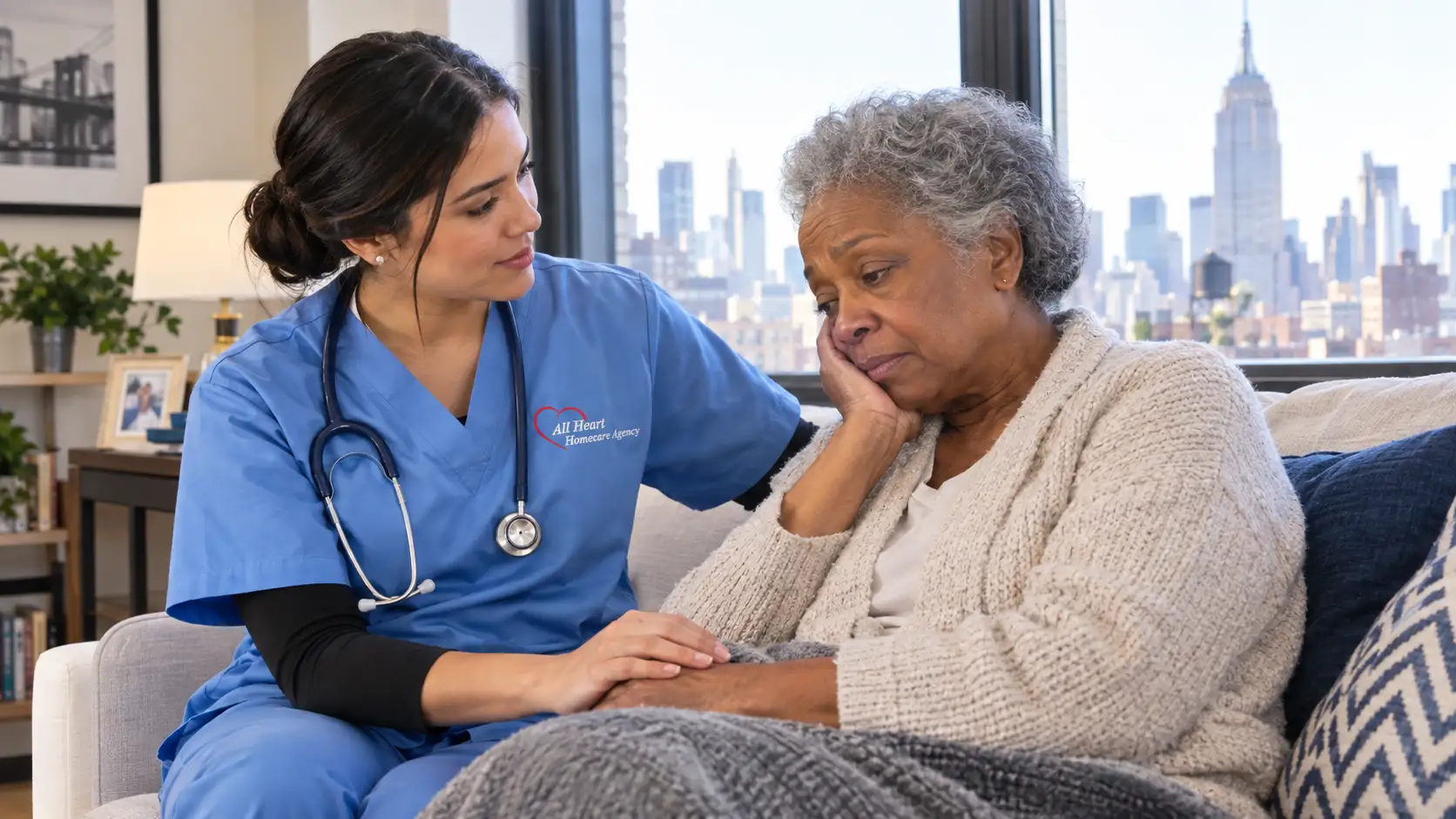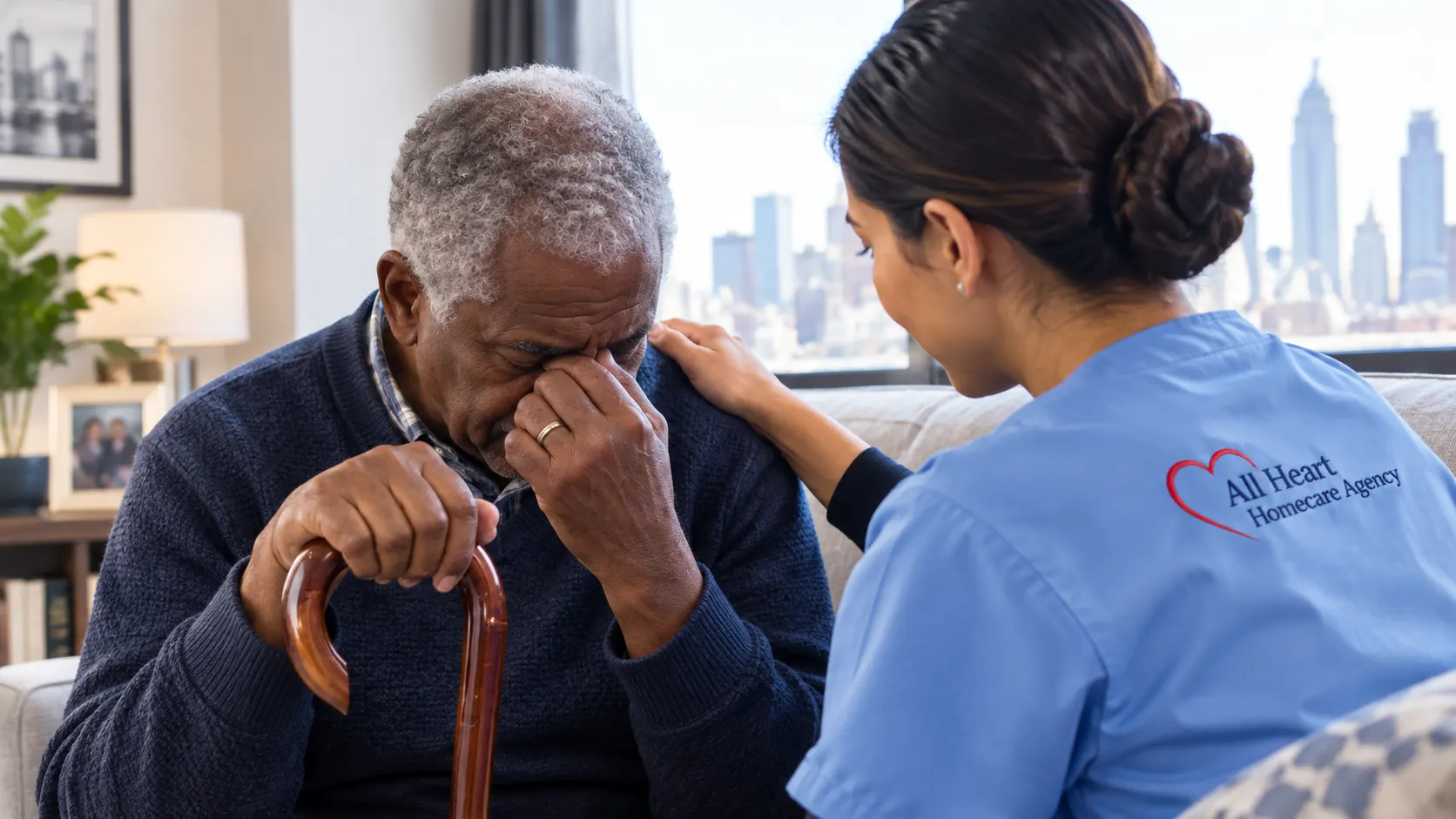

Finishing chemotherapy is a milestone. But for most patients, it also marks the beginning of a difficult stretch that few people talk about openly. The body has been through an intense medical experience, the treatment is over, and yet the side effects don’t stop the moment the last infusion ends.
Fatigue, nausea, weakened immunity, changes in appetite, and difficulty with basic daily tasks can persist for weeks or even months after the last infusion ends. At the same time, hospital visits become less frequent, and the burden of care shifts to the home; yet 97% of chemotherapy patients continue to experience at least one clinically significant symptom during their follow-up period.
This article covers the key phases of recovery, the most common challenges patients face, and how structured home care can make a meaningful difference in outcomes and quality of life.
Key takeaways
- Chemotherapy side effects don’t resolve at discharge. Many symptoms, including fatigue and immune suppression, peak or continue well after treatment ends.
- Post care after chemotherapy involves both physical recovery and daily living support. Skilled nursing, medication management, and personal care assistance are often needed simultaneously.
- Home recovery is preferred by most cancer patients, but it requires the right infrastructure. Without proper support, complications can lead to unnecessary hospitalization.
- Chemotherapy post care isn’t one-size-fits-all. The type of chemotherapy, the patient’s baseline health, and their living situation all shape what kind of home care they need.
- Professional home health aides and in-home nurses can handle tasks that family members are not trained or equipped to manage safely.
What Post Chemotherapy Care At Home Actually Involves
Post chemotherapy care at home is the ongoing medical and personal support a patient receives in their own home after completing a round or full course of chemotherapy treatment. It bridges the gap between hospital-based oncology care and full independent recovery, a gap that is much wider and longer than most patients expect.
The common misconception is that “going home” means you are well enough to be on your own. In reality, discharge from a treatment center simply means the clinical phase of chemotherapy has ended. The recovery phase is just beginning, and it occurs largely outside the hospital walls.
Effective post-hospitalization care doesn’t just happen. It requires a coordinated plan that is built around the specific drugs used, the patient’s current condition, and the practical realities of their home environment.
4 Most Common Challenges During At-Home Recovery
The recovery phase after chemotherapy tends to bring to light a specific set of recurring challenges. Knowing what to expect doesn’t make these easier, but it does allow families and care teams to plan appropriately.
Managing this phase well isn’t just about comfort. Patients who lack adequate support at home are more likely to experience complications that lead to emergency room visits or readmission. The goal of chemotherapy post-care is to prevent that cascade before it starts.
1. Infection Risk and Immune Suppression
Neutropenia is one of the most serious and underestimated risks in the post-chemotherapy period. Research shows it accounts for 27.8% of unplanned readmissions after chemotherapy, the single leading cause of patients returning to the hospital.
At-home care during this phase requires:
- Monitoring for fever, chills, or unusual redness and swelling
- Strict hygiene protocols to reduce exposure
- Recognizing early warning signs before they escalate
- Understanding when to call the oncologist versus when to go to the emergency room
These are not tasks a family member with no clinical training can reliably manage on their own, especially when they are also emotionally invested in the patient’s well-being.
2. Nutrition and Hydration
Chemotherapy often leaves patients with significant nausea, mouth sores, altered taste, and reduced appetite. Maintaining adequate caloric and nutritional intake is critical to immune recovery and wound healing, but it’s one of the hardest things to accomplish without help.
Patients may need:
- Small, frequent meals tailored to their current tolerances
- High-protein, anti-inflammatory foods that support tissue repair
- Adequate fluid intake to flush treatment byproducts and prevent dehydration
- Help with grocery shopping and meal preparation when energy is extremely limited
A trained aide can assist with all of these tasks while also watching for signs of significant weight loss or dehydration that warrant a call to the patient’s care team.
3. Medication Management
Post-chemotherapy patients often leave the hospital with multiple medications: anti-nausea drugs, steroids, pain management, colony-stimulating factors to boost white blood cell production, and others. Managing timing, interactions, and side effects of this medication schedule is genuinely complex.
Missing doses or taking medications incorrectly can have serious consequences. In-home nursing support, even on an intermittent basis, can help ensure that medication regimens are followed correctly and that any adverse reactions are caught early.
4. Mobility, Fall Risk, and Personal Care
Fatigue, neuropathy, and general deconditioning after treatment create real fall hazards. Patients who were independent before chemotherapy may find that showering, walking to the kitchen, or navigating stairs require assistance they hadn’t anticipated.
Personal care tasks like bathing, grooming, and dressing may become temporarily difficult, but not impossible. A certified home health aide can help with these activities while preserving patient dignity and reducing the physical risk to family members who are not trained in safe patient handling.
| Challenge | Why it’s serious | Role of home care |
| Neutropenia / infection risk | Fever can become life-threatening quickly | Monitor vital signs, recognize warning signs |
| Nutrition and hydration | Deficiency slows immune recovery | Meal prep, fluid monitoring, intake tracking |
| Medication management | Complex schedules with serious consequences for errors | Oversight, reminders, adverse reaction detection |
| Fall risk and mobility | Fatigue and neuropathy increase injury risk | Safe transfer assistance, bathroom safety |
| Wound and port care | IV ports and surgical sites need skilled attention | Certified nursing care, sterile technique |
| Cognitive changes | Reduces ability to self-manage safely | Supervision, appointment coordination, task prompting |
When Professional Home Care Is The Right Choice
Families often try to manage post-chemotherapy recovery on their own, and many succeed for a time. But there are clear signals that the situation calls for professional support.
The difficulty isn’t just physical. Family caregivers take on enormous emotional and logistical burdens during this period, and burnout is common. Research on informal cancer caregivers found that 66% reported suffering from stress and perceived cancer as a family disease. When the primary caregiver is overwhelmed, the quality of care for the patient drops alongside their own wellbeing.
Professional care isn’t a sign that the family isn’t doing enough. It’s a practical recognition that skilled clinical support has a different purpose than emotional support, and both are necessary.
When Post-Chemotherapy Care Needs Professional Help
- The patient is experiencing fevers, especially above 100.4°F, which signals possible neutropenic infection
- There are unmanaged or worsening side effects that haven’t been discussed with the oncology team
- The patient cannot reliably manage their own medication schedule
- Falls have occurred or seem likely given the patient’s balance and strength
- Family caregivers are showing signs of physical or emotional exhaustion
- The patient lives alone or primary support is unavailable during daytime hours
- Wound care, port care, or injection administration is required at home
These situations call for certified home health aides, licensed practical nurses, or registered nurses, depending on the specific needs. Not every patient requires all of these, but determining the right combination early prevents crises later.
How to Build a Post-Chemotherapy Care Plan at Home
Effective care of patients post chemotherapy doesn’t just happen. It requires a coordinated plan that is built around the specific drugs used, the patient’s current condition, and the practical realities of their home environment.
Oncology teams typically provide discharge instructions, but those instructions are often written for patients who have baseline support in place. Research on cancer caregivers consistently finds that families feel underprepared for symptom management and in-home care demands once the patient arrives home. The care plan fills in the rest.
A strong post-chemotherapy home care plan addresses four core areas.
Clinical Monitoring and Emergency Preparedness
The plan should spell out exactly which symptoms require an immediate call to the oncologist, which warrant a trip to the emergency room, and which can be managed at home with guidance. Fever thresholds, pain levels, and signs of bleeding or clotting are all scenarios that need clear protocols before they happen.
Caregivers and family members should know the oncologist’s contact information, the nearest emergency facility, and the patient’s current medication list. For patients with intensive needs, 24/7 care ensures that someone with clinical training is always present when symptoms escalate overnight or on weekends.
Nutrition and Fluid Management
Working with the oncology team’s dietary recommendations, the care plan should identify which foods are appropriate for the patient’s current symptoms, how many small meals per day are recommended, and which fluids are encouraged or restricted. Patients on certain drugs may need to avoid specific foods due to drug interactions.
Meal prep schedules that account for the patient’s energy levels throughout the day help reduce the burden on both the patient and the family. A light breakfast when morning nausea is present and a more substantial meal in the afternoon when energy is typically higher is a simple but effective pattern for many patients.
Activity and Rest Balance
Complete bed rest after chemotherapy is not recommended unless medically necessary. Light activity, such as short walks, gentle stretching, or chair-based exercises, supports cardiovascular recovery and prevents deconditioning. At the same time, overdoing activity before the body is ready creates real risk.
A home care aide who understands this balance can help patients stay appropriately active without pushing past safe limits. They can also assist with repositioning for patients who spend significant time in bed, which is critical for preventing pressure injuries.
Emotional and Social Support
The period after chemotherapy ends can be emotionally disorienting. Patients often describe feeling lost without the structure of regular treatment appointments. Anxiety about recurrence is common. Isolation, particularly for patients whose mobility is limited, can worsen both mental well-being and physical recovery.
Professional caregivers who are trained to provide companionship alongside clinical support make a genuine difference here. Those seeking home care in Brooklyn can be matched with multilingual caregivers who communicate with patients in their primary language, reducing the isolation that comes with navigating recovery in a second language.
How All Heart Care Supports Post-Chemotherapy Patients in NYC
Coordinating the right level of care after chemotherapy, especially in New York City, requires more than good intentions. It requires an agency with clinical expertise, staffing flexibility, and experience working with complex recovery cases.
All Heart Homecare Agency has been serving patients across all five boroughs for over 13 years. They staff certified home health aides and licensed practical nurses who are trained to assist with the specific recovery challenges that accompany post-chemotherapy nursing care. Caregivers are matched to patients based on language, cultural background, and specific clinical needs, which is especially important in New York’s diverse communities.
All Heart’s services cover everything from medication oversight and vital sign monitoring to personal care assistance, meal preparation, and medical transportation. Their 24/7 on-call support means families aren’t left to navigate a symptom concern alone at 2 a.m. With over 1,000 clients served and 500-plus documented positive reviews, they are the #1 ranked home care agency in Brooklyn.
Contact us today for a free consultation and let us help you build the right post-chemotherapy care plan for your loved one.
Frequently Asked Questions About Post Chemotherapy Care at Home
How long does recovery from chemotherapy take at home?
Recovery time varies significantly based on the type of chemotherapy, the number of cycles, the patient’s age, and their overall health going in. Most patients experience the worst of their side effects in the first two to four weeks after their final treatment. However, fatigue, neuropathy, and immune suppression can persist for three to six months or longer. Some effects, particularly neuropathy, may be long-term.
What does a home health aide do for a chemotherapy patient?
A certified home health aide assists with personal care tasks such as bathing, grooming, dressing, and mobility. They also help with meal preparation, medication reminders, light housekeeping, and transportation to follow-up appointments. They are trained to observe changes in the patient’s condition and communicate concerns to the care team. They do not perform skilled nursing tasks, which require a licensed nurse.
When does post-chemotherapy care require a nurse at home?
In-home nursing is appropriate when a patient needs wound or port care, injection administration, vital sign monitoring, or medication management that goes beyond simple reminders. Patients who are at high risk for infection, who have complex medication regimens, or who experienced significant complications during treatment are typically candidates for at least intermittent nursing visits.
Is post-chemotherapy home care covered by Medicaid or insurance?
Coverage depends on the type of care needed, the insurance plan, and the patient’s eligibility. New York Medicaid covers home health aide services for eligible patients, and private pay options are available for those who do not qualify or prefer not to wait for approval. Workers’ compensation may cover home care for patients whose cancer is related to a workplace exposure. It is best to contact the agency directly to review your specific insurance situation.
Can family members be paid to provide care after chemotherapy?
In New York, the Consumer Directed Personal Assistance Program (CDPAP) allows Medicaid-eligible patients to hire a family member or friend as their paid personal assistant. This is a meaningful option for families who want to remain directly involved in care while still receiving financial support for that role. The patient or their designee directs the care, including who provides it.
What foods are best during post-chemotherapy recovery at home?
General recommendations include high-protein foods to support tissue repair, soft or easy-to-digest options to accommodate nausea and mouth sores, and adequate fluid intake. Cold or room-temperature foods are often better tolerated than hot meals. Specific recommendations depend on the drugs used and any remaining side effects, so guidance from the oncology team or a registered dietitian should take precedence over general advice.
How do I know if a post-chemotherapy patient needs emergency care?
Fever above 100.4°F in a patient who recently completed chemotherapy is a medical emergency and warrants an immediate call to the oncologist or a trip to the emergency room. Other red flags include severe vomiting or diarrhea lasting more than 24 hours, signs of bleeding, sudden severe pain, difficulty breathing, or a significant change in mental status. When in doubt, call the oncology team first.