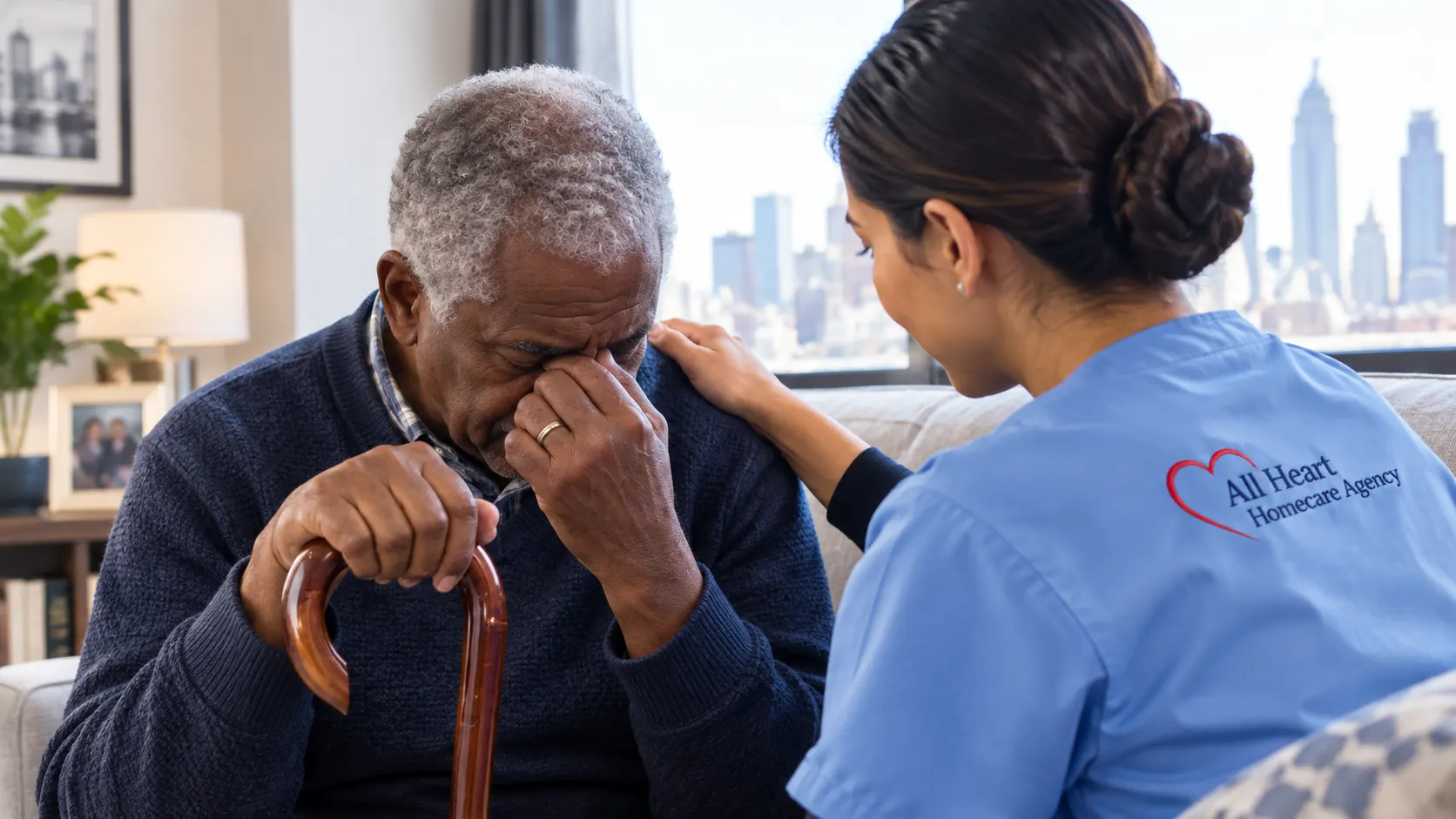

Depression in elderly women is a common, treatable medical condition, not a normal part of aging that is frequently underdiagnosed because its symptoms often appear as physical complaints rather than sadness. Older women face a distinct combination of risks, from hormonal changes to widowhood and isolation, that make depression especially common in later life. The encouraging truth: with recognition and care, it gets better.
This guide focuses on what depression looks like specifically in older women, why they’re at higher risk, the consequences of leaving it untreated, and how to help a mother, grandmother, wife, or friend get the support she deserves.
For depression across all older adults, see our companion guide on the signs of depression in the elderly.
Key Takeaways
- Depression in elderly women is common, underdiagnosed, and treatable: it is not a normal part of aging.
- Older women are at higher risk due to hormonal changes, longer life expectancy (and more widowhood and living alone), chronic illness, and isolation.
- It often hides behind physical complaints: unexplained aches, fatigue, and sleep or appetite changes rather than obvious sadness.
- Watch for withdrawal, loss of interest, neglected self-care, and memory or concentration problems.
- Untreated depression harms physical health, worsening chronic illness and raising serious risks, which is why recognizing it matters.
- It responds well to treatment: therapy, medication, or both, plus connection and daily support. For any thoughts of self-harm, call or text 988.
Why Are Older Women More Likely To Experience Depression?
Depression is more commonly diagnosed in women than men across the lifespan, and later life brings a unique set of pressures for older women:
- Hormonal and biological factors: hormonal shifts and, for some, a personal or family history of mood disorders;
- Longer life expectancy: women tend to outlive spouses and friends, leading to widowhood, grief, and living alone;
- Chronic illness and pain: higher rates of conditions like arthritis that are closely linked to depression;
- Caregiving and role changes: many older women have spent years as caregivers, and losing that role (or becoming the one who needs care) is hard; and
- Social and financial strain: isolation and money worries weigh heavily.
None of these mean depression is inevitable; they simply explain why it’s so common, and why support matters.
The Anxiety & Depression Association of America’s resources for senior women offer more.
What Does Depression Look Like in Older Women?
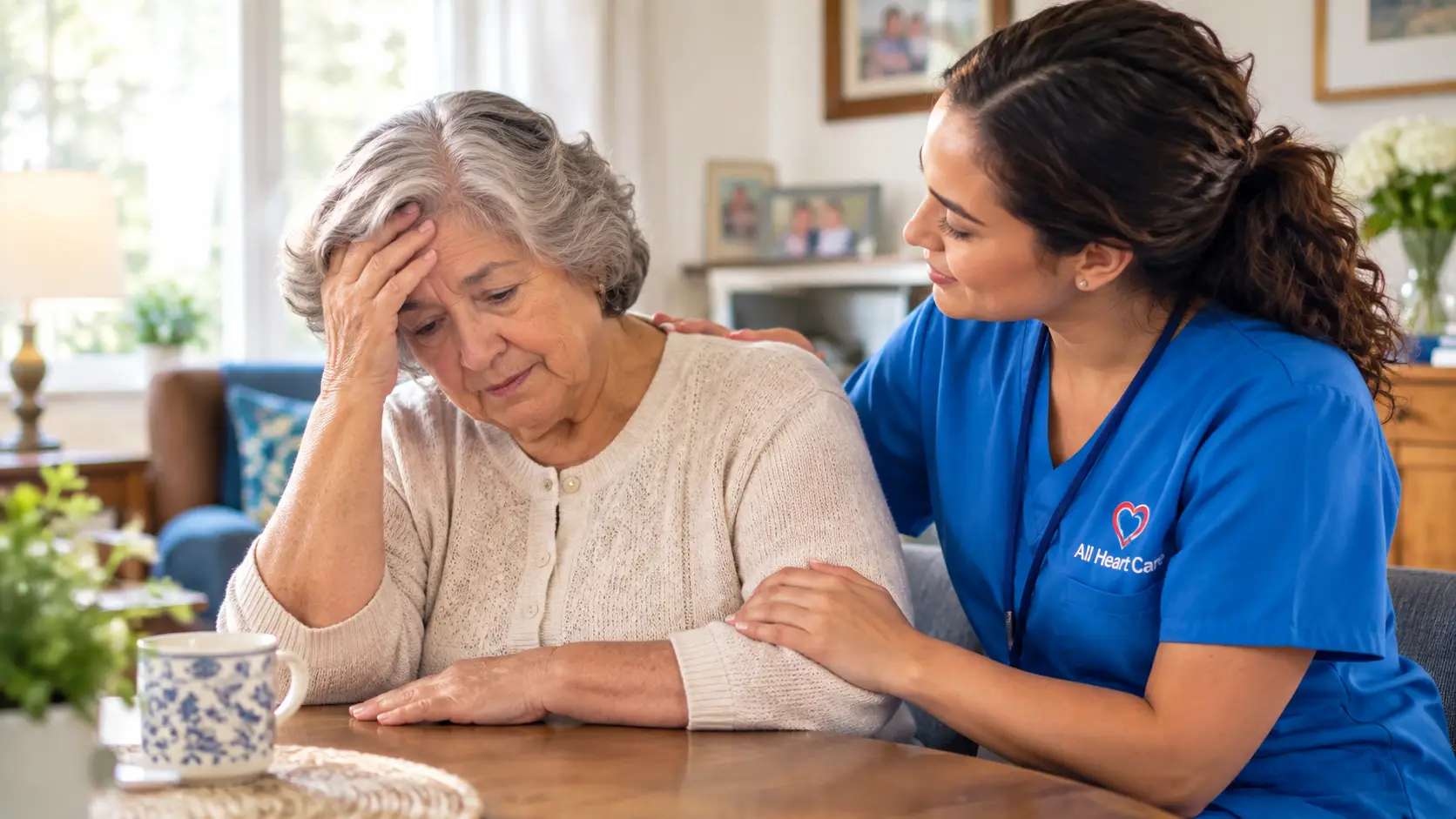
Because older women often express distress through the body rather than words, the signs can be easy to miss. Watch for:
- Physical complaints: unexplained aches, pains, headaches, or digestive issues that don’t improve;
- Behavioral changes: social withdrawal, neglecting personal hygiene, or skipping meals and medications;
- Emotional shifts: loss of interest in hobbies, low motivation, feelings of worthlessness, or irritability; and
- Cognitive issues: memory problems, trouble concentrating, or slowed thinking that can mimic dementia.
Risk Factors for Depression in Older Women
Certain circumstances raise the risk further:
- Life changes: loss of a spouse or friends, retirement, or moving out of a long-time home;
- Health issues: chronic illness, chronic pain, or physical disability;
- Social factors: loneliness, isolation, or financial strain; and
- Biological factors: hormonal shifts or a personal history of mood disorders.
Isolation is one of the most powerful and most fixable of these.
See our guide to the signs of loneliness in seniors and loneliness in older people: effects and solutions.
Depression or Dementia? A Crucial Distinction in Older Women
Depression in older women can cause memory loss, confusion, and slowed thinking severe enough to be mistaken for dementia (sometimes called “pseudodementia”), and the two can also occur together.
Because the difference determines the right treatment, any new memory or thinking changes should be evaluated by a doctor; depression-related cognitive problems often improve once the depression is treated.
See our geriatric depression glossary entry.
Worried your mother or grandmother isn’t herself lately?
All Heart Homecare provides warm companionship and daily support for older women across NYC: easing loneliness, restoring routine, and helping families spot and address depression early. Talk to a care coordinator today.
The Consequences of Untreated Depression in Women
Depression isn’t “just” an emotional issue; left untreated, it takes a serious physical toll. In older adults, it can worsen chronic illnesses, weaken the immune system, disrupt sleep and appetite, accelerate cognitive decline and disability, deepen isolation, and raise the risk of hospitalization and, most seriously, increase suicide risk.
This is exactly why recognizing and treating depression in older women matters so much: doing so improves both mental and physical health and quality of life.
Read more on the importance of mental health for elderly people.
Treatment and Support for Older Women
The good news bears repeating: depression in older women is highly treatable. Professional care typically includes psychotherapy, medication, or a combination tailored for older adults, guided by a doctor.
Alongside professional treatment, the everyday factors that protect mood- connection, routine, activity, and good nutrition make a real difference, and this is where daily support shines.
For anxiety, which often accompanies depression, see how to treat severe anxiety in the elderly, and for broader wellness, Women’s Health Month: what you should know.
How Home Care and Companionship Help Women With Depression
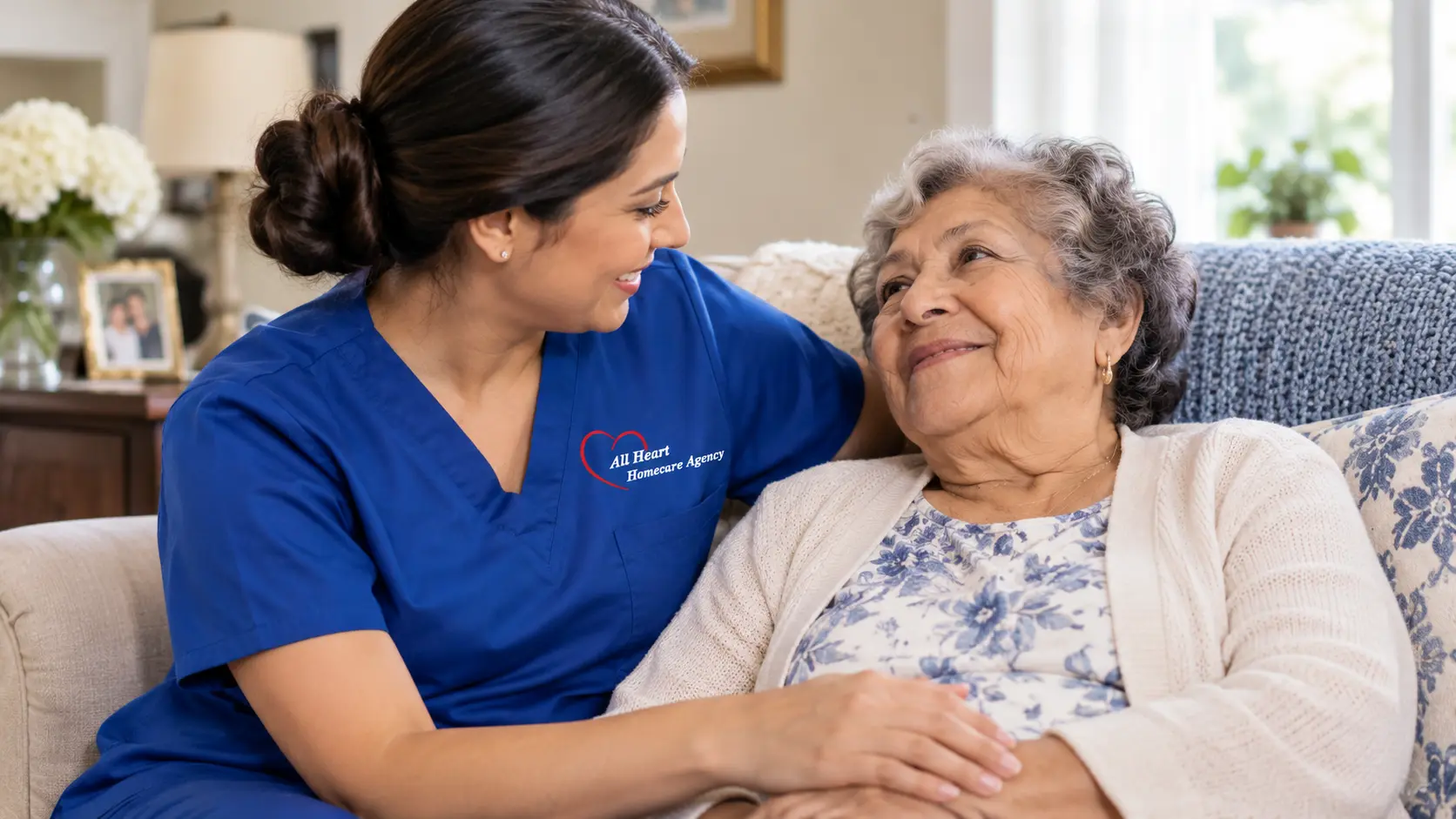
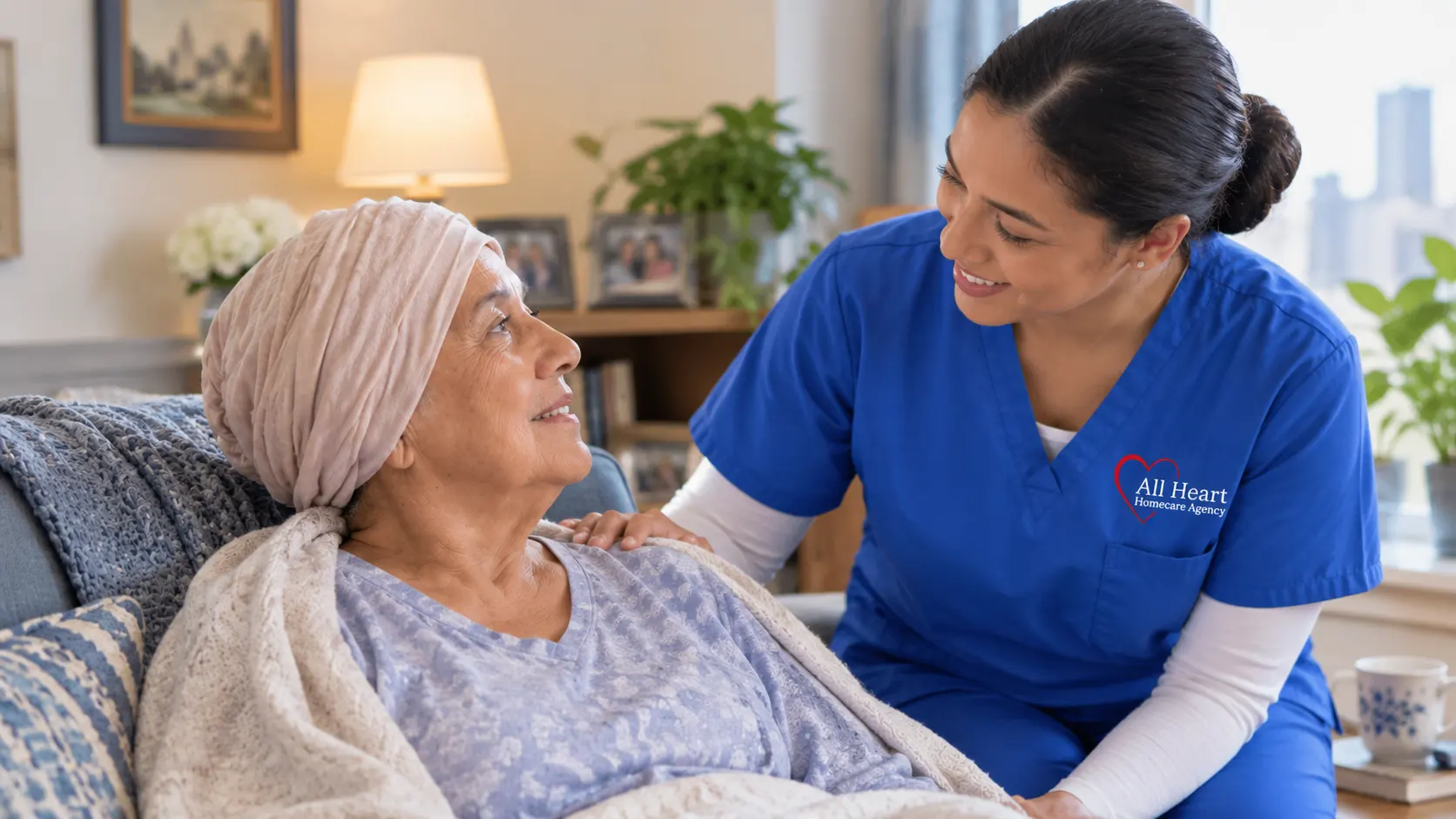
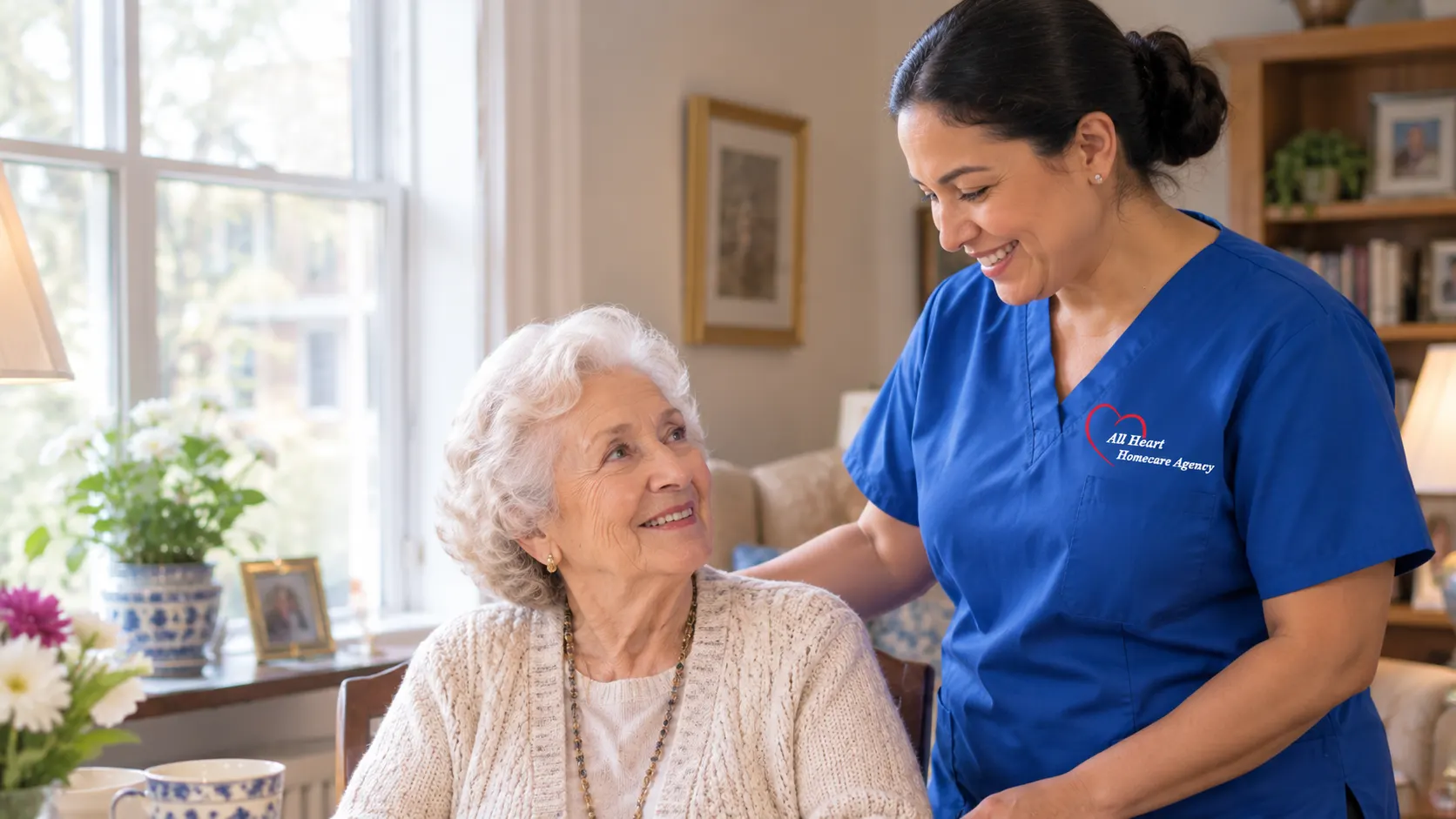
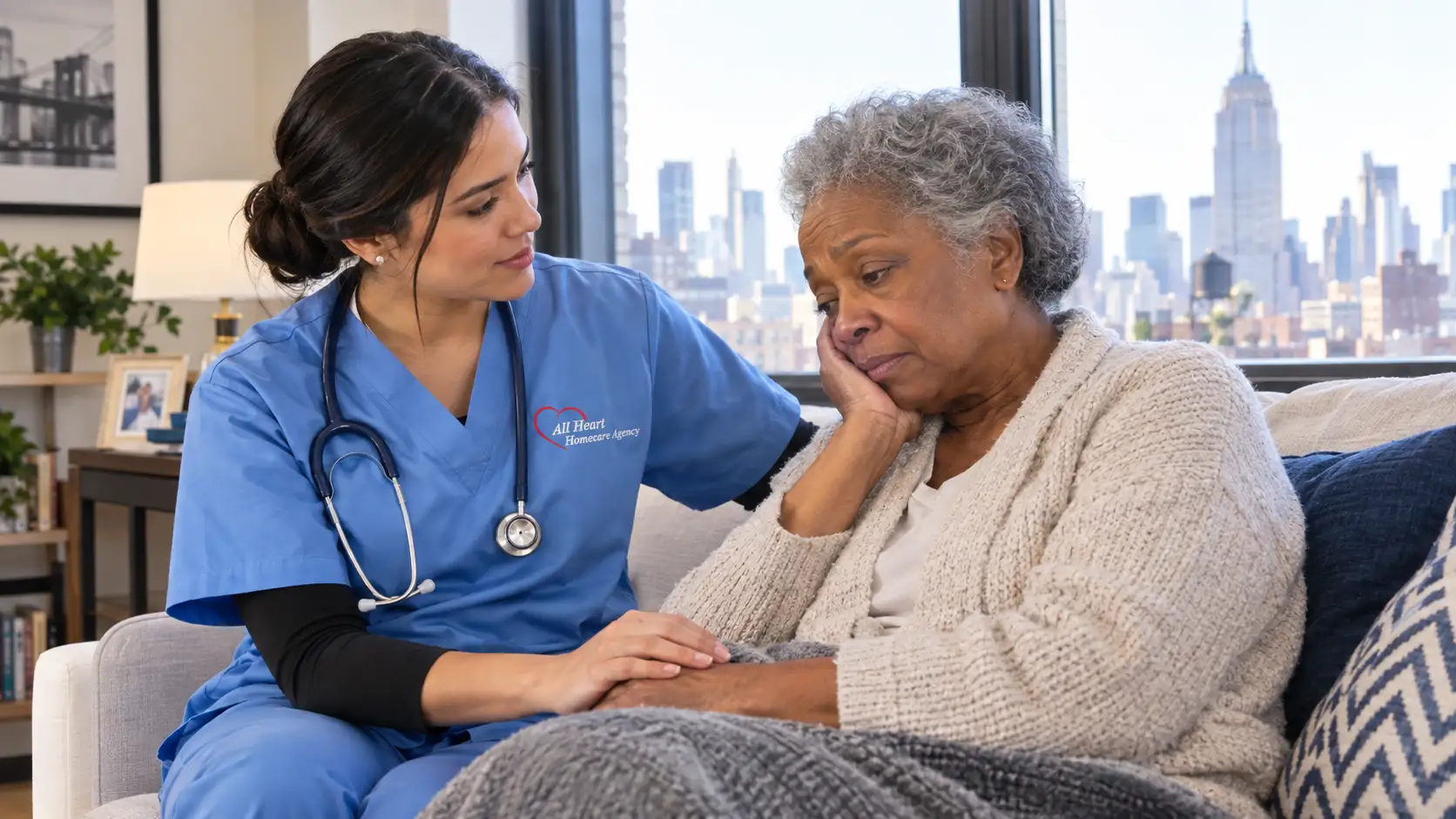
For an older woman living alone after the loss of a spouse, isolation can quietly fuel depression, and companionship is one of the most powerful antidotes. A caregiver provides regular, meaningful connection; encourages activity and healthy meals; supports medication routines; watches for warning signs; and ensures she gets to appointments.
That steady, caring presence eases loneliness and helps her feel seen, valued, and supported.
Explore our senior companionship care, read caring for the mind: mental health and home care, and see our guide Home Care for Depression.
Getting help
If signs of depression last two weeks or more, worsen, or interfere with daily life, talk to a doctor; depression in older women is very treatable with therapy, medication, or both.
If an older woman is struggling with thoughts of suicide or overwhelming despair, get help right away: call or text 988 (Suicide & Crisis Lifeline, 24/7), or contact the SAMHSA National Helpline at 1-800-662-4357 for free, confidential support and referrals.
Call 911 in an emergency.
How To Help a Depressed Older Woman
- Talk gently and listen. Let her know you’ve noticed and you care, without judgment.
- Take it seriously. Don’t dismiss her symptoms, especially physical complaints, as “just aging.”
- Encourage a doctor’s visit. Offer to go with her; a checkup can rule out other causes and start treatment.
- Rebuild connection. Regular visits, calls, and companionship directly counter the isolation that feeds depression.
- Bring in daily support. In-home care provides consistency, watchfulness, and warmth. See the benefits of in-home care for seniors.
The Bottom Line for New York Families
Depression in elderly women is common, but it is never a normal or unavoidable part of growing older. Shaped by loss, isolation, chronic illness, and hormonal change, it often hides behind physical complaints, which is why it goes unnoticed for so long.
The most important things a family can do are simple: take the signs seriously, encourage professional care, and surround her with connection.
With treatment and warm, consistent support at home, the women who spent their lives caring for others can find comfort, connection, and brighter days again.
Let All Heart Homecare bring comfort and companionship to the woman you love.
Our compassionate caregivers support older women across NYC– Brooklyn, Manhattan, the Bronx, Queens, and Staten Island with daily help and companionship that ease loneliness and lift spirits, alongside their medical care. Reach out for a free, no-pressure conversation.
Frequently Asked Questions: Depression in Elderly Women
Why are older women more likely to get depression?
Older women face several overlapping risks: hormonal changes, longer life expectancy that often means widowhood and living alone, higher rates of chronic illness and chronic pain, caregiving burdens, and financial strain. Women are also more likely to be diagnosed with depression. These factors, not aging itself, drive the higher rates.
What does depression look like in older women?
In older women, depression often appears as physical complaints (unexplained aches, pains, headaches, or digestive trouble), social withdrawal, neglecting hygiene or meals, loss of interest in hobbies, irritability, feelings of worthlessness, and memory or concentration problems, rather than obvious sadness. This is why it is so often missed.
What are the consequences of depression in the elderly?
Untreated depression in older adults can worsen chronic illnesses, weaken the immune system, cause weight and sleep problems, increase disability and cognitive decline, deepen isolation, raise the risk of hospitalization, and increase suicide risk. Treating depression improves both mental and physical health, which is why recognizing it matters.
What is the most common type of depression in elderly people?
Major depressive disorder is the most common diagnosed form of depression in older adults. Many seniors also experience significant depressive symptoms that don’t meet the full criteria (sometimes called minor or subsyndromal depression), which still deserve attention and treatment.
How do you help a depressed older woman?
Talk gently and without judgment, take the signs seriously, and encourage a doctor’s evaluation, offering to go with her. Reduce isolation with regular connection and companionship, support healthy routines, and consider in-home care. If she expresses thoughts of self-harm, get help immediately by calling or texting 988.
Is depression in older women treatable?
Yes, very. Depression in older women is not a normal part of aging and responds well to treatment, usually psychotherapy, medication, or a combination tailored for older adults. Reducing isolation and adding daily support and companionship also make a meaningful difference.
When should an older woman see a doctor for depression?
See a doctor if signs of depression last two weeks or more, worsen, or interfere with daily life. Depression in older women is very treatable. If there are any thoughts of self-harm or hopelessness, seek help immediately through the 988 Suicide and Crisis Lifeline or the SAMHSA National Helpline at 1-800-662-4357.