Key takeaways
- Home care after tumor surgery provides short-term, in-home support tailored to oncology and neurosurgery recovery, including help with mobility, medication, and follow-up appointments.
- Patients recovering from brain tumor surgery often need help managing fatigue, cognitive changes, seizure precautions, and wound care during the first six weeks at home.
- Brain tumor surgery in the U.S. typically costs between $50,000 and $150,000 before insurance, and home recovery care is rarely included in the surgical bundle.
- Most craniotomies for brain tumors take between 3 and 6 hours, though complex cases can run longer depending on tumor size, location, and approach.
- In NYC, tumor recovery care is accessible through Medicaid, private pay, and workers’ compensation, often within 24 to 48 hours of hospital discharge.
Going home after surgery should feel like relief. For a lot of people, it doesn’t. You’re in pain, your mobility is limited, and the things you normally do without thinking: cooking a meal, getting to the bathroom, remembering which pill to take, suddenly feel impossible. And if there’s no one to help with all of that, you might be wondering what your actual options are.
A 2024 study published in JAMA Network Open found that nearly 1 in 8 older adults who underwent major surgery were readmitted to the hospital within 30 days, with that number rising to more than 1 in 4 within six months. Those numbers climb even higher for patients without adequate support at home after discharge.
If you’re searching for temporary home care after surgery, the answer is clear: yes, short-term professional in-home care exists, it is accessible, and it does not require a lifetime commitment. Whether you had a knee replacement, open heart surgery, tumor removal, or any other procedure, you can get post hospitalization care right in your own home, on your terms and timeline.

This article walks you through everything you need to know before you’re discharged, including what short-term home care actually covers, who qualifies, and how to arrange it fast.
What is Home Care After Tumor Surgery?
Home care after tumor surgery is a short-term arrangement where a trained aide or licensed nurse comes to your home to help during the recovery period that follows an oncology procedure. It bridges the gap between hospital discharge and full functional recovery.
This is different from long-term care for chronic conditions. Tumor recovery care is finite, often lasting two to eight weeks, and is shaped around the specific surgery, the patient’s pre-surgery baseline, and any adjuvant treatment scheduled afterward, such as radiation or chemotherapy.
What Tumor Recovery Care Typically Includes
The scope depends on the surgery and the patient’s needs, but a standard care plan usually covers:
- Personal care: bathing without disturbing surgical sites, gentle grooming, oral care, and dressing
- Wound observation and reporting changes to the surgical team, including signs of infection or fluid leakage
- Meal preparation aligned with post-operative dietary needs, including soft-texture foods or low-sodium plans
- Medication reminders, especially important for anti-seizure drugs, steroids, and anticoagulants common after brain tumor surgery
- Mobility support and fall prevention, particularly during the first 72 hours when balance and orientation may be affected
- Transportation to follow-up oncology and neurosurgery appointments
- Light housekeeping, laundry, and a calm home environment to support healing
- Companionship and emotional presence, which has measurable effects on recovery and mental well-being
For patients with more complex post-surgical needs, adult private duty nursing layers in licensed clinical care, such as IV management, sterile dressing changes, or coordination with the oncology team between scheduled visits.
Home Care versus Inpatient Rehab and Skilled Nursing Facilities
Inpatient rehab and skilled nursing facilities provide structured, around-the-clock clinical environments. They are appropriate when there are significant complications, when a patient cannot safely transfer or ambulate, or when intensive physical and occupational therapy are clinically required.
Home recovery is the more common path for tumor surgery patients who are medically stable but still need help managing daily life. The goal is to keep recovery in a familiar environment, lower the risk of hospital-acquired infections, and protect quality of life during a period that is already emotionally demanding.
| Feature | Home care after tumor surgery | Skilled nursing facility | Inpatient rehab |
| Location | Patient’s home | External facility | External facility |
| Typical duration | Days to weeks | Weeks | Weeks to months |
| Clinical level | Aide or LPN/RN | RN-supervised | PT/OT supervised |
| Independence | High | Low | Moderate |
| Infection exposure | Low | Higher | Higher |
| Cost flexibility | High | Low | Moderate |
| Medicaid coverage | Often yes | Often yes | Often yes |
Brain Tumor Surgery Cost and What Insurance Usually Does Not Cover
The cost of brain tumor surgery in the United States typically ranges from $50,000 to $150,000, with complex cases reaching $200,000 or more before insurance. According to a Cleveland Clinic published analysis of healthcare costs, the bundled hospital fee usually covers the surgery, anesthesia, the immediate ICU stay, and standard post-op imaging.
What it almost never covers is the home recovery period. Families are often surprised to find that:
- Home health aides for personal care are not part of the surgical bundle
- Private duty nursing for around-the-clock support is rarely included
- Transportation to follow-up appointments is usually out of pocket
- Modifications to the home, such as shower chairs or grab bars, are rarely reimbursed
- Meal delivery or housekeeping help during recovery is not standard
This is where Medicaid, private pay home care, and workers’ compensation pathways become important. Each one fills part of the recovery gap that the surgical bill does not.
How Tumor Recovery Care is Arranged in NYC
Setting up home care after tumor surgery in New York City is more straightforward than most families expect. The barriers are usually informational, not procedural. Care can be in place by discharge if the right people are looped in early.
Through Your Hospital Discharge Team
Major NYC hospitals, including Memorial Sloan Kettering, Mount Sinai, NYU Langone, and Weill Cornell, all have discharge planning teams that coordinate post-surgical home care. If you tell your surgical team before the procedure that you live alone or have limited support, they can connect you with a certified agency before discharge. This is the fastest pathway and often results in care starting the day you arrive home.
Through a Home Care Agency Directly
You can also contact a home health care agency directly, before or after surgery. Most agencies can complete an intake assessment by phone within a day, match the patient with an aide who has oncology or post-craniotomy experience, and start care quickly.
Through Medicaid
New York Medicaid covers home health care after tumor surgery when it is medically necessary and ordered by a physician. A formal assessment is required, but the process can usually be initiated before discharge so there is no gap in coverage.
Through Workers’ Compensation
If your tumor surgery is connected to a documented occupational exposure or workplace injury, workers’ compensation home care may apply. This is a separate benefit from standard health insurance and covers in-home care during the recovery period.
Why Having No One To Help After Tumor Surgery Is a Real Medical Risk
Many people go into surgery assuming they’ll manage recovery on their own or with occasional help from family. What they don’t account for is how physically demanding the first two to four weeks after an operation actually are, and how quickly things go wrong without adequate support.
Research from Yale School of Medicine found that readmission after major surgery is substantially higher among older community-living adults, particularly those without adequate post-discharge support. Separate research found that patients living alone were over three times more likely to be readmitted to the hospital within 30 days compared to those who had someone at home with them.
That number should put the cost-benefit calculation in sharp relief. A few weeks of after surgery care assistance is almost always less disruptive, and less expensive, than an unplanned hospital readmission.
5 Common Complications That Happen Without In-Home Support
When there’s no one to help after surgery, small problems turn into serious ones. These are the most common complications that arise in unmanaged post-surgical recoveries:
- Medication errors: Missing doses or taking the wrong combination of post-op medications can cause dangerous outcomes, especially with blood thinners or pain medications.
- Dehydration and poor nutrition: Patients who can’t cook for themselves often eat poorly or not at all, slowing healing and weakening the immune response.
- Falls: Reduced mobility combined with post-anesthetic grogginess dramatically increases fall risk, particularly in the bathroom and on stairs.
- Wound issues: Without daily monitoring, infections can progress unnoticed until they become serious, sometimes requiring another hospital stay.
- Isolation: Recovering alone without companionship significantly affects mental well-being and motivation to follow recovery protocols.
None of these complications are inevitable. All of them become much less likely when there is consistent, trained support in the home.
How All Heart Homecare Supports Tumor Recovery in NYC
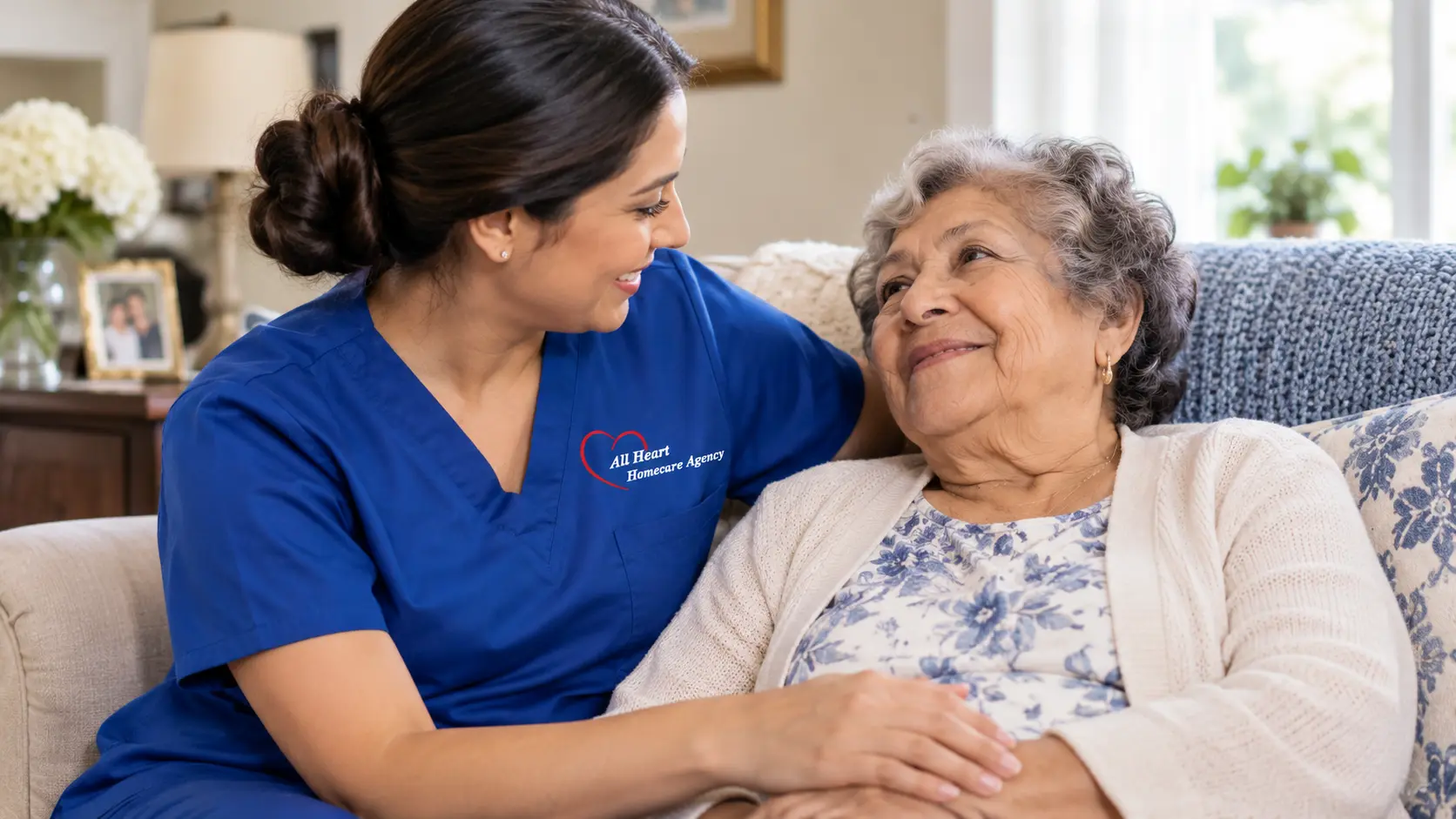
All Heart Homecare Agency has been helping New Yorkers recover at home for over 13 years. As a family-owned agency with offices in Brooklyn and Manhattan, they serve all five boroughs, with more than 1,000 active clients and 500-plus verified reviews.
Tumor surgery recovery, including post-craniotomy care, is one of the areas where their model fits well. Certified home health aides assist with bathing around surgical sites, meal preparation, mobility support, and transportation to follow-up oncology and neurosurgery appointments.
For families needing clinical oversight, adult private duty nursing and private pay LPN nursing provide skilled in-home care without the cost of a facility. All caregivers go through rigorous background screening, and 24/7 on-call support means a qualified person is reachable when something feels off at midnight.
Recovery should not be something you navigate alone. Contact us today for a free consultation. Start your care plan now.
Frequently asked questions about home care after tumor surgery
How soon after tumor surgery can home care start?
Home care can usually begin within 24 to 48 hours of hospital discharge through a certified agency, and often the same day for private pay arrangements. Notifying the hospital discharge team before surgery is the fastest path, as they can coordinate directly with an agency so a caregiver is in place when you arrive home.
How long does recovery from brain tumor surgery take?
Most patients need 6 to 12 weeks for primary recovery, though full neurological recovery can take 6 months or longer. The first 2 weeks at home are typically the most demanding, with fatigue, headaches, and cognitive slowing being most pronounced. Recovery speed depends on tumor location, surgical approach, age, and whether radiation or chemotherapy follows the operation.
Does Medicaid pay for home care after brain tumor surgery in New York?
Yes, New York Medicaid covers home health care after brain tumor surgery when it is medically necessary and ordered by a physician. A formal assessment determines authorized hours and care level. Patients should contact a certified Medicaid home care agency before discharge, as this allows the assessment to proceed while the patient is still hospitalized.
Can I drive after brain tumor surgery?
No, driving is restricted after brain tumor surgery, typically for at least 3 to 6 months, and longer if seizures occur. New York State has specific reporting requirements for seizure history. This is one reason transportation to follow-up appointments is a core part of post-craniotomy home care, and why a reliable caregiver is essential during the first months home.
Is home care after tumor surgery covered by workers’ compensation?
Yes, if the tumor or surgery is connected to a documented occupational exposure or workplace injury, New York workers’ compensation may cover in-home care during recovery. The injured worker must be receiving active workers’ compensation benefits, and the need for home care must be documented by a treating physician.
What is the difference between a home health aide and a private duty nurse for tumor recovery?
A home health aide assists with daily living tasks like bathing, meals, mobility, and light housekeeping, but cannot perform clinical procedures. A private duty nurse, either an LPN or RN, can manage IV medications, sterile dressing changes, and direct coordination with the surgical or oncology team. Most tumor recovery patients do well with an aide, with nursing added when there are clinical needs.
How much does private home care after tumor surgery cost in NYC?
Private pay home care in New York City typically ranges from $30 to $40 per hour for a certified home health aide and $60 to $100 per hour for LPN-level nursing care. Around-the-clock coverage costs more but can often be arranged at a daily rate. Medicaid and workers’ compensation can eliminate out-of-pocket costs for patients who qualify.