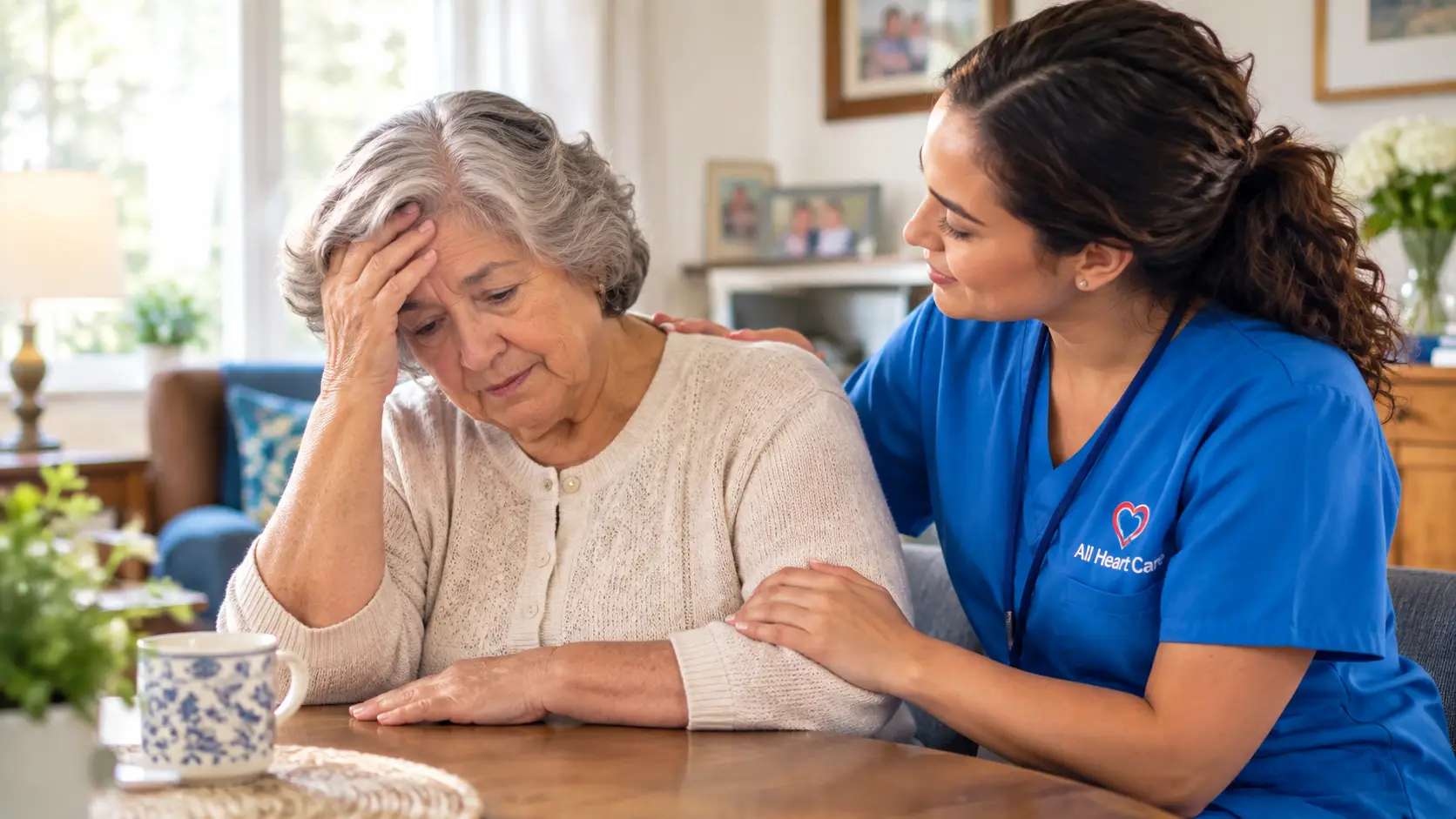
Open heart surgery is one of the most serious procedures a person can go through. Once it’s over, many patients and families assume the hardest part is behind them. In reality, the weeks that follow discharge are just as demanding as the surgery itself, and what happens at home during that period has an enormous impact on how well someone actually recovers.
The transition from hospital to home is where things tend to go wrong. Patients leave with a folder full of instructions, a handful of prescriptions, and a vague idea of what “rest” means for the next six weeks. Without the right support structure, warning signs get missed, activity limits get ignored, and complications that were completely preventable end up sending people back to the emergency room.
Research published in PMC found that infections, arrhythmias, volume overload, and pleural effusions together account for 58% of readmissions within 30 days of cardiac surgery discharge, all conditions that skilled home monitoring is specifically designed to catch early.
This guide walks through the full open heart surgery healing process: what your body is doing in each phase, what caregivers and family members need to watch for, and how to set up a home environment that actually supports recovery.
Key Takeaways
- Full recovery from open heart surgery typically takes 6 to 12 weeks, with the first 30 days being the highest-risk window for complications and hospital readmission.
- Patients who receive structured home care after cardiac surgery are significantly less likely to be readmitted within 30 days compared to those managing recovery on their own.
- Wound care, medication management, activity pacing, and nutrition are the four pillars that determine the quality of a patient’s recovery at home.
- Family caregivers need guidance too. Burnout and uncertainty are common when loved ones are managing recovery without professional support.
- Home health care services can provide skilled nursing, aide support, and 24/7 monitoring that dramatically reduces risk during the most vulnerable phase of recovery.
What Heart Surgery Recovery Looks Like
Heart surgery recovery is not a straight line. It is a process with distinct phases, each carrying its own challenges and milestones. Most people have a general sense that it takes a while, but underestimate just how much the body is doing to heal from this kind of procedure.
During open-heart surgery, surgeons cut through the breastbone (sternum) to access the heart. The demands of post-hospitalization care begin the moment a patient leaves the operating room, long before they ever walk through their front door.
Whether the procedure was coronary artery bypass grafting (CABG), valve repair or replacement, or another intervention, the sternum must heal completely before a patient can resume most normal activities. That bone takes roughly six to eight weeks to knit back together, and it cannot be rushed.

The Hospital Phase (days 1 to 7)
Most patients spend five to seven days in the hospital after open-heart surgery. The first one to two days are typically spent in the ICU, where the care team monitors heart rhythm, blood pressure, breathing, and fluid balance intensively.
Once stable, patients move to a step-down cardiac unit. By the time discharge approaches, they should be walking short distances, managing pain with oral medications, and showing no signs of infection, arrhythmia, or fluid buildup around the lungs or heart.
A 2024 study published in the European Heart Journal found that early mobilization protocols in post-open heart surgery patients reduced average ICU stays from 8.8 days to 5.8 days, reinforcing that what happens in the ICU is not passive waiting; it’s active, structured recovery that directly determines when a patient goes home
Week One at Home: The Most Fragile Period
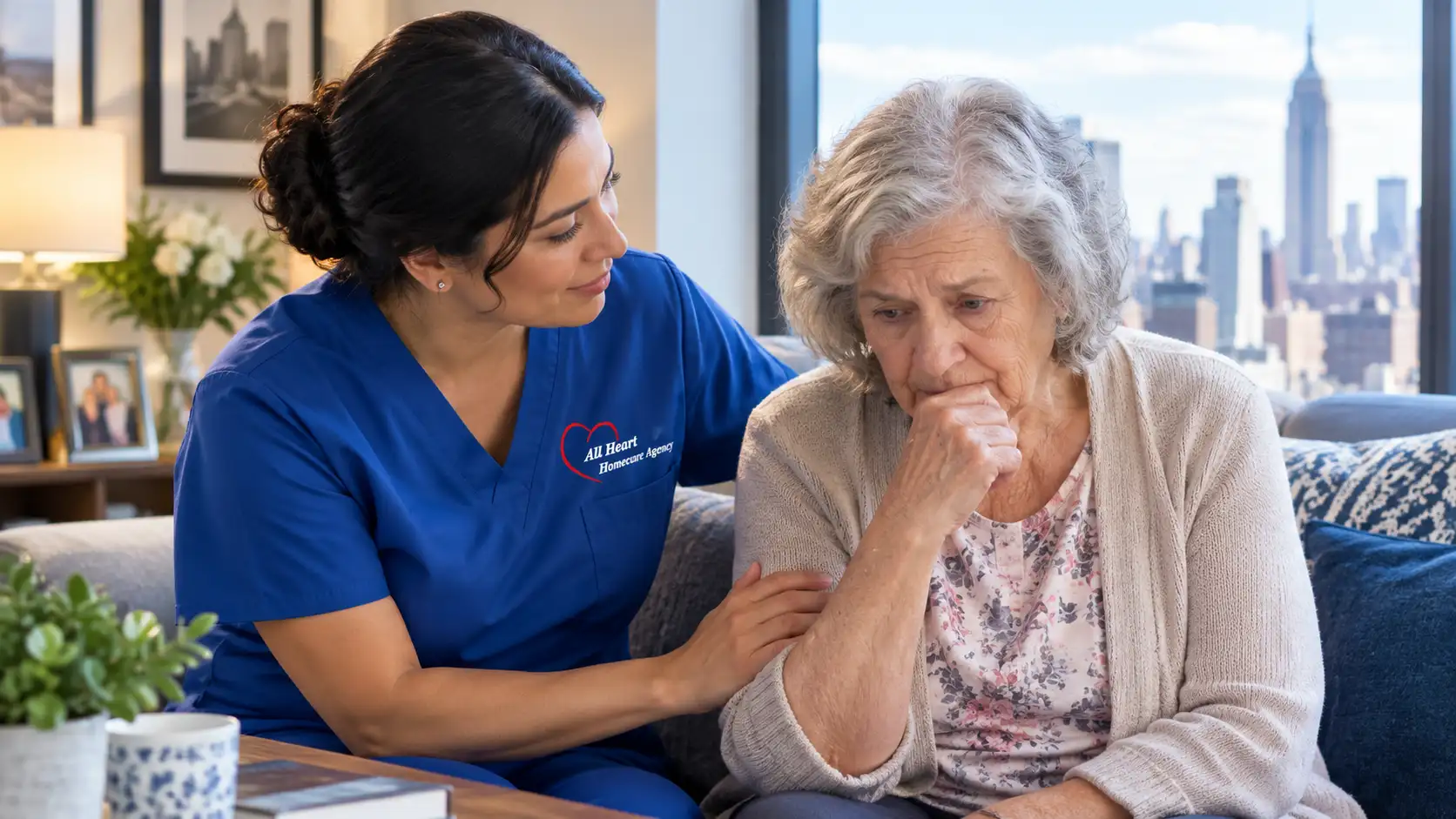
The first week back home is the period most caregivers are least prepared for. The patient may look far more alert than they feel, or feel far worse than expected. Both are normal.
Key realities of this phase include:
- Fatigue: Profound exhaustion is typical. Patients should sleep as much as their body requires without guilt.
- Pain management: Incision and chest pain are expected but need to be monitored. Pain that worsens, rather than gradually improves, warrants a call to the surgical team.
- No lifting: Nothing heavier than five to ten pounds for at least six weeks. This includes groceries, pets, and grandchildren.
- Sternal precautions: Patients should not push, pull, or use their arms to get up from a chair or bed. Rolling to the side first protects the healing sternum.
- Driving restrictions: Most surgeons restrict driving for 4 to 6 weeks due to airbag risk and reaction-time limitations.
Weeks Two Through Six: Slow, Steady Progress
This is the phase when most patients start to feel somewhat more like themselves, which can actually pose a risk. Feeling better does not mean the body is done healing. The sternum is still fusing, the heart is still adapting, and the immune system is working hard.
Most patients can gradually increase activity between weeks two and six, following the physical therapy plan provided by their care team, while continuing to attend follow-up appointments to monitor healing progress. For families navigating this window without clinical support at home, around the clock home care can provide the consistent oversight that makes the difference between catching a complication early and missing it entirely.
Walking is the gold standard activity during this phase. Short, consistent walks that increase gradually in duration and distance are what cardiac rehabilitation programs build on. Pushing too hard too fast, or doing nothing at all, both carry their own risks.
Months Two Through Six: Rebuilding Strength
Full recovery from open heart surgery typically takes three to six months, depending on individual health, though most patients return to daily activities within two months. For older adults or those managing other conditions, the timeline can be longer.
Cardiac rehabilitation is strongly recommended during this phase. It is a medically supervised program of exercise, education, and support that has been shown repeatedly to reduce the risk of future cardiac events and improve quality of life. Despite the evidence, participation rates remain lower than they should be, particularly among older patients who face transportation barriers.
What To Watch For During The Open Heart Surgery Healing Process
Knowing what is normal versus what requires urgent attention is one of the most valuable things a caregiver can understand. The following warning signs should prompt an immediate call to the surgeon or a trip to the emergency room.
Signs that require urgent attention include:
- Fever above 101°F: Can signal infection, including wound infection or pneumonia.
- Increased redness, warmth, swelling, or drainage at the incision site: Sternal wound infections are serious and require prompt treatment.
- Chest pain that is new or worsening: Different from expected incision discomfort; could indicate cardiac issues or pericarditis.
- Difficulty breathing or shortness of breath at rest: May indicate fluid around the lungs (pleural effusion) or heart failure.
- Irregular heartbeat or palpitations: Atrial fibrillation is the most common arrhythmia after open heart surgery and requires monitoring.
- Leg swelling that is sudden or one-sided: Could indicate a blood clot.
- Confusion, difficulty speaking, or weakness on one side of the body: Stroke symptoms require 911 immediately.
Hospital readmission rates within 30 days of cardiac surgery range from 15 to 25 percent nationally, and many of these readmissions are preventable with proper home monitoring.
The patients who avoid readmission are almost always those who have professional home health care in place during recovery; someone trained to recognize these warning signs and who has a clear protocol for responding before a situation becomes an emergency.
Cardiac Rehabilitation and Long-Term Heart Health After Surgery
Overall utilization of cardiac rehabilitation remains low, at just 28% of eligible patients, meaning nearly three in four people who qualify never fully engage with the program shown to reduce their risk of dying
Patients who complete cardiac rehabilitation after bypass surgery show measurably lower rates of repeat hospitalization and cardiac events compared to those who do not participate. Despite this, referral rates and completion rates remain below what they could be, particularly among older adults, women, and patients who face transportation challenges.
Home health support can bridge the gap between hospital discharge and the start of formal cardiac rehabilitation. A visiting nurse or home health aide can help a patient build the baseline stamina and confidence needed to participate fully in a structured program once they are eligible.
Managing Fatigue and Pacing Activity
One of the most frustrating aspects of heart operation recovery is the unpredictability of energy levels. Some days a patient will feel nearly normal; others they will be exhausted by a short walk to the kitchen. This fluctuation is physiologically normal and does not indicate something is wrong.
The key principle is energy pacing: distributing activity throughout the day with deliberate rest periods rather than pushing through exhaustion in one session. Occupational therapists, when included in the care team, can help patients prioritize activities and restructure their routines around their current capacity.
Emotional Wellbeing and Mental Well-Being After Cardiac Surgery
The emotional dimension of heart surgery recovery is one that medical teams frequently underestimate, and families often do not know how to address. Depression and anxiety are common after major cardiac procedures, affecting an estimated 20 to 40 percent of patients in the months following surgery.
Symptoms to watch for include persistent low mood, withdrawal from activities the patient previously enjoyed, irritability, poor sleep unrelated to physical discomfort, and loss of appetite beyond what is expected. These are not signs of weakness or ingratitude. They are predictable responses to a major medical experience and deserve the same attention as physical symptoms.
Connection matters during recovery. Visitors, phone calls, and having a caregiver present who is engaged and warm can make a real difference in how a patient navigates the emotional weight of this period. For patients recovering from a major cardiac procedure, adult private duty nursing provides exactly that kind of consistent, skilled presence.
Why All Heart Care Helps Patients Recover From Open Heart Surgery at Home
Recovering from heart surgery doesn’t end the moment you leave the hospital. The weeks that follow can feel overwhelming and having the right support at home can make all the difference between a smooth recovery and a difficult one.
All Heart Homecare Agency exists precisely to fill that gap. With over 1,000 active clients across New York City, a team of rigorously screened and certified caregivers, and service models ranging from a few hours per day to full 24/7 live-in care, they are equipped to meet patients where they are in their recovery process.
Their private-pay programs allow families to build a fully customized care plan without insurance restrictions, while Medicaid-covered services are available to qualifying patients. BBB accredited, award-winning, and family-operated, All Heart brings genuine care and deep professional experience to one of the most vulnerable periods in a patient’s life.
You should not have to manage this alone, and your loved one should not have to either.
Contact us today for a free consultation.
Frequently Asked Questions About Home Care After Open Heart Surgery
How long does it take to fully recover from open-heart surgery?
Most patients reach full recovery between three and six months after open-heart surgery, though the timeline varies based on age, overall health, and the complexity of the procedure. The first six to eight weeks focus on sternal healing and rebuilding stamina. Cardiac rehabilitation, which typically begins four to six weeks post-surgery, plays a major role in the speed and completeness of recovery.
What activities are restricted after open-heart surgery?
For at least six weeks following surgery, patients should avoid driving, lifting anything heavier than five to ten pounds, pushing or pulling with their arms, and any activity that puts strain on the sternum. Sexual activity is typically restricted for four to six weeks as well. Your surgical team will provide a specific activity progression plan based on your individual procedure and health status.
What are the signs of infection after heart surgery?
Signs of possible wound or sternal infection include fever above 101°F, increased redness or warmth along the incision line, drainage or discharge from the wound site, and pain that worsens rather than improves. Any of these should be reported to the surgical team immediately. Left untreated, sternal wound infections can become life-threatening.
Can a home health aide help with recovery after heart surgery?
Yes. A certified home health aide can assist with bathing, grooming, dressing, meal preparation, light housekeeping, and medication reminders. For patients who need skilled nursing care, a licensed practical or registered nurse can handle wound care, vital sign monitoring, medication management, and coordination with the surgical team. The level of support needed typically decreases as recovery progresses.
Does Medicaid cover home care after open-heart surgery in New York?
In many cases, yes. New York Medicaid covers home health services for qualifying patients who meet medical necessity criteria, which heart surgery patients often do. Coverage can include home health aide visits, nursing services, and in some cases around-the-clock care. A home care agency familiar with New York Medicaid, like All Heart Homecare, can help determine eligibility and coordinate the authorization process.
Is it better to recover from heart surgery at home or in a rehab facility?
For many patients, home recovery is preferable when appropriate support is in place. Home environments reduce exposure to hospital-acquired infections, support better sleep, and allow patients to be surrounded by family. Research has shown that patients receiving home visits from a cardiac nurse practitioner following bypass surgery were three times less likely to be readmitted or die within 30 days compared to those receiving standard care. The key is having skilled support in the home rather than recovering without it.
What should family caregivers expect when caring for someone after heart surgery?
Caregiving after open heart surgery is physically and emotionally demanding. Expect the patient to need help with basic activities of daily living for several weeks, including bathing, dressing, and preparing meals. You should also expect mood fluctuations, fatigue, and moments of frustration from the patient. Setting realistic expectations, accepting help, and knowing when to call the surgical team are the most important things a family caregiver can do. Professional home care support can relieve the burden significantly.