
Watching a loved one survive a stroke is terrifying. What comes next can feel just as overwhelming. The average ischemic stroke hospital stay in the United States is around 5–6 days, and families are often left managing a complex recovery at home before they feel anywhere close to ready.
A stroke doesn’t just affect movement. Depending on severity, it can change how a person speaks, swallows, processes emotions, and performs the most basic tasks they’ve done their entire life. Families navigating this for the first time often don’t know what kind of post hospitalization care is available, what they should be doing themselves, and when a professional caregiver is truly necessary.
This guide covers the practical side of stroke recovery at home: what to expect, how to structure a care plan, which activities help most, and how to recognize when the needs at home go beyond what family alone can handle.
Key takeaways
- Most stroke survivors are discharged home, often before families feel ready, making early care planning critical.
- Recovery is most active in the first six months, but meaningful progress can continue well beyond that with consistent support.
- A well-structured home care plan addresses physical, cognitive, and emotional needs, not just daily tasks.
- Activities for stroke patients at home should be routine, purposeful, and adapted to current ability rather than pushed too hard too fast.
- Professional home care aides can fill critical gaps in safety, rehabilitation support, and caregiver relief.
What Home Care for Stroke Patients Actually Involves
Stroke is the leading cause of long-term disability in the United States. Research shows that six months after discharge, 50% of stroke survivors have one-sided paralysis, 30% cannot walk without assistance, and 25% remain dependent on basic activities of daily living. These aren’t rare cases. They’re the norm.
Yet roughly half of all stroke patients in the United States are discharged directly home, often with new disabilities and a family that has had very little time to prepare. The question most families face isn’t whether their loved one needs support at home. It’s what that support needs to look like.
The Difference Between Short-Term and Long-Term Home Care Needs
In the weeks immediately following a stroke, the focus is on safety, medical monitoring, and preventing complications like falls, infections, or a second stroke. This is often called the acute recovery window. An aide or nurse during this phase helps with wound care, medication management, mobility assistance, and ensuring basic hygiene and nutrition needs are met.
As the first few months pass, the nature of care shifts. According to American Heart Association data, over 50% of stroke survivors recover the capacity to perform activities of daily living between six and twelve months post-stroke. This window is where consistent, structured support has the greatest long-term impact on independence.
Long-term care, extending beyond the one-year mark, becomes less about regaining lost function and more about maintaining gains, managing chronic conditions, and supporting quality of life. Patients with complex ongoing medical needs may transition into adult private duty nursing, which provides skilled in-home nursing care without requiring a facility placement.
What a Certified Home Health Aide Does During Stroke Recovery
A certified home health aide isn’t a nurse, but they are trained to provide hands-on support with the daily tasks that become difficult or dangerous after a stroke. Their role typically includes:
- Personal hygiene: bathing, dressing, grooming, oral care
- Mobility and transfer assistance: safely moving from bed to chair, navigating stairs, and fall prevention
- Meal preparation: cooking, feeding assistance, and monitoring dietary needs
- Medication reminders: ensuring prescriptions are taken on time
- Light housekeeping: maintaining a safe, clean living environment
- Accompanying patients to medical appointments and therapy sessions
- Observing for warning signs of complications and reporting changes to family or care coordinators
For families who are also acting as caregivers, a home health aide provides structured relief during the hours they most need it. This matters because studies show that 88% of home-dwelling stroke survivors rely on family care, with family members averaging 37 hours of caregiving per week.
Burnout in that situation is impossible. It’s a near certainty without outside support.
How to Deal With a Stroke Patient at Home
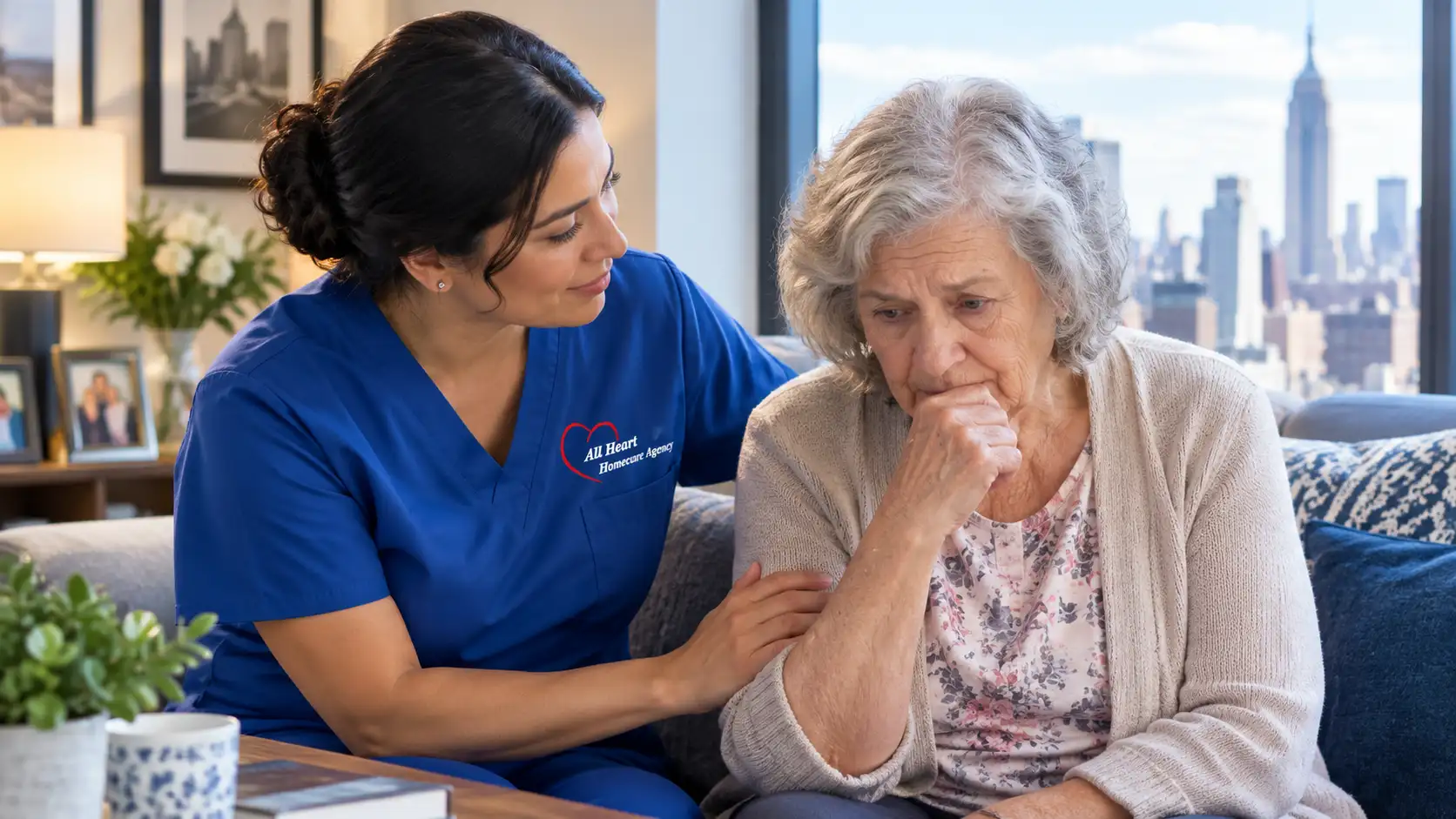
Caring for someone who has had a stroke requires a different kind of patience than most family caregivers expect. The person you’re caring for is often frustrated, scared, and grieving their own independence. That emotional layer shapes every interaction.
There is no single right answer for every patient, but the families who manage best tend to follow a few consistent principles.
Build a Predictable Daily Routine
Stroke survivors, especially those with cognitive or language impairments, benefit enormously from structure. When every day follows a similar pattern, the brain doesn’t have to work as hard to anticipate what comes next. This reduces anxiety, improves cooperation, and makes personal care tasks less confrontational.
A morning routine might begin with the same sequence of hygiene tasks, followed by breakfast at the same time, then a short period of physical activity. The specifics matter less than the consistency. When something in the routine changes, give advance notice whenever possible.
Adapt Communication for Stroke-Related Language Changes
Aphasia, the difficulty with language caused by stroke, affects a large portion of survivors. Some patients struggle to find words. Others understand everything but can’t speak clearly. Some have trouble reading or writing. The approach most caregivers get wrong is rushing, finishing sentences, or speaking louder as if that helps comprehension.
What actually works: speak slowly and clearly, use short sentences, allow plenty of time for responses, and use visual cues when words aren’t landing. A simple picture board or tablet with common phrases can make daily communication far less stressful for both the patient and the caregiver.
Prioritize Fall Prevention From Day One
Falls are one of the leading causes of post-stroke injury, and the home environment needs to be assessed with that in mind before the patient ever arrives. This means removing loose rugs, installing grab bars in the bathroom, clearing walkway clutter, and ensuring adequate lighting throughout the home, including overnight.
A home health aide or occupational therapist can conduct a walkthrough of the living space and flag hazards that family members might overlook simply because they’ve lived with them for years. This is one of the most overlooked but highest-impact steps a family can take.
Know When Caregiving Has Exceeded Your Capacity
This is a conversation most families avoid until they’re already in crisis. Signs that the current care arrangement is no longer sustainable include:
- The patient has had one or more falls
- Medications are being missed or incorrectly administered
- The family caregiver is missing work, sleep, or their own medical appointments
- The patient is showing signs of neglect: skin breakdown, poor hygiene, and weight loss
- Safety risks have increased due to behavioral changes or nighttime wandering
Recognizing this isn’t failure.
It’s an honest assessment, and it’s what protects both the patient and the people caring for them.
| Situation | Recommended response |
| Patient needs help with daily tasks only | Certified home health aide, several hours per day |
| Patient has complex medical needs | In-home nursing, visiting therapists |
| Patient requires overnight supervision | Around-the-clock or live-in home care |
| Family caregiver needs scheduled breaks | Respite home care, part-time aide |
| Patient at risk of nursing home placement | NHTD program (in New York State) |
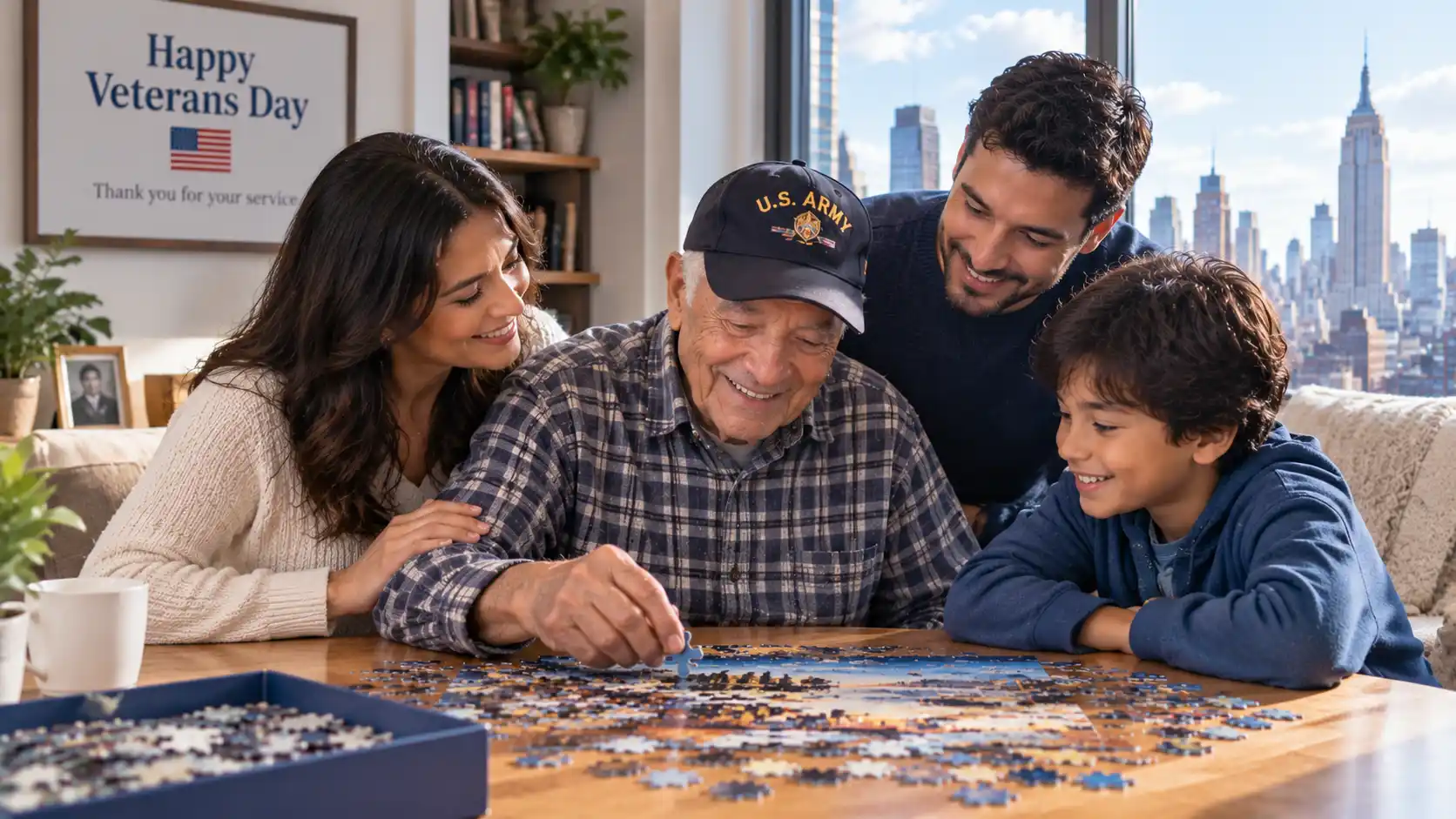
| Patient is a veteran | VetAssist program, VA-covered home care |
Activities For Stroke Patients at Home
Structured activity is one of the most powerful tools in stroke recovery, and it’s one that often gets neglected once formal therapy sessions are over. Studies show that 40% of stroke survivors are physically inactive one year after their stroke. That inactivity directly limits how much of their function they recover.
The goal with at-home activities isn’t to replicate a physical therapy clinic. It’s to keep the brain and body engaged in purposeful, manageable ways that support the neuroplastic changes happening during recovery.
Physical Activities That Support Recovery
Physical activity after a stroke should be adapted to the patient’s current ability and cleared by their medical team. That said, the range of options is much broader than most families realize:
- Seated exercises: arm raises, leg lifts, shoulder rolls, ankle circles
- Short walks: beginning with supervised walking inside the home, then progressing to the block
- Resistance band exercises: for upper extremity strength, particularly for patients with one-sided weakness
- Balance work: standing near a sturdy surface, shifting weight, practicing sit-to-stand
- Hand and finger exercises: squeezing a soft ball, picking up objects of different sizes, and practicing writing
The key is repetition over intensity. Short, frequent sessions, even 10–15 minutes several times a day, tend to produce better outcomes than occasional longer efforts.
Cognitive and Social Activities
Keeping the mind engaged is equally important, and it doesn’t have to feel like work. Activities that many stroke patients find meaningful and that support cognitive recovery include:
- Card games and board games adapted for current ability
- Puzzles (starting with larger, simpler formats and increasing complexity over time)
- Reading aloud or listening to audiobooks
- Cooking simple meals with supervision, following familiar recipes
- Gardening or tending to plants
- Video calls with family and friends, with a caregiver present if needed for support
Social connection is especially important here. Isolation is a major risk factor for depression after stroke, and creating regular opportunities for meaningful interaction, even short ones, supports both emotional and cognitive health.
Why All Heart Care is the Right Partner For Stroke Recovery at Home
Choosing a home care agency for a stroke patient isn’t just about finding someone available. It’s about finding a team that understands the medical complexity of stroke recovery, communicates clearly with families, and provides the kind of continuity that actually supports long-term progress.
All Heart Homecare Agency brings more than a decade of experience specifically in New York City, where navigating Medicaid, NHTD, workers’ compensation, and private pay care options requires local expertise that most national agencies simply don’t have. Their aides undergo rigorous background screening, are fully insured, and receive 24/7 on-call support so families never have to handle an overnight emergency alone.
For stroke patients, the consistency of a familiar, trusted caregiver who knows their routine, their communication style, and their goals makes a measurable difference in both recovery outcomes and quality of life. That’s what All Heart is built to provide.
Contact us today for a free consultation to get matched with a caregiver who is the right fit for your loved one’s recovery.
Frequently Asked Questions About Home Care For Stroke Patients
Can you recover from a stroke at home?
Yes, and for many patients, home is where the most meaningful recovery happens. The majority of stroke survivors are discharged directly home, and with the right support, consistent therapy participation, and a structured daily routine, significant functional gains are possible. Recovery is most active in the first six months, though progress can continue for years with sustained effort.
What does minor stroke recovery look like at home?
Minor stroke recovery, often following a TIA or mild ischemic stroke, typically involves fewer physical impairments but requires close monitoring for a second stroke. Fatigue, cognitive fog, and mood changes are common even when physical symptoms are minimal. Home care during this period focuses on medication adherence, reducing risk factors, and supporting the patient’s return to routine while watching for any new neurological symptoms.
How do you help someone having a stroke before emergency services arrive?
If you believe someone is having a stroke, call 911 immediately. While waiting, keep the person calm and still, note the time symptoms began, do not give food or water, and do not give aspirin unless directed by a medical professional. The faster emergency care is received, the better the outcome. Time is the most critical variable in stroke treatment.
What are the hardest parts of caring for a stroke patient at home?
Most family caregivers describe the emotional and communication challenges as harder than the physical ones. Managing a loved one’s frustration, grief, and personality changes while handling all of the physical care tasks and keeping up with their own responsibilities is genuinely demanding. Depression in the patient, caregiver burnout, and conflict over how much help to accept are the most commonly reported struggles in the first year.
How long does stroke recovery take at home?
There is no fixed timeline. Most neurological recovery occurs in the first three to six months, but functional improvements in strength, balance, communication, and daily independence can continue for two or more years. The pace depends on stroke severity, age, the consistency of rehabilitation, the quality of home support, and the patient’s own motivation. Progress rarely looks linear, and setbacks are a normal part of the process.
Does Medicaid cover home care for stroke patients in New York?
Yes. New York Medicaid covers home health aide services for eligible patients, including those recovering from stroke. Depending on the patient’s assessed needs, they may qualify for a set number of aide hours per week. All Heart Homecare accepts New York Medicaid and can help families understand what services their coverage includes. The NHTD program is also Medicaid-funded and specifically designed to support individuals at risk of nursing home placement.
What is the NHTD program, and who qualifies?
The Nursing Home Transition and Diversion waiver is a New York State Medicaid program that provides home- and community-based services to individuals at risk of placement in a nursing home. Stroke survivors who meet the medical and functional criteria may qualify for services including personal care, community integration support, and adaptive equipment. The goal is to allow people to remain in their own homes rather than transitioning to institutional care.