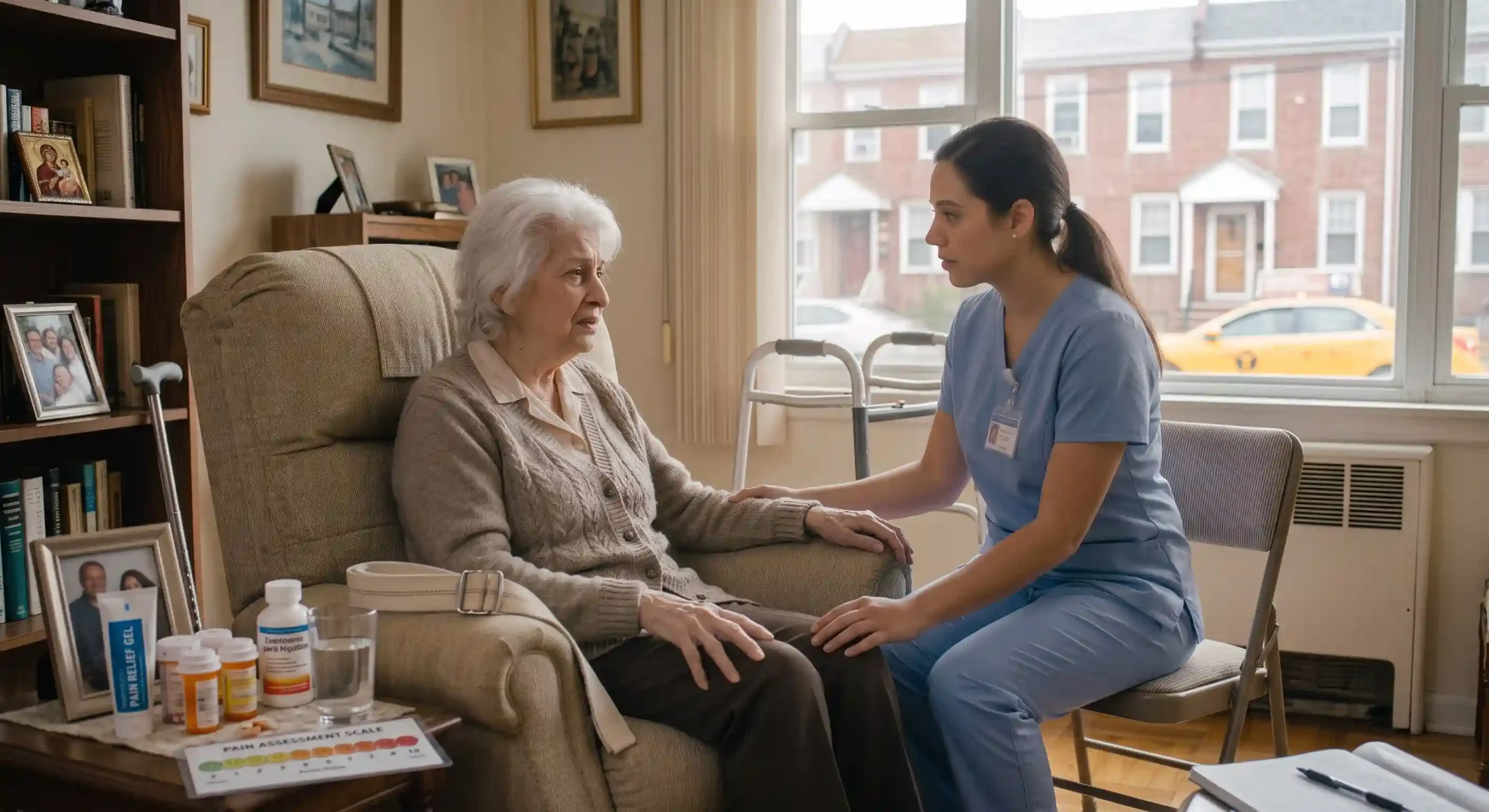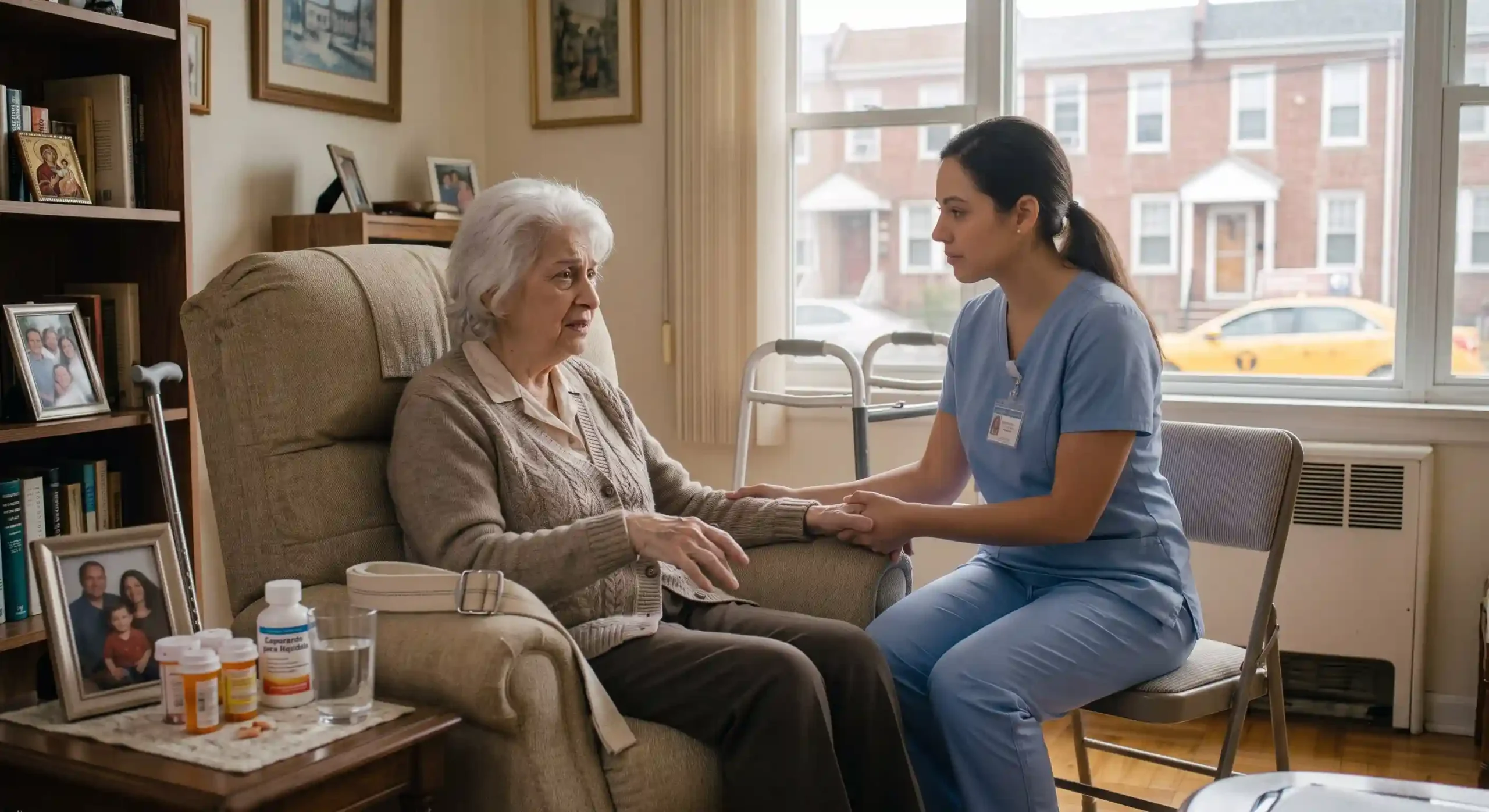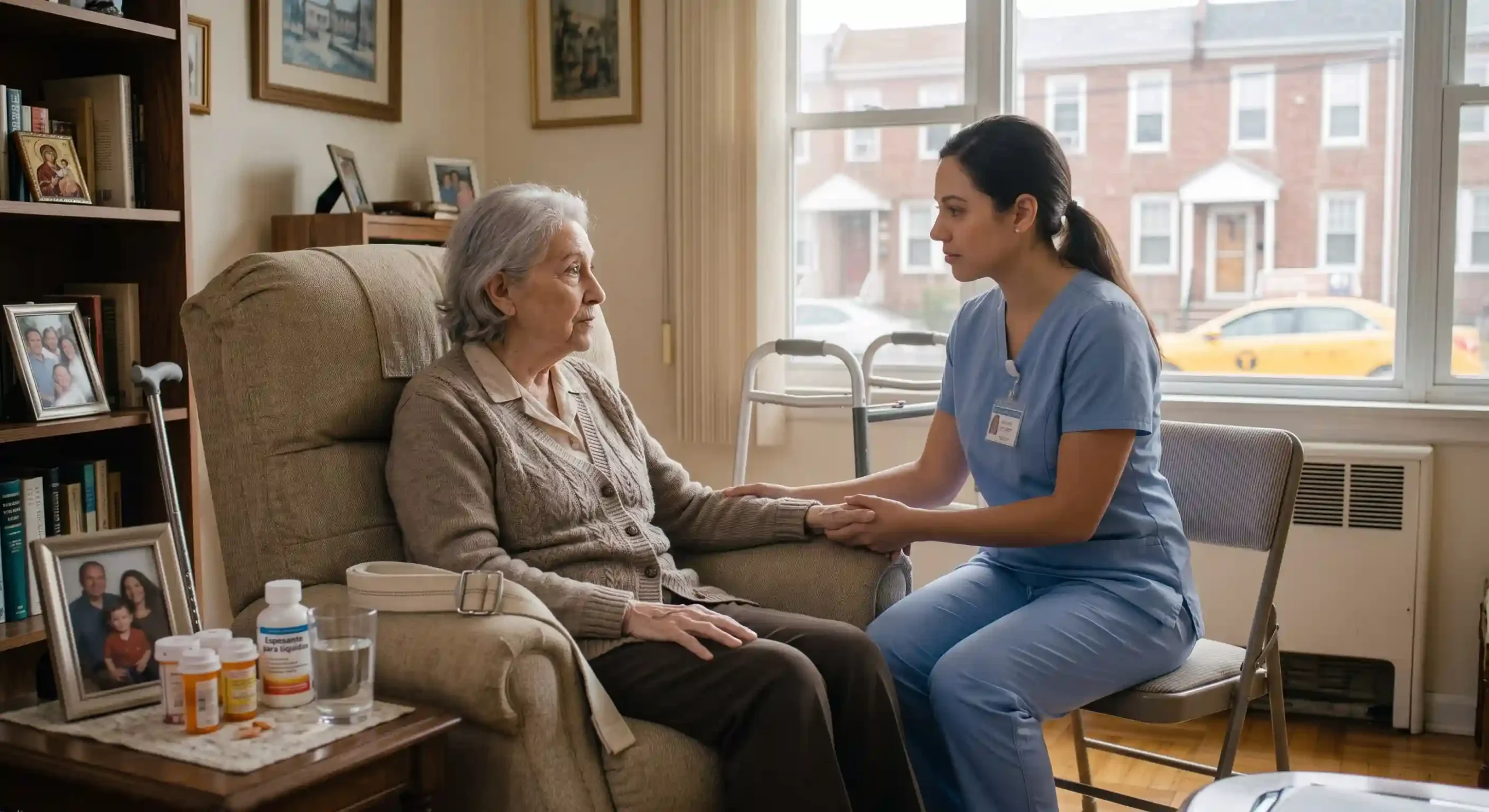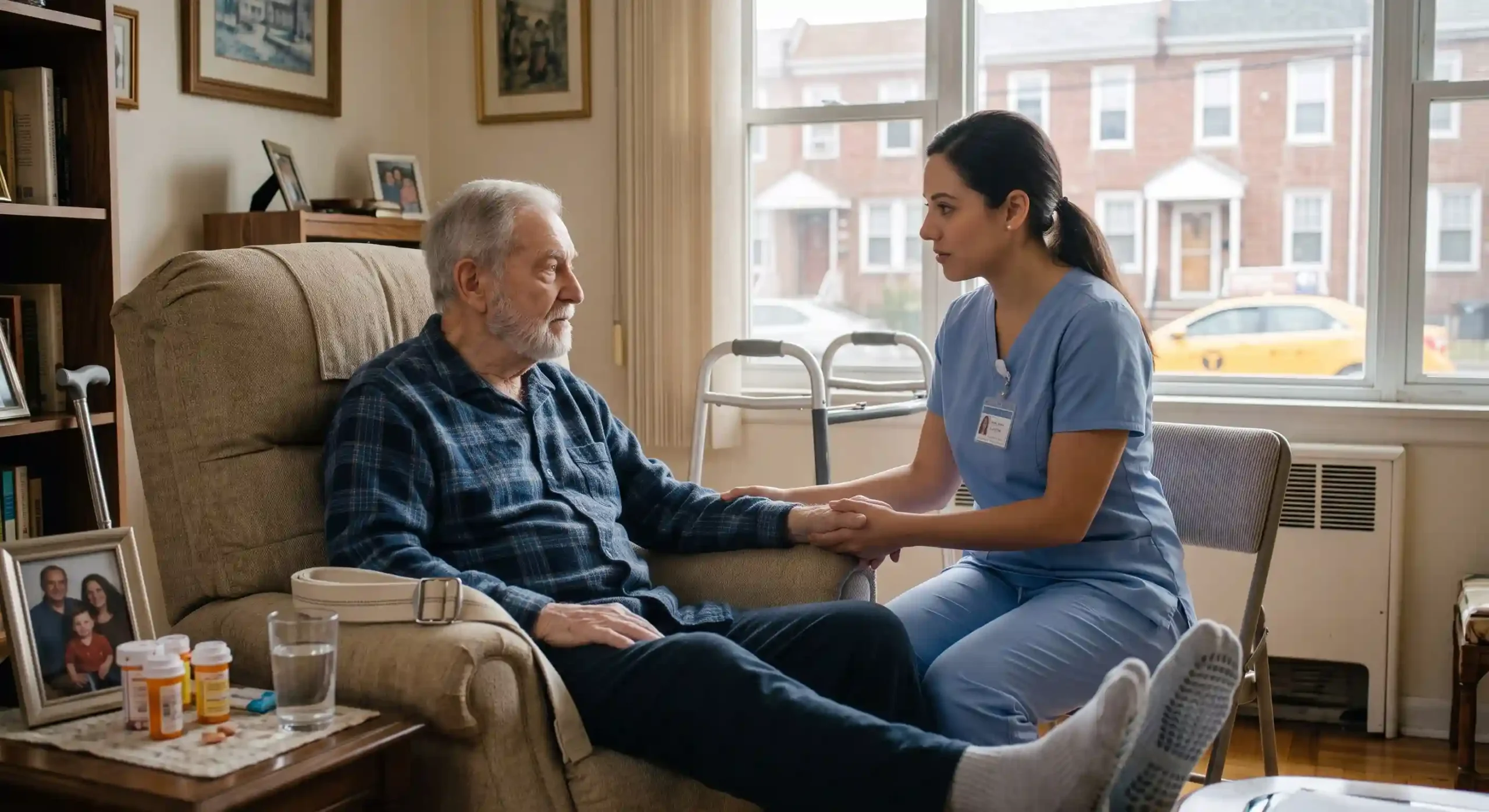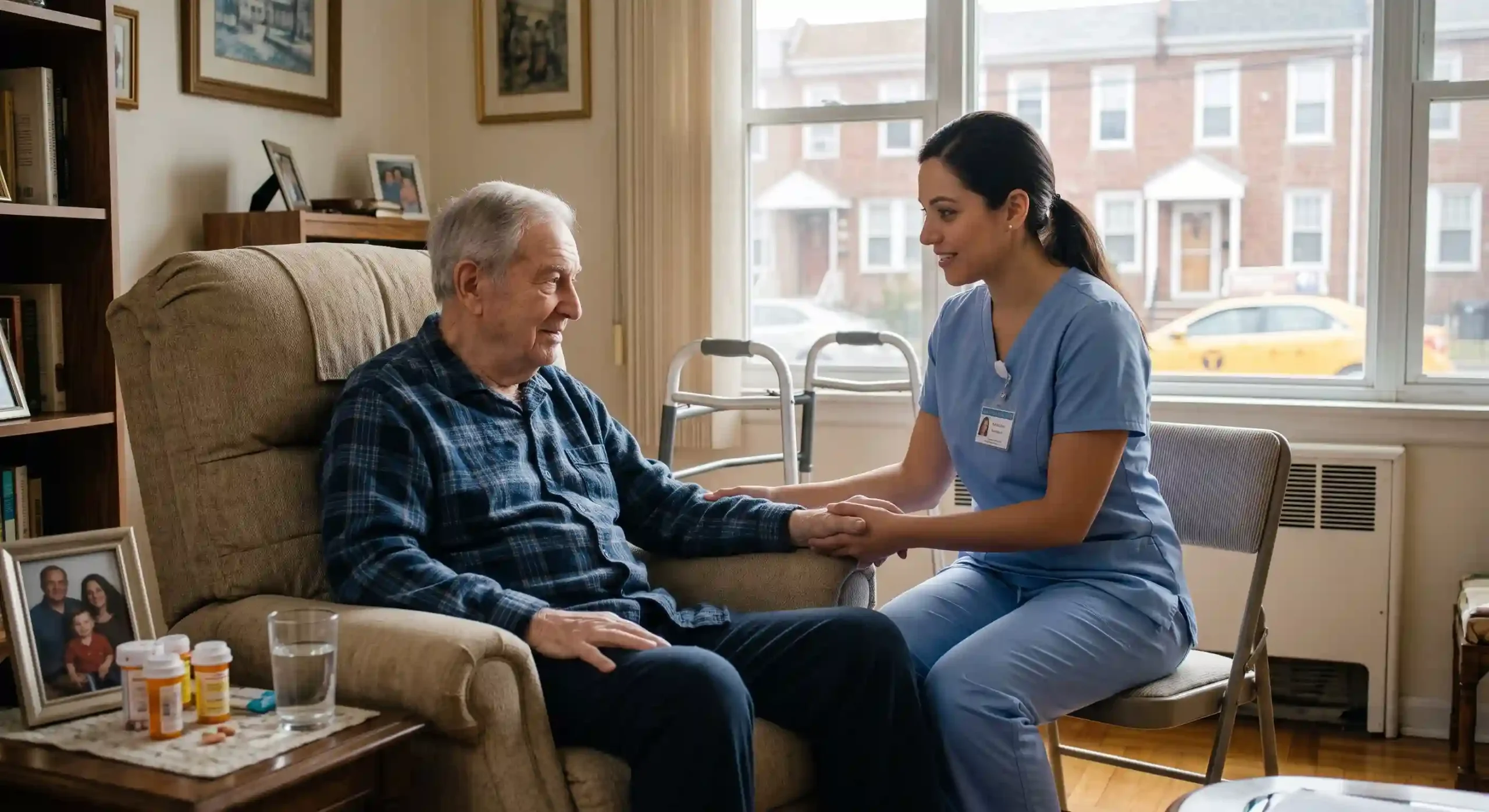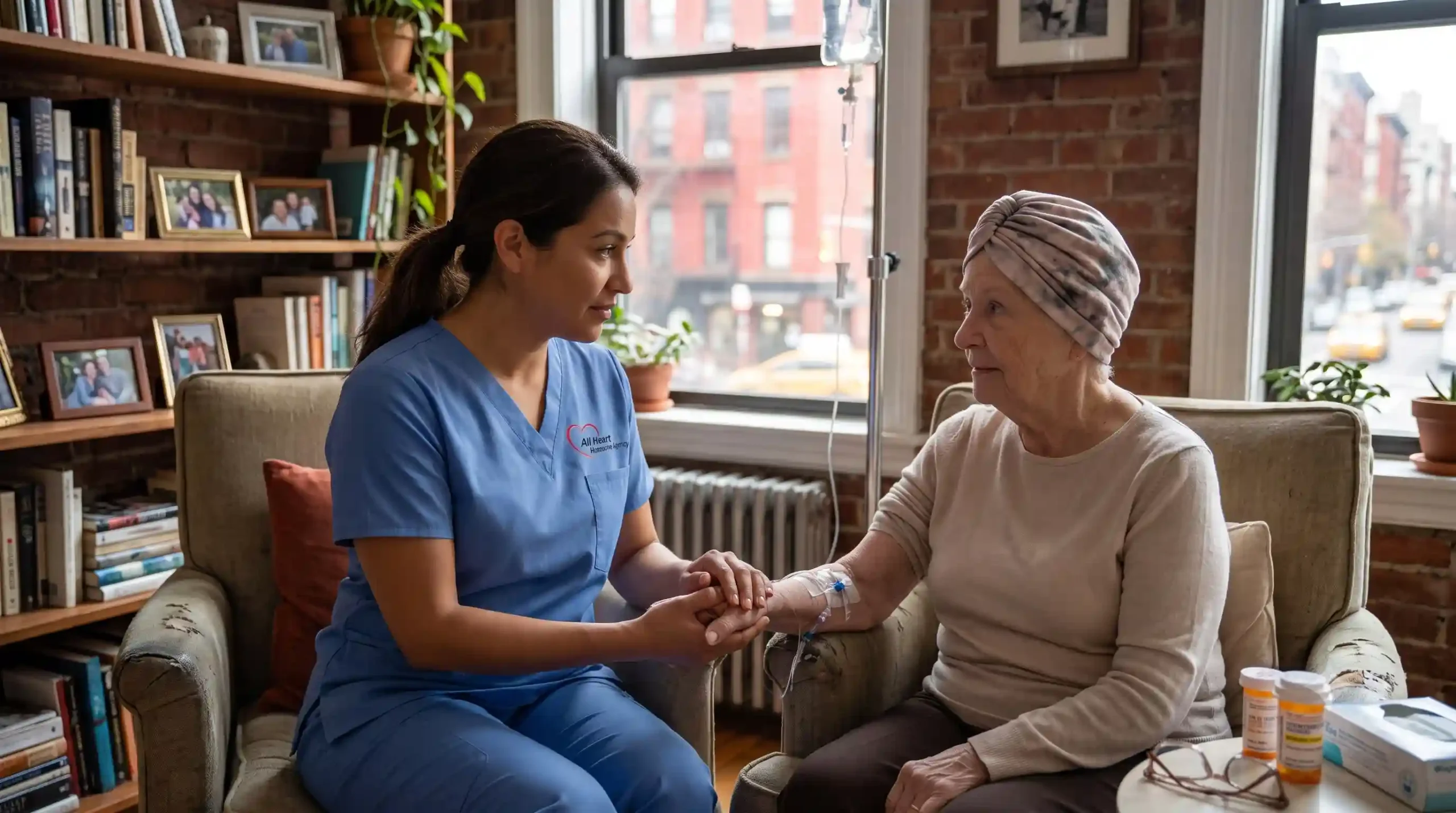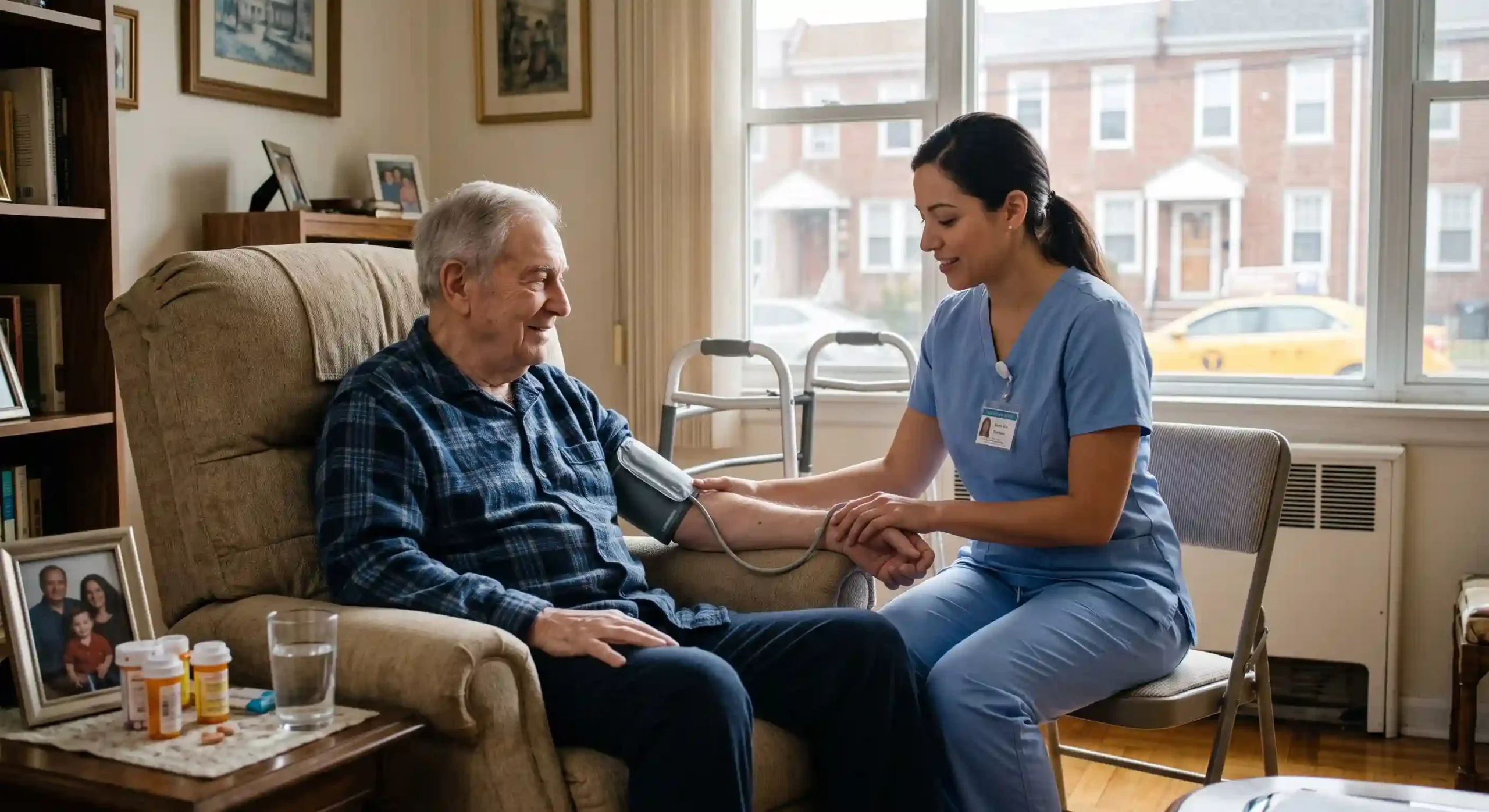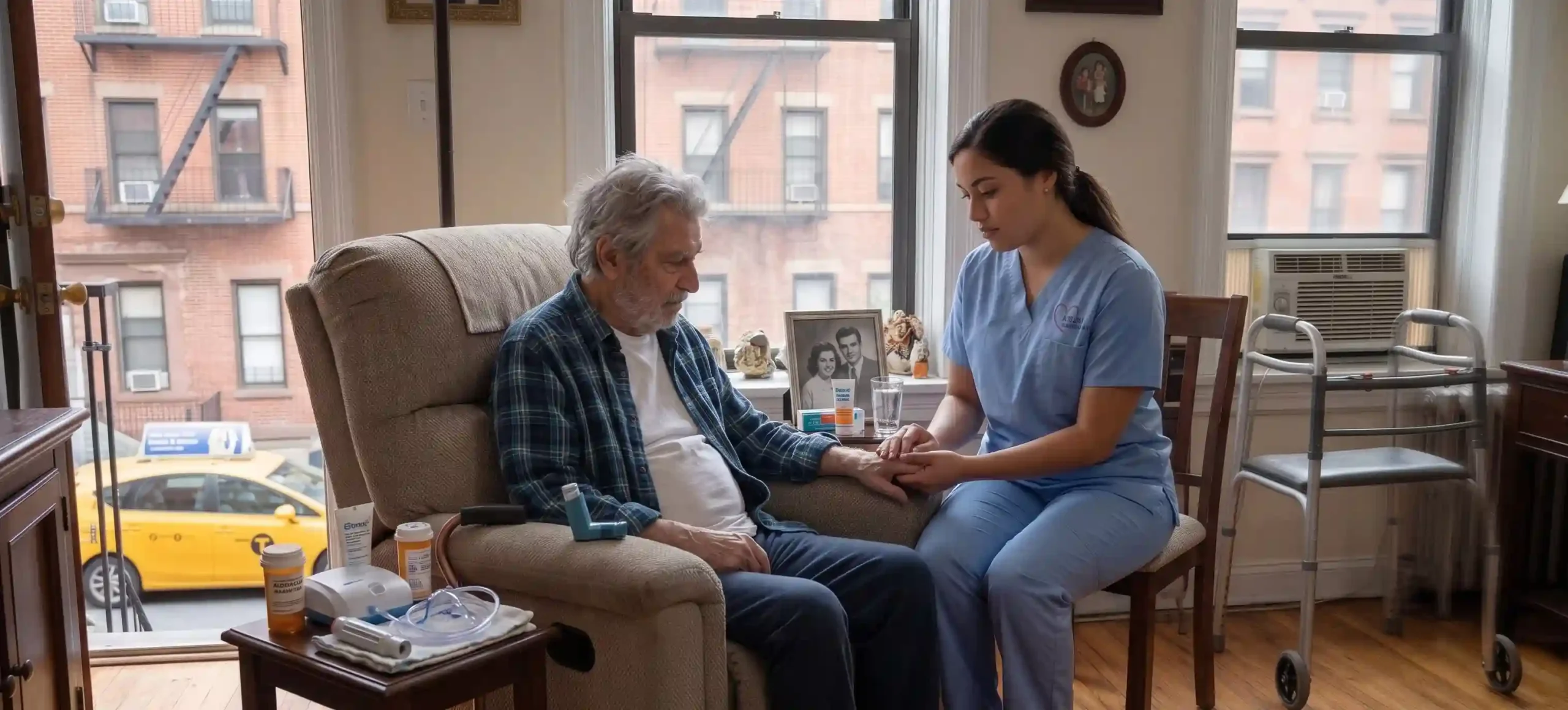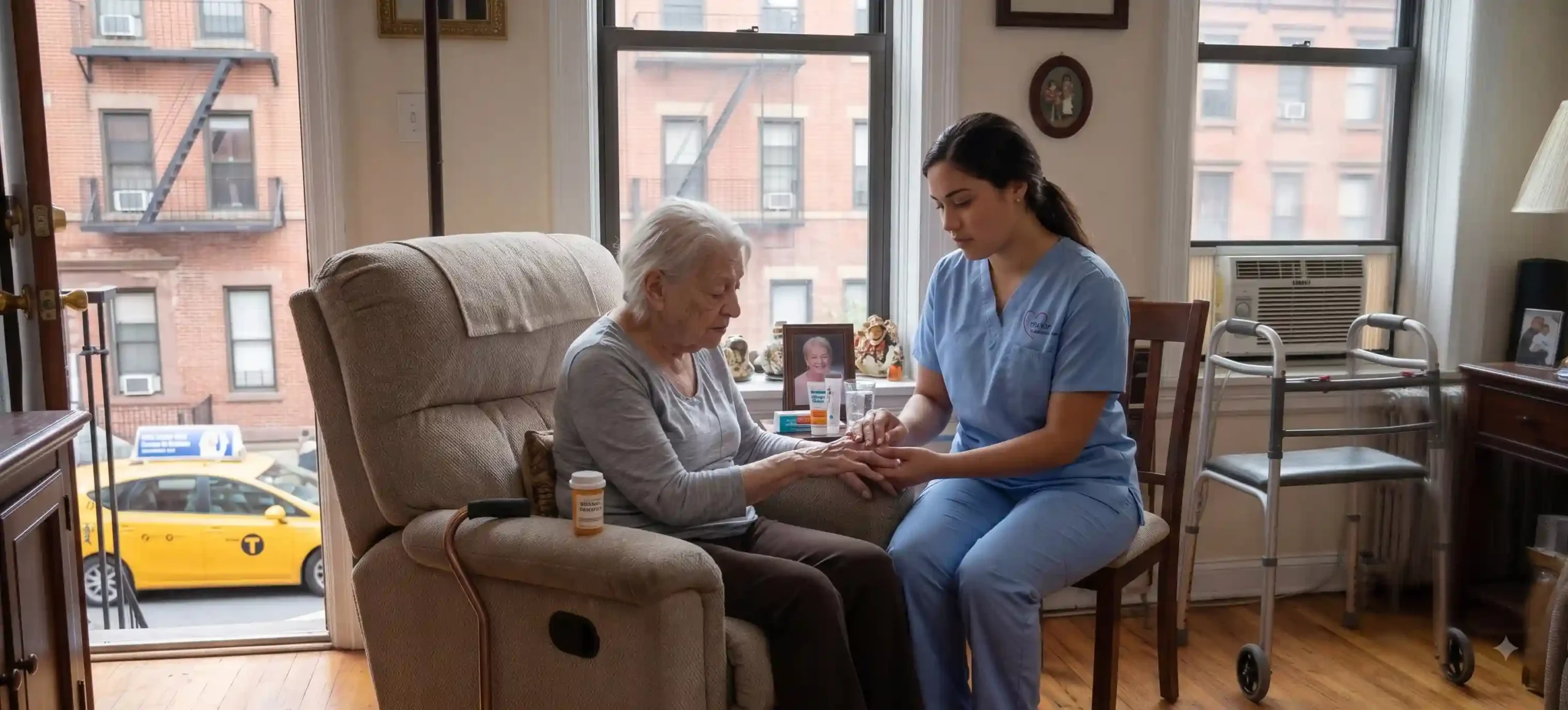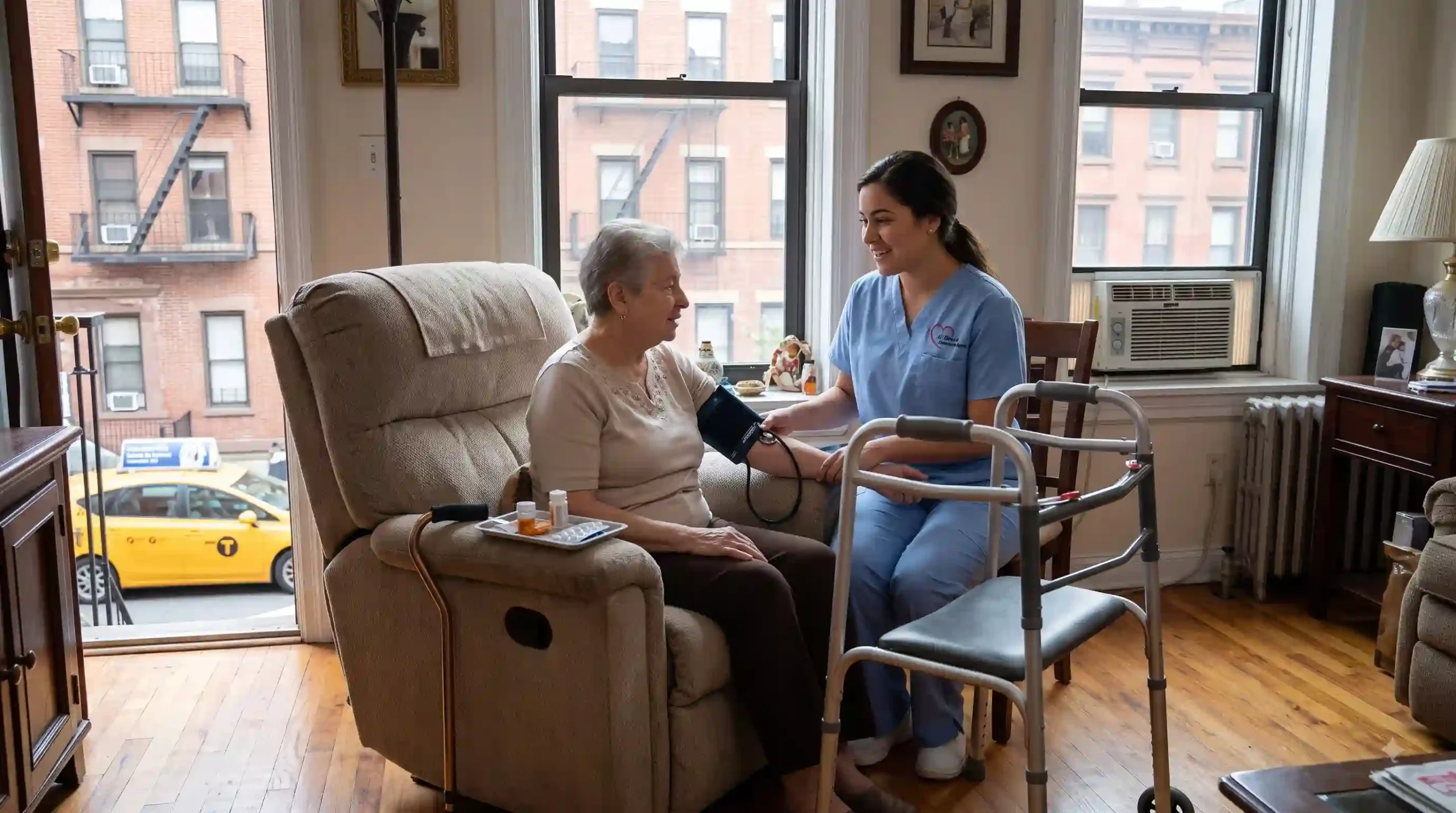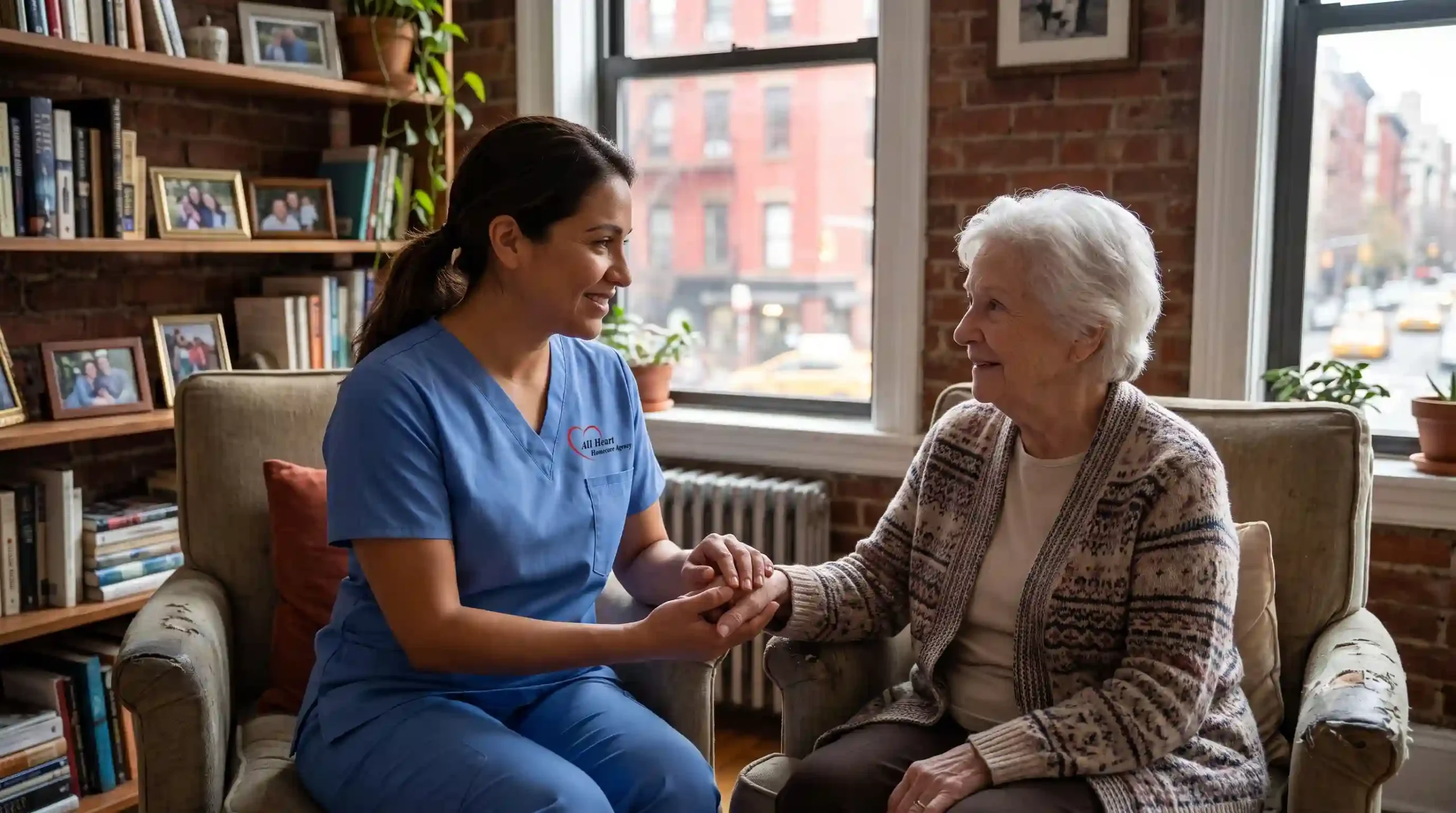

Seniors can prevent falls and holiday-related accidents by keeping walkways clear of decorations, securing rugs and loose cords, improving lighting throughout the home, and using extra caution around stairs, heaters, and holiday cooking areas. Simple adjustments, such as wearing non-slip footwear, installing grab bars, and avoiding clutter, significantly reduce the risk of falls and fire hazards during the holiday season.
The holiday season is a time filled with warmth, family, and joyful traditions — but it can also bring hidden risks for the seniors we love. Decorations on the floor, crowded gatherings, slippery walkways, and busy kitchens can make this time of year more challenging for older adults. And as families try to balance celebration with safety, it’s easy to feel overwhelmed or unsure where to begin.
At All Heart Homecare, we understand how deeply you care about keeping your loved one safe, comfortable, and included during the holidays. That’s why we’ve created this compassionate, easy-to-follow guide to help you prepare your home, prevent accidents, and enjoy a peaceful, heartwarming season together. You can also explore our Home Care Services to see how our team supports seniors throughout the year.
Key Takeaways
- The three holiday risk multipliers for seniors are clutter (falls), the kitchen (fires), and strangers with a story (scams), one checklist covers all three.
- One in four adults 65+ falls each year, and holiday décor turns familiar rooms into obstacle courses, clear pathways and bright lighting are the highest-payoff fixes.
- Thanksgiving is the peak day of the year for home cooking fires: never-unattended cooking and tested smoke alarms matter most exactly when the house is busiest.
- Holiday scams spike in November and December, and seniors are the #1 target — a five-minute family conversation about gift cards, fake charities, and “grandchild emergency” calls is real protection.
- A walk-through with the printable checklist below takes 20 minutes — and a caregiver can maintain it all season long.
Why Holiday Safety Matters for Seniors
While the holidays bring excitement, they can also introduce safety concerns that affect seniors more than any other age group. According to the CDC, one in four adults 65 and older falls each year [→ https://www.cdc.gov/falls/] — and the seasonal combination of changed routines, increased foot traffic, and décor on the floor raises that baseline risk just when homes are busiest.
Common risk factors include:
- Cluttered or crowded spaces from decorations and gifts
- Loose cords and rugs that make walking difficult
- Dim lighting which reduces visibility
- Cooking distractions and added fire risks
- Cold, icy walkways outside the home
- Fatigue from long gatherings or disrupted routines
- Overstimulation from noise and activity
- Medication timing changes: holiday schedules quietly disrupt the routines medications depend on; our guide to medication management for seniors covers keeping doses on track through busy weeks
If your family needs extra support during this busy season, our Private Pay Home Care options can provide flexible, reliable help at home. Many seniors hesitate to ask for help because they want to stay independent. A warm, supportive environment, paired with gentle safety adjustments, can make all the difference.
20-Minute Holiday Safety Checklist (Room by Room)
The fastest way to a safe season: walk the home with this list once before the decorations go up, and once more before the first gathering.
| Area | Check these items |
| Entryway & stairs | Non-slip mat inside and out • railings sturdy on both sides • pathway lit • no packages or décor on steps • salt/sand ready for ice |
| Living room | Clear walking lanes between seats • cords behind furniture • rugs secured or removed • tree zone clear of gifts and wires • sturdy chair with armrests for the senior |
| Kitchen | Nothing flammable within 3 feet of the stove • timers used for everything • auto-shutoff appliances • fire extinguisher reachable • no cooking left unattended, ever |
| Bathroom | Night-light on • non-slip mat in tub/shower • grab bars secure • clear path from bedroom |
| Bedroom | Lamp, phone, and flashlight within reach of bed • clear, lit path to the bathroom • no gift-wrap piles on the floor |
| Whole home | Smoke alarms tested + CO detector working • candles flameless or attended • outlets not overloaded • emergency numbers posted large-print • space heaters 3 feet from everything |
| Security | Doors locked during gatherings (open-door parties invite wanderers and worse) • packages retrieved promptly • no cash or valuables visible • travel plans off social media |
A fire safety checklist isn’t paperwork; it’s the difference between reacting and preventing. Written checklists catch the hazards familiarity hides, give every family member the same standard, and turn safety from a vague worry into a 20-minute task. Post it on the fridge; recheck weekly through the season.
Fall Prevention Tips for a Safe Holiday Home
Falls are one of the most common holiday hazards for seniors, but the good news is most of them are preventable. A few small changes can dramatically reduce risk.
Clear Pathways and Remove Clutter
- Keep hallways open and free of décor
- Avoid placing gifts, extension cords, or small decorations on the floor
- Remove loose rugs or secure them with non-slip backing
- Provide sturdy, easy-to-reach seating
Bright, Warm Lighting
- Add soft lighting around stairs, entryways, and hallways
- Ensure outdoor pathways are well-lit
- Use nightlights in bedrooms, bathrooms, and hallways
Safe Holiday Décor Placement
- Place decorations at eye or waist level — avoid using stools or ladders
- Keep cords tucked away behind furniture
- Choose lightweight, unbreakable ornaments
Outdoor Safety
- Add non-slip mats to entrances
- Keep walkways clear of snow and ice
- Ensure railings are sturdy and easy to hold
These simple precautions help your loved one move confidently and safely throughout the home. Balance itself is trainable, too, the balance exercises in our guide to exercises for seniors all are the year-round half of fall prevention.
Fire Safety Essentials for Seniors During the Holidays
The holidays often mean more time in the kitchen, more candles, more lights and more opportunities for fire hazards. The stakes are real: cooking is the leading cause of home fires, and Thanksgiving is the peak day of the year for home cooking fires, with December leading for candle and decoration fires. A few mindful steps keep the home safe and peaceful.
Kitchen Safety
- Never leave cooking unattended
- Keep flammable items — towels, paper, potholders — away from the stove
- Use timers to avoid overcooking
- Choose appliances with automatic shutoff features
Candle & Fireplace Safety
- Switch to flameless candles for a warm, cozy glow
- Keep real candles out of reach and away from curtains
- Always use a protective screen for fireplaces
- Make sure the fireplace is fully out before bed
Holiday Lighting & Electrical Safety
- Use UL-listed holiday lights
- Replace any frayed or damaged cords
- Avoid overloading electrical outlets
- Turn off holiday lights before sleeping or leaving the home
Creating a safe holiday environment helps everyone enjoy the season without worry.
Alarms: The Two-Minute Check That Matters Most
- Test every smoke alarm before the season begins: press the button; replace batteries on the spot if needed
- Confirm a working carbon monoxide detector: heating season and CO season are the same season
- Make sure alarms are loud enough to wake your loved one; alarms for the hearing-impaired (strobe or bed-shaker) exist and are worth it
Creating a safe holiday environment helps everyone enjoy the season without worry.
Holiday Scams and Home Security: Protecting Seniors’ Peace of Mind
Physical hazards aren’t the season’s only risk. Holiday scams surge in November and December, and older adults are the top targe). The five-minute family conversation below prevents most of them:
- The “grandchild emergency” call: a caller claims a grandchild is in trouble and needs money quietly and immediately. The defense: a family code word, and the rule “hang up, call the grandchild directly.”
- Gift card payment demands: no legitimate business, charity, or government agency is ever paid in gift cards. That request ends the call.
- Fake charities: holiday generosity attracts imitators. Give only to charities you contact yourself, never through unsolicited calls or links.
- Delivery scam texts: “your package needs a fee” links steal card numbers. Track packages only through the retailer’s own site or app.
- Home security basics: lock doors during gatherings, retrieve packages promptly (or ship to a family member), keep travel plans off social media, and don’t leave gifts visible through windows.
For the full digital-safety playbook: passwords, phishing, and the scripts scammers use — see our complete guide to online safety and privacy protection for seniors.
Senior-Friendly Decorating Tips for a Joyful, Safe Home
Seniors love being included in decorating traditions — and with a few adjustments, they can participate safely and comfortably.
- Choose shatterproof ornaments
- Use tabletop or pre-lit trees to reduce tripping risks
- Keep the area around the tree clear of gifts and wires
- Avoid décor that obstructs walkways or stairs
- Help seniors decorate from a seated position if needed
This keeps the holiday atmosphere festive while protecting your loved one from avoidable injuries.
Comfort & Wellness Tips for Seniors During Holiday Gatherings
Beyond fall and fire safety, the holidays can bring emotional and physical stress. Supporting your loved one’s comfort helps them feel included and at ease.
Support Their Routine
- Stick to regular meal, hydration, and medication times
- Offer small, healthy snacks to maintain energy
- Provide quiet breaks during long gatherings
Create a Calm, Gentle Environment
- Use soft music, warm lighting, and comfortable seating
- Offer a quiet room where seniors can rest
- Limit overwhelming noise or crowded spaces
Dress for Comfort and Safety
- Encourage warm, layered clothing
- Choose non-slip shoes
- Avoid long, loose fabrics near fireplaces or cooking areas
These thoughtful touches ensure your loved one feels physically comfortable, emotionally supported, and truly part of the celebration. And because the season’s emotional weight is real, loneliness and stress peak for seniors in December, our companion guide to managing holiday stress and loneliness in seniors covers the heart alongside this guide’s home.
Beyond December: Seasonal Senior Safety All Winter Long
The hazards don’t leave with the decorations — winter itself is the season to manage:
- Ice and snow: arrange snow removal in advance (a fall on ice is the classic January injury), keep salt by every door, and treat “I’ll just get the mail” as a footwear decision.
- Cold indoors: seniors lose body heat faster and feel it later; keep the thermostat at 68°F or above, layer clothing, and never use the oven for heat.
- Space heaters: three feet from everything, plugged directly into the wall, tip-over shutoff required, off before sleep.
- Isolation: winter keeps seniors homebound and lonely long after the visitors leave, schedule the January and February check-ins now, while the calendar is full of goodwill.
How Caregivers Support Holiday Safety for Seniors
Caregivers play an essential role in maintaining safety, preventing accidents, and offering companionship throughout the season.
They can assist with:
- Home preparation and safety checks
- Supervision during gatherings
- Mobility support and fall prevention
- Meal prep and kitchen safety
- Medication reminders
- Emotional support and social engagement
You can learn more about how we support our care team and families here: Caregiver Resources. Having an experienced, compassionate caregiver by your side brings families peace of mind — so you can focus on enjoying time together.
At All Heart Homecare, our caregivers treat every client like family, offering warmth, dignity, and respect in everything they do. We’re here to ensure your loved one feels safe, valued, and surrounded by care this holiday season — and every season.
A Warm and Safe Holiday Season Starts With Heart
Keeping seniors safe during the holidays doesn’t require dramatic changes — just thoughtful preparation, gentle support, and a loving environment. By focusing on fall prevention, fire safety, senior-friendly décor, and wellness routines, you can help your loved one enjoy a joyful, hazard-free celebration.
And remember, you never have to manage this alone.
All Heart Homecare is here to support your family with compassionate caregivers and guidance you can trust — because caring for your loved one with all our heart is what we’re honored to do. If you need assistance this holiday season, reach out to us anytime at All Heart Homecare.
Wishing you and your family a safe, warm, and meaningful holiday season.
Frequently Asked Questions About Holiday Safety for Seniors
How do you keep seniors safe during the holidays?
Cover the three risk areas: falls (clear pathways, secured rugs, bright lighting, décor off the floor), fire (attended cooking, flameless candles, tested smoke alarms, unloaded outlets), and scams (a family code word, the no-gift-cards rule, verified charities only). A 20-minute room-by-room walk-through before decorating, maintained weekly, prevents the vast majority of holiday incidents.
What is the most common holiday hazard for elderly people?
Falls — one in four adults 65+ falls each year, and holiday clutter, floor-level decorations, loose cords, and icy walkways all raise that baseline risk. The highest-payoff preventions are the simplest: clear walking lanes, secured or removed rugs, bright lighting on stairs and hallways, and non-slip footwear indoors and out.
What are the benefits of a fire safety checklist for seniors?
A written checklist catches the hazards familiarity hides, gives every family member and caregiver the same standard, and converts vague worry into a repeatable 20-minute task. For seniors specifically, it compensates for diminished smell (gas and smoke detection), slower reaction times, and holiday distraction — and posting it on the fridge turns one-time safety into a weekly habit.
How can I protect my elderly parent from holiday scams?
Have the five-minute conversation before the season: agree on a family code word for “emergency” calls, establish that no legitimate caller ever demands gift cards, verify charities independently before giving, and ignore package-fee texts. Then reduce exposure: retrieve deliveries promptly, keep travel plans off social media, and encourage them to hang up and call you whenever anything feels urgent.
What should a holiday safety checklist for seniors include?
Room by room: entryway (non-slip mats, lit path, sturdy railings), living areas (clear lanes, secured cords and rugs), kitchen (attended cooking, 3-foot flammable clearance, timers), bathroom and bedroom (night-lights, grab bars, clear paths), whole-home items (tested smoke and CO alarms, flameless candles, posted emergency numbers), and security (locked doors during gatherings, prompt package retrieval).