
Chronic pain is one of the most common and most under-addressed struggles of later life. Watching a parent limited by daily pain, sleeping poorly, or withdrawing from the things they love is heartbreaking. The good news is that chronic pain can be managed, and much of that management happens at home.
This guide to home care for chronic pain management covers how in-home support helps older adults find relief, stay active, and live more comfortably: safely combining medication, non-drug therapies, and daily care, written for families caring for an aging loved one.
Key Takeaways
- Home care for chronic pain management helps an older adult live more comfortably at home, combining safe medication use with non-drug relief and daily support.
- Medication safety is critical for seniors, who are more sensitive to side effects and interactions; caregivers keep doses accurate and watch for problems.
- Non-drug relief works. Heat and cold, positioning, gentle movement, massage, and relaxation reduce pain alongside any medication.
- Chronic back pain responds well to safe movement, good posture, supportive seating, and avoiding strain, all things a caregiver supports.
- Pain and mood are linked. Chronic pain often brings depression and isolation, so emotional support is part of good care.
- Home care vs. a care home: most seniors with chronic pain do well at home, with familiar surroundings and one-on-one support.
Understanding Chronic Pain in Seniors
Chronic pain is pain that lasts three months or longer. In older adults, it commonly stems from arthritis, back and joint problems, neuropathy (nerve pain, often from diabetes), old injuries, cancer, post-surgical pain, and conditions like osteoporosis. Many seniors live with more than one source at once.
Beyond the discomfort, unmanaged pain leads to poor sleep, reduced activity, falls, depression, and loss of independence, which is why a consistent, whole-person approach matters. Learn more from the National Institute on Aging on pain and MedlinePlus on chronic pain.
For arthritis specifically, see our guide to home care for arthritis management.

How Home Care Supports Chronic Pain Management
Managing chronic pain well takes daily consistency, the hardest thing to maintain when you’re in pain. A caregiver makes it reliable:
- Keeps medications accurate, on time, and safe;
- Applies non-drug relief like heat, cold, and positioning;
- Encourages safe movement and gentle exercise;
- Handles painful daily tasks and reduces strain;
- Supports better sleep and nutrition; and
- Eases the isolation and low mood pain that it can bring.
See our personal home care service and the benefits of in-home care for seniors.
Medication Management and Safety
Pain medications help, but they carry real risks for seniors, who are more sensitive to side effects, interactions, and, with opioids, drowsiness, constipation, and fall risk. Caregivers provide reminders, keep doses accurate, organize medications, and watch closely for side effects, reporting concerns to the doctor.
This safe, monitored approach prevents both under-treatment and dangerous overuse.
Non-Drug Pain Relief at Home
Some of the most effective pain relief doesn’t come from a bottle. Caregivers help with:
- Heat and cold therapy: heat relaxes muscles and eases stiffness; cold reduces inflammation and sharp pain;
- Positioning and support: cushions, proper seating, and repositioning to relieve pressure;
- Gentle massage and relaxation or breathing techniques; and
- Distraction and engagement: activities and companionship that shift focus away from pain.
Gentle Movement and Staying Active
It feels counterintuitive, but safe movement usually reduces chronic pain; inactivity stiffens joints and weakens muscles, making pain worse. Caregivers encourage doctor-approved gentle exercise, stretching, and short walks, pacing activity to avoid overexertion. See effective exercises for seniors and what to avoid.
Home Care for Chronic Back Pain
Back pain is one of the most common chronic pain complaints in older adults, and it can make nearly every daily task, such as standing, sitting, dressing, and sleeping, difficult. In-home support for chronic back pain focuses on safe movement and gentle stretching, good posture and supportive seating, heat or cold therapy, and avoiding the strain and heavy lifting that trigger flare-ups.
A caregiver handles the demanding tasks and helps your loved one move safely, reducing the falls and overexertion that worsen back pain.
Nutrition, Sleep, and Pain
Pain, sleep, and nutrition are deeply connected. Poor sleep amplifies pain, and pain disrupts sleep; a difficult cycle. Caregivers support restful routines, comfortable positioning at night, and anti-inflammatory, nourishing meals that help the body cope. Maintaining a healthy weight also reduces strain on painful joints and the back.
Emotional Support: Chronic Pain and Depression
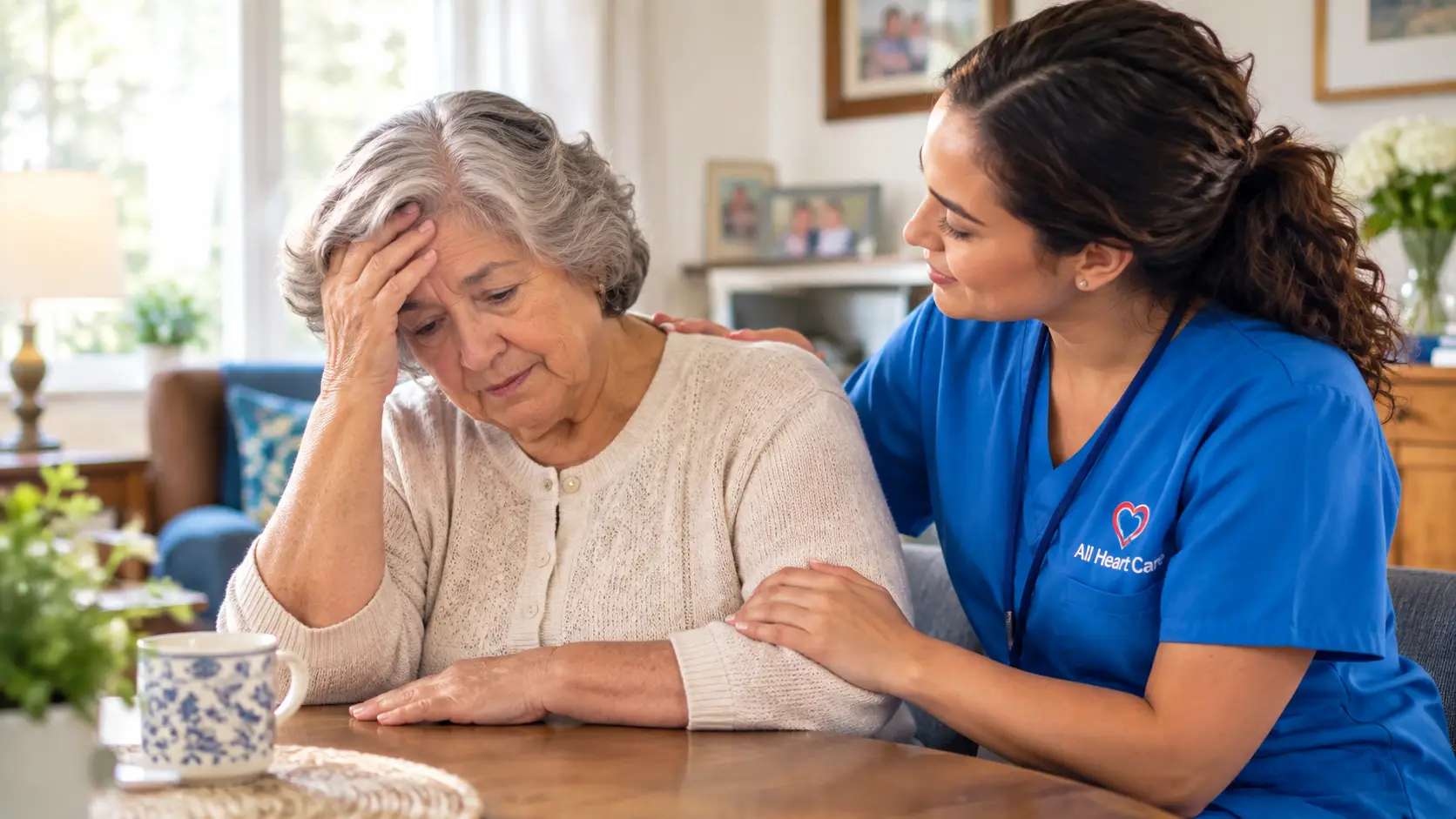
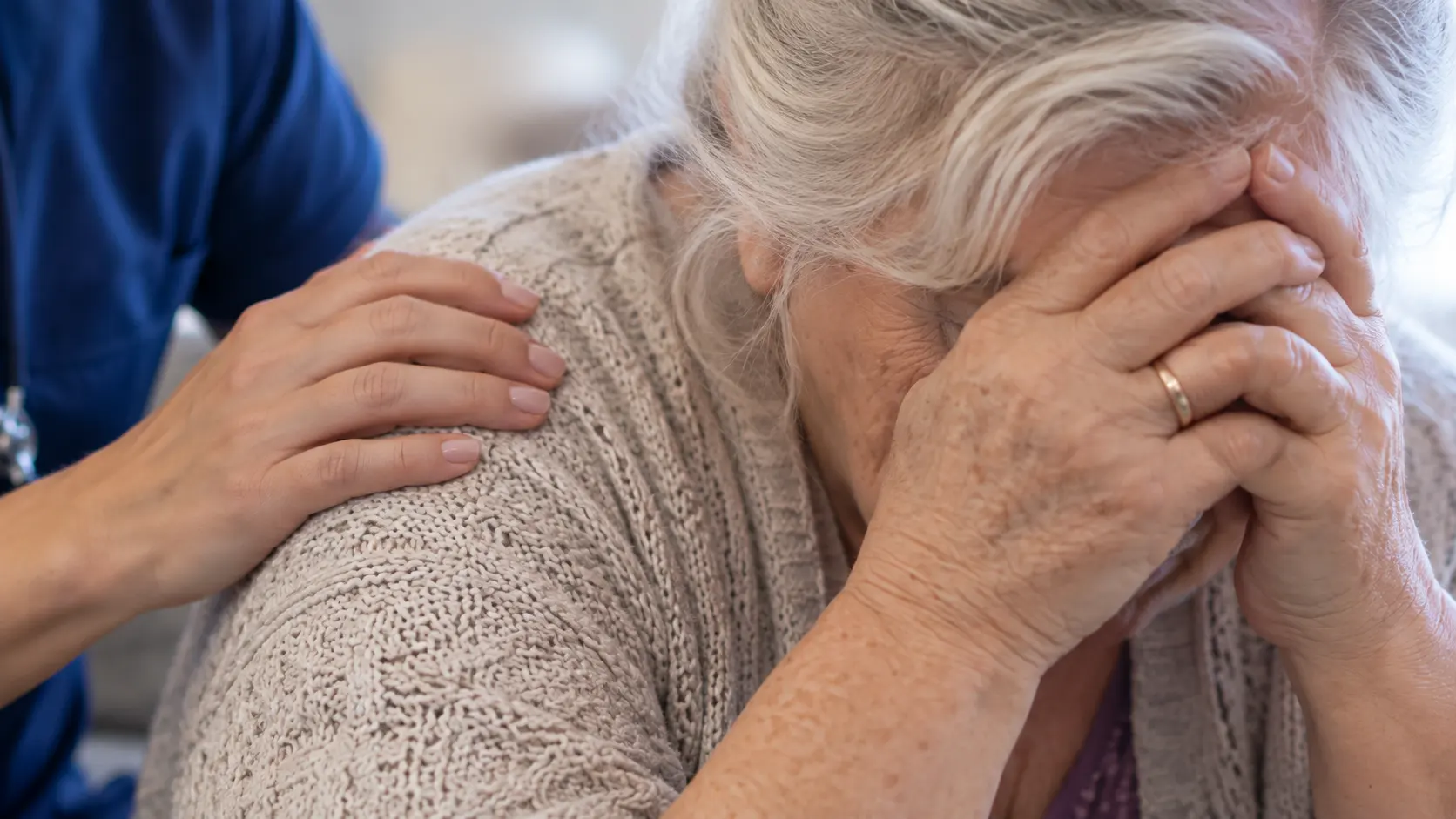
Living with constant pain is exhausting and isolating, and depression is common among those with chronic pain. Low mood, in turn, makes pain feel worse.
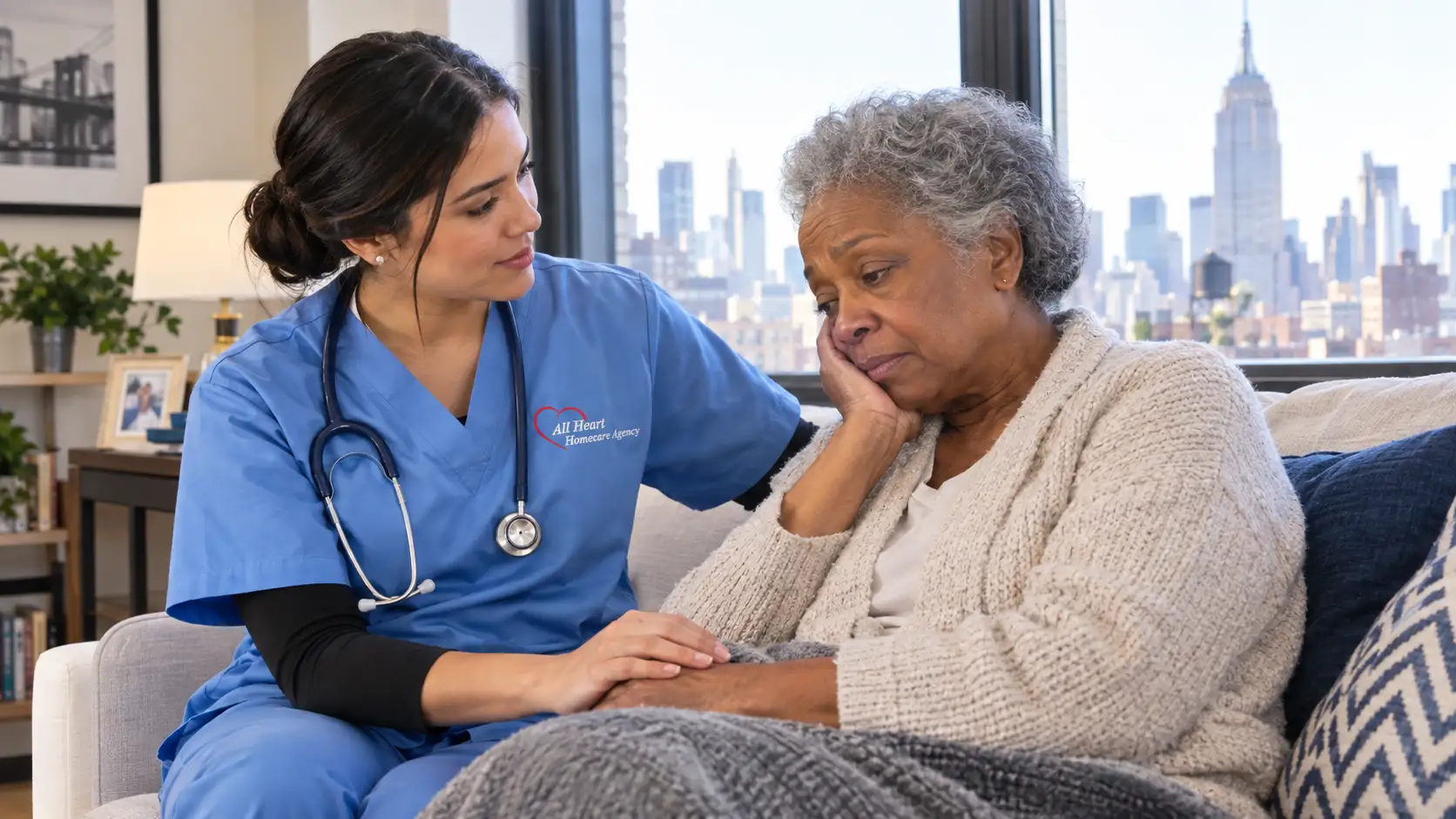
A caregiver’s companionship, encouragement, and help staying socially engaged address this vital emotional side of pain.
See our thoughts on mental health and home care, and the importance of mental health for elderly people.
Home Safety and Fall Prevention
Pain and pain medications both affect balance and mobility, raising fall risk. Caregivers provide steadying support and help make the home safer, such as with grab bars, clear pathways, and good lighting. See our fall prevention tips.
Care Home vs. Home Care for Chronic Pain Patients
Some families wonder whether a care home is necessary for a loved one with chronic pain. For most, it isn’t. In-home care offers the same day-to-day pain support: medication management, non-drug relief, and safe movement, with the advantages of familiar surroundings, one-on-one attention, and flexible hours.
A facility may be considered only when needs exceed what can be managed at home, even with full-time care. Many families find home care to be the more comfortable and personal choice.
When To Consider Professional Home Care
It may be time for in-home support when:
- Chronic pain makes daily tasks difficult or unsafe;
- Managing medications has become complex or risky;
- Pain is causing falls, poor sleep, or weight changes;
- Your loved one is withdrawing or seems depressed; or
- The family caregiver is overwhelmed.
How a Caregiver Supports Chronic Pain
A quick snapshot of the support:
| Chronic pain challenge | How home care helps |
| Complex/risky medications | Safe reminders & side-effect monitoring |
| Constant discomfort | Heat/cold, positioning, massage |
| Stiffness & inactivity | Gentle, safe movement & exercise |
| Chronic back pain | Posture support & strain avoidance |
| Poor sleep | Comfortable routines & positioning |
| Depression & isolation | Companionship & emotional support |
How To Pay for Chronic Pain Home Care
Medicare covers skilled home health, such as physical therapy for pain-related conditions, when your parent is homebound, and a doctor orders it, but not ongoing non-medical help alone.
The daily support is usually funded through Medicaid for those who qualify, private pay, or long-term care insurance.
Compare Medicare vs. Medicaid for Home Care.
How To Arrange Chronic Pain Care at Home
- Understand the pain. Work with the doctor to identify the cause(s) and the treatment plan, including medications and therapy.
- Combine drug and non-drug relief. Layer heat/cold, movement, and positioning alongside medication.
- Make the home comfortable and safe. Supportive seating, a good sleep setup, and fall prevention.
- Match the level of care. Choose hourly, overnight, or 24-hour care based on the pain’s impact.
- Get a professional care assessment. A local agency can build a pain-management care plan and match it to the right funding. Start with our home health care overview.
The Bottom Line for New York Families
Chronic pain doesn’t have to mean a life of suffering or lost independence. With consistent home care that safely combines medication, non-drug relief, gentle movement, good sleep, and emotional support, older adults can find real comfort and stay engaged in the life they love — all in the familiar surroundings of home.
The key is a steady, whole-person approach, and that’s exactly what a skilled caregiver provides.
Let All Heart Homecare bring your loved one comfort and relief.
Our caregivers provide personalized chronic pain support across NYC: Brooklyn, Manhattan, the Bronx, Queens, and Staten Island, combining safe medication help, non-drug relief, and daily support so your loved one can live more comfortably at home. Reach out for a free, no-pressure conversation.
Contact All Heart Homecare Today.
Frequently Asked Questions About Home Care for Pain Management
How can home care help the elderly with chronic pain?
Home care helps by keeping medications on schedule and watching for side effects, applying heat or cold and safe positioning, encouraging gentle activity, handling painful daily tasks, supporting good sleep and nutrition, and easing the depression and isolation that often accompany chronic pain. This consistent support improves comfort and quality of life.
What are non-drug ways to manage chronic pain at home?
Non-drug pain relief includes heat and cold therapy, careful positioning and supportive cushions, gentle exercise and stretching, massage, relaxation and breathing techniques, staying active within limits, and good sleep. A caregiver can apply these safely and consistently alongside any prescribed treatment.
How do you manage chronic back pain at home?
Manage chronic back pain at home with safe movement and gentle stretching, good posture and supportive seating, heat or cold therapy, help avoid strain during lifting and daily tasks, and medication as prescribed. A caregiver assists with these while preventing the falls and overexertion that can worsen back pain.
Is home care or a care home better for chronic pain patients?
For most seniors with chronic pain, in-home care is a comfortable and effective option that keeps them in familiar surroundings with one-on-one support and flexible hours. A care home may be considered only when needs exceed what can be managed at home. Many families prefer home care for the personalization and comfort it provides.
Does Medicare or Medicaid cover home care for chronic pain?
Medicare covers skilled home health, such as physical therapy for pain-related conditions, when a person is homebound, and a doctor orders it, but not ongoing non-medical help alone. That daily support is typically paid through Medicaid for those who qualify, private pay, or long-term care insurance.
When should a senior with chronic pain get in-home care?
Consider in-home care when chronic pain makes daily tasks difficult or unsafe, when managing medications becomes complex, when pain leads to falls, poor sleep, or depression, or when the family caregiver is overwhelmed. Early support improves comfort and helps prevent pain from eroding independence.