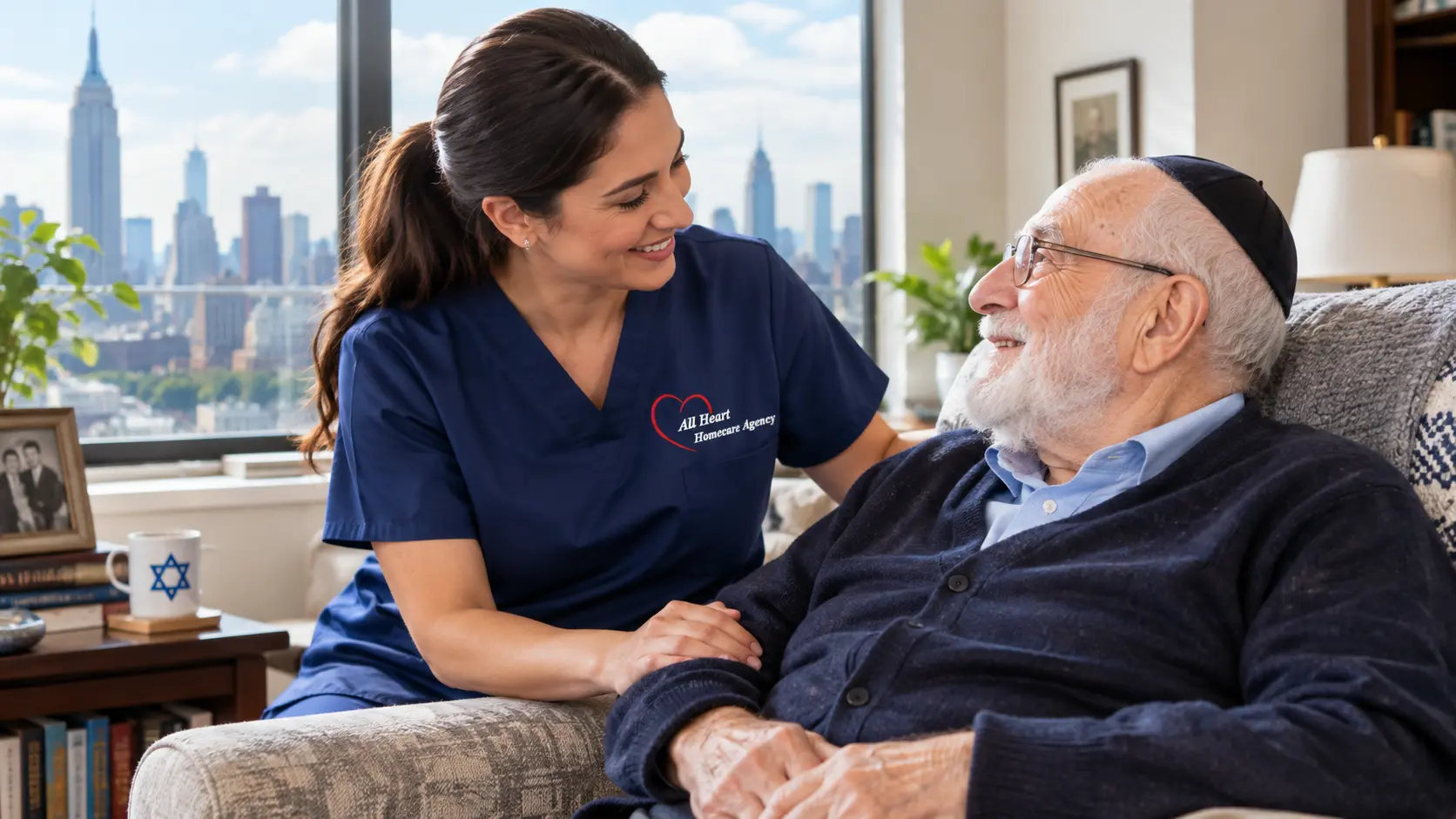
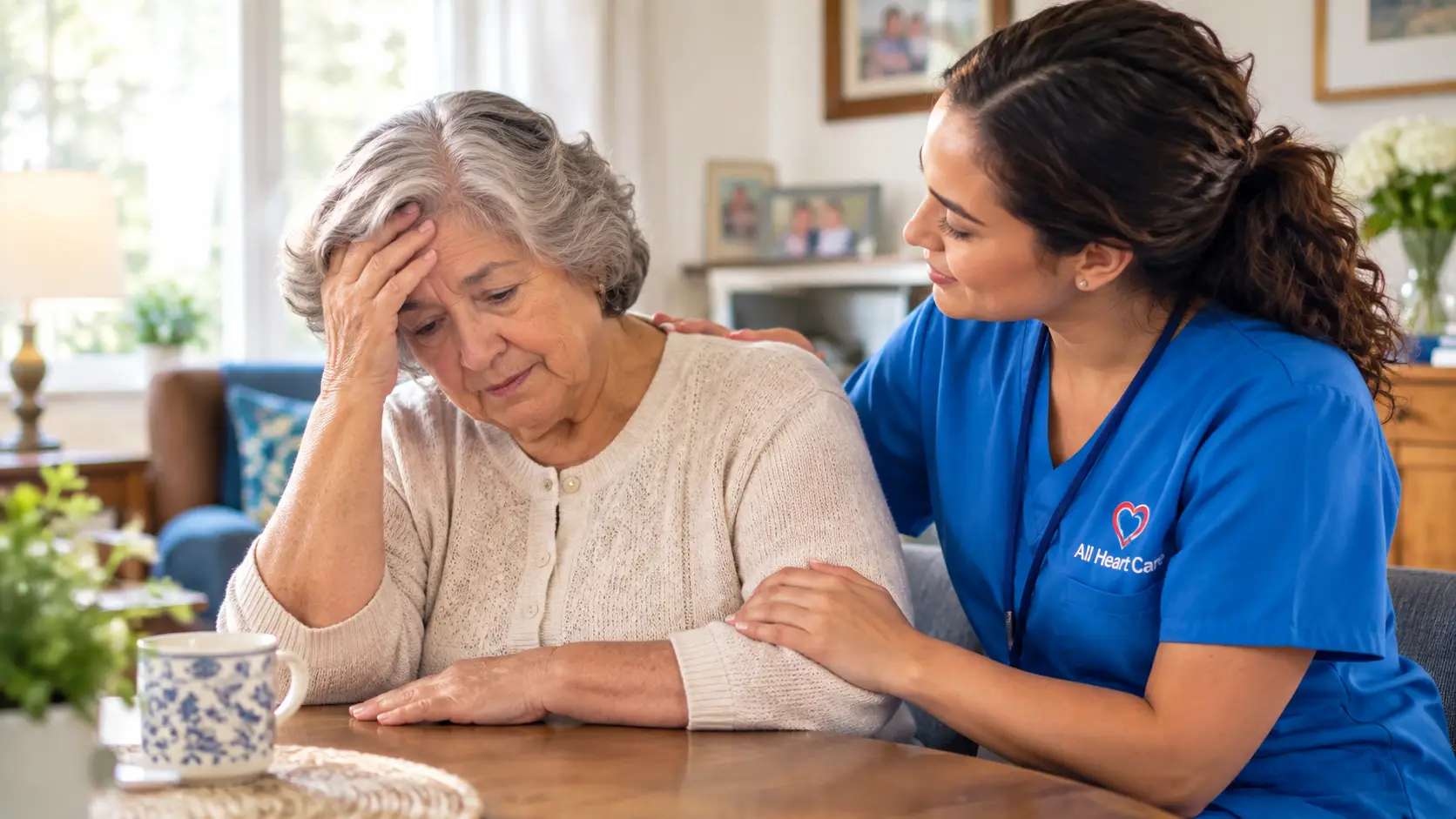
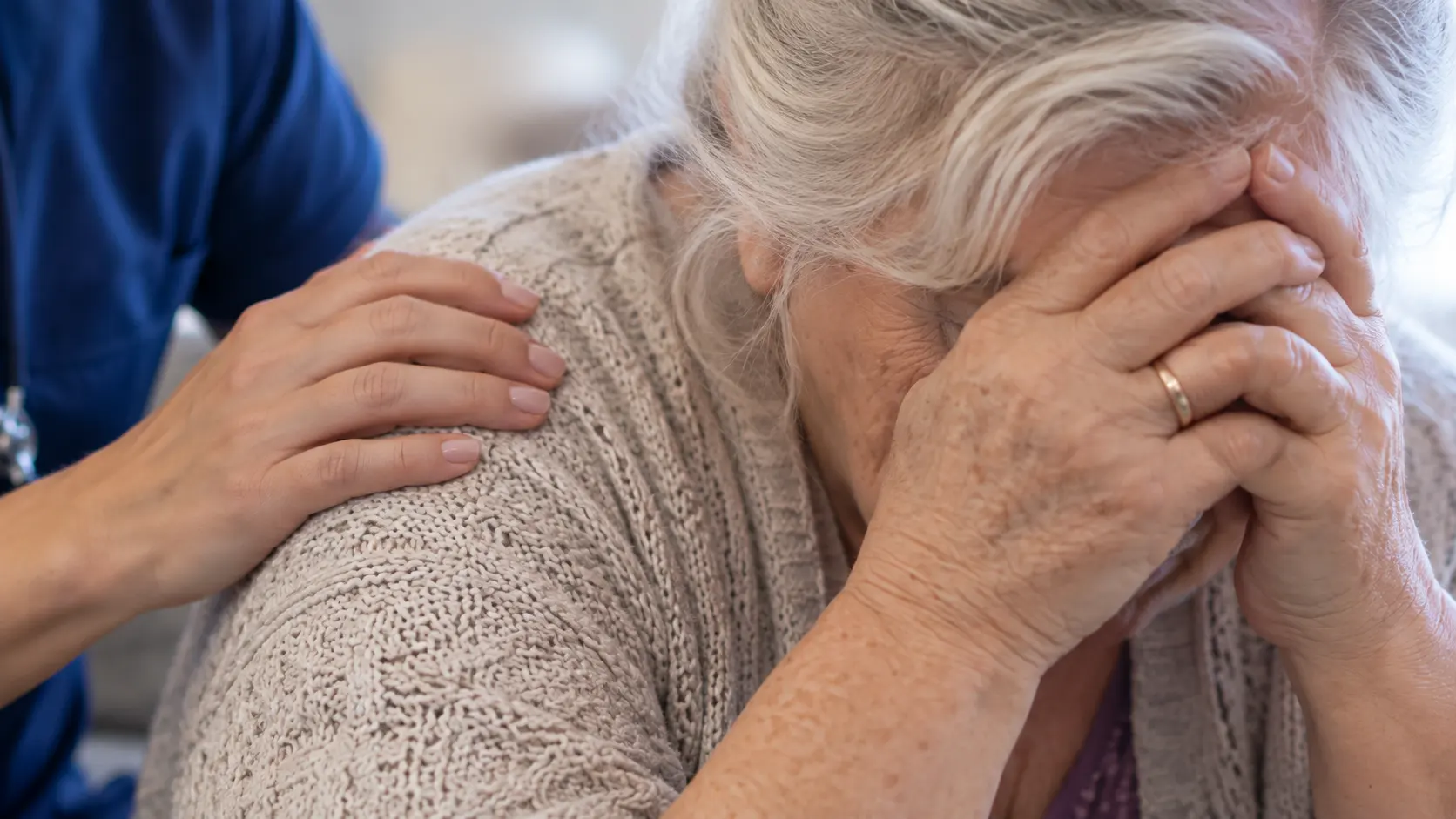
The Holocaust Program, often called Holocaust Survivor Care, is specialized, trauma-informed home care designed to support aging Holocaust survivors with deep sensitivity to their unique history of trauma. It’s a holistic, person-centered approach that goes beyond ordinary home care, combining hands-on daily help with case management, restitution and benefits support, and programs that combat isolation.
For survivors now in their 80s, 90s, and beyond, aging can bring painful reminders of the past, which is why this care is delivered so differently. This guide explains what the Holocaust Program is, its approach, the services it provides, who funds it, and how families in New York can access it.
Key Takeaways
- The Holocaust Program (Holocaust Survivor Care) is specialized, trauma-informed home care that helps aging Holocaust survivors live safely and with dignity at home.
- Its core approach is PCTI: Person-Centered, Trauma-Informed care built around each survivor’s needs and sensitive to their history of persecution.
- It’s more than personal care: it includes case management, help accessing restitution and benefits, and social programs that fight isolation.
- Much of it is funded by the Claims Conference (Conference on Jewish Material Claims Against Germany) for eligible survivors.
- In NYC, All Heart Homecare offers a dedicated Holocaust program in Brooklyn, in partnership with JCCGCI, serving survivors regardless of income, with no Medicaid requirement.
- Care can begin quickly and includes trauma-informed emotional support, transportation, culturally appropriate meals, and socialization.
What Is the Holocaust Program (Holocaust Survivor Care)?
Holocaust Survivor Care is a holistic, person-centered, and trauma-informed model of care created specifically for aging Holocaust survivors. Its goal is to help survivors remain safe, independent, and dignified in their own homes, while recognizing that their extraordinary history requires an equally sensitive approach to care.
Rather than a single service, it’s a coordinated program that addresses a survivor’s physical, emotional, social, and financial needs together. Learn more in our complete guide to specialized home care for Holocaust survivors.
The Core Approach: Person-Centered, Trauma-Informed (PCTI) Care
At the heart of the Holocaust Program is PCTI (Person-Centered, Trauma-Informed Care). It has two essential parts:
Person-Centered
Care is built around the individual, each survivor’s own goals, preferences, strengths, and life experiences. It honors who they are and what matters to them, rather than applying a one-size-fits-all routine.
Trauma-Informed
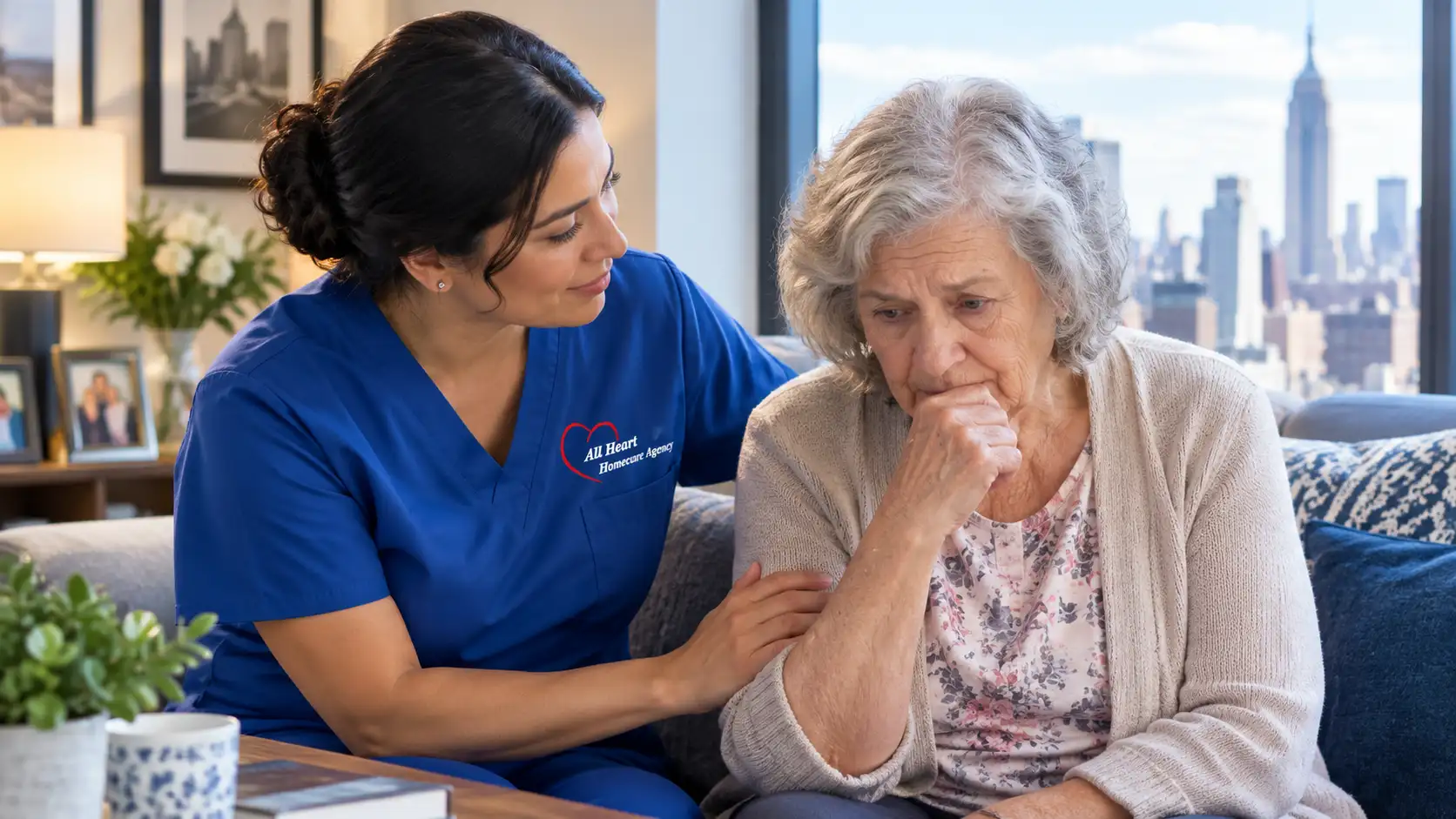
Care integrates an understanding of severe historical persecution into every policy, procedure, and interaction, fostering safety, trust, and empowerment. Caregivers are trained to recognize that certain experiences can reawaken trauma and to provide support in ways that preserve a survivor’s sense of control and dignity.
The Center on Aging, Trauma, and Holocaust Survivor Care, run by the Jewish Federations of North America, promotes this PCTI model nationally.
Key Services the Holocaust Program Provides
A full Holocaust survivor care program typically includes four areas of support:
- In-home personal care: help with daily activities like bathing, dressing, meal preparation, medication management, and light housekeeping;
- Intensive case management: care coordination, counseling, and social work visits that adapt as a survivor’s medical and physical needs change;
- Financial and restitution support: help navigating applications and recertifications for reparations, often supported by grants from the Claims Conference; and
- Community connection: social programs, friendly visitors, and transportation that combat the isolation and loneliness so many survivors face.
Together, these services address the whole person, including personal home care and senior companionship care.
Who Funds Holocaust Survivor Care?
A great deal of Holocaust survivor home care is funded by the Conference on Jewish Material Claims Against Germany, commonly called the Claims Conference, which provides direct funding for in-home services to eligible survivors.
This means many survivors can receive care at little or no cost to their families.
Learn more through the Claims Conference home care program and the Administration for Community Living’s work on Holocaust survivor care.
Caring for a Holocaust survivor in your family?
All Heart Homecare’s Holocaust survivor program in Brooklyn provides dignified, trauma-informed home care and helps families navigate Claims Conference funding. Learn more or talk to a care coordinator today.
Why Specialized Care Matters for Holocaust Survivors
Ordinary home care, however well-intentioned, may not be enough for a survivor. Aging can reawaken deep trauma: hospital settings, uniforms, loss of control, food insecurity, or simply being told what to do can be powerful triggers. A caregiver who doesn’t understand this history may unintentionally cause distress.
Trauma-informed care, by contrast, anticipates these sensitivities and provides support in ways that protect dignity, safety, and a sense of control, which is exactly why the specialized approach exists. Emotional and psychological support is a core part of the program; see Caring for the Mind: Mental Health and Homecare.
Holocaust Survivor Care in NYC: All Heart’s Brooklyn program
In New York City, All Heart Homecare’s Holocaust survivor program in Brooklyn delivers dignified, culturally sensitive care in partnership with JCCGCI. The program provides:
- Personal care, homemaking, and essential errands;
- Medical and social transportation (included free) and culturally appropriate, home-delivered meals;
- Trauma-informed emotional support from caregivers with specialized training, plus socialization through a friendly visiting program, the Club 2600 program, and Sunday senior center activities; and
- Benefits advocacy, Medicaid advocacy, entitlement counseling, and crisis intervention.
Notably, the program serves survivors regardless of income, with no Medicaid requirement, and works with survivors who have existing Claims Conference authorization (or refers families to the appropriate Jewish family service agency for funding).
Delivered by a licensed, insured agency with multilingual caregivers and more than 14 years of experience, care can typically begin within 24 to 48 hours.
How To Access the Holocaust Program
- Confirm the survivor’s status. The program is for recognized Holocaust survivors.
- Check for Claims Conference funding. Many survivors qualify for funded in-home services; an agency can help you find out.
- Reach out to a specialized provider. In Brooklyn and NYC, All Heart Homecare’s Holocaust program can guide you through the process.
- Get a care assessment. The provider evaluates needs and builds a person-centered plan.
Begin care. With the right provider, trauma-informed care can start quickly. See the benefits of in-home care for seniors.
Who qualifies for the Holocaust survivor care program?
Eligibility generally requires that the person is a recognized Holocaust survivor. The Claims Conference often provides funding for eligible survivors. All Heart Homecare’s Brooklyn program serves survivors regardless of income level, with no Medicaid requirement, and helps families navigate authorization and funding.
The Bottom Line for New York Families
The Holocaust Program is more than home care; it’s a promise of dignity to a generation that endured the unimaginable. Built on person-centered, trauma-informed principles, it wraps survivors in the personal care, case management, financial support, and human connection they need to age safely and with honor at home.
For families in New York, All Heart Homecare’s Holocaust survivor program in Brooklyn makes that specialized care accessible, often at no cost through the Claims Conference, so no survivor has to face aging, or their memories, alone.
Let All Heart Homecare care for the survivors in your family with dignity.
Our Holocaust survivor program in Brooklyn provides trauma-informed, culturally sensitive home care: personal care, transportation, meals, socialization, and benefits advocacy, often at no cost to eligible survivors. Reach out for a caring, no-pressure conversation.
Frequently Asked Questions About What Is the Holocaust Program
What is Person-Centered, Trauma-Informed (PCTI) care?
PCTI is the core approach of Holocaust survivor care. Person-centered means care is built around each survivor’s individual goals, preferences, strengths, and life experiences. Trauma-informed means caregivers understand the effects of severe historical persecution and work to foster safety, trust, and empowerment in every interaction, avoiding triggers that can re-traumatize survivors.
Who pays for Holocaust survivor home care?
Much of Holocaust survivor home care is funded by the Conference on Jewish Material Claims Against Germany (the Claims Conference), which provides direct funding for in-home services to eligible survivors. Some programs, including All Heart Homecare’s in Brooklyn, serve survivors regardless of income and do not require Medicaid; families can also be referred to a Jewish family service agency for funding help.
What services does Holocaust survivor care include?
Services typically include in-home personal care (bathing, dressing, meals, medication management, light housekeeping), intensive case management and social work, help navigating restitution and benefits applications, and community connection programs such as friendly visiting, socialization groups, and transportation to reduce isolation.
Why do Holocaust survivors need specialized care?
Aging can reawaken trauma for Holocaust survivors, since hospital settings, uniforms, loss of control, food insecurity, or being told what to do can be triggering. Specialized, trauma-informed care recognizes these sensitivities and provides support in ways that preserve dignity, safety, and a sense of control, which ordinary home care may not address.
Is Holocaust survivor care available in NYC?
Yes. In New York City, All Heart Homecare offers a dedicated Holocaust survivor program in Brooklyn, in partnership with JCCGCI, providing trauma-informed personal care, transportation, culturally appropriate meals, socialization programs, and benefits advocacy for survivors.