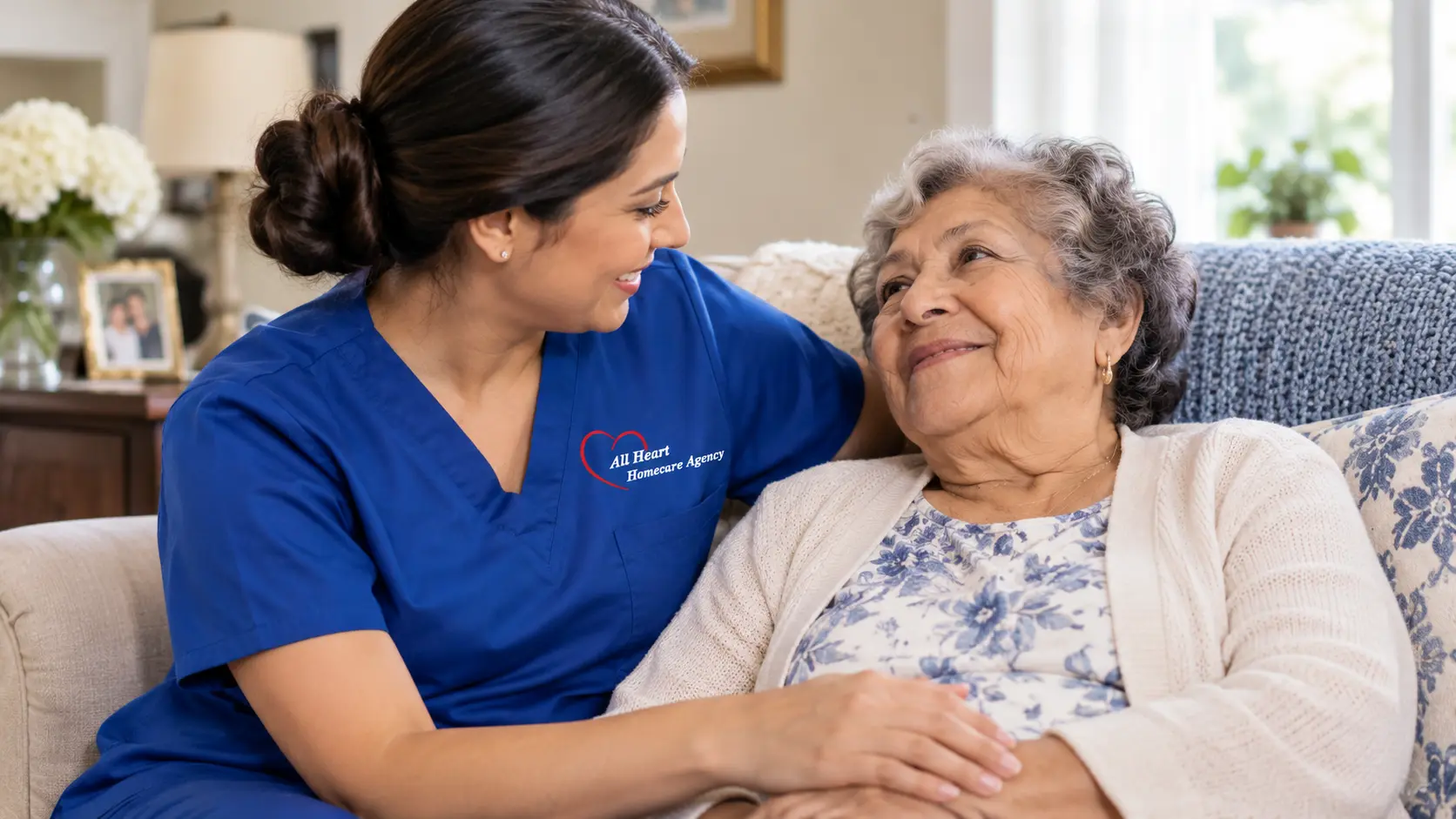
Errand and grocery help keep seniors independent by taking over the physically demanding tasks that most often force older adults to leave their homes: carrying heavy bags, standing in long checkout lines, driving in traffic, and walking to stores in bad weather. When someone else handles these errands, a senior keeps eating well, keeps their household running, and keeps living on their own terms.
For many families, the first sign of trouble is not a medical event. It is a near-empty refrigerator, expired food in the pantry, or a parent who admits they skipped the store because the walk felt too far. These small gaps add up quickly, affecting nutrition, safety, and mood.
The good news is that errand and grocery assistance is one of the simplest, most affordable forms of home care to arrange. This guide covers what these services include, how they protect independence, what tasks a caregiver can take on, and how families in New York can pay for them.
Key Takeaways
- Errand and grocery help removes the physical barriers, like heavy bags and long walks, that push seniors toward assisted living before they are ready.
- Reliable grocery support directly protects nutrition, which matters in New York, where many older adults struggle to access affordable, quality food.
- These services also reduce fall risk, ease loneliness, and free up a senior’s limited energy for family, hobbies, and rest.
- A home care aide can combine errands with meal prep, light housekeeping, and companionship in a single visit.
- In New York, Medicaid programs and private pay plans can both cover errand and grocery assistance from a licensed agency.
What Errand and Grocery Help for Seniors Includes
Errand and grocery help is a category of non-medical home care focused on tasks performed outside the home. A caregiver either runs these errands for the senior or accompanies them, depending on how involved the person wants to be. Professional errand services for seniors typically cover grocery shopping, pharmacy pickups, post office trips, dry cleaning, and similar day-to-day tasks.
This type of assistance usually falls under companion care or personal care, two service levels that are often confused. The difference between companion care vs personal care comes down to hands-on help: companion care covers errands, transportation, and social time, while personal care adds physical assistance with bathing, dressing, and mobility.

The appeal is flexibility. A senior who loves picking out their own produce can ride along and let the caregiver handle the bags and the driving, while someone recovering from surgery can hand over the whole list. Either way, the household stays stocked and the senior stays in charge.
How Errand and Grocery Support Protects a Senior’s Independence
Independence is what most older adults say they want above almost anything else. According to an AARP survey, 75% of adults aged 50 and older want to remain in their current homes as they age. Errand and grocery help is one of the most direct ways to make that wish realistic, and here is how it works in practice.
Steady Access To Nutritious Food
Nothing undermines independence faster than an empty kitchen. When shopping becomes difficult, seniors quietly shift to whatever is easy: crackers, canned goods, skipped meals. A 2025 New York Health Foundation report found that 56% of older adults in New York State have difficulty accessing affordable, quality food, with trouble walking to stores and carrying heavy groceries named as key drivers.
Regular grocery runs solve the access problem at its root. When a caregiver also helps with meal preparation for seniors, fresh ingredients become meals rather than go unused.
The combined benefits of meal prep for seniors include better nutrition, fewer skipped meals, and steadier energy throughout the day.
Fewer Falls and Injuries
Grocery shopping is one of the riskiest routine activities for an older adult. It involves walking on uneven pavement, reaching for high shelves, balancing a cart, and hauling bags up stairs. A single fall during any of these steps can trigger a hospital stay that ends independent living entirely.
Handing off the physically risky parts removes that exposure without removing the senior from the process. They still choose what to buy and how to organize their kitchen. They just skip the icy sidewalk in January and the 10-pound bag of potatoes on the third-floor walkup.
Less Isolation and More Connection
Errand help is never just logistics. The caregiver who shops with a senior is also company: someone to chat with in the car, share a coffee with afterward, and check in on how they are really doing. For seniors living alone, that regular visit may be the most consistent social contact of the week.
This matters because isolation tends to build silently. Families who learn the signs of loneliness in seniors often realize that a parent stopped going out long before anyone noticed. Scheduled errand visits rebuild a routine of getting out, seeing people, and staying engaged with the neighborhood.
More Energy for What Actually Matters
Seniors managing chronic conditions often work with a limited daily energy budget. If a two-hour grocery trip consumes most of it, there is nothing left for grandchildren, hobbies, physical therapy exercises, or even cooking the food they just bought.
Delegating errands is not giving up independence. It is about spending limited energy on the activities that make life worth living, rather than on the chores that drain it. Many families notice a parent becomes more active overall once the exhausting tasks are off their plate.
Relief for Family Caregivers
When there is no professional help, errands land on adult children, and Saturday becomes a standing shift of shopping, pharmacy runs, and bank visits. Over months, that schedule strains jobs, marriages, and health, and it can strain the parent-child relationship too.
Professional errand support gives that time back. Family visits return to being visits, not work shifts. The senior benefits as well, since few people enjoy feeling like a weekly obligation to their children.
Confidence That Daily Life Is Handled
Small worries compound in later life, from a prescription running out over the weekend to a snowstorm arriving with an empty pantry. Seniors who know their errands are covered stop rationing food and medication out of anxiety.
That baseline security changes behavior. People eat properly, take medications on schedule, and plan social activities instead of planning around the next difficult trip to the store.
| Benefit | What the caregiver handles | Effect on independence |
| Better nutrition | Grocery runs and fresh food stocking | The senior eats full meals instead of whatever is easiest |
| Fall prevention | Carrying, driving, and store navigation | Removes the riskiest routine activity from the week |
| Social connection | Shared outings and regular visits | Replaces isolation with consistent companionship |
| Energy protection | The most tiring recurring chores | Free time strengthens family, hobbies, and health |
| Family relief | Weekly errand shifts | Visits become quality time again |
| Peace of mind | Prescriptions, essentials, and planning | Senior stops rationing and starts living |
Everyday Errands a Home Care Aide Can Take On
Errand assistance covers far more than the supermarket. Once a caregiver is scheduled, families are often surprised by how many small tasks fold into the same visit.
Common errands include:
- Grocery shopping: full trips from a prepared list, or accompanied shopping where the senior chooses items
- Pharmacy runs: prescription pickups, refills, and over-the-counter supplies
- Post office and banking: mailing packages, buying stamps, and depositing checks
- Dry cleaning and returns: dropping off, picking up, and handling store exchanges
- Pet supplies: food, litter, and trips to the groomer or vet
- Appointment transportation: rides to the doctor, dentist, salon, or place of worship
Inside the home, the same aide can put groceries away, rotate out expired food, and prepare meals from the fresh ingredients.
Many caregivers also provide light housekeeping for seniors, so the kitchen gets wiped down and the trash goes out during the same visit. Simple planning resources like these healthy meal ideas for seniors can guide the shopping list so every trip supports better eating.
If errands are becoming the hardest part of your loved one’s week, help is one call away. Contact us today for a free consultation!
Signs a Senior May Need Errand and Grocery Support
Most older adults will not announce that shopping has become too hard. Pride runs deep, and many fear that admitting difficulty means losing their home. Families usually have to read the signs themselves during visits and phone calls.
Watch for these signals:
- An unusually empty refrigerator, or one filled with expired and spoiled food
- Noticeable weight loss or a shift toward shelf-stable snacks instead of real meals
- Skipped medications because prescription refills were never picked up
- A car with new dents or scratches, or visible anxiety about driving
- Reluctance to go out in rain, snow, or heat that never used to stop them
- Piles of unmailed letters, unreturned packages, or unpaid bills waiting for a trip out
One or two of these on their own may mean nothing. A pattern that repeats across several visits usually means daily logistics have quietly become a burden, and it is worth a gentle conversation before a fall or a health decline forces the issue.
How To Pay for Errand and Grocery Help in New York
Cost is the first question most families ask, and the answer is more encouraging than many expect. Errand and grocery assistance is among the most affordable home care services because it requires fewer hours than hands-on personal care, and several payment options are available in New York.
Original Medicare does not pay for standalone errand or homemaker services in most cases, a distinction explained in detail in this guide to does Medicare covers cleaning services for seniors. Some Medicare Advantage plans have started adding limited grocery and transportation benefits, so it is worth checking a specific plan’s supplemental coverage.
New York Medicaid is the strongest option for those who qualify. Through personal care programs and Medicaid can cover aides who shop, run errands, and assist around the home, and CDPAP even allows a family member to become the paid caregiver. Private pay remains the most flexible option, allowing families to schedule exactly the hours they need with no program restrictions.
When comparing providers, look at licensing, caregiver screening, language matching, and reviews. This breakdown of the best light housekeeping agency for seniors options in NYC shows what separates a strong agency from a directory listing.
Why All Heart Care Is the Right Partner for Senior Errand and Grocery Help
All Heart Homecare Agency has spent more than 14 years helping New York seniors stay independent in the homes they love. Ranked the #1 agency in Brooklyn and serving all five boroughs from offices in Brooklyn and Manhattan, All Heart builds errand and grocery support into a complete care plan that can also include meal preparation, light housekeeping, personal care, and around-the-clock assistance as needs change.
Every caregiver is a certified, background-screened professional, and clients are matched with aides who speak their language, whether that is English, Spanish, or Russian. Families get 24/7 on-call support, free transportation to medical appointments, and a care plan covered through Medicaid, CDPAP, private pay, or other programs. With 1,000+ clients served and 500+ positive reviews, All Heart treats every senior the way its founders intended: care for one as you would care for your loved one.
Give your loved one the freedom to stay home safely. Contact us today for a free consultation!
Frequently Asked Questions About Errand and Grocery Help for Seniors
What is an errand service for seniors?
An errand service for seniors is non-medical home care in which a trained caregiver runs errands or accompanies seniors on everyday trips outside the home. Typical tasks include grocery shopping, pharmacy pickups, banking, post office visits, and dry cleaning. Seniors can delegate the entire errand or ride along, keeping control over choices while avoiding the physical strain.
How much does grocery shopping assistance for seniors cost?
Cost depends on location, hours, and whether errands are bundled with other care. In New York City, private-pay home care typically runs by the hour, and a weekly two- to three-hour errand visit is among the least expensive care arrangements. Medicaid and CDPAP can cover the cost entirely for seniors who qualify.
Does Medicare pay for errand services for the elderly?
Original Medicare does not cover standalone errand, shopping, or homemaker services because it classifies them as non-medical care. Some Medicare Advantage plans now include limited grocery delivery or transportation benefits as supplemental extras. Seniors who qualify for New York Medicaid have broader options, since Medicaid personal care programs can include shopping and errands.
How often should a senior have grocery or errand help?
Most seniors do well with one or two errand visits per week, enough to keep fresh food stocked and prescriptions filled. Seniors with mobility limits, recent hospital stays, or no nearby family may benefit from more frequent visits that combine errands with meal prep and companionship. Schedules can adjust as needs change.
Is grocery delivery enough, or do seniors need in-person help with errands?
Delivery apps solve only part of the problem. Many seniors struggle with the technology, cannot lift boxes left at the door, and lose the social contact a store trip once provided. In-person errand help puts groceries away, checks expiration dates, spots changes in the senior’s condition, and provides companionship that no app can replace.