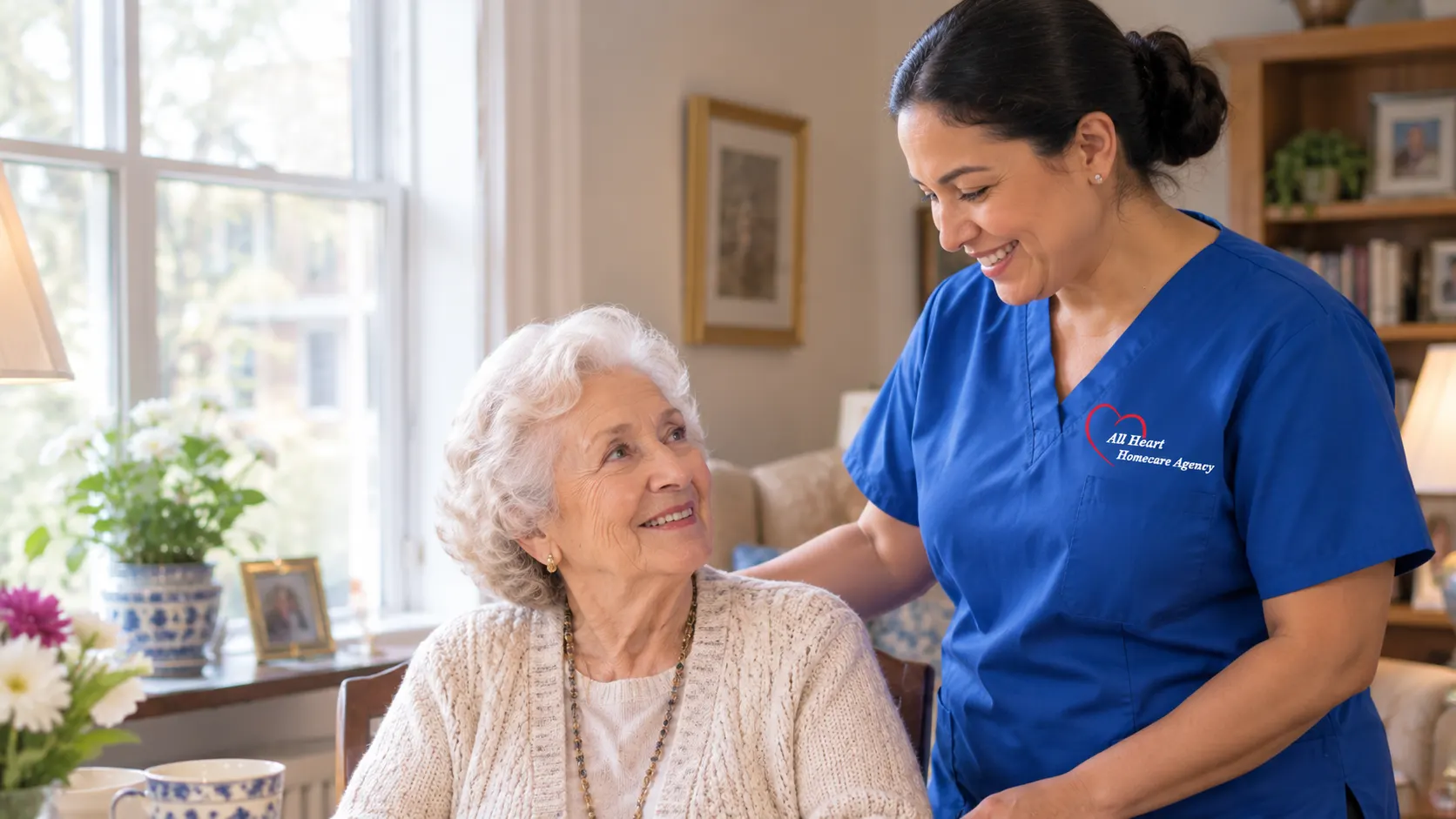
No, Medicare does not pay for house cleaning when cleaning is the only help a senior needs. Original Medicare treats tasks like vacuuming, laundry, dishes, and tidying as “homemaker” services, and those sit outside what Parts A and B cover.
That answer catches a lot of families off guard. A parent comes home from the hospital, the dishes pile up, the bathroom starts to feel unsafe, and the laundry has not been touched in two weeks. You assume the card that pays for doctor visits will also pay for the help that keeps a home livable, then you learn it does not.
There are narrow circumstances in which some in-home help is covered, and there are real ways to pay for cleaning support without draining savings. This article lays out what Medicare will and will not pay for, the one exception worth checking, and the programs that fill the gap.

Key Takeaways
- Original Medicare does not cover house cleaning, laundry, or shopping when these “homemaker” tasks are the only help a senior needs.
- A home health aide may assist with limited personal care, but only during a doctor-ordered home health period for someone who is homebound.
- Some Medicare Advantage (Part C) plans offer limited in-home support, such as light cleaning to reduce allergens, though this coverage is plan-specific and uncommon.
- Medicaid, veterans benefits, and long-term care insurance often pay for cleaning help that Medicare will not.
- Private pay gives families the most flexibility when no program applies.
What Medicare Counts as Homemaker Services
The word “homemaker” carries a specific meaning within Medicare, and it is why so many cleaning requests get denied. Knowing how the program sorts everyday tasks helps you predict what a claim will and will not cover before you ever pick up the phone.
Medicare splits in-home help into two buckets. Skilled care refers to services that require a licensed professional, such as wound care or physical therapy. Custodial or homemaker care covers non-medical daily tasks, and that is where cleaning lives.
Homemaker services include a familiar list of chores:
- House cleaning: sweeping, vacuuming, dusting, and bathroom or kitchen cleanup
- Laundry: washing, drying, and folding clothes and linens
- Shopping and errands: groceries, prescriptions, and household supplies
- Meal prep: planning and cooking everyday meals
When these tasks are the only support a person needs, Medicare classifies the need as custodial and pays nothing toward it. Many families start by looking for help with light housekeeping for seniors or basic personal care, and they are surprised to find that those services fall outside standard Medicare coverage.
When Medicare May Help With In-Home Care
Medicare is not a flat no for every senior who needs help at home. A few specific paths open the door to covered care, though each one comes with conditions that rule out routine cleaning on its own.
Home Health Care Under Original Medicare
Original Medicare covers home health care when a doctor certifies that a person is homebound and needs skilled care on a part-time or intermittent basis. Covered services include skilled nursing, physical therapy, occupational therapy, and speech therapy.
During the approved period, a home health aide may assist with personal tasks such as bathing or changing bed linens. This help is tied to the skilled care plan, and it ends when the skilled care need ends.
Home Health Aide Limits
A home health aide is not a housekeeper. Aide visits are short and intermittent, meant to support recovery, not to keep a house clean week after week.
Medicare will not approve an aide for someone whose only need is custodial. If cleaning, cooking, and laundry make up the entire request, the claim falls outside coverage, no matter how real the need is.
Medicare Advantage And Supplemental Benefits
Medicare Advantage (Part C) plans are offered by private insurers and can include benefits that Original Medicare leaves out. Since 2019, some plans have offered limited in-home support as a supplemental benefit.
A plan might cover light cleaning to cut down dust for a member with asthma or another breathing condition. These benefits stay uncommon and vary widely, so the only reliable step is to call the plan and ask exactly what it includes.
| Coverage type | What it covers | Cleaning included? |
| Original Medicare, home health | Skilled nursing and therapy for homebound patients | No, aside from limited aide help during the care period |
| Home health aide | Bathing, grooming, and basic personal care during a care period | No standalone cleaning |
| Medicare Advantage (Part C) | Plan-specific extras, sometimes light in-home support | Sometimes, if health-related and in the plan |
| Original Medicare, custodial only | Nothing when only homemaker’s help is needed | No |
Ways To Pay For Cleaning Help When Medicare Won’t
A Medicare denial does not mean a senior has to go without help. Several programs and options cover the homemaker support that Medicare skips, and the right fit usually comes down to income, service history, and where a person lives.
In-home care is a real expense. The national median rate for non-medical caregiver services reached $35 an hour in 2026, which is exactly why families look hard for programs that share the cost.
- Medicaid: Covers personal care and homemaking for eligible low-income seniors. In New York, this often runs through managed long-term care.
- Veterans benefits: The VA Aid and Attendance allowance can help pay for in-home help, including homemaker tasks.
- Long-term care insurance: Many policies reimburse non-medical home care, including cleaning and laundry.
- Private pay: Out-of-pocket arrangements offer the most flexibility and no eligibility hurdles.
Contact us today for a free consultation. One call can turn a stack of unanswered chores into a plan that works.
Why A Clean Home Matters For Staying Independent
A clean, organized home is not just about appearances. It shapes how safe and how long a senior can stay in the place they want to be.
Most older adults want to stay put. Around 75% of adults aged 50 and older say they want to remain in their current homes as they age, according to AARP. Keeping that home livable is often what makes staying possible.
When daily upkeep slips, the risks add up quickly:
- Fall risk: Clutter, spills, and loose items on the floor turn ordinary rooms into hazards.
- Infection risk: A dirty kitchen or bathroom increases the risk of illness, especially for people with fragile immune systems.
- Isolation: A home that feels unmanageable can lead seniors to stop inviting people over.
- Daily stress: Falling behind on chores wears on confidence and mood.
A cared-for home also supports mental well-being and can ease the signs of loneliness in seniors that often follow when someone stops keeping up with daily life.
How All Heart Care keeps NYC seniors in a clean, safe home
All Heart Homecare Agency built its reputation on a simple promise: care for one as you would care for your loved one.
For more than 14 years, the family-owned agency has helped seniors across Brooklyn, Manhattan, Queens, Staten Island, and the Bronx stay in the homes they love. Certified, background-screened aides handle the cleaning, laundry, meal prep, and personal care that Medicare so often leaves uncovered, and the team shapes each plan around what a family actually needs.
Coverage options span Medicaid, private pay, and specialized programs, so cost rarely has to be the reason a senior goes without help. Free transportation to medical appointments, 24/7 on-call support, and multilingual caregivers round out a service built for real NYC households.
Contact us today for a free consultation. Let us help your loved one live safely and comfortably at home.
Frequently Asked Questions About Medicare And Home Cleaning For Seniors
Does Medicare ever pay for a house cleaner?
Original Medicare does not pay for a house cleaner when cleaning is the only help needed, because it treats this as homemaker care. A home health aide may assist with limited personal tasks during a doctor-ordered skilled home health visit, but ongoing routine cleaning still falls outside the program’s coverage.
What is the difference between a home health aide and a homemaker?
A home health aide provides personal care, such as bathing, grooming, and assistance with mobility, often as part of a medical recovery plan. A homemaker handles non-medical chores such as cleaning, laundry, cooking, and shopping. Medicare may cover aide visits in specific cases, but does not pay for standalone homemaker work when that is the only support a senior requires.
Will Medicare cover cleaning after a hospital stay?
After a hospital stay, Medicare may cover home health care if a doctor certifies that you are homebound and need skilled nursing or therapy. During that period, an aide can help with some personal tasks. General house cleaning is not a covered benefit, even right after discharge, so families usually arrange that help separately.
Does Medicaid cover house cleaning for seniors?
Medicaid often covers personal care and homemaking for eligible low-income seniors, including help with cleaning and laundry. In New York, these services frequently run through managed long-term care or consumer-directed programs. Eligibility depends on income, assets, and assessed need, so the exact benefits vary from person to person.
Can a Medicare Advantage plan cover housekeeping?
Some Medicare Advantage plans offer limited in-home support as a supplemental benefit, such as light cleaning to reduce allergens for a member with a breathing condition. These benefits are uncommon and vary widely across plans. The only reliable way to confirm coverage is to call your specific plan and ask.
How much does private cleaning help for seniors cost?
Costs vary by location and the type of help involved. National figures put non-medical in-home caregiver services at around $35 an hour in 2026, though rates run higher in large cities and lower in some rural areas. Many agencies set hourly minimums, so it helps to request a local quote before deciding.