Skipped lunches, repeated dinners of toast and tea, a fridge full of expired leftovers. These are the quiet signals families notice when cooking becomes too much for an aging parent. The effort of planning, shopping, standing at the stove, and cleaning up afterward adds up fast for someone managing arthritis, fatigue, or memory changes.
Meal prep for seniors solves most of this in a single weekly routine. Preparing balanced meals in advance gives seniors reliable access to good nutrition without the daily physical and mental load of cooking from scratch. The main benefits include better nutrition, steadier hydration, easier management of medical diets, fewer skipped meals, lower grocery costs, and more independence at home.
This article breaks down each of those benefits, then walks through how to set up a meal prep routine that actually works for an older adult, whether they cook alongside a family member or with support from a caregiver.
Key Takeaways
- Meal prep provides seniors with consistent access to balanced meals, reducing the risk of malnutrition, unplanned weight loss, and skipped meals.
- Prepared meals make it far easier to follow doctor-ordered diets for diabetes, heart disease, kidney conditions, and swallowing difficulties.
- Batch cooking reduces grocery waste and impulse food spending, a real advantage for seniors on fixed incomes.
- Portioned, labeled containers help seniors with memory changes or low energy eat well without operating the stove every day.
- A home care aide can handle the shopping, cooking, portioning, and kitchen cleanup so seniors keep eating well without relying on family alone.
What Meal Prep for Seniors Involves
Meal prep means planning and preparing several meals at once, usually for the next three to seven days, then storing them in single portions that only need reheating. For an older adult, that might look like a Sunday cooking session with a family member, a caregiver batch-cooking during a weekly visit, or a mix of homemade and pre-portioned store items.
The approach matters more than the recipes. Senior meal prep prioritizes soft textures where needed, correct portion sizes, medical diet requirements, and containers that arthritic hands can actually open. Pairing a weekly plan with simple, healthy meal ideas for seniors keeps the routine realistic rather than ambitious, so it’s not abandoned the next week.

7 Key Benefits of Meal Prep for Seniors
The advantages go well beyond convenience. Each benefit below addresses a specific risk that grows with age, from poor nutrition to social isolation, which is why doctors and dietitians so often recommend prepared meals for older patients.
1. Better Nutrition With Less Effort
Appetite, taste, and the motivation to cook all tend to decline with age, and the result is a diet that drifts toward crackers, cereal, and whatever requires no work. Prepared meals remove the effort barrier, so the easiest option in the fridge is also the balanced one. A 2025 analysis in
Frontiers in Nutrition counted 97.6 million cases of malnutrition among adults over 70 worldwide, and the same research found the burden rising in high-income North America.
Batch cooking also makes it simple to hit protein targets, which protect muscle mass and reduce fall risk. When chicken, beans, or fish are already cooked and portioned, they end up on the plate instead of staying in the freezer.
2. Fewer Skipped Meals
Seniors skip meals for many reasons: fatigue, low appetite, forgetting, or not wanting to cook for one. Skipped meals compound quickly into weight loss, weakness, and medication problems, since many prescriptions need to be taken with food. NCOA reports that nearly 7 million older Americans were food insecure in 2022, and stretched budgets make skipped meals even more likely.
A labeled container for each day removes the decision entirely. Breakfast, lunch, and dinner are visible, portioned, and ready in minutes, which is often all it takes to restore a regular eating pattern.
3. Easier Management of Medical Diets
Doctor-ordered diets fail most often at the point of daily execution, not because the rules are unclear. A senior may know they need low-sodium meals but still reach for canned soup when cooking feels overwhelming. Meal prep builds the diet into the food itself, so compliance no longer depends on daily willpower.
Prepared meals adapt well to the most common senior dietary needs:
- Diabetes: consistent carbohydrate portions across meals keep blood sugar steadier
- Heart disease: Sodium is controlled during cooking instead of at the table
- Kidney conditions: potassium and phosphorus limits are baked into the recipe
- Swallowing difficulties: soft, minced, or pureed textures are prepared safely in batches
- Food allergies: Every container is made in a controlled kitchen with known ingredients
4. Steadier Hydration
Dehydration sneaks up on older adults because the sense of thirst weakens with age, and it contributes to confusion, urinary tract infections, and falls. Meal prep is a practical workaround because hydration can be built into the menu rather than left to memory.
Soups, stews, smoothies, yogurt, and cut fruit like melon and oranges all deliver fluids alongside nutrients.
When two or three water-rich items appear in the weekly rotation, daily fluid intake rises without anyone counting glasses.
5. Lower Food Costs and Less Waste
Groceries are among the few flexible expenses in a fixed-income budget, and cooking for one is expensive when ingredients spoil before they are used. Batch cooking uses the whole bag of spinach and the whole pack of chicken in one session, then freezes any leftovers that won’t be eaten within a few days.
Planning also cuts impulse purchases and repeat delivery orders, which are usually the most expensive calories a senior can buy.
Families often find that a single organized shopping trip costs less than a scattered week of small store runs and takeout.
6. More Independence and Confidence at Home
Being able to feed yourself, on your own schedule, is a core part of aging in place. Reheating a prepared meal is manageable for most seniors, including many who can no longer safely chop vegetables or manage hot pans, so meal prep extends self-sufficiency in the kitchen for years.
There is a social layer to this benefit as well. Cooking sessions with a family member or caregiver turn food preparation into shared time, and shared meals are among the simplest buffers against the isolation described by these signs of loneliness in seniors. Regular mealtime company supports both appetite and mental well-being.
7. Safer Food Handling
Foodborne illness hits older adults harder because their immune systems weaken with age. Unplanned kitchens are where the risk lives: mystery leftovers, expired dairy, and food left out during a long, tiring cooking session.
Meal prep introduces structure that improves safety on its own. Meals are cooked once under attention, cooled promptly, labeled with dates, and eaten or frozen within a safe window, which eliminates most of the guesswork that leads to spoiled food being eaten anyway.
| Benefit | Problem it solves | How meal prep delivers |
| Better nutrition | Diet drifts toward low-effort snack foods | Balanced meals become the easiest option available |
| Fewer skipped meals | Fatigue, forgetting, cooking for one | Portioned, labeled meals ready in minutes |
| Medical diet compliance | Daily execution of doctor-ordered diets | Restrictions are built into each prepared meal |
| Steadier hydration | Weakened thirst signals with age | Soups, smoothies, and water-rich foods in rotation |
| Lower costs | Spoiled groceries and takeout spending | Whole ingredients used in one planned session |
| Independence | Cooking becomes physically unsafe | Reheating stays manageable for years longer |
How Home Care Support Makes Meal Prep Sustainable
The hardest part of senior meal prep is not the recipes, it is keeping the routine going week after week. Family members start strong, then work schedules, distance, and their own households get in the way. This is exactly the gap that professional home care fills.
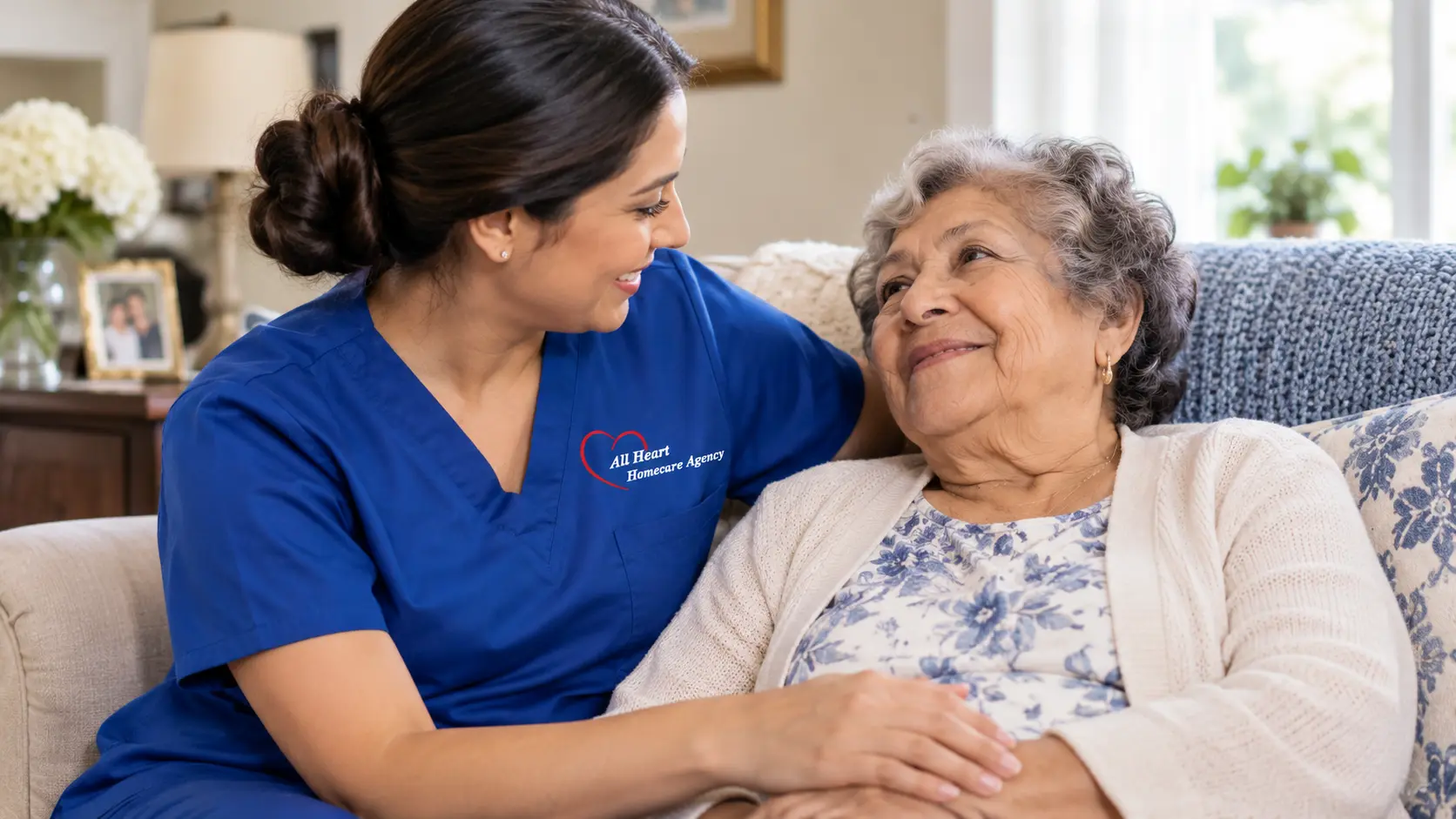
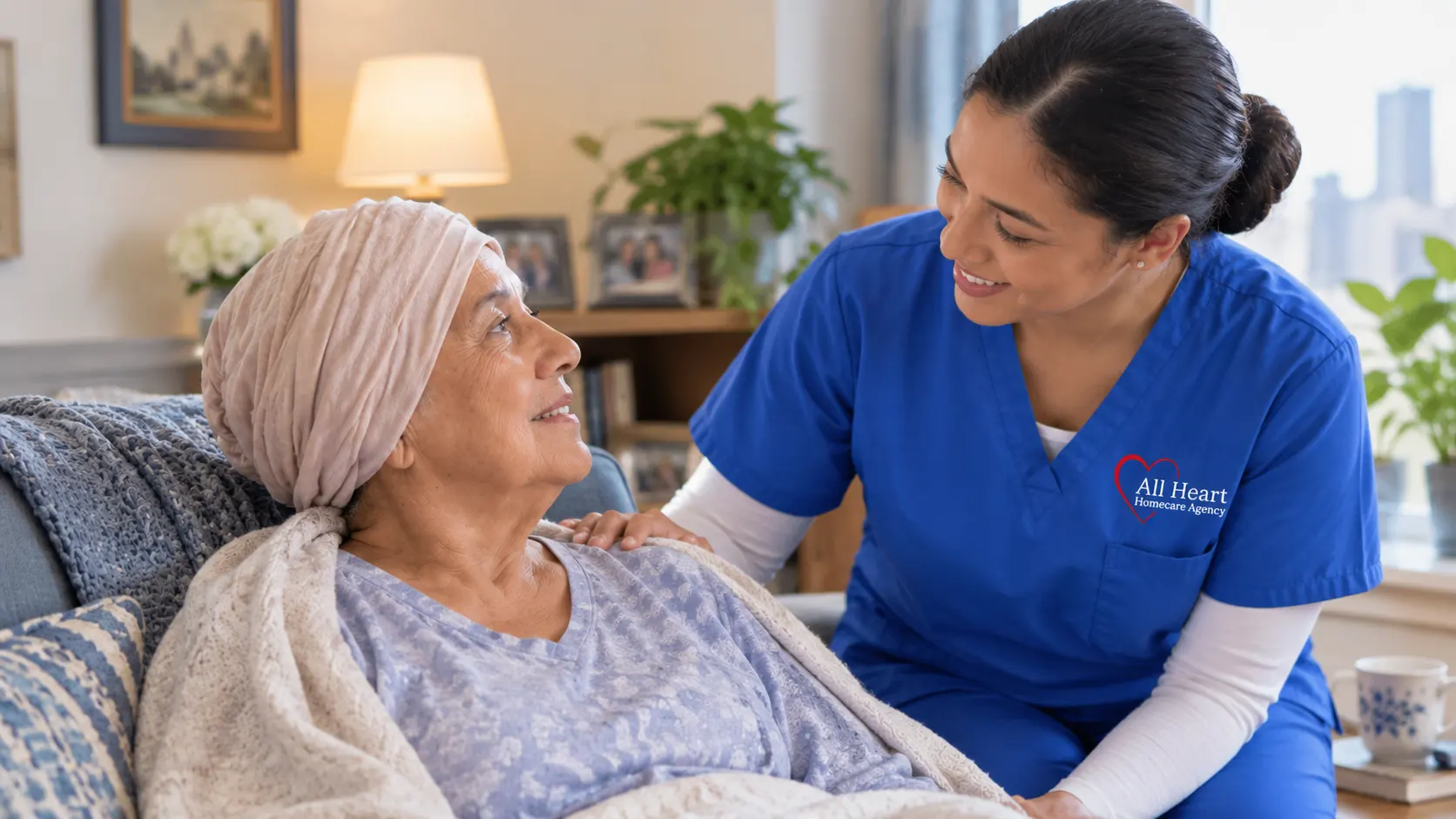
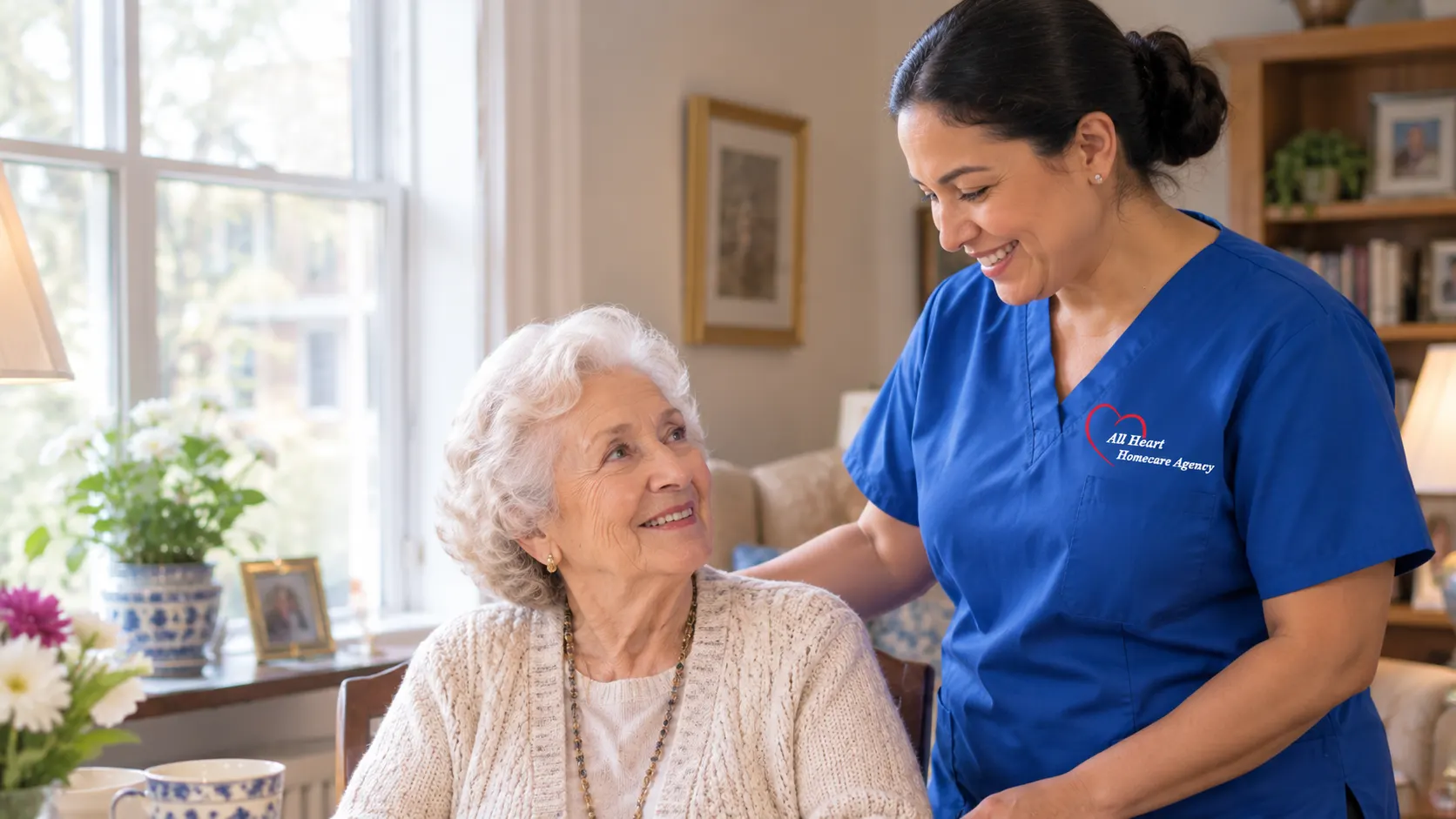
All Heart Homecare Agency has spent more than 14 years helping New York seniors eat well at home, with certified home health aides serving all five boroughs from offices in Brooklyn and Manhattan. Aides handle the full meal routine: grocery shopping, cooking to dietary requirements, portioning meals for the week, and cleaning the kitchen afterward.
Caregivers speak English, Spanish, and Russian, and are matched to each client’s language and food preferences, which matters when the goal is meals a senior will actually enjoy. The agency is BBB accredited, ranked #1 in Brooklyn, and backed by more than 500 positive reviews from families across NYC.
If mealtimes have become a daily struggle for your loved one, help is one call away. Contact us today for a free consultation!
How To Start a Meal Prep Routine for an Older Adult
A senior meal prep routine works when it is small, repeatable, and matched to the person’s abilities. The steps below build a system that a senior, family member, or caregiver can maintain without burning out.
Plan Around Abilities, Not Just Preferences
Start with an honest look at what the senior can do in the kitchen. Someone with steady hands and good balance can share the cooking, while someone with tremors or memory changes may only handle reheating, and the plan should reflect that from day one.
Texture and chewing ability belong in the plan too. Soft proteins like fish, eggs, and slow-cooked meats work across most ability levels, and anything can be minced or pureed in the same batch session.
Keep the Menu Small and Rotating
Five to six reliable recipes on rotation beat a new menu every week. Repetition speeds up the cooking session, makes shopping lists automatic, and gives seniors the comfort of familiar food, which supports appetite more than variety does.
Build each week around a simple pattern:
- Two protein bases: for example, baked chicken thighs and a bean stew
- Two vegetable sides: one roasted batch and one soft-cooked batch
- One grain: rice, pasta, or oatmeal portioned for the week
- One hydrating item: a soup, smoothie packs, or cut fruit
- One treat: something the senior genuinely looks forward to
Portion and Label Everything
Single-serving containers with dates and contents written on masking tape solve three problems at once: portion control, food safety, and memory support. Clear containers work best because seniors eat what they can see.
Choose lightweight containers with easy-grip lids, since standard snap lids are difficult for arthritic hands. Store the next two days’ meals at eye level in the fridge, and freeze the rest.
Assign the Cleanup
Meal prep produces one big cleanup instead of seven small ones, but that session still involves standing, scrubbing, and reaching that many seniors cannot manage. Deciding in advance who handles it keeps the kitchen safe and the routine alive.
For many families, this is where outside help enters the picture, since light housekeeping for seniors commonly covers kitchen cleanup, dishes, and wiping down cooking surfaces as part of a regular care visit. Families comparing options can look at how the best light housekeeping agency for seniors structures these services alongside meal support.
Who Should Handle Meal Prep: Family, Senior, or Caregiver
There is no single right answer, and most households land on a blend. What matters is matching the level of support to the senior’s health, safety, and schedule rather than defaulting to whoever feels obligated.
Family-led prep works well when relatives live close, and the senior mainly needs company and organization. It gets strained when adult children live far away, work full-time, or find themselves cooking for two households every week.
Caregiver-led prep suits seniors with medical diets, mobility limits, or memory changes, and it removes the pressure from family visits so that time together is not consumed by chores.
If you are weighing what type of support fits, this breakdown of companion care vs personal care explains which service level includes hands-on meal preparation.
On the payment side, families researching coverage often start with whether Medicare covers cleaning services for seniors, since meal prep and housekeeping are usually bundled into the same personal care visits.
Frequently Asked Questions About Meal Prep for Seniors
How many days of meals can be prepped safely for a senior?
Cooked meals stay safe in the refrigerator for three to four days. For a full week, refrigerate the first three days’ meals and freeze the rest, then move the frozen containers to the fridge one day before eating. Label every container with the contents and the date it was cooked.
What are the easiest foods to meal prep for elderly people?
Soft, reheatable foods work best: baked chicken, meatloaf, fish, scrambled egg cups, bean stews, soups, cooked vegetables, rice, and oatmeal. These hold their texture after refrigeration, reheat evenly in a microwave, and can be minced or pureed for seniors with chewing or swallowing difficulties.
Does meal prepping help seniors with diabetes?
Yes. Prepped meals keep carbohydrate portions consistent from day to day, which makes blood sugar easier to predict and manage. Cooking in batches also controls added sugar and refined carbohydrates at the recipe stage, so every stored meal already fits the eating plan a doctor or dietitian recommended.
Can a home care aide do meal prep for my parent?
Yes. Meal preparation is a standard personal care service. A home health aide can plan menus around dietary orders, shop for groceries, cook and portion meals for the week, assist with feeding when needed, and clean the kitchen afterward, all within regularly scheduled care visits.
How does meal prep prevent malnutrition in older adults?
Malnutrition in seniors usually develops through skipped meals and low-effort snacking rather than a lack of food. Meal prep removes the effort barrier by making a balanced, portioned meal the fastest option available, which keeps calorie and protein intake steady even on days when energy or appetite is low.
What containers work best for senior meal prep?
Lightweight, clear, microwave-safe containers with easy-open lids are the best choice. Clear sides let seniors see what is inside, single-serving sizes control portions, and easy-grip lids matter for arthritic hands. Avoid heavy glass for anyone with a weak grip and always add a written label with the date.
Is meal prepping cheaper than meal delivery services for seniors?
Usually, yes. Batch cooking whole ingredients costs less per serving than most senior meal delivery subscriptions and reduces waste from spoiled groceries. Delivery services can still make sense as a backup for weeks when no one is available to cook, but home-prepped meals offer more control over diet and taste.