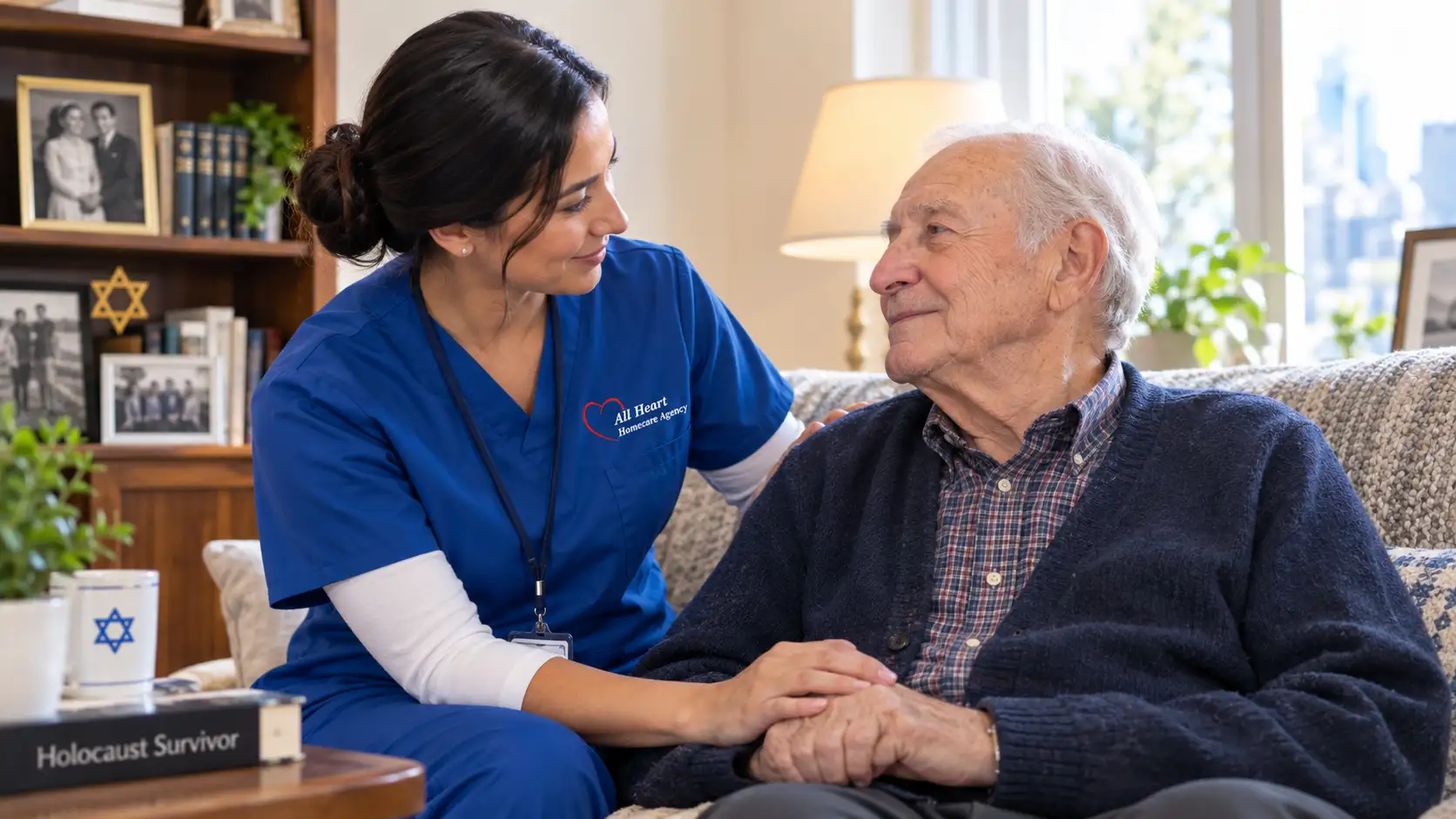

A personalized dementia care plan is a written, individualized strategy for supporting someone living with dementia; built around their specific stage and type of dementia, medical history, lifelong routines, personality, preferences, and family input.
It maps out the person’s daily schedule, communication approaches that work for them, known behavioral triggers and responses, meals, activities, and safety measures and it evolves as the condition progresses. Unlike generic care, a personalized plan treats the person, not the diagnosis: it’s the difference between managing dementia and supporting a life.
Key Takeaways
- A personalized dementia care plan is a living written document: routines, communication approaches, behavior triggers and responses, meals, activities, and safety, built around one specific person, not a diagnosis.
- It works alongside, not instead of, the doctor’s treatment plan: physicians direct the medical treatment; the care plan makes it work in daily life at home.
- Personalization is measurable in behavior: tailored routines and known triggers mean less agitation, fewer incidents of wandering and aggression, and calmer days for everyone.
- Families are co-authors, not spectators: their knowledge of history, preferences, and personality is the raw material the whole plan is built from.
- The plan must evolve as dementia progresses: a scheduled review rhythm is what separates a living plan from a forgotten document.
Why Are Personalized Care Plans Important for People With Dementia?
Personalized care plans matter in dementia support because no two people experience dementia the same way. A plan that’s built around someone’s routines, personality, history, and stage of the condition helps reduce confusion, anxiety, and behavioral challenges. When care is tailored, familiar habits are preserved, communication feels more natural, and daily life becomes calmer and more predictable. For families, personalized care plans provide reassurance that their loved one is being supported as a person, not treated with a one-size-fits-all approach.
Supporting a loved one with dementia is a deeply emotional and challenging journey. From memory loss to difficulties with communication, the complexities of dementia affect every aspect of daily life for patients and their caregivers. While there is no one-size-fits-all solution to managing dementia, one approach has proven particularly effective in improving the quality of life for both patients and their families: personalized dementia care plans.
This blog will explore why personalized care is vital in dementia support, how individualized care plans are developed, and the role of home care agencies in providing this tailored care. If you’re caring for a loved one with dementia or seeking better support options, this guide is for you.
Why Personalized Dementia Care Matters
Every person with dementia experiences the condition in a unique way. Symptoms, behaviors, and care needs can vary widely depending on factors such as the type of dementia (e.g., Alzheimer’s, vascular dementia, Lewy body dementia), the stage of progression, the individual’s personality, and their overall medical history. For instance, while some may experience memory loss and confusion early on, others may first show changes in mood or difficulty with language. This diversity makes it challenging to provide effective care through a one-size-fits-all approach.
Unfortunately, generalized care plans often fail to address the specific needs of individuals, leaving patients feeling frustrated, isolated, and misunderstood. Meanwhile, caregivers may feel overwhelmed and struggle to provide the tailored support their loved ones require, highlighting the need for personalized care solutions.
Key Challenges in Dementia Care
- Difficulty communicating needs and emotions
- Behavioral changes like agitation or wandering
- Loss of independence and autonomy
- Heightened caregiver stress and burnout
Personalized dementia care plans address these challenges by focusing on the unique preferences, strengths, and needs of each individual. This approach recognizes that every person living with dementia is different, with their own personality, history, and experiences. Instead of treating dementia patients as a collective group, personalized care emphasizes tailored strategies that honor their distinct identities, fostering a sense of dignity and meaning in their daily lives.
By considering factors such as hobbies, past careers, and family connections, these care plans create opportunities for more meaningful interactions and improved quality of life.
What does dementia actually look like day to day at home?
Most people picture dementia as forgetting names or repeating questions, but those symptoms are only the surface. Dementia reshapes nearly every part of daily life, which is exactly why a one-size-fits-all approach falls short. Beyond memory loss, dementia commonly changes:
- How familiar places feel: even their own home can seem unfamiliar
- Everyday tasks like cooking, dressing, or bathing, which become confusing
- Conversations, which take more time, patience, and repetition
- Sleep, appetite, and mood, which shift unpredictably
- A sense of time, as day and night begin to blur together
- Personality, with new anxiety, withdrawal, or agitation
Seeing how widely these changes vary from person to person is what makes a personalized care plan so valuable. A few things consistently help a loved one with dementia feel safe at home: steady routines with the same meal times, rhythm, and caregiver; a familiar environment with reduced clutter and clear pathways; and trained caregivers who understand dementia behaviors rather than focusing only on tasks. Rather than rushing through the day, good dementia care creates steady, reassuring moments that reduce confusion and restore a sense of calm.
What Is a Personalized Dementia Care Plan?
A personalized dementia care plan is a tailored strategy designed to support the physical, emotional, and social well-being of a dementia patient. Rather than using a generic template, these plans consider the individual’s:
- Medical history
- Lifestyle preferences
- Daily routines
- Personality
- Family input
What’s Actually Inside the Plan: The Seven Sections
Concretely, a well-built personalized dementia plan is a written document the whole care team follows. Here’s what its sections contain:
| Plan section | What it contains |
| Personal profile | Life story, career, family, faith and culture, likes and dislikes; the person behind the diagnosis, so every caregiver can connect from day one |
| Daily routine map | Wake, meals, activities, rest, and bedtime in the person’s lifelong rhythm; the anchor that reduces confusion |
| Communication guide | What works for this person: pace, phrasing, topics that soothe, topics to avoid, and how they signal needs when words fail |
| Behavior triggers & responses | Known triggers (noise, rushing, certain times of day) paired with the responses that de-escalate — turning incidents into playbook moments |
| Safety plan | Wandering precautions, home modifications, supervision needs, and emergency contacts with an escalation order |
| Meals & health support | Food preferences and textures, hydration rhythm, medication reminder schedule, and appointments |
| Meaningful activities | The music, hobbies, and rituals that still bring joy — scheduled, not left to chance |
Key Components of a Personalized Care Plan
1. Customized Daily Routines
Maintaining a predictable routine helps reduce confusion, anxiety, and agitation.
2. Preferred Activities
Integrating familiar and enjoyable activities enhances mood and mental stimulation.
Communication Techniques
Tailoring communication to suit the patient’s abilities fosters understanding and connection; our complete guide to how to talk with Alzheimer’s patients covers the exact techniques, scripts, and dos and don’ts that belong in this section of the plan.
Behavioral Management Strategies
Addressing triggers and developing constructive responses helps manage behavioral challenges, see our guide to preventing aggressive behavior in people with dementia for the trigger-mapping and de-escalation approaches that make this section work.
Personalized vs. Generic Dementia Care
| Generic Care | Personalized Care |
| Focuses on generalized symptoms | Addresses unique preferences and needs |
| One-size-fits-all routines | Adaptable to patient-specific habits |
| Limited family involvement | Actively includes family in planning |
| Minimal emotional considerations | Focuses on empathetic, person-centered care |
By prioritizing individuality, person-centered dementia care ensures more effective and compassionate support tailored to each person’s unique needs, preferences, and life history. This approach goes beyond simply addressing symptoms, focusing on preserving the patient’s dignity and autonomy while fostering a sense of connection and well-being.
It emphasizes understanding the individual as a whole, enabling caregivers to provide meaningful and respectful care that enhances quality of life.
Personalized Care Plans vs. Dementia Treatment Plans: How They Work Together
Families searching for “personalized dementia treatment plans” are usually looking at two documents that work as one system:
- The treatment plan belongs to the doctors. Neurologists and physicians direct the medical side of dementia, diagnosis, medications, therapies, and clinical monitoring, and they personalize it to the type and stage of dementia and the person’s overall health. Customized dementia treatment starts in the doctor’s office, and every medical question belongs there.
- The care plan makes the treatment work at home. Medications only help when taken consistently; therapies only stick when practiced; sleep, nutrition, and routine determine how every symptom lands. The personalized care plan is the daily implementation layer and the observation engine, because caregivers who see the person every day catch changes the quarterly appointment can’t.
The two plans talk to each other: the doctor’s guidance shapes the daily routine, and the care team’s daily notes: appetite, sleep, mood, new behaviors — flow back to inform the next medical decision. Neither replaces the other; together they cover the whole person.
Wondering about the payment side? Our guide to Medicare and dementia home care maps what’s covered where.
5 Benefits of Individualized Dementia Care Plans
1. Improving Comfort and Familiarity
Personalized routines and familiar environments play a crucial role in creating a sense of security, reducing confusion and agitation in patients, particularly those with cognitive impairments or memory issues. Small details, like maintaining consistent meal times or including personal items such as a favorite chair, cherished photographs, or familiar blankets, can help anchor the patient’s day.
These elements not only provide comfort but also help establish a predictable structure, which is vital for their emotional well-being. Over time, these routines and familiar surroundings can significantly improve the patient’s overall quality of life by fostering a sense of stability and reassurance.
2. Enhancing Emotional Well-Being
Adapting care to reflect the patient’s likes, dislikes, and personal history fosters positive emotional experiences and strengthens the caregiver-patient bond. Simple activities, such as listening to a favorite song, can evoke happy memories and create a calming atmosphere, while looking through family photos can spark meaningful conversations and a sense of connection.
These personalized touches not only enhance the patient’s emotional well-being but also make caregiving a more rewarding and impactful experience.
3. Encouraging Autonomy
Tailored care empowers patients to retain independence in areas where they are still capable, boosting their confidence and overall well-being. Simple actions like allowing them to choose their own clothing, prepare a light snack, or participate in straightforward household tasks such as folding laundry or watering plants can make a significant difference.
These activities not only give them a sense of control but also foster a sense of purpose and value, helping them stay engaged and connected to their daily routines.
4. Strengthening Caregiver Connections
When patients are less agitated or confused, caregivers experience significantly less stress, allowing them to focus on providing better care. A calm and cooperative patient not only eases the daily caregiving routine but also reduces the emotional and physical strain on caregivers. Additionally, involving family members in the care planning process fosters a sense of teamwork and shared responsibility.
This collaborative approach helps caregivers feel more equipped to handle challenges, as they can rely on the support, input, and understanding of the patient’s loved ones. Together, this creates a more positive environment for both the caregiver and the patient.
5. Minimizing Behavioral Challenges
Understanding triggers and implementing personalized behavioral strategies are essential for preventing incidents of aggression, wandering, or frustration in individuals requiring care. By identifying specific causes of distress and tailoring approaches to meet individual needs, caregivers can create a more supportive and calming environment. This not only reduces challenging behaviors but also fosters a stronger bond between the caregiver and the individual, leading to a more harmonious and rewarding caregiving experience for everyone involved.
How to Create and Implement Personalized Care Plans
Step 1. Assess Individual Needs
Begin by evaluating the patient’s unique medical, emotional, and social needs. This may involve:
- Medical evaluations to understand physical health conditions.
- Gathering input from family members about daily routines and preferences.
Step 2. Collaborate with Family and Caregivers
Families bring invaluable knowledge about the patient’s personality, history, preferences, and daily routines. They can provide unique insights that help caregivers better understand the individual’s needs and create a more personalized care plan. Their involvement fosters collaboration and promotes harmony between professional caregivers and loved ones, ensuring the patient feels supported and understood.
Step 3. Develop a Customized Plan
Based on the assessment, create a structured care plan that includes:
- Daily schedules
- Meal preferences
- Communication techniques
- Behavioral intervention strategies
Step 4. Regular Monitoring and Adjustments
A care plan isn’t static—it’s a dynamic guide that must adapt over time. Regular check-ins are essential to ensure the plan evolves in response to the patient’s changing needs as dementia progresses. These reviews help caregivers address new challenges, adjust treatments or therapies, and provide the best possible support for the patient’s well-being. A practical rhythm: a scheduled review every few months in earlier stages, monthly as needs change faster, and immediately after any hospitalization, fall, or noticeable shift.
Tools to Support Personalized Care
- Technology: GPS devices for safety; care apps to track behavioral changes.
- Support Networks: Dementia caregiver support groups; online forums to share advice and resources.
The Role of Home Care Agencies in Personalized Dementia Care
Home care agencies play a critical role in providing tailored dementia care, offering personalized support to individuals while allowing them to remain in the comfort of their own homes. These agencies often provide services such as assistance with daily tasks, medication management, and specialized activities designed to enhance cognitive well-being and quality of life.
Personalized Memory Care Plans at Home
Families often hear “memory care” used for locked facility units, but a personalized memory care plan doesn’t require moving anywhere. The same specialized elements (dementia-trained caregivers, structured routines, secured safety measures, cognitive activities) can be built into a home-based plan, scaled from daily visits to around-the-clock care, with the enormous advantage that the familiar environment itself is therapeutic.
Choosing who delivers it matters: our guide to choosing a home care agency includes the four higher-bar questions to ask any provider about dementia care specifically.
How Agencies Like All Heart Homecare Can Help
1. Expert Curation of Care Plans: Professional assessments ensure every aspect of the patient’s routine is personalized, taking into account their unique needs, preferences, and lifestyle to provide tailored care and support.
2. Trained and Compassionate Caregivers: Agencies like All Heart Homecare provide caregivers skilled in dementia care strategies, from managing behavioral challenges to effective communication.
3. Holistic Support: Care agencies support both the patient and their family, offering respite care options and emotional guidance for caregivers.
A Better Way Forward with Personalized Dementia Care
Personalized care plans are changing the way we approach dementia support. By considering each patient’s unique needs and preferences, this tailored approach fosters comfort, connection, and well-being.
If you’re looking for compassionate and reliable dementia care services, All Heart Homecare is here to help.
Contact us today at 888-388-8989 to learn how we can create a customized care plan for your loved one.
Your loved one deserves the best care, and you deserve the peace of mind that comes with knowing they’re in good hands. Reach out to us today and take the first step toward comprehensive, personalized dementia support.
Frequently Asked Questions About Personalized Dementia Care Plans
What are personalized dementia care plans?
They’re written, individualized strategies for supporting a specific person living with dementia, built from their stage and type of dementia, medical history, lifelong routines, personality, and family input. A complete plan maps the daily schedule, communication approaches, behavior triggers and responses, meals, activities, and safety measures, and it’s updated as the condition progresses. The core principle: care built around the person, not the diagnosis.
What is included in a personalized dementia care plan?
Seven core sections: a personal profile (life story, culture, preferences), a daily routine map, a communication guide specific to the person, behavior triggers paired with de-escalation responses, a safety plan (wandering precautions, home modifications, escalation contacts), meals and health support (including medication reminders), and scheduled meaningful activities. It’s a working document every caregiver on the team follows.
What is the difference between a dementia care plan and a dementia treatment plan?
The treatment plan is medical and belongs to the doctors: diagnosis, medications, therapies, and clinical monitoring, personalized to the type and stage of dementia. The care plan is the daily implementation layer at home, routines, communication, behavior strategies, safety, and support that make the treatment actually work. They operate as one system: the doctor’s guidance shapes daily care, and daily observations flow back to inform medical decisions.
What are personalized memory care plans?
Memory care refers to specialized dementia support: dementia-trained caregivers, structured routines, safety measures, and cognitive activities. While the term often describes facility units, a personalized memory care plan can be delivered entirely at home, scaled from daily visits to 24-hour care, with the familiar environment itself working as therapy. The personalization is the point: the plan is built around one person’s history, habits, and stage.
How often should a dementia care plan be updated?
On a schedule, plus after events: a review every few months in earlier stages, monthly when needs are changing faster, and immediately after any hospitalization, fall, new behavior, or noticeable decline. Dementia progresses, a plan that isn’t updated quietly becomes generic care with a personalized cover page. The daily caregiver’s observations are what make each review meaningful.