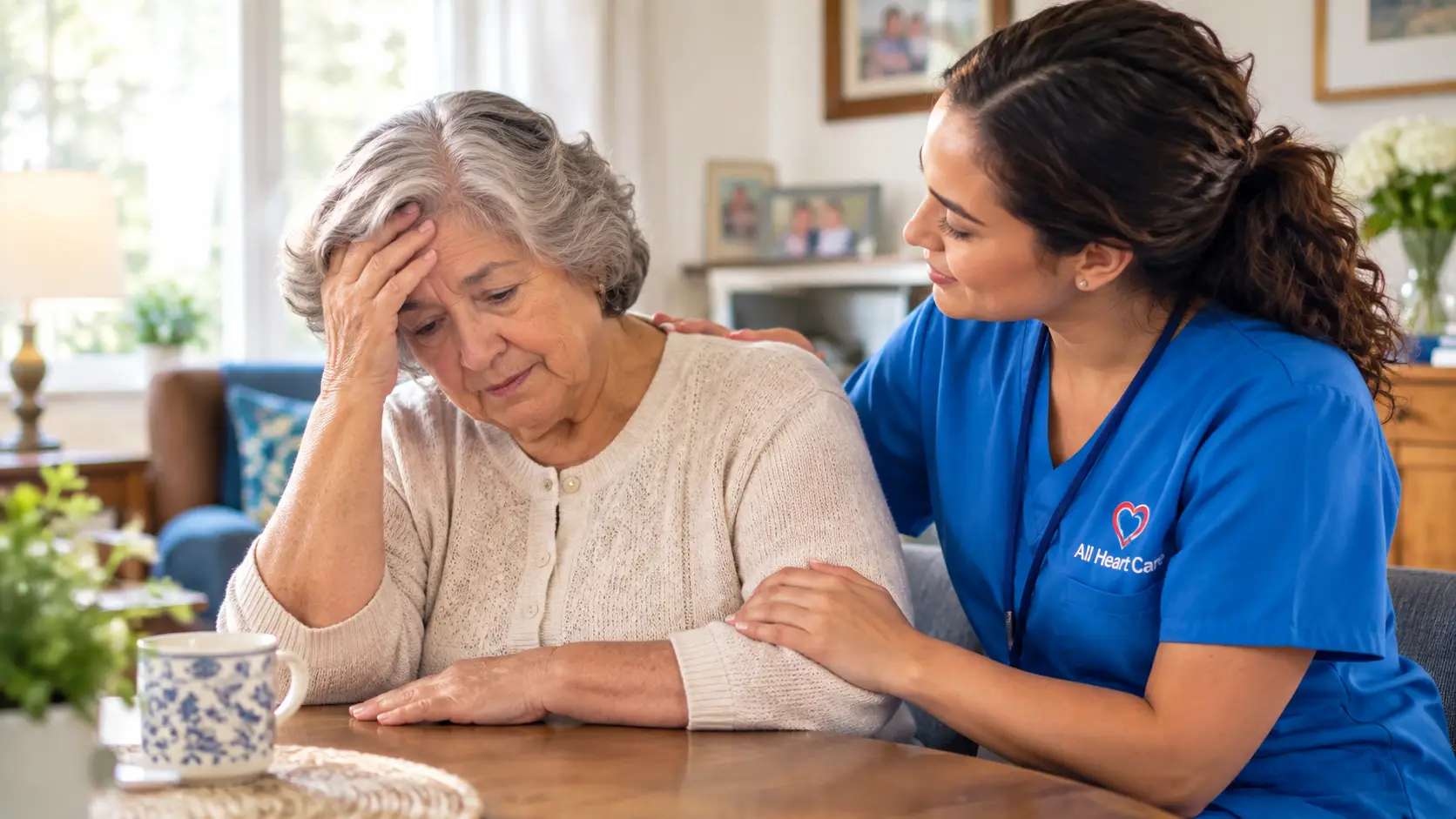

When an older adult starts refusing to shower, it is rarely about being difficult.
The clearest signs that a parent needs help bathing include body odor, unwashed hair, dirty clothing, new skin rashes, and visible fear around the tub. Each of these usually points to a physical or emotional reason that has made bathing feel unsafe or exhausting.
Spotting the reason for the refusal turns a daily argument into a workable plan. The signs below, along with the gentle ways to respond to them, can help you protect your parent’s health without stripping away their sense of control.
Key takeaways
- A parent who suddenly avoids bathing is usually reacting to fear, pain, or changes in memory, not simple stubbornness.
- Body odor, the same clothes worn for days, and new skin problems are among the most reliable signs that bathing has become too hard to manage alone.
- Skipping showers increases the risk of skin and urinary tract infections and serious bathroom falls.
- Small changes to the bathroom and a calmer routine often work better than arguing about the shower itself.
- When safety and dignity are both at stake, a trained aide can take over bathing in a way that protects each one.
Why Elderly Parents Refuse to Shower
A refusal to bathe almost always has a story behind it.
Older adults rarely give up a lifelong habit on purpose, so a sudden change in washing usually means something has shifted in their body, memory, or mood.
The reasons below are the most common ones, and each calls for a different response from you.
Fear of Falling and Feeling Unsafe
Slippery tiles, a high tub wall, and water pooling on the floor can make the bathroom feel like a trap. With 1 in 4 older adults falling each year, a parent who has already slipped once may avoid showering altogether rather than risk a second fall. The fear is reasonable, and treating it as silly will only make them dig in harder.
For someone with limited mobility or a recent injury, this fear runs even deeper. Families managing balance problems often look into disability home care so a trained aide can steady the person during the riskiest moments.
Pain, Fatigue, and Low Energy
Arthritis affects more than 53 million U.S. adults, and the stiff, aching joints it causes make a shower feel like real physical labor. The effort of undressing, standing, reaching, washing, and drying off can feel like climbing a hill to someone already worn out by chronic pain. On a bad day, staying dry simply feels easier than facing all of that.
This is where steady help with daily tasks makes a difference. Certified aides who provide home health care can break bathing into smaller steps, so it stops feeling like one long, draining chore.
Memory Loss and Confusion
For parents living with Alzheimer’s or another form of dementia, the separate steps of a shower can stop making sense. Water temperature, the order of washing, and the sensation of being wet may feel frightening rather than routine. What looks like refusal is often genuine confusion or fear.
A calm, familiar caregiver trained in dementia care can guide each step without overwhelming the person. Consistency and a soothing tone tend to matter far more than logic in these moments.
Loss of Privacy and Dignity
Being undressed and washed in front of an adult child feels humiliating to many older parents. They spent decades as the caregiver, and the role reversal can sting. Some will refuse a shower simply to hold on to a private corner of their independence.
Low Mood and Changes in Well-Being
A drop in mood can drain the motivation for basic self-care, and bathing is often the first routine to slip. Grief, loneliness, and changes in mental well-being all tend to show up this way. When a parent stops washing, eating well, and leaving the house at the same time, a low mood is worth ruling out with a doctor.
Warning Signs Your Elderly Parent Needs Help Bathing
Knowing the reasons helps, but you also need to recognize what the problem looks like day to day. These are the signals family members tend to catch first, often during an ordinary visit. Several of them showing up together is a much stronger flag than any single one on its own, and a sign that hands-on shower assistance may be the next step.
1. Body Odor or Greasy, Unwashed Hair
A noticeable smell or limp, oily hair is usually the first thing relatives notice. Older adults can lose some of their sense of smell, so your parent may not realize anything is off. A polite, low-key mention is more useful here than a horrified reaction.
2. Wearing the Same Clothes for Days
Outfits that go unchanged for days, or stains that linger on a favorite shirt, often track closely with skipped bathing. Dressing and undressing take energy, and a parent who is struggling with one usually struggles with the other. Laundry piling up untouched points to the same underlying issue.
3. Skin Rashes, Redness, or Infections
Unwashed skin traps sweat, bacteria, and dead cells, which can lead to rashes, itching, and broken patches. Pay close attention to skin folds, the groin, and areas under the breasts where moisture tends to collect. Any redness that worsens or starts to smell needs a doctor’s attention quickly.
4. Avoiding the Bathroom or Making Excuses
A parent who once showered daily may suddenly claim they “just washed” or promise to do it “later” every single time. Repeated excuses, a dry tub, and dry towels together suggest the showers are not happening. The avoidance itself is the clue, not the excuse offered.
5. Fear or Anxiety Around Water
Flinching at running water, gripping the doorway, or refusing to step into the tub all point to genuine anxiety rather than defiance. This is common with both fall-related fear and dementia. Forcing the issue tends to deepen the fear and make the next attempt harder.
6. Neglected Nails, Teeth, and Shaving
Grooming usually slides alongside bathing. Long, dirty nails, bad breath, untrimmed facial hair, or a parent who has stopped brushing their teeth all suggest self-care has become too much to handle alone. These smaller signs are easy to miss but add up fast.
| Warning sign | What it often means | When to step in |
| Body odor or greasy hair | Bathing is being skipped or rushed | At the first repeated occurrence |
| Same clothes for days | Dressing and washing both feel like too much | Within a week of noticing |
| Skin rashes or redness | Moisture and bacteria are building on the skin | Promptly, with a doctor if it worsens |
| Excuses about showering | Showers are not actually happening | Once the pattern repeats |
| Fear around water | Fall-related anxiety or confusion | Before forcing any further attempts |
| Neglected nails and teeth | Self-care has outgrown what they can manage | When grooming clearly drops off |
Health Risks of Skipping Showers in Older Adults
Missed showers are not only a comfort or appearance problem. Poor hygiene sets off a chain of medical issues that can land an older adult in urgent care, and the bathroom itself carries its own dangers.
The risks below explain why families should treat ongoing refusal as a health concern, not a phase.
Skin Infections and Pressure Sores
Sweat, bacteria, and dead skin that go unwashed can cause fungal infections, painful rashes, and open sores. For parents who sit or lie down for long stretches, unclean skin accelerates the development of pressure sores. These wounds are slow to heal in older adults and can become serious without prompt care.
Urinary Tract Infections
Poor hygiene around the groin raises the chance of urinary tract infections, which hit older adults especially hard. In seniors, a UTI can trigger sudden confusion, agitation, or a fall before any classic symptoms appear. Catching the cause early often prevents a frightening hospital trip.
Bathroom Falls and Injuries
The bathroom is one of the most dangerous rooms in the house for older adults, which is partly why so many avoid it. According to the CDC, roughly 80 percent of bathroom injuries are caused by falls, with the highest injury rates among the oldest adults. A parent who feels unsteady is reacting to a real and well-documented danger.
The risks stack up quickly when hygiene slips for weeks at a time:
- Skin breakdown: rashes and pressure sores that resist healing
- Infections: urinary tract and skin infections that can spread
- Falls: slips on wet surfaces while bathing or stepping out
- Social withdrawal: avoiding visitors and outings out of embarrassment
How To Help an Elderly Parent Who Won’t Shower
The goal is to lower the barriers, not to win an argument. Most parents respond far better to a safer bathroom and a calmer routine than to pressure or guilt. The steps below address the underlying reasons for the refusal rather than the surface behavior.
Start The Conversation with Respect
Lead with concern rather than criticism, and ask what feels hard about bathing, rather than why they have stopped. Many parents will admit to a fear of falling or to pain once they feel heard. Keeping their dignity intact makes them far more willing to accept help.
Make the Bathroom Safer
A bathroom that feels secure removes one of the biggest reasons for refusal. A few low-cost changes can shift a parent from frightened to willing:
- Grab bars: installed inside and just outside the tub or shower
- Non-slip mats: placed on the floor and the tub surface
- Shower chair: so your parent can sit instead of standing
- Handheld showerhead: for control without awkward reaching
- Warm room: heat the space first, so cold is not a deterrent
Adjust the Routine, not Just the Person
Bathing is the daily task older adults are most likely to need help with yet go without, according to research on personal assistance among seniors. Shifting the routine often helps more than insisting on it. Try the time of day when energy is highest, lower the frequency to a few times a week, and lean on sponge baths or no-rinse products between full showers.
Bring in Trained Help When it is Time
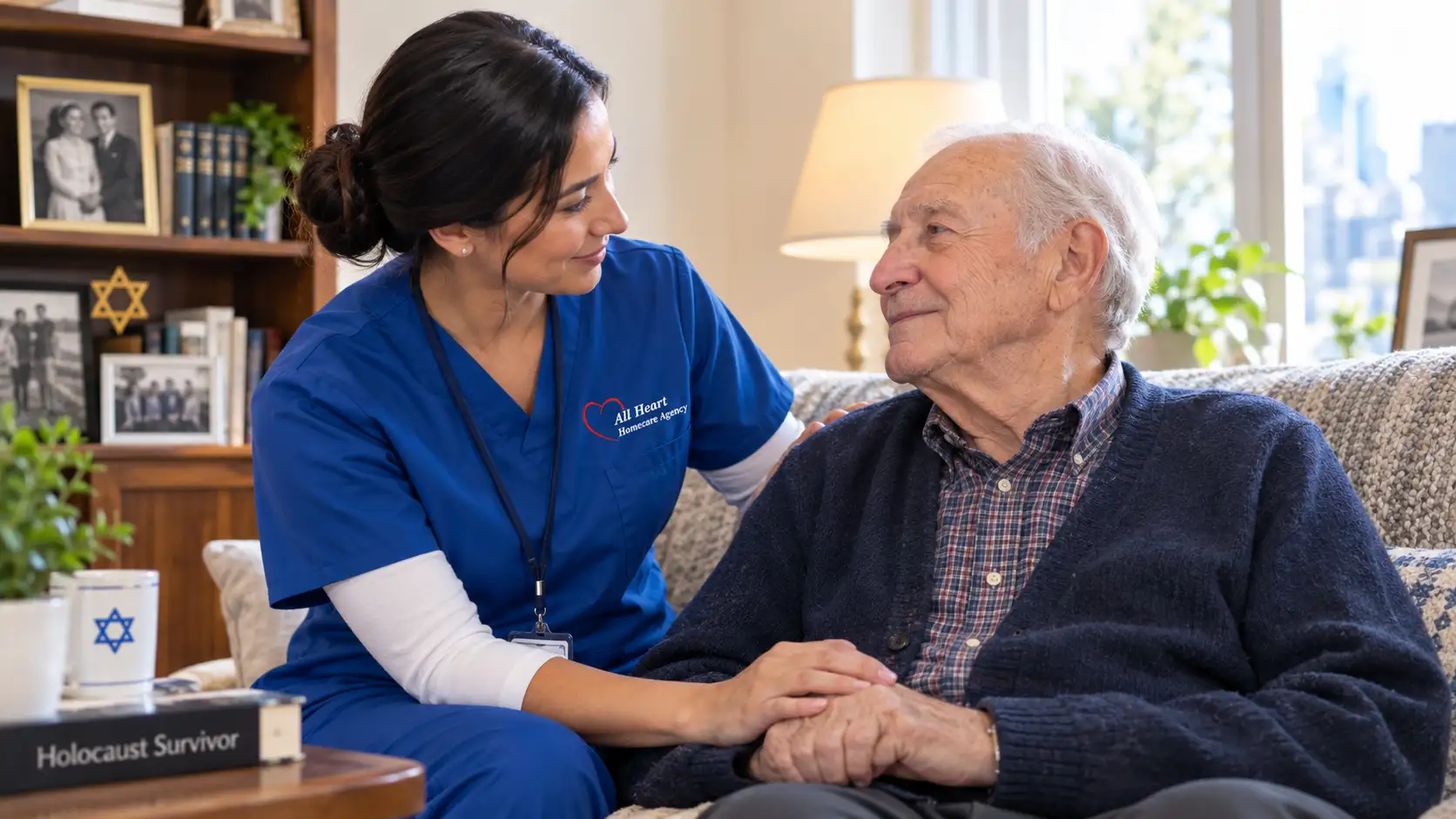
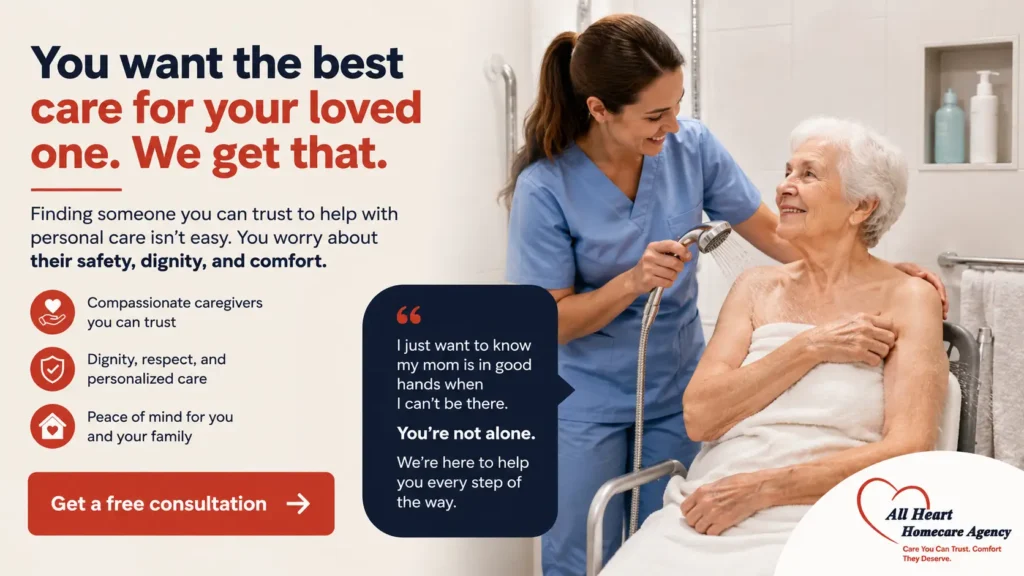
Sometimes a parent will accept help from a professional that they would never accept from a son or daughter. A neutral, skilled aide also removes the role-reversal embarrassment that makes family-led bathing so tense. This is often the turning point that ends months of standoffs.
How All Heart Care helps when bathing becomes too hard at home
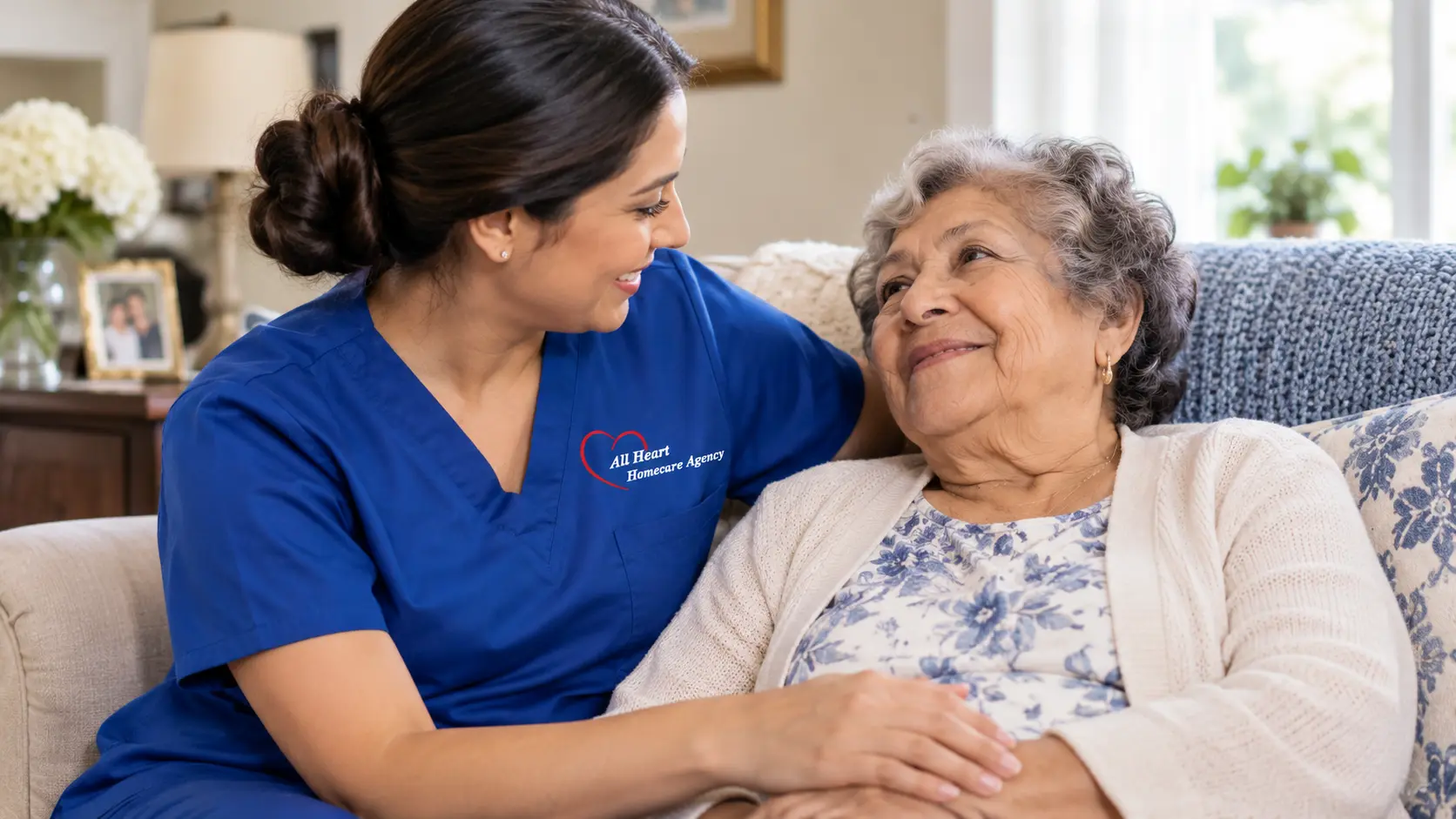
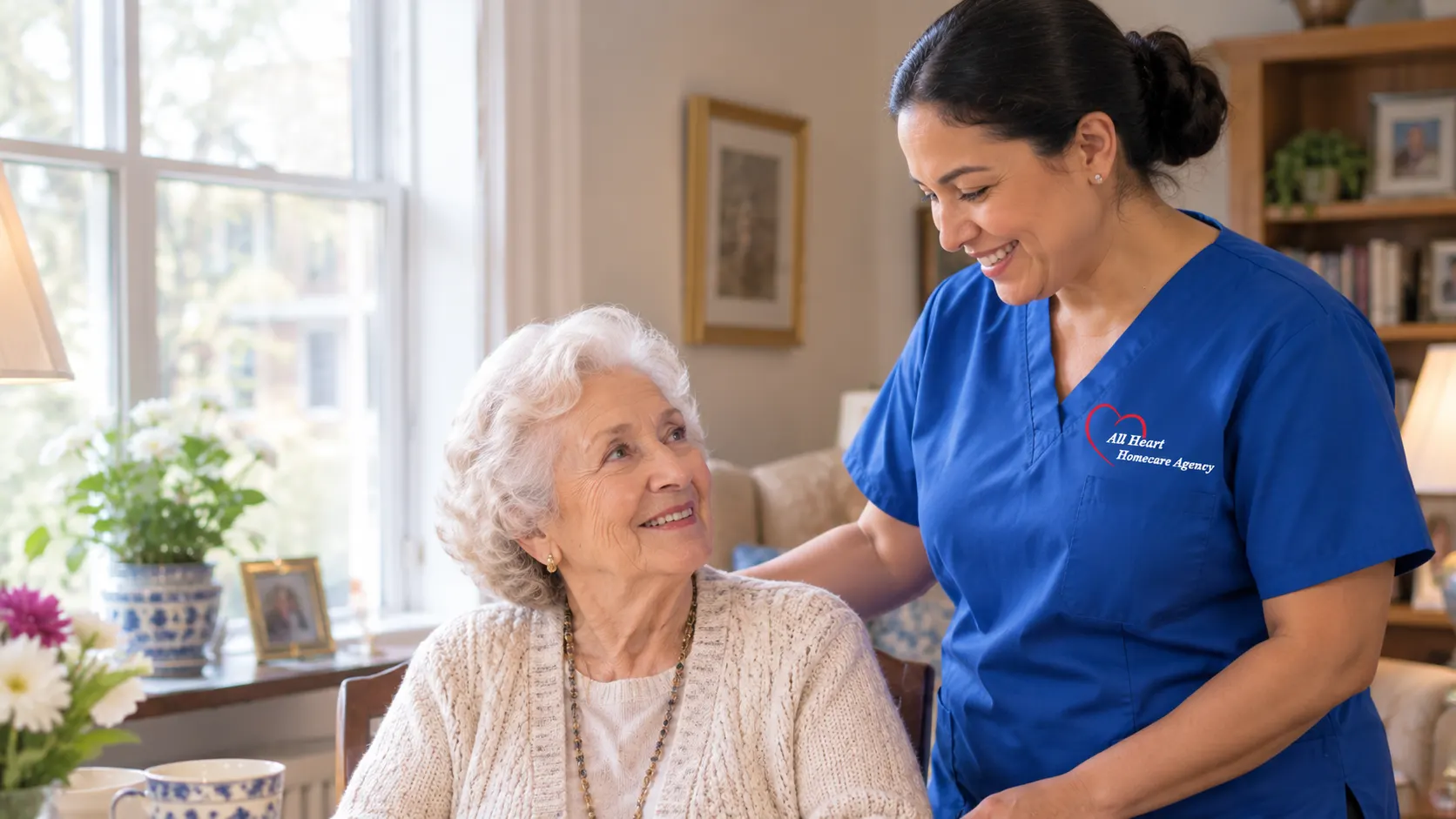
When a parent can no longer bathe safely on their own, the right help protects both their health and their dignity. All Heart Homecare Agency has supported over 1,000 NYC families with this exact challenge, and our approach centers on patience rather than pressure. Our certified aides ease into bathing on your parent’s terms, watching for skin issues, balance problems, and signs of discomfort along the way.
Families choose us for our trained, background-screened caregivers, our multilingual matching in English, Spanish, and Russian, and our 24/7 on-call support for the moments that cannot wait. We also offer free transportation to medical appointments and skilled LPN nursing when care needs grow.
The aim is simple: to keep your parent clean, comfortable, and respected at home.
You do not have to keep fighting this battle alone. Contact us today for a free consultation!
Frequently asked questions about elderly parents and bathing
How often should an elderly person shower?
Most older adults do well with a full shower or bath two to three times a week. Daily washing can dry out aging skin and cause irritation. On the days in between, a sponge bath of the face, underarms, and groin keeps a person fresh while protecting fragile skin and saving energy.
What do you do when an elderly parent refuses to bathe?
Stay calm and ask what feels difficult instead of forcing the issue. Make the bathroom safer with grab bars and a shower chair, lower the frequency, and try the time of day when energy is highest. If refusal continues, a trained aide can often succeed where family members cannot.
Is it normal for dementia patients to refuse showers?
Yes, refusal is very common with dementia. The steps of a shower can stop making sense, and the sensation of water may feel frightening rather than soothing. A consistent routine, a warm room, and a calm caregiver who guides each step gently tend to work better than reasoning or rushing.
Can poor hygiene in the elderly be a sign of something serious?
It can be. A sudden drop in self-care may point to depression, memory loss, pain, or a new physical limitation. When poor hygiene appears alongside changes in mood, appetite, or memory, it is worth a doctor’s visit to rule out an underlying medical cause.
How do you bathe an elderly person who cannot stand?
Use a sturdy shower chair or transfer bench to keep the person seated throughout. A handheld showerhead gives control without reaching or standing. For those with very limited mobility, no-rinse cleansing cloths and bed baths keep skin clean, and a trained aide can manage transfers safely.
When should you get professional help with bathing a parent?
Consider professional help if bathing poses safety risks, leads to recurring arguments, or causes skin and infection problems. It is also time when a parent flatly refuses family help but might accept a neutral caregiver. Bringing in a trained aide early protects your parent’s health and eases the strain on the whole family.