
When a loved one’s care needs grow beyond what family can handle alone, most people immediately think about what their insurance covers. That instinct makes sense, but it quietly boxes families into a set of choices that may not actually fit the person who needs care.
Private pay home care operates on a completely different model, one where the family, not an insurer, sets the terms. According to AARP’s 2024 Home and Community Preferences Survey, 75% of adults aged 50 and older want to remain in their own homes as they age, and private pay home care is often what makes that wish a practical reality rather than a wishful one.
The challenge is that most families don’t learn about private pay until they’ve already spent months navigating a system that wasn’t built around their loved one’s needs.
Key takeaways
- Private pay home care means families pay directly for care services, without routing through Medicaid, Medicare, or private insurance
- Because no insurer is involved, care can begin within days and families set the schedule, hours, and caregiver preferences themselves
- Services under private pay range from a few hours of daily assistance to around-the-clock care and skilled nursing visits at home
- Caregiver matching by language, personality, and condition-specific training is possible under private pay in a way insurance programs typically don’t allow
- Private pay can work alongside Medicaid or other programs, making it a flexible option for families in coverage gaps or waiting on approvals
What is Private Pay Home Care?
Private Pay Home Care is a service model where the individual or their family directly finances home care services, independent of insurance or government aid.
This model is particularly appealing for those seeking autonomy and customization in their care, offering a tailored solution that caters to individual preferences and requirements.
What are the Benefits of Private Pay Home Care?
Private Pay Home Care offers families a level of control and consistency that insurance-based programs rarely allow. That’s a significant reason why demand for privately funded in-home care has been accelerating.
The U.S. home healthcare market is projected to generate over $107 billion in revenue in 2025, driven largely by families choosing care arrangements built around the patient rather than around what a plan will reimburse. For families currently weighing their options, here is what private pay home care actually makes possible:
- 24/7 Support: One of the primary benefits is the possibility of round-the-clock care. This means that regardless of the time of day, your loved one’s needs are consistently attended to, offering you peace of mind.
- Specialized Care for Complex Conditions: Caregivers in the Private Pay Home Care system are often trained to handle specialized health conditions, such as Alzheimer’s Disease, Diabetes, Heart Failure, and other chronic illnesses.
- Comprehensive Range of Services: The spectrum of services in Private Pay Home Care is extensive. It encompasses not just personal care and companionship but also includes professional nursing care visits, addressing both the emotional and medical needs of the individual.
- Cost-Effectiveness: When compared to the expenses associated with assisted living facilities or personal care homes, Private Pay Home Care often emerges as a more affordable option.
- Flexibility and Personalization: One of the standout features of Private Pay Home Care is the level of control it offers. Families can customize the type and level of care based on the specific needs and preferences of their loved one, ensuring a personalized care experience.
- Immediate Access to Care: Unlike care options that are often subject to insurance-related waiting periods, Private Pay Home Care provides immediate access to services. This promptness is crucial, especially in situations where urgent care is required.
- Caregiver Consistency and Matching: Insurance-funded programs often assign aides based on availability rather than fit. Families may find themselves cycling through different caregivers because the assigned aide isn’t available, doesn’t speak the patient’s language, or simply isn’t a good match for the patient’s personality and needs.
- Comprehensive Range of Services in One Plan: Insurance programs tend to compartmentalize care. A patient might have an aide approved for personal care, but require a separate authorization for nursing visits, and still have no coverage for companionship or household tasks. The result is a fragmented care experience that falls on the family to stitch together.
- Cost-effectiveness Compared To Facility-Based Care: Private pay home care is a direct out-of-pocket expense, which leads many families to assume it’s automatically more expensive than facility-based alternatives. The comparison is more nuanced than that.
- Full Family Involvement In Care Decisions: When care is managed through an insurance program, decisions about service levels, aide assignments, and care plan adjustments often run through a case manager or plan administrator. Families can advocate, but they don’t hold the wheel.
At All Heart Homecare, the focus is on matching each individual with caregivers best suited to their unique needs and preferences. This bespoke matching process ensures that the care provided is not only professional but also deeply attuned to the personal requirements of each client.
What Services Does Private Pay Home Care Include?
Serving Brooklyn, Manhattan, Queens, Bronx, and Staten Island in New York City, All Heart Homecare Agency provides exceptional and affordable private pay in-home care for elderly loved ones.
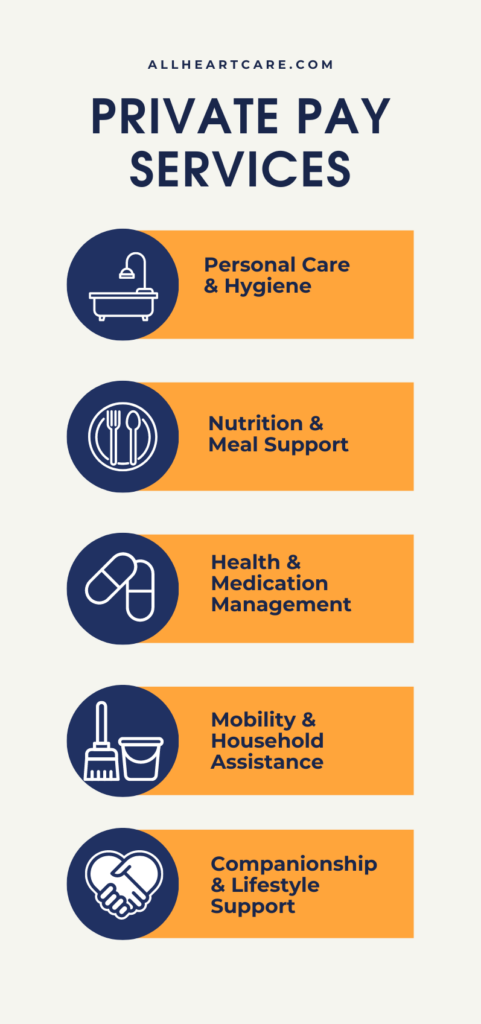
Services include assistance with activities of daily living such as:
Our Exceptional Caregivers: Compassionate and Expert Care
- Certified and Expertly Trained
Our caregivers are certified professionals and receive ongoing training every three months. This ensures they are up-to-date with the latest in-home care techniques and standards, guaranteeing top-quality care for your loved ones. - Empathy and Reliability at Our Core
Empathy is at the heart of our service. Our caregivers are passionate and dedicated, chosen for their ability to provide compassionate and reliable care. We also ensure every caregiver passes a thorough background check for your peace of mind. - Multilingual Communication
Understanding the importance of clear communication, our caregivers speak various languages. We make every effort to pair clients with caregivers who can communicate in their preferred language, ensuring a comfortable and effective caregiving experience.
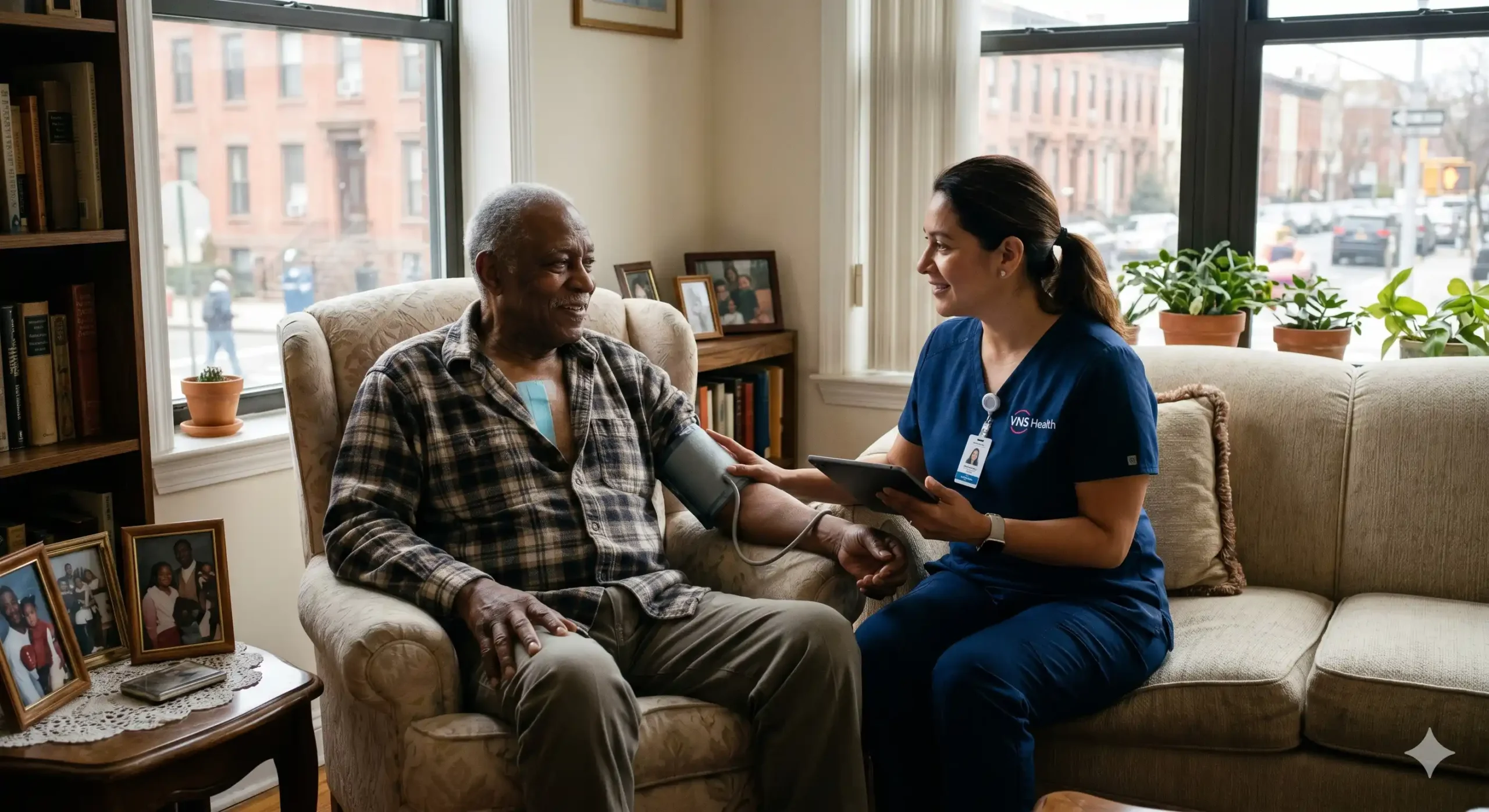
Certified home health aides supervised by Registered Nurses can track vital signs and provide personal care services for patients with chronic and complex illnesses like chronic heart failure, diabetes, hypertension, emphysema, and bronchitis.
Frequently Asked Questions About Private Pay Home Care
What does private pay home care cost in NYC?
Private pay home care costs in New York City vary depending on the type of service, the number of hours needed, and whether skilled nursing is included. Aide services are typically charged by the hour, while nursing visits may be billed separately. Families should request a detailed quote from their agency based on the specific care plan rather than relying on general averages, as NYC rates differ from national medians.
Can private pay home care be combined with Medicaid or other programs?
Yes. Many families use private pay to supplement Medicaid-covered hours or to bridge a gap while awaiting program approval. A reputable agency can help families understand what’s covered under existing programs and where private pay makes the most sense to fill in.
Is private pay home care available 24 hours a day?
Yes. Around-the-clock private pay home care is available for patients with intensive care needs. This typically involves a rotating schedule of caregivers who provide continuous coverage through day and night shifts, ensuring the patient is never without supervision or support.
How quickly can private pay home care begin?
Private pay home care can often begin within 24 to 72 hours of initial contact with an agency, depending on care plan complexity and caregiver matching. Because there’s no insurance authorization required, the only steps are agreeing on a care plan and completing the intake process with the agency.
Does private pay home care include skilled nursing services?
Yes. Private pay home care can include licensed practical nurses (LPNs) and registered nurses (RNs) for patients with clinical care needs, including wound care, medication management, and chronic condition monitoring. Both adult and pediatric private duty nursing are available under private pay arrangements.
What languages are available for private pay caregivers in NYC?
Many NYC home care agencies, including those serving Brooklyn, Queens, Manhattan, the Bronx, and Staten Island, offer caregivers who speak Spanish and Russian in addition to English. Families should ask agencies directly about language matching during the intake process.
Is private pay home care a good option if my family member has dementia?
Private pay is often the preferred option for dementia patients because families can request caregiver consistency, specialized training in dementia care, and flexible hours that adapt to the patient’s behavioral patterns. Insurance-based programs may not provide that level of customization.