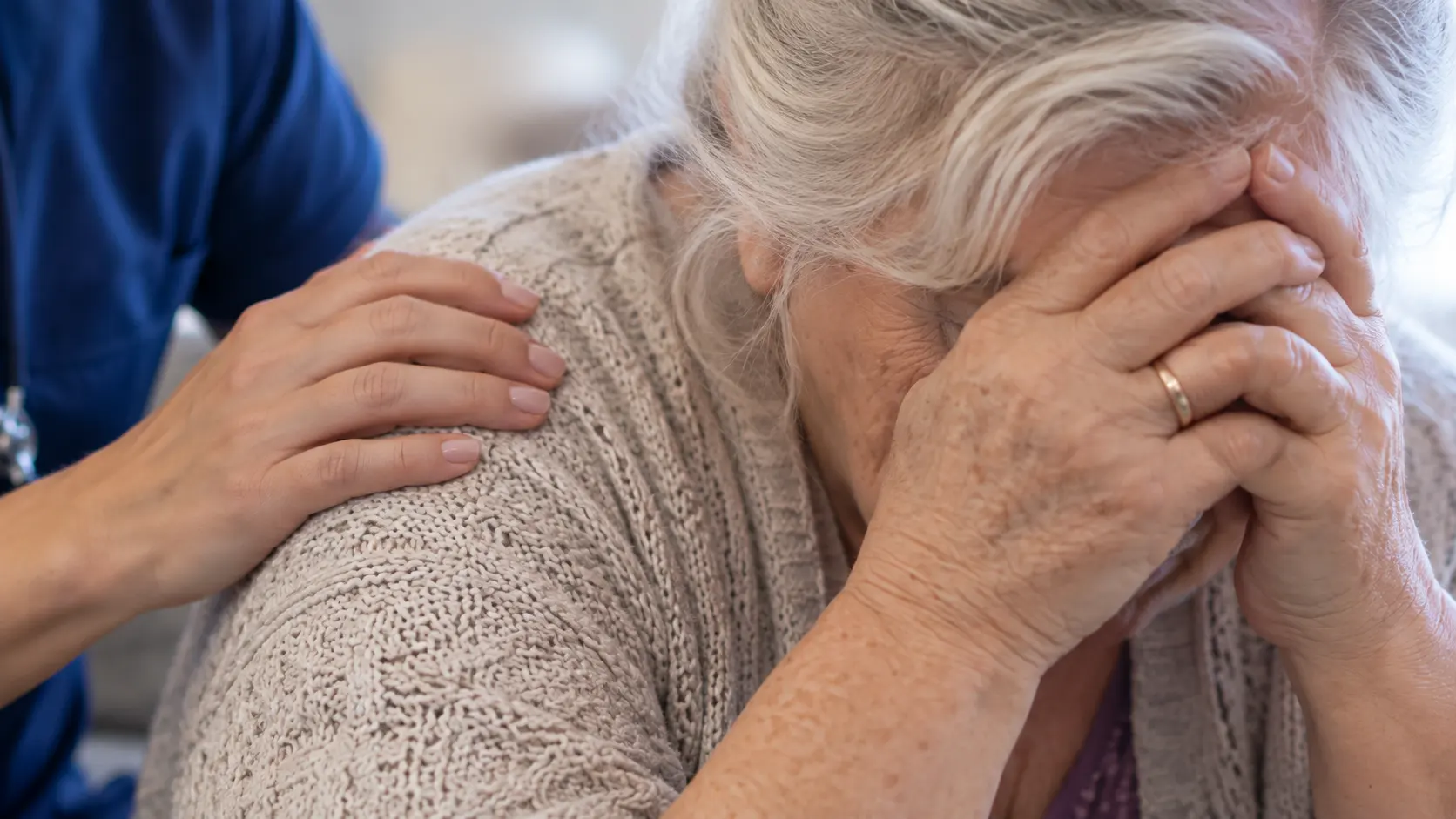

Keeping a patient safe at home comes down to consistent daily routines: give medications on schedule, run a quick morning health check, keep the patient hydrated and well-fed, encourage safe movement, maintain hygiene, and keep walkways, kitchens, and bathrooms hazard-free. Small reminders done every day prevent the falls, medication errors, and missed warning signs that cause most home care emergencies. Use the daily checklist below to build these habits into every shift.
Key Takeaways
- Consistency beats intensity: the same small checks done every day prevent most home care emergencies.
- Falls are the #1 danger: about 3 million older adults visit the ER for fall injuries every year, and most falls happen in the kitchen and bathroom.
- Medication errors are the most preventable risk: pillboxes, alarms, and a written log close the gap.
- A caregiver is the physician’s eyes at home: writing down small changes (appetite, dizziness, mood) catches problems before they become hospitalizations.
- Nutrition, hydration, movement, and hygiene aren’t comfort extras; they are daily safety measures.
Why Daily Safety Routines Matter in Home Care
At first glance, home is the safest place for an older adult to recover and stay independent: familiar rooms, their own bed, no hospital risks. But that safety isn’t automatic. It’s built, one small routine at a time, by the caregiver who shows up every day. Whether you’re a professional Home Health Aide or a family member in the caregiver role, the daily reminders below turn safety from something you think about into something you simply do.
Your Daily Safety Checklist at a Glance
| Time of day | Daily reminders |
| Morning | Medications with breakfast per schedule • quick health check (how did they sleep? pain? dizziness?) • blood pressure/glucose if prescribed • full glass of water • assist with hygiene and dressing |
| Midday | Balanced lunch with protein • hydration check (aim for steady sips all day) • movement: a walk, stretching, or prescribed exercises • midday medications • note anything unusual in the log |
| Evening | Evening medications • light dinner, avoid heavy meals late • clear walkways and switch on night lighting • oral care and skin check • confirm phone/alert device is within reach of the bed |
| Ongoing all day | Keep floors dry and clutter-free • watch for warning signs (confusion, new pain, swelling, appetite loss) • encourage bathroom trips before they’re urgent • social moment: conversation, a call with family, an activity |
1. Medication Daily Reminders
Medication errors are among the most common — and most preventable — dangers in home care. Most older adults take multiple prescriptions daily [external link → CDC therapeutic drug use data — cdc.gov], and every added medication multiplies the chance of a missed dose, a double dose, or a bad interaction. Build these reminders into every day:
- Same time, same routine: anchor doses to fixed moments (with breakfast, before bed) — routines remember what memory forgets.
- Use a weekly pillbox and set phone alarms; check the box, not your memory, to confirm a dose was taken.
- Keep a written medication log — what, when, and any side effects noticed. It becomes gold at doctor visits.
- Watch refills: reorder a week before running out, and never let “we’ll get it tomorrow” happen with heart, blood pressure, or diabetes medications.
- Know the side effects to watch for, and tell the family what’s normal vs. what needs a call to the doctor.
For patients managing complex conditions, see our guide on caring for a diabetic patient at home: medication timing matters double when insulin and meals interact.
2. Nutrition and Hydration Reminders
Malnutrition and dehydration sneak up quietly in older adults — thirst signals weaken with age, and appetite fades with medications, dental issues, or low mood. Daily reminders:
- Offer water steadily through the day rather than big glasses at once; keep a filled cup within reach at all times.
- Include protein at every meal to protect muscle: which is fall prevention on a plate.
- Watch the warning signs: clothes fitting looser, food left on the plate, dark urine, dry lips, new confusion (a classic dehydration sign in seniors).
- Make meals social when possible: seniors eat more and better with company than alone.
For practical menus, our healthy meal ideas for seniors and benefits of meal prep for seniors guides pair perfectly with this checklist.
3. Physical Activity Reminders
Movement is medicine — and inactivity is a safety risk. Muscles that don’t move weaken fast in older adults, and weak legs are the road to falls. Keep it simple and daily:
- A short walk every day: indoors counts; hallway laps count. Consistency over distance.
- Gentle stretching in the morning to loosen stiff joints before the day’s activities.
- Balance practice (standing heel-to-toe near a counter, sit-to-stand repetitions from a sturdy chair) a few times a week — directly reduces fall risk.
- Follow any physical therapy plan exactly: those exercises are prescriptions, not suggestions.
- Movement safety first: proper footwear (no loose slippers), walker or cane within reach, and never rush a transfer.
4. Hygiene and Personal Care Reminders
Hygiene care for seniors is health protection: skin breakdown, dental infections, and urinary tract infections all start where daily care slips. UTIs in particular can cause sudden confusion in seniors; a hygiene routine is genuinely a safety routine.
- Oral care twice daily — gum infections affect heart health and eating ability.
- Bathing or washing daily with full attention to skin folds; pat dry thoroughly to prevent breakdown.
- Daily skin check during care: redness over pressure points (heels, tailbone, elbows) is an early warning that prevents pressure sores.
- Nail care and clean, dry feet — especially critical for diabetic patients.
- Fresh clothes and groomed hair aren’t vanity: dignity protects mood, and mood protects health.
5. Fall Prevention: Room-by-Room Reminders
Falling is one of the most common causes of injury an older person can experience at home. About 3 million older adults are treated in emergency rooms for fall injuries every year, and the kitchen and bathroom are where most of them start. Examine all parts of the home to determine which areas could put a patient at risk.
Tips for a safe kitchen
- Make sure sharp knives and glassware are stored in a safe box.
- Keep most commonly used kitchen items accessible so that an older person does not have to use a chair to reach them.
- Remove all cleaning products or flammable liquids from the kitchen and store them in closed cabinets.
Tips for a safe bathroom
- Buy non-slip rubber mats and place them on the bathroom or shower floor.
- Keep medicines in a safe and easily accessible place if an older adult has to take them independently.
- Inform family members if they need to install a grab bar near the toilet and shower, necessary if the patient has trouble standing up or sitting down.
Whole-home daily habits
- Clear walkways of cords, rugs, and clutter every single day — hazards migrate back.
- Night lighting on the bed-to-bathroom route; most nighttime falls happen on this path.
- Test smoke detectors monthly and keep emergency numbers posted large-print by the phone.
And when errands or appointments require leaving home, plan safe transport in advance — see our guide to reliable transportation options for seniors.
6. Be the Link Between Your Patient and Their Physician
experiences abnormal pain, dizziness, or high blood pressure, you are the coupling agent between patient and doctor. Recording irregular symptoms and taking timely action are essential components of patient safety; communicating with a healthcare provider on the patient’s behalf can prevent injury, decline, or hospitalization.
Make it concrete with a two-minute daily log: appetite, mood, pain, sleep, anything unusual. Patterns invisible day-to-day become obvious on paper — and a dated log turns “she’s seemed off lately” into information a doctor can act on.
7. Mental and Social Wellness Reminders
Isolation is a health risk with the same seriousness as physical hazards — it feeds depression, cognitive decline, and even scam vulnerability. Build one social moment into every day: real conversation during care (not just task talk), a phone or video call with family, a puzzle, music from their era, or a short outing. For patients with memory loss, connection matters even more, not less — if that’s your situation, our dementia care services can help.
Frequently Asked Questions About Daily Patient Safety
What should a caregiver check every day?
Five things daily: medications taken correctly and on time, food and fluid intake, mobility and fall hazards in the home, hygiene and skin condition, and any changes in pain, mood, or alertness. A two-minute written log of these checks catches developing problems early and gives doctors real information at appointments.
How do you remind an elderly person to take medication?
Anchor doses to daily routines (with breakfast, before bed), use a weekly pillbox so taken doses are visible at a glance, and set phone or clock alarms as backup. For patients with memory loss, direct supervision or professional medication reminders are safer than any device — missed and doubled doses are among the top causes of preventable hospitalizations.
What is the biggest safety risk for elderly patients at home?
Falls — about 3 million older adults are treated in emergency rooms for fall injuries each year, and most happen in the kitchen, bathroom, or on the nighttime path to the toilet. Daily habits prevent most of them: clear walkways, non-slip mats, grab bars, proper footwear, night lighting, and strength and balance exercise.
How much water should an elderly person drink daily?
A common target is 6–8 cups spread across the day, though individual needs vary with medications and health conditions; confirm with their doctor, especially for patients on fluid restrictions. Because thirst signals weaken with age, don’t wait for thirst: offer steady sips all day and watch for dark urine, dry lips, or new confusion, which often signal dehydration in seniors.
When should a family bring in a professional caregiver?
When daily routines are slipping, missed medications, weight loss, falls or near-falls, declining hygiene — or when the family caregiver can’t sustainably cover every day. Professional home care turns this entire checklist into someone’s trained daily job, from a few hours a week to around-the-clock support.