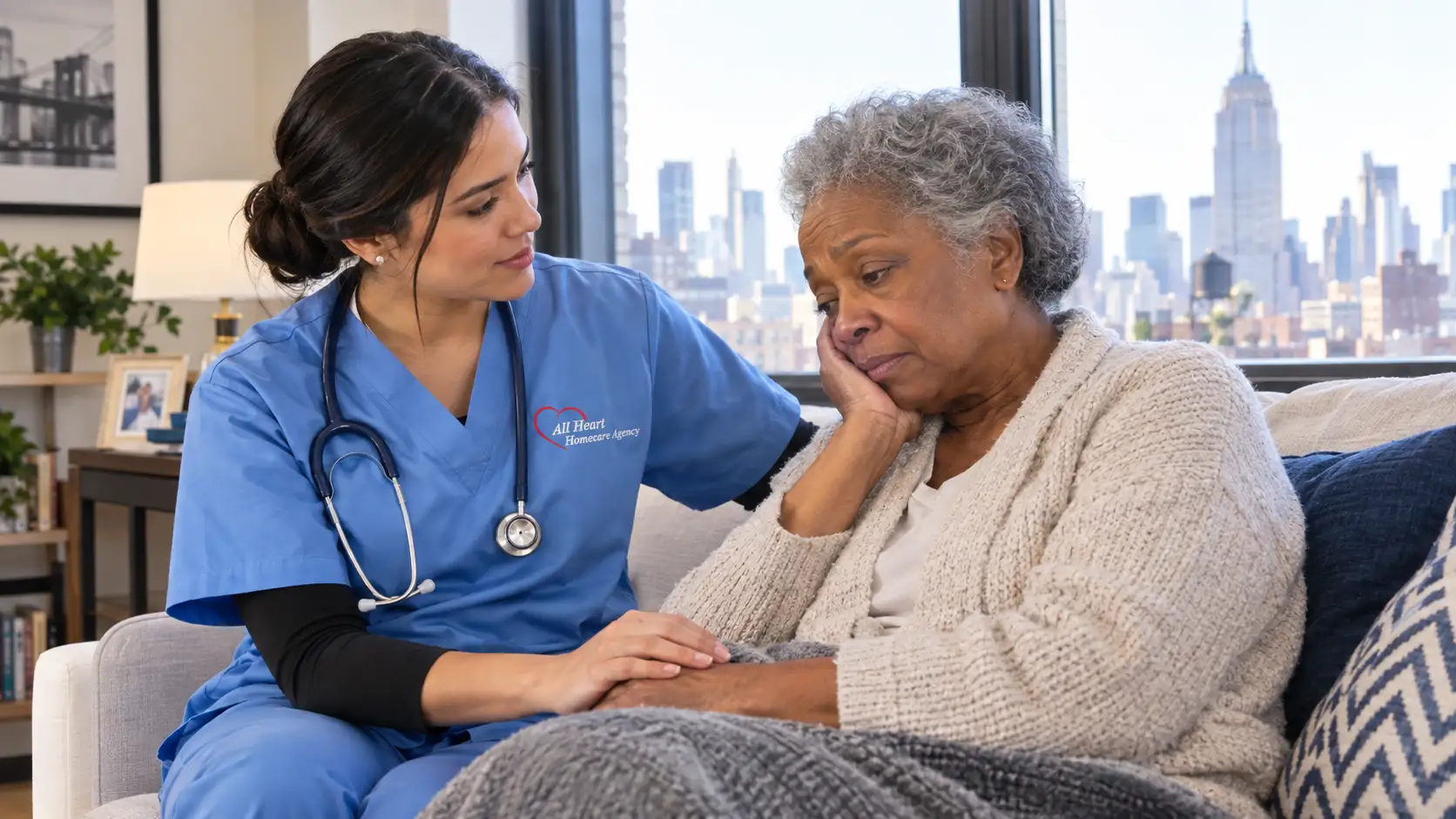
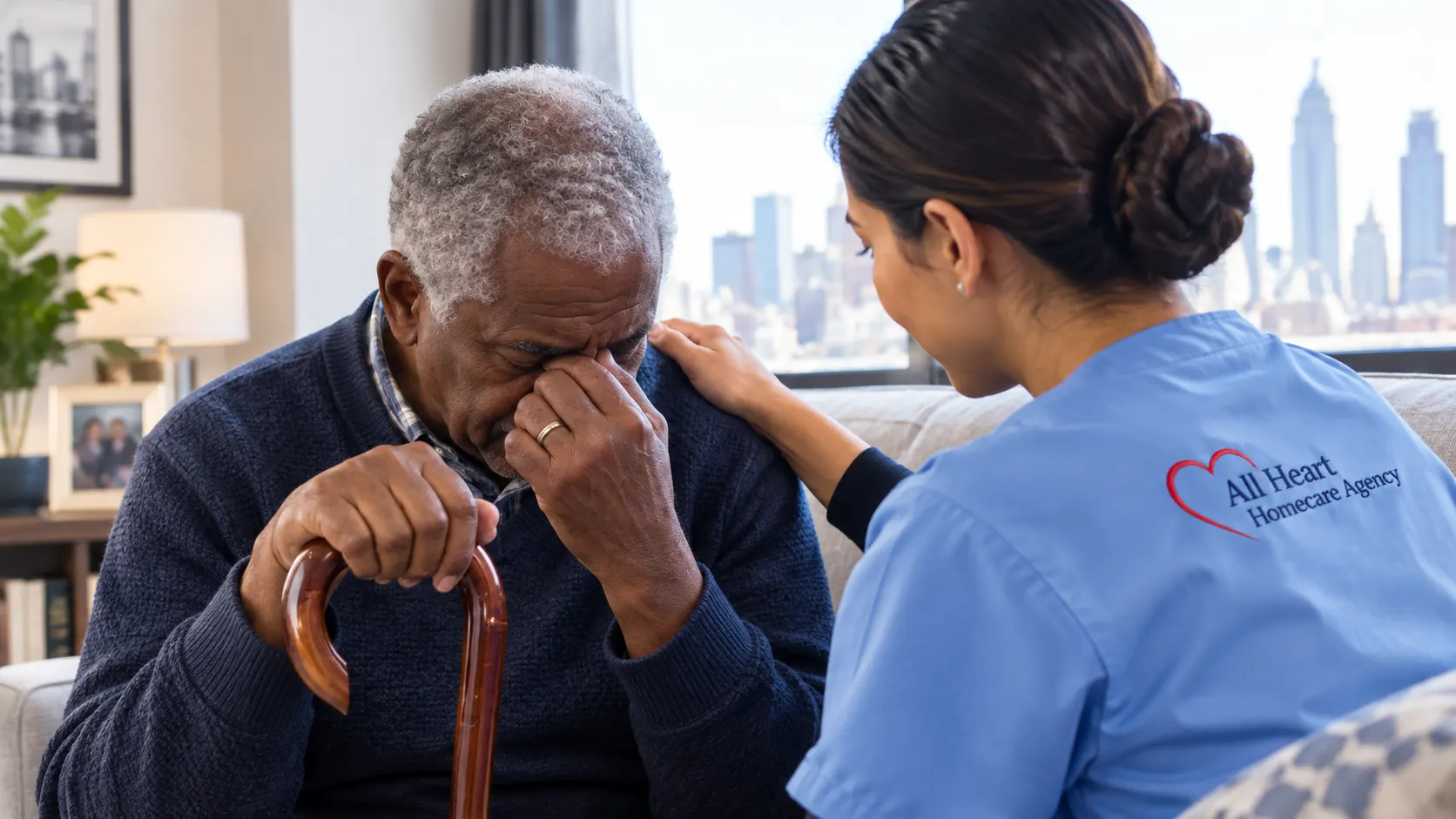
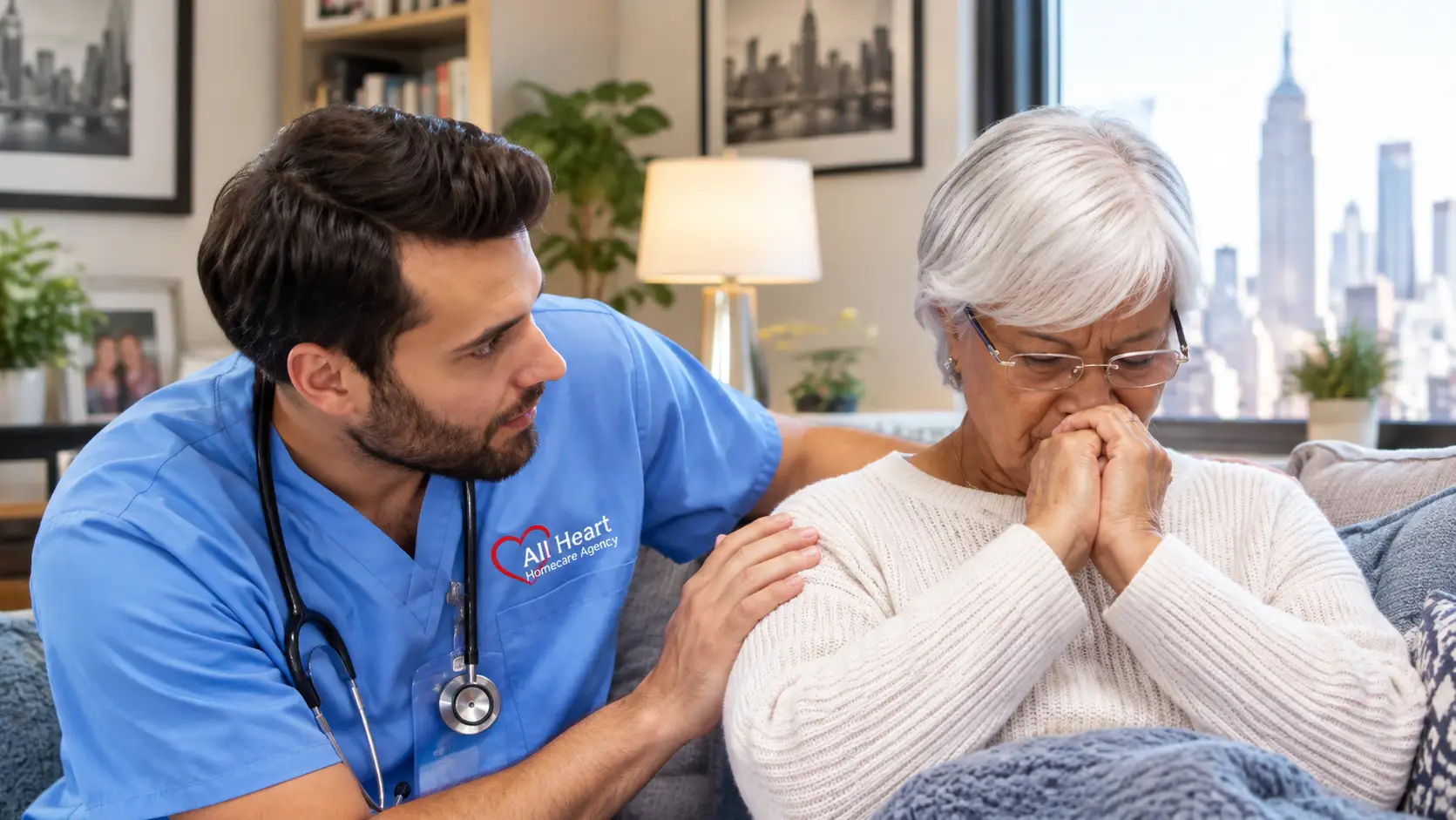
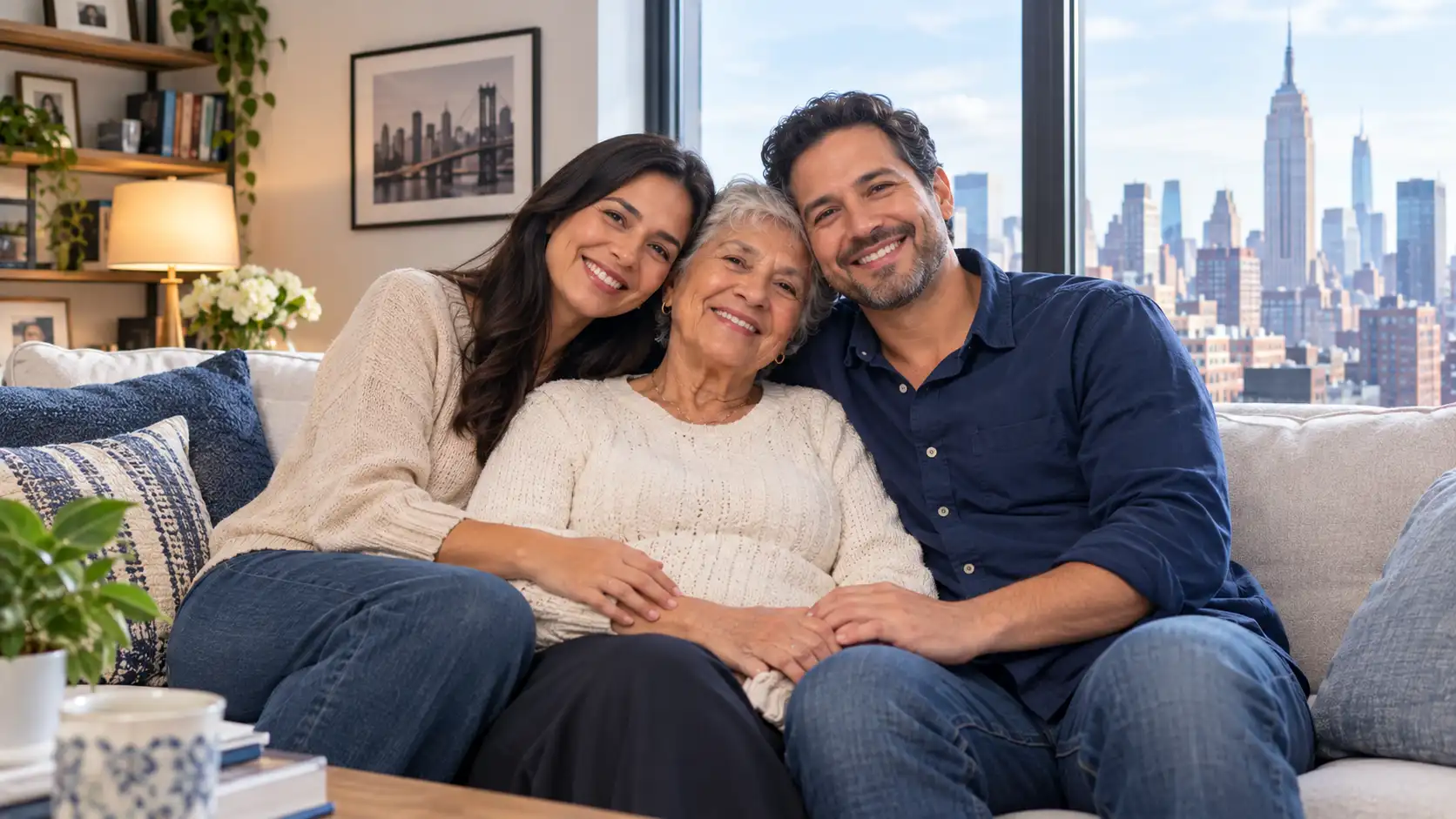
The main benefits of a home attendant are one-on-one daily support in the comfort of home: companionship that counters loneliness, help with bathing, dressing, meals, and housekeeping, health and safety monitoring that catches problems early, real relief for family caregivers, and costs far below facility care, with hours that scale from a few visits a week to around-the-clock support. For most seniors, a home attendant is what makes “staying in my own home” a safe, sustainable plan rather than just a wish.
If you are the primary caregiver for an elderly or disabled loved one, you know how difficult it can be to balance work, family, and caregiving responsibilities. You may also be feeling overwhelmed and stressed out.
A home care provider can lessen your burden by providing in-home assistance for your loved one. Here’s what a home attendant actually is, the benefits families notice most, and the two ways to arrange one in New York.
Key Takeaways
- A home attendant provides hands-on personal care and daily support at home: in New York, “home attendant” is also the traditional term for Medicaid-funded personal care aides.
- The benefits compound: companionship, health monitoring, home safety, and household help each matter alone: together they’re what keeps a senior independent at home for years longer.
- One-on-one attention is the structural advantage no facility can match: one caregiver, one person, full focus.
- Family caregiver relief is a benefit for two people: the senior gets professional support, and the family caregiver gets their health, job, and relationship back.
- There are two paths to a home attendant in NYC: Medicaid programs for those who qualify, and private arrangement for everyone else — flexible in hours, start date, and caregiver choice.
What Is a Home Attendant, Exactly?
A home attendant is a trained caregiver who provides non-medical personal care and daily support in a person’s home; bathing services, dressing, grooming, meals, light housekeeping, errands, companionship, and safety supervision. In New York City, “home attendant” carries a specific history: it’s the traditional term for personal care aides funded through Medicaid’s personal care services program (NY State Department of Health — Personal Care Services), though families also hire attendants privately.
The titles overlap and confuse everyone, so here’s the map:
| Title | What they do | Key distinction |
| Home attendant / Personal care aide (PCA) | Personal care (bathing, dressing), meals, housekeeping, errands, companionship, supervision | The daily-living workhorse; in NYC, often Medicaid-funded |
| Home health aide (HHA) | Everything a PCA does, plus health-related tasks under nurse supervision: vital signs, assistance with self-administered medications | Certified training with a clinical layer; works under a supervising nurse |
| Companion caregiver | Company, activities, meal prep, errands — no hands-on personal care | The social and practical layer without bathing/dressing assistance |
| Private duty nurse (LPN/RN) | Clinical care: medication administration, wound care, monitoring complex conditions | Licensed nursing; the medical layer when the care plan requires it |
Most care plans use one or two of these layers, matched to actual needs — and a good agency helps you figure out which. For the clinical layer, see our private duty nursing services.
8 Benefits of Having a Home Attendant
1. Companionship and Independence
For many seniors, the idea of living in a long-term care facility is not appealing. They value their independence and want to remain in their homes for as long as possible. They may find themselves feeling lonely and isolated, especially if they live alone or if their family members live far away.
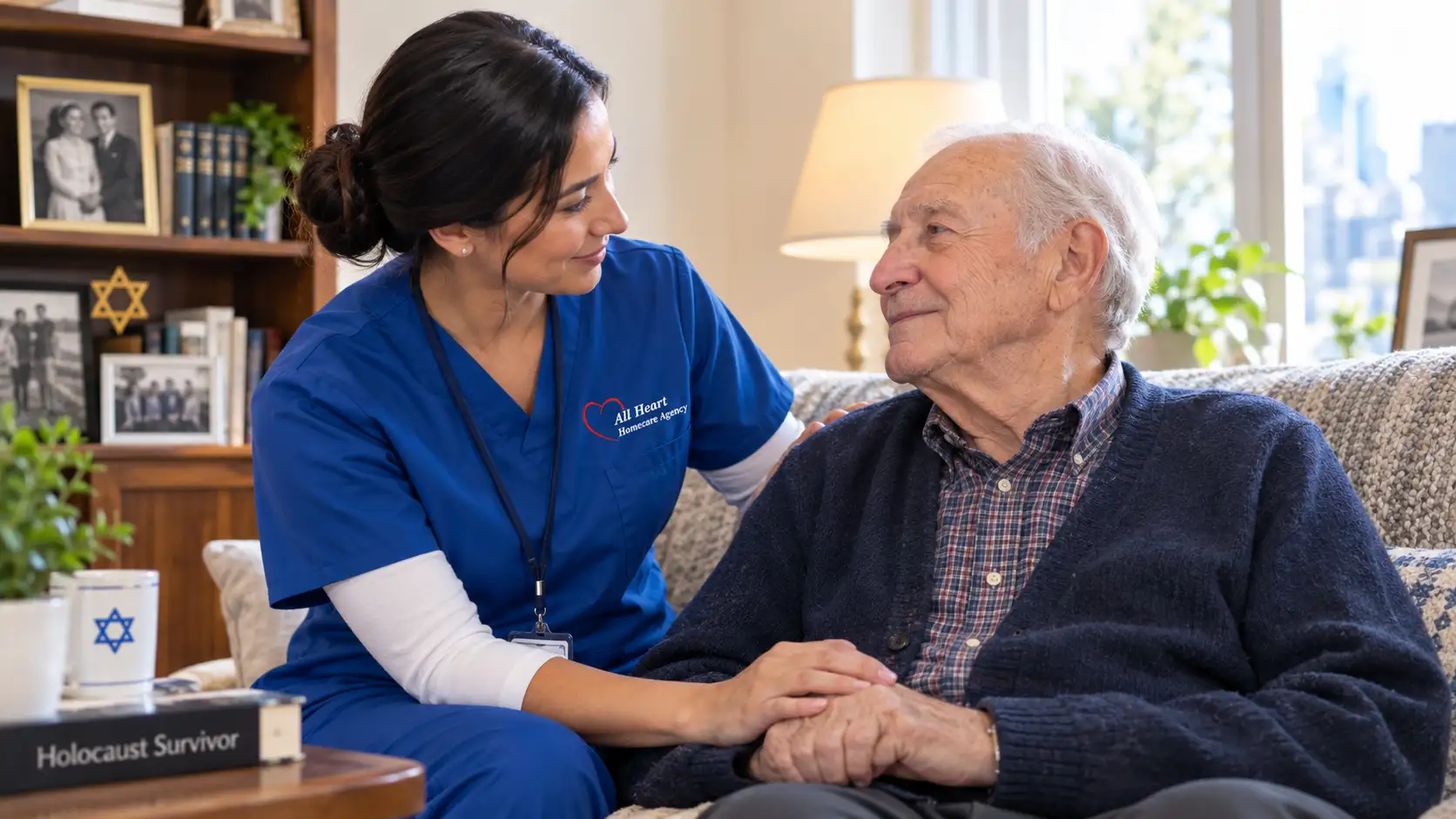
A caregiver can provide much-needed companionship by engaging in conversations, playing games, and sharing meals. They can also offer emotional support and serve as a sounding board for any concerns or worries. For many seniors, having a caregiver is like having a built-in friend; someone who is always there to provide company and support.
2. Health Monitoring That Catches Problems Early
Caregivers are trained to recognize changes in a senior’s physical and mental health, which can be especially helpful when family members don’t live nearby. They can also monitor medications, track vital signs, and observe any changes in mood or energy levels.
Home health aides may also be able to provide basic medical assistance and help with activities of daily living such as bathing, grooming, dressing, and other basic needs. This regular monitoring for people with chronic conditions can be essential in detecting early warning signs of a flare-up or other problems: appetite changes, new confusion, swelling, or fatigue get reported while they’re still small.
3. Help With the Household
As we age, it can become increasingly challenging to keep up with the maintenance and upkeep of our homes. There are endless tasks, from doing laundry and changing sheets to organizing clutter. This is where caregivers can come in handy.
Caregivers can help with small daily home maintenance tasks and can lighten the load around the house from preparing meals to sweeping, vacuuming, or mopping. This can free up time for seniors to enjoy their hobbies and activities, spend time with family and friends, or simply relax.
4. A Safer Home, Every Day
When most people think of hiring a caregiver, they only think of the assistance with activities of daily living that caregivers provide. Many people don’t realize that caregivers can also help improve home safety.
For example, if an elderly client has difficulty getting in and out of the shower, a caregiver can assist them to use grab bars and ensure the safety of a shower chair (which can be obtained and installed with the assistance of our Home Care Agency Social Work Specialists). They can also help declutter homes and ensure paths are clear of obstacles. Furthermore, caregivers can provide companionship and monitor safety during transportation to medical appointments, which can help to prevent falls and other accidents.
5. One-on-One Attention No Facility Can Match
In even the best facilities, staff attention is divided among many residents. A home attendant’s attention is not: one caregiver, one person, full focus. Care moves at the senior’s pace, preferences actually get honored (the shower at the preferred hour, the eggs the preferred way), and nothing about their day is scheduled around an institution’s convenience. That structural difference, undivided attention, shows up in dignity, mood, and safety alike.
6. Real Relief for Family Caregivers
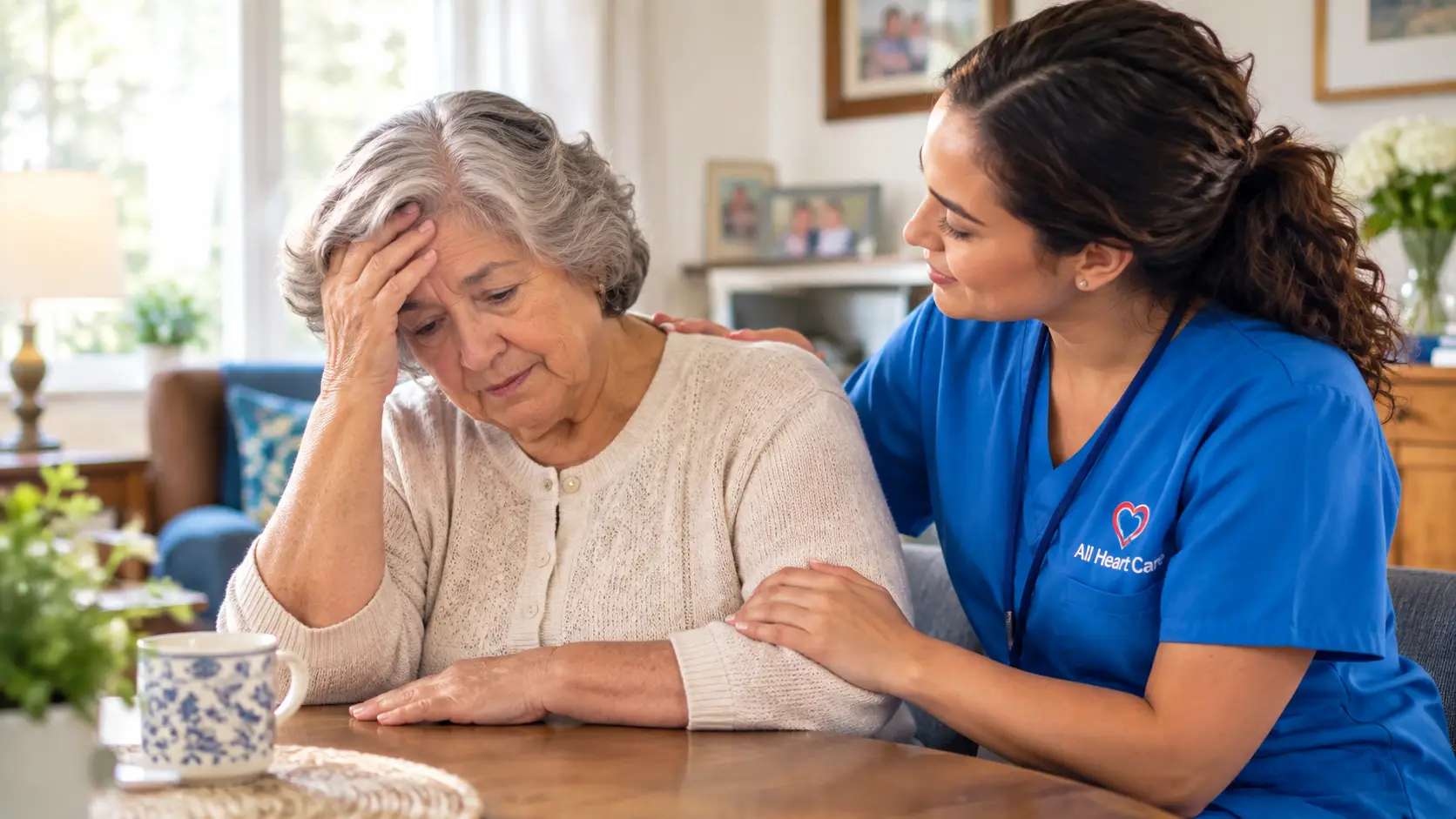
The benefit nobody puts first but everyone feels most: the family caregiver gets to breathe. A home attendant absorbs the daily physical load — so adult children can go back to being sons and daughters instead of exhausted aides, keep their jobs and health, and make visits about connection again. Caregiver burnout is real and cumulative; scheduled relief is the treatment. (Family caregivers should also know about respite options, our guide to Medicare and respite care, covers them.)
7. Smoother Recoveries and Fewer Readmissions
After a hospital stay or surgery, the first weeks at home decide the recovery: medications on schedule, meals actually eaten, movement encouraged, red flags spotted. A home attendant during recovery is one of the most effective readmission-prevention tools a family can arrange; our guide to home care after hospital discharge shows exactly how those first 30 days should look.
8. More Affordable and Flexible Than a Facility — With Peace of Mind Built In
Compared to the cost of assisted living or nursing home care, home care agencies are often much more affordable. They can also be tailored to a person’s needs and budget – a few hours per day or around-the-clock assistance.
They also provide peace of mind since the caregivers are thoroughly screened and must submit to background checks. Home care agencies provide access to reliable caregivers that can be trusted to provide quality care to your loved one.
The Benefits of a Private Home Attendant
When families arrange and pay for an attendant directly private pay home care three extra benefits come with the flexibility:
- Start now, not after approvals: private arrangements can begin within days, with no eligibility process; invaluable after a sudden hospital discharge or diagnosis.
- Choose and keep your caregiver: families interview, match on personality and language, and request changes freely; consistency is a care feature, not a lottery.
- Design the schedule around real life: mornings only, overnight only, weekends, or 24/7 — the hours follow the need, and scale up or down as it changes.
How To Get a Home Attendant in New York: The Two Paths
- The Medicaid path: for eligible New Yorkers, Medicaid funds home attendant services through its personal care programs. Eligibility involves financial criteria and a needs assessment; our overview of what Medicare does and doesn’t cover for personal care clears up the most common confusion (Medicare doesn’t fund ongoing attendant hours; Medicaid does).
- The private path: hire through a licensed agency on your own timeline and terms. Not sure how to evaluate agencies?
Why Choose All Heart Homecare Agency
Because we care! Our qualified staff is committed to providing the best care in a manner that preserves the well-being and dignity of everyone we serve. We will support you throughout the entire service period — and we serve both paths, from Medicaid home attendant services to fully private arrangements.
Call us today at 888-388-8989 or request a free consultation to learn more about our caregivers.
Frequently Asked Questions About Home Attendants
What are the benefits of a home attendant?
The core eight: daily companionship that counters isolation, health monitoring that catches changes early, help with household tasks, a safer home, one-on-one attention no facility can match, real relief for family caregivers, smoother post-hospital recoveries, and costs well below facility care with hours that flex to the need. Together they’re what makes aging at home safe and sustainable.
What does a home attendant do?
Hands-on personal care (bathing, dressing, grooming), meal preparation, light housekeeping and laundry, errands and escort to appointments, medication reminders, companionship, and safety supervision; adjusted to each person’s care plan. Home attendants provide non-medical support; health-related tasks are handled by home health aides under nurse supervision or by licensed nurses.
What is the difference between a home attendant and a home health aide?
A home attendant (personal care aide) provides daily-living support: personal care, meals, housekeeping, companionship, and supervision. A home health aide is certified to do all of that plus limited health-related tasks — like checking vital signs and assisting with self-administered medications — under a supervising nurse. In New York, “home attendant” traditionally refers to Medicaid-funded personal care, though the roles are often used interchangeably in conversation.
How do I get a home attendant for my elderly parent?
Two paths: if your parent may qualify for Medicaid, apply through New York’s personal care programs, an agency experienced with Medicaid can guide the process. Otherwise, arrange privately through a licensed agency: define the needed hours, interview the agency with pointed questions about screening and backup coverage, and care can typically begin within days.
How much does a home attendant cost?
For eligible Medicaid recipients, home attendant services are covered by the program. Privately arranged care in NYC is billed hourly — with total cost depending entirely on hours per week — and remains far below assisted living or nursing home costs for most care levels. Long-term care insurance often applies. For current NYC rates and every payment path, see our complete home care cost guide.