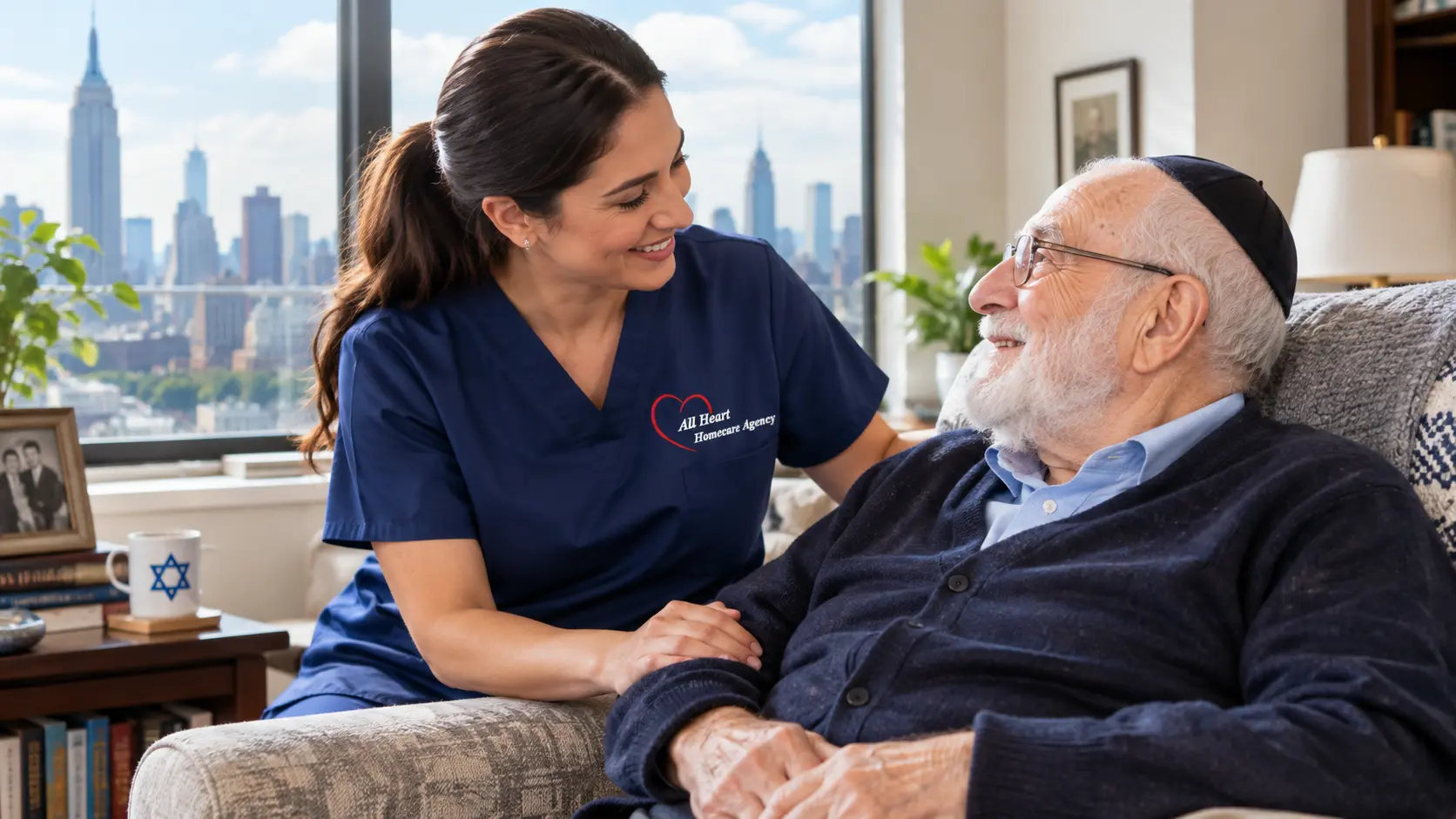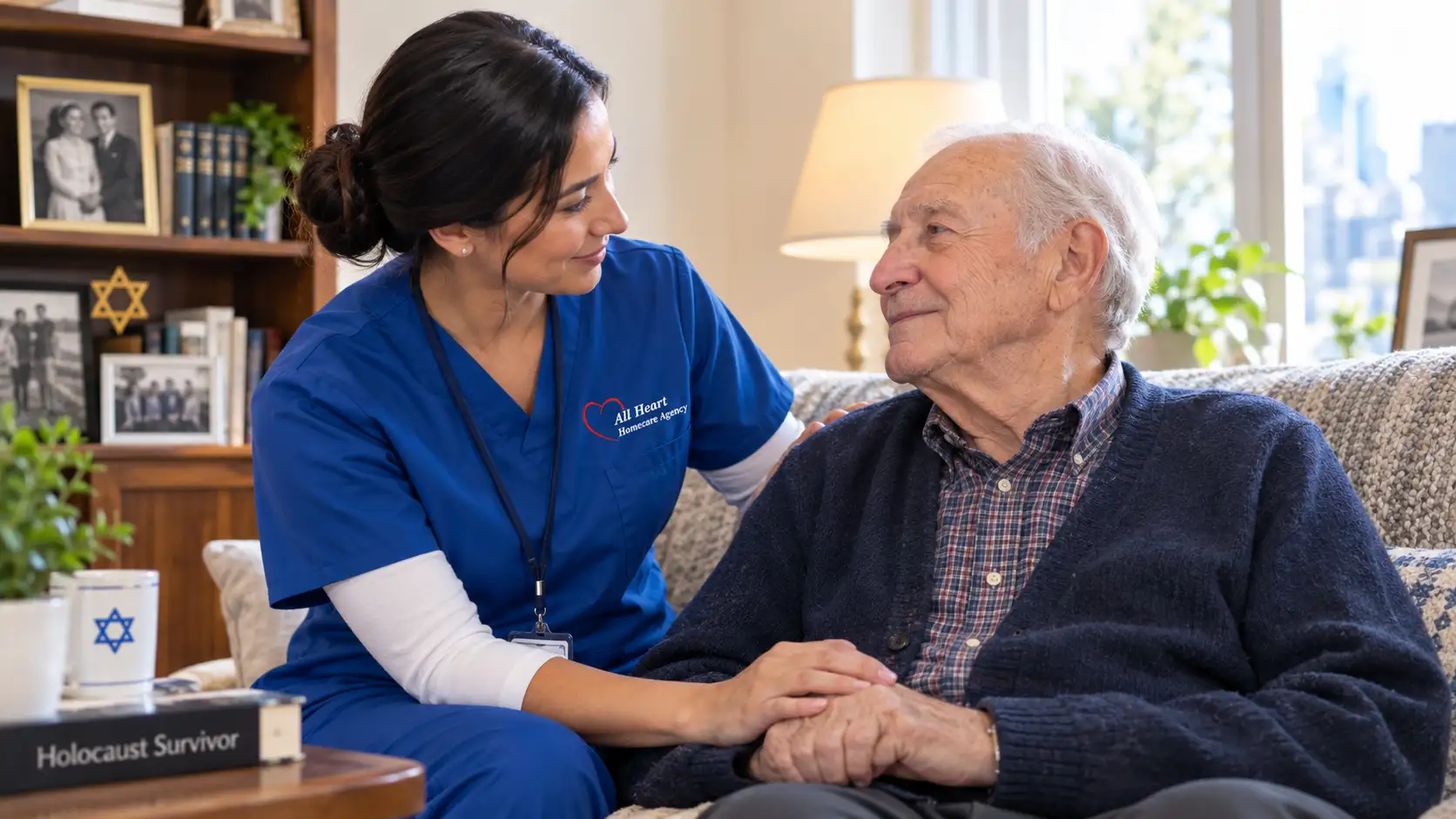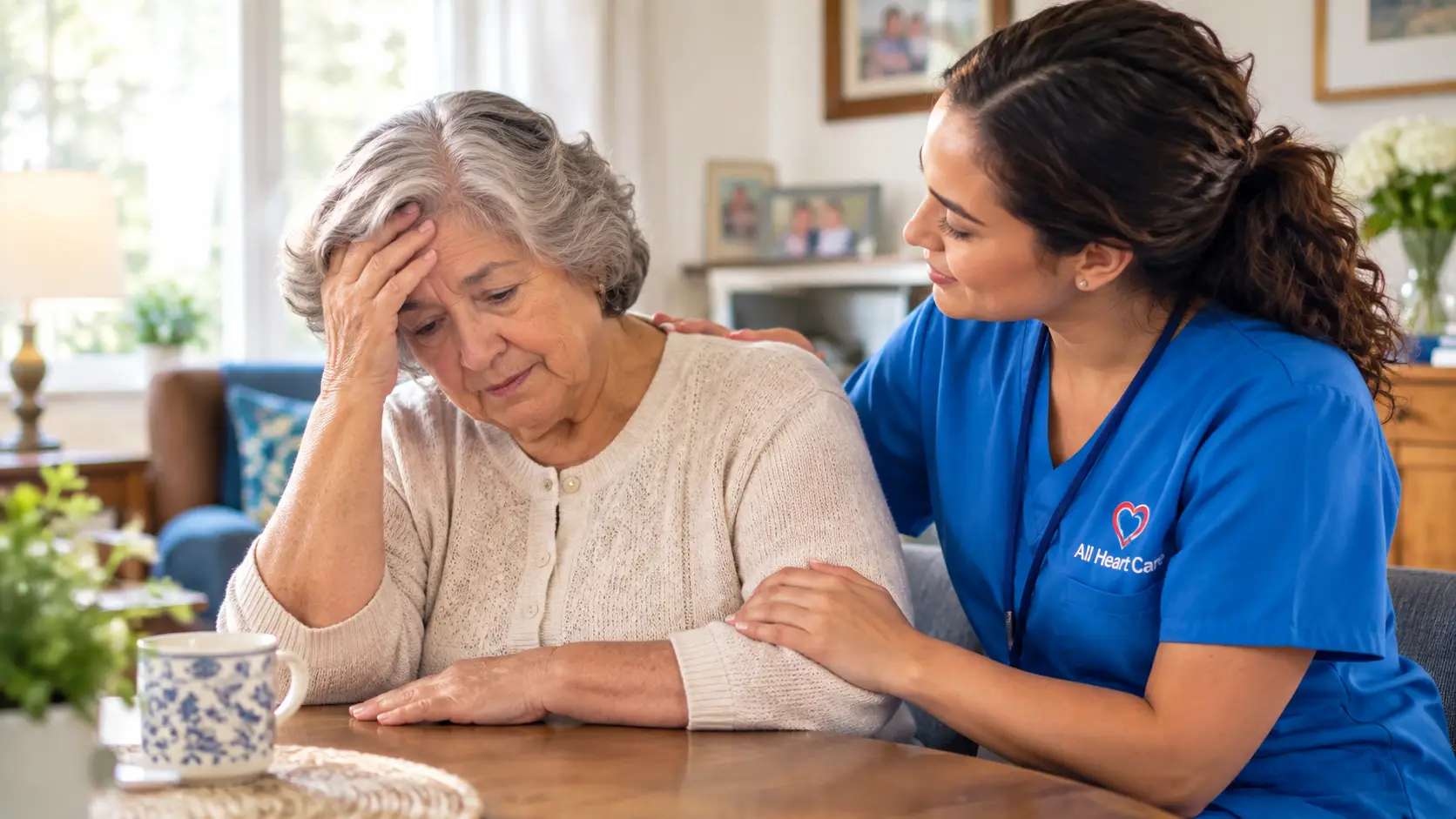

The five essential qualities of a good caregiver are compassion, reliability, patience, adaptability, and strong communication.
These are character traits, who a person is, and they matter more than any line on a resume, because skills can be trained but character shows up at 6 a.m. on the hard days. The best caregivers pair these qualities with practical skills: safe personal care and transfers, meal preparation, medication reminders, sharp observation, and calm emergency response. Whether you’re a family evaluating caregivers or someone wondering if caregiving is your calling, the same five-quality test applies.
Key Takeaways
- The big five: compassion, reliability, patience, adaptability, communication are character qualities, and character is the thing agencies can’t train into someone.
- Qualities and skills are different: qualities are who the caregiver is; skills (transfers, meal prep, observation, emergency response) are what training builds on top.
- Families can test for qualities in an interview: ask for stories, not adjectives: “tell me about a difficult day” reveals more than “are you patient?”
- Reliability is the quiet king of the five: brilliance on Monday means nothing if Thursday’s shift doesn’t show up.
As our loved ones age, they may need assistance with daily activities such as bathing, dressing, and meal preparation. In these situations, a home caregiver can provide valuable support and help maintain a loved one’s independence. However, it’s essential to choose a caregiver who is not only qualified but also possesses the right qualities. Here are the top five qualities of a good home caregiver to look for when searching for home care services for your loved one.
The Role of a Caregiver in a Patient’s Life
A caregiver is a trained professional who provides support and assistance to individuals who are unable to care for themselves. Additionally, they may offer companionship and emotional support, which is especially important for individuals who may be feeling lonely or isolated.
The role of a caregiver in a patient’s life is to provide care and support that allows the senior to maintain their independence and quality of life. Furthermore, family members who may be overwhelmed by the demands of caring for a loved one might get respite care from caregivers.
For the full map of caregiver roles, home attendant, HHA, companion, private duty nurse, see our guide to the benefits of a home attendant.
Top 5 Qualities of a Good Home Caregiver
1. Compassionate and Caring
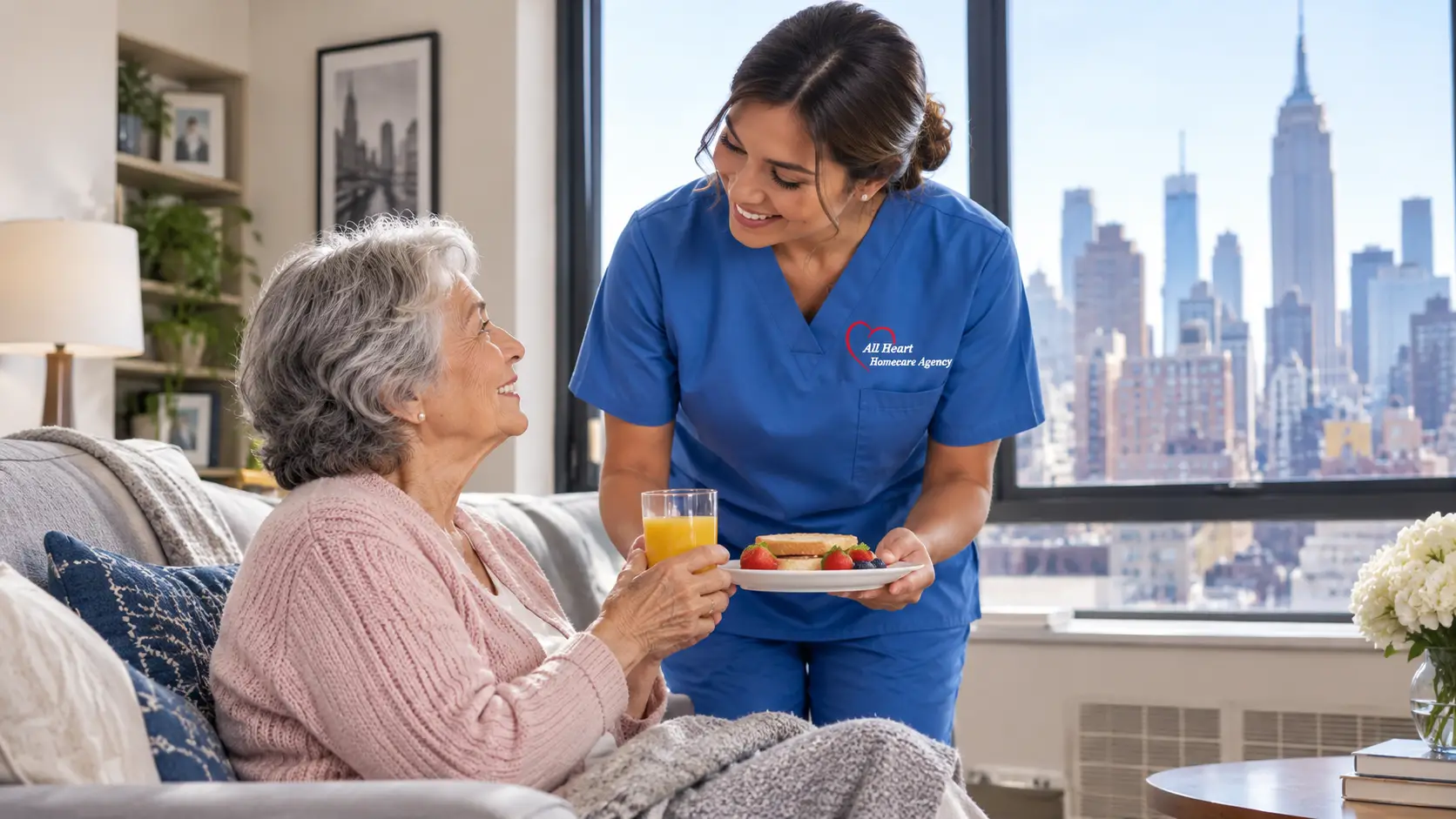
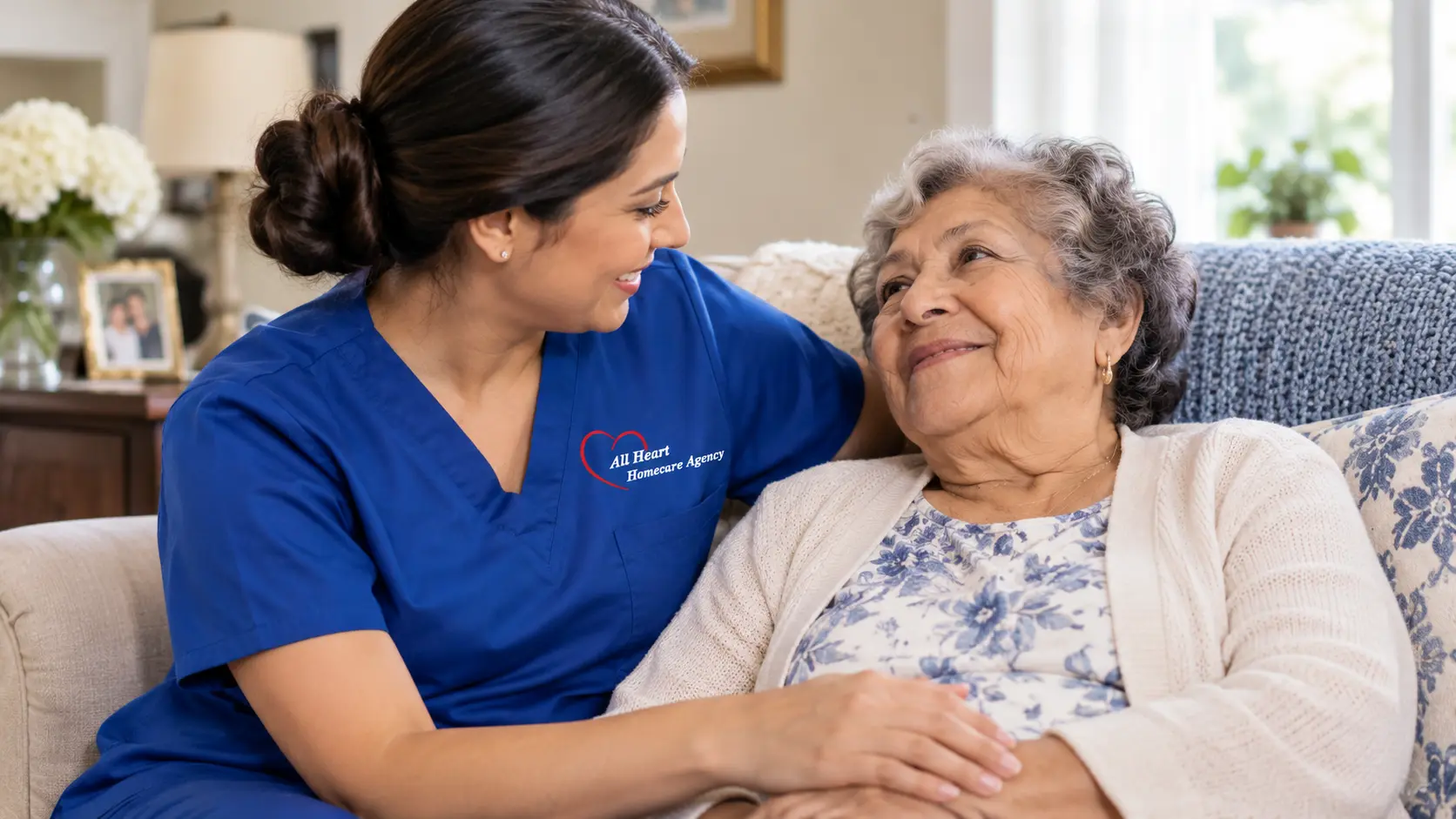
At the core of every outstanding caregiver lies a genuine sense of compassion and empathy. This quality allows caregivers to connect with their clients on a deep emotional level, understanding their needs, fears, and concerns.
By showing compassion and empathy, caregivers can provide the much-needed emotional support and create a comforting environment for those under their care.
2. Reliability and Responsibility
Clients and their families rely on caregivers to fulfill their responsibilities consistently and with integrity. A trustworthy caregiver adheres to professional ethics, respects confidentiality, and takes accountability for their actions. By building trust, caregivers can establish long-lasting relationships with their clients, promoting a sense of security and peace of mind.
3. Patience and Understanding
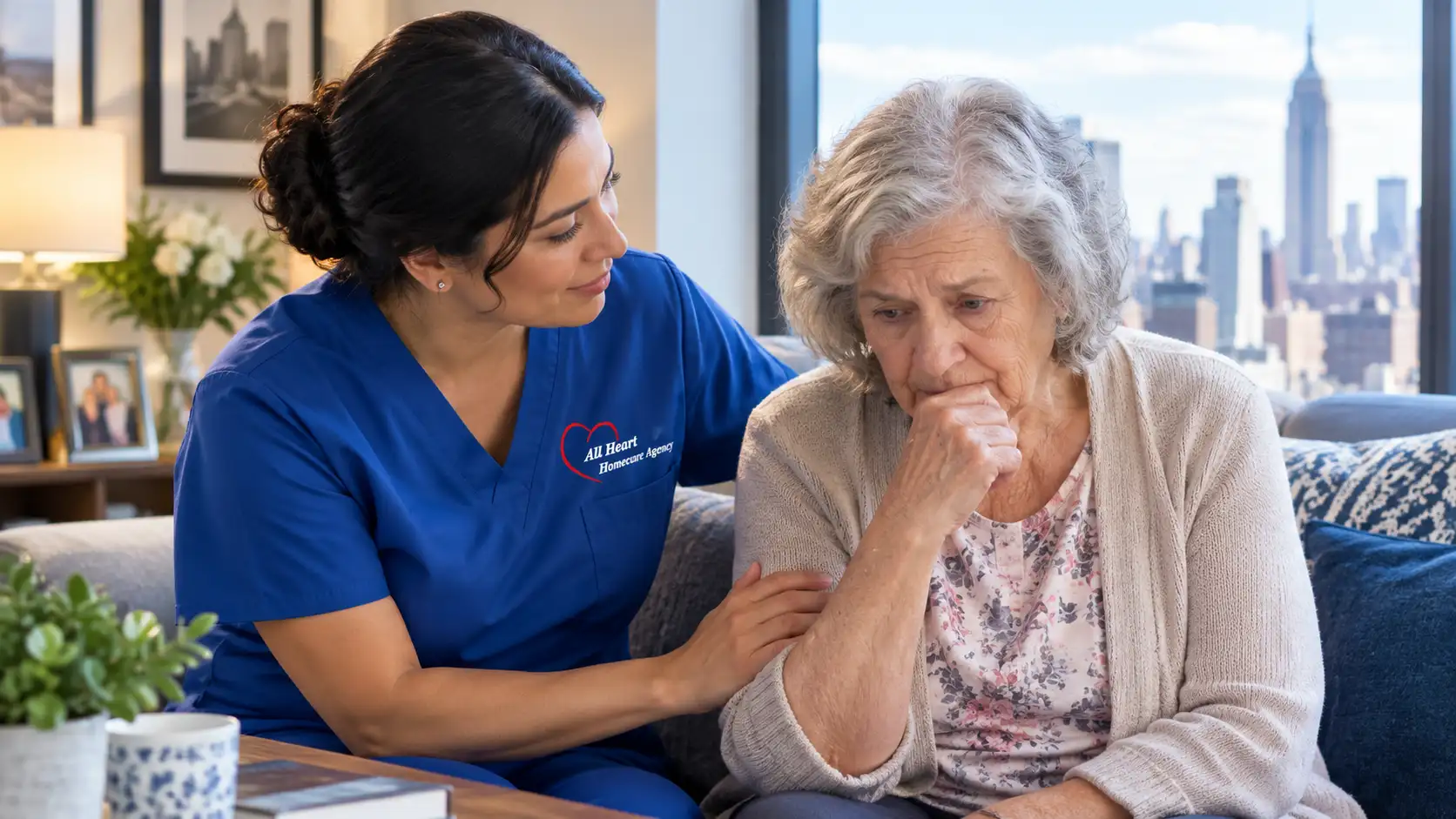
Patience is a virtue that every caregiver must possess. Providing care can often be a challenging and time-consuming task, requiring caregivers to exhibit patience and understanding in various situations. Whether it’s assisting with personal care, dealing with mood swings, or addressing difficult behaviors, a caregiver’s ability to remain calm and composed positively impacts the quality of care provided.
4. Adaptability and Flexibility
The ability to adapt and be flexible is crucial for caregivers as they navigate the ever-changing needs and circumstances of their clients. Each individual under their care has unique requirements, and a great caregiver can adjust their approach accordingly.
Whether it involves modifying routines, accommodating personal preferences, or responding to unexpected challenges, adaptability ensures that the care provided is tailored to the specific needs of each client.
5. Excellent Communication Skills
Effective communication is a fundamental aspect of caregiving. If caregivers have excellent verbal and non-verbal communication skills, it allows them to convey information clearly, listen attentively, and understand non-verbal cues.
By maintaining open lines of communication with patients, their families, and healthcare professionals, caregivers can establish trust, foster strong relationships, and ensure that everyone involved is well-informed and involved in the care process. In dementia care, communication becomes its own specialized craft, our guide to how to talk with Alzheimer’s patients shows what mastery of it looks like.
Caregiver Qualities and Skills: What’s the Difference?
Families and aspiring caregivers alike mix these up, and the distinction matters: qualities are who a person is, character traits like the five above that no training program installs. Skills are what a person can do: trainable, certifiable, improvable.
Great agencies hire for qualities and train for skills, because the reverse doesn’t work: you can teach a compassionate person safe transfer techniques in a week; you cannot teach a technically perfect caregiver to genuinely care.
The core skills that back the qualities up:
- Safe personal care: bathing, dressing, and grooming assistance that protects both dignity and skin.
- Mobility and transfer techniques: the trained mechanics that prevent falls and back injuries alike.
- Meal preparation and nutrition basics: cooking to dietary needs, textures, and preferences.
- Medication reminders and schedules: keeping complex regimens consistent (with licensed nurses handling administration).
- Observation and reporting: the clinical eye for appetite, mood, skin, and behavior changes, reported early and clearly.
- Emergency response: first aid, CPR, and the calm head that knows when it’s 911 and when it’s the care coordinator.
- Condition-specific techniques: dementia communication and de-escalation, post-surgical support, chronic condition routines.
- Documentation and teamwork: care notes and clean handoffs that keep the whole care team aligned.
How Families Can Spot These Qualities Before Hiring
Qualities hide behind polished interviews; unless you ask for stories instead of adjectives. What each quality looks like when it’s real:
| Quality | How to test for it | What the real thing looks like |
| Compassion | Ask: “Tell me about a client you grew close to.” | They light up with specifics: names withheld, but real moments, real fondness |
| Reliability | Ask the agency about attendance records and backup systems | A track record, not a promise and an agency with immediate-replacement coverage behind it |
| Patience | Ask: “Describe a day when a client refused care. What did you do?” | A calm story about slowing down, trying again later, finding the door in, no frustration in the retelling |
| Adaptability | Ask: “What did you do when a care plan stopped working?” | Concrete adjustments: changed routines, new approaches, flagged it to the coordinator |
| Communication | Watch the interview itself — and ask how they update families | They listen more than they talk, ask about YOUR loved one, and describe a real update rhythm |
The interview is half the picture; the agency behind the caregiver is the other half: screening, training, supervision, and backup coverage.
Our complete guide to choosing a home care agency gives you the ten questions that test the institution the way this table tests the person.
Home Care Nursing Jobs for RNs & LPNs in NYC
All Heart Homecare is hiring compassionate RNs and LPNs for rewarding home care nursing jobs across all five NYC boroughs. In home care, you build real relationships with your patients and provide one-to-one support; focusing on the person in front of you, not just the next task.
Why nurses choose home care with All Heart:
- One-to-one patient care
- Meaningful relationships with patients and their families
- Flexible opportunities that fit your life
- A supportive team environment
- Clinical excellence and human connection, valued equally
- The chance to make a real difference every day
Recognize Yourself in These Qualities? Caregiving Might Be Your Career
If you read the five qualities above and thought “that’s me,” take it seriously: caregiving is one of the few careers where being a good person is the core job requirement and demand for home caregivers keeps growing as more seniors choose to age at home. The skills are trainable; agencies like ours provide the training, certification support, and supervision. What we can’t provide is the heart; that part you bring.
Apply as a caregiver with All Heart and turn the qualities you already have into a career that matters.
The Right Qualities, Guaranteed
At All Heart Homecare Agency, we understand how important it is to find a caregiver with the right qualities. Our caregivers are compassionate, trustworthy, and well-trained professionals who have the experience necessary to provide quality care. We understand that each patient has unique needs, and our caregivers are attentive to their patients’ needs and adapt to changing circumstances.
We are committed to providing the highest quality home care services and have been recognized as one of the Top homecare agencies in NYC. We are dedicated to our patients’ well-being and provide a range of services that allow individuals to maintain their independence and quality of life.
Frequently Asked Questions About Caregiver Qualities
What are the characteristics of a good caregiver?
Beyond the core five, the characteristics that show up in truly good caregivers: attentiveness to small changes (appetite, mood, skin, behavior), respect for dignity and independence (doing with, not doing for), trustworthiness with a home and its privacy, physical and emotional stamina, cultural sensitivity, and genuine warmth that makes companionship real rather than performed. The common thread is that care is a relationship, not a task list.
What skills does a caregiver need?
The trainable toolkit: safe personal care assistance, mobility and transfer techniques, meal preparation for dietary needs, medication schedule management (with nurses handling administration), observation and clear reporting, first aid and emergency response, condition-specific techniques like dementia communication, and documentation that keeps the care team aligned. Good agencies hire for qualities and train these skills — in that order.
How do I know if a caregiver is good?
Ask for stories, not adjectives: “tell me about a difficult day,” “describe a client you grew close to,” “what did you do when the care plan stopped working?” Real quality answers with specifics and warmth. Then verify the institution behind the person: the agency’s screening, training, supervision, and backup coverage determine whether one good caregiver becomes consistently good care.
Is caregiving a good career?
For people with the five qualities, genuinely yes: demand keeps growing as seniors increasingly age at home, the work carries meaning few jobs match, schedules can flex around life, and agencies provide the training and certification path — no prior healthcare background required to start. The honest flip side: it asks real emotional and physical energy. If the qualities describe you, it’s one of the few careers where who you are is the qualification.