



Traumatic Brain Injury Home Care in Brooklyn & NYC

 Verified Client
 Verified Client
By submitting this form, you agree to our Privacy Policy and Terms & Conditions.
By submitting this form, you agree to our Privacy Policy and Terms & Conditions.

Trusted by thousands of families across New York City

Providing compassionate home care throughout NYC

Certified caregivers and trained care professionals
What Is Traumatic Brain Injury Home Care?
Traumatic brain injury home care is in-home support designed to help people recover from a TBI while staying in a familiar environment. At All Heart Homecare, our TBI home care in Brooklyn and across NYC combines practical help with daily activities and compassionate companionship, so TBI patients can rebuild independence at their own pace.
A TBI can make everyday routines exhausting: getting dressed, moving safely around the house, remembering medications. That is exactly why home health care for traumatic brain injury exists. Our skilled caregivers deliver hands-on physical assistance, emotional support, and a safe, clean environment so your loved one can focus on recovery instead of the daily struggle.
Whether you’re exploring short-term support after a hospital discharge or long-term brain injury home care, All Heart Homecare builds a plan around your family’s needs.
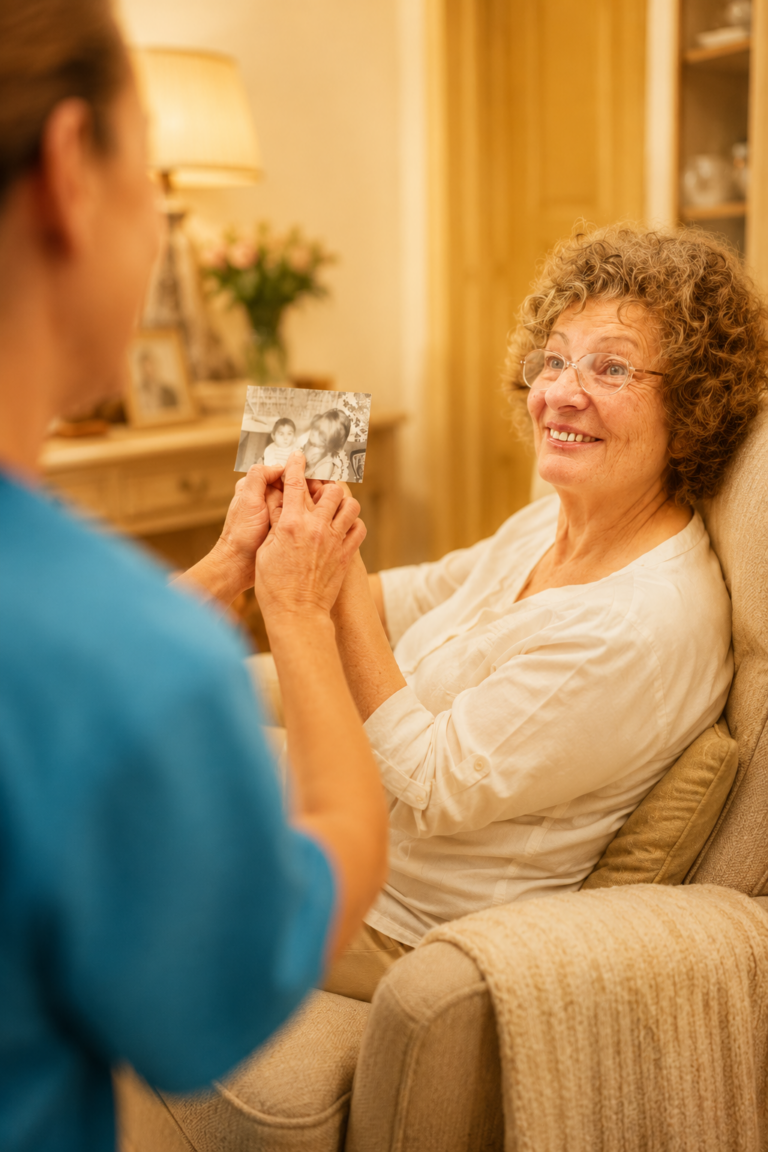
Signs Your Loved One May Need Traumatic Brain Injury Home Care
Knowing when to bring in professional TBI home care is one of the hardest decisions families face.
People living with a traumatic brain injury often develop challenges that quietly erode their independence: physical, cognitive, emotional,
and increase the risk of falls, missed medications, and social isolation. Below are the four clearest signs that caring for
TBI patients at home has moved beyond what family alone can sustainably handle.

Physical and Mobility Challenges
TBI often brings dizziness, poor balance, and a higher risk of falls. Your loved one may struggle to move safely around the home or manage basic daily activities; a clear sign that home health care for traumatic brain injury can meaningfully reduce risk and restore confidence.
Cognitive Issues
Memory lapses, confusion, and trouble concentrating make even simple chores unsafe. A trained TBI caregiver can step in with medication reminders, appointment management, and structured routines that support ongoing traumatic brain injury rehabilitation.
Emotional and Behavioral Changes
Mood swings, irritability, depression, and anxiety are common after a TBI. Professional TBI home care provides consistent companionship and emotional support, helping reduce the isolation that often follows a brain injury.
Neglect of Personal Care
Wearing the same clothes for days, forgetting to bathe, or skipping meals are signals that brain injury home care is needed. A dedicated aide restores hygiene, nutrition, and dignity as part of a complete TBI care plan.
Eligibility Requirements For Traumatic Brain Injury Home Care
Caring for someone with dementia requires patience, training, and compassion. Our caregivers are carefully selected and trained to support the unique challenges that come with memory loss and cognitive decline.
Benefits Of Traumatic Brain Injury Home Care For Patients & Families

The biggest advantage of traumatic brain injury home care is one-on-one, personalized attention. Unlike brain injury facilities where staff are divided across many residents, TBI home care puts a dedicated caregiver directly in the home, helping your loved one stay on top of daily routines, personal care, and medications without the isolation and missed doses that often come with recovery.
Trained caregivers prepare meals, drive to appointments, and provide the steady companionship that supports traumatic brain injury rehabilitation. Recovering in familiar surroundings helps patients hold onto a sense of dignity and identity, which measurably reduces the stress and confusion common after a TBI. Home health care for traumatic brain injury also eases the emotional and physical burden on families; especially those providing primary care, so everyone in the household can focus on healing.
Eligibility For TBI Home Care In New York
How Home Care Disability Supports Daily Life
Traumatic brain injury home care helps make everyday life safer, more structured, and easier to manage during recovery. At All Heart Homecare, we provide consistent in-home support tailored to each individual’s condition, pace, and daily needs.
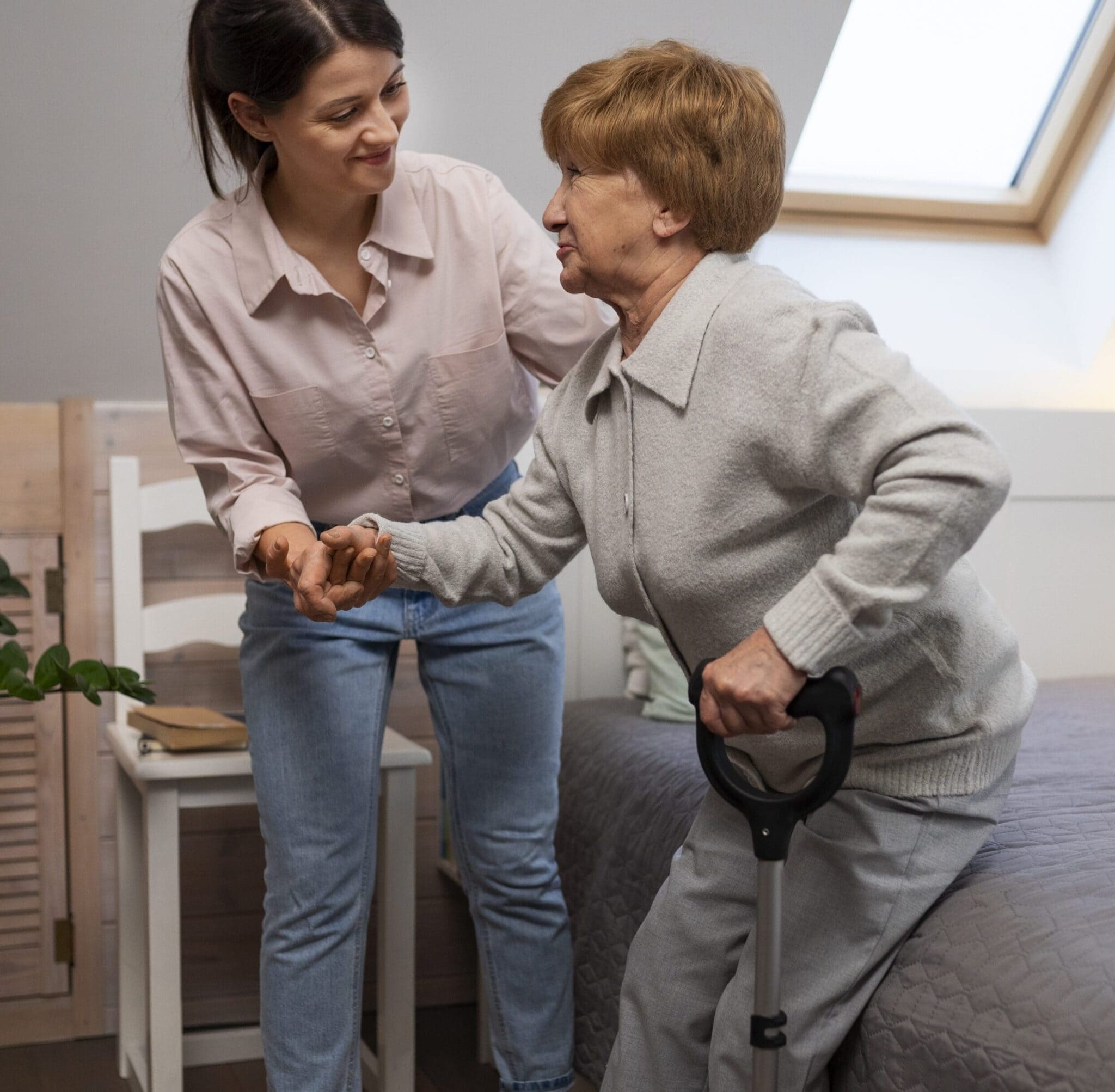
Our caregivers assist with personal care, mobility, routines, and emotional well-being while creating a stable environment that supports progress. Staying at home allows individuals to recover in familiar surroundings, which can help reduce confusion, anxiety, and frustration.
Why Choose All Heart Homecare for TBI Home Care
Trusted By Families Across New York City
For more than 14 years, families throughout New York City have trusted
All Heart Homecare to care for their loved ones with compassion, professionalism, and reliability.
Our commitment to quality care has earned us recognition across Brooklyn and the trust of thousands of families who rely on our caregivers every day.





Proudly serving families across Brooklyn, Queens, Manhattan, the Bronx, and Staten Island.
What Families Say About All Heart Homecare
care, and professionalism.
Your warmth and support made all the difference.
Truly grateful!
Very caring personnel, they always answer all my questions. They take their time with you.
I am very happy with their services. Highly recommend!
care, and professionalism.
Your warmth and support made all the difference.
Truly grateful!
they always answer all my questions and take their time with me.
I am very happy with their services.
Highly recommend!
– Valentia D.
Your warmth and support made all the difference.
Truly grateful!
– Igor Kundel.
– Aziza Fakhridinova.
– Vasilisa K.
Very caring personnel, they always answer all my questions. They take their time with you.
I am very happy with their services. Highly recommend!
Traumatic Brain Injury: Frequently Asked Questions
Choosing home care for a loved one is an important decision. These answers can help you better understand how home care works, who qualifies, and how All Heart Homecare supports families across New York City.
What is traumatic brain injury home care?
It is specialized in-home support for individuals recovering from a brain injury, helping with daily tasks, safety, and emotional support.
How quickly can care start with TBI services?
In many cases, care can begin within a few days after consultation and assessment.
Can someone recover at home after a TBI?
Yes, with the right support. Home care provides structure, supervision, and assistance that helps individuals recover safely.
Do caregivers have TBI training?
Yes, caregivers are trained to support individuals with cognitive and physical challenges related to brain injury.
What programs help cover TBI care in NYC?
Programs such as Medicaid and the TBI waiver program may provide coverage depending on eligibility.
What is the brain injury disability living allowance?
In the United States, there is no program specifically called “Disability Living Allowance” for brain injuries. Individuals with a traumatic brain injury may qualify for Social Security Disability Insurance (SSDI) or Supplemental Security Income (SSI). Approval requires medical proof that cognitive or physical impairments prevent substantial work for at least 12 months.
How to help people with TBI?
Support people with a brain injury by creating a calm, structured environment, assisting with daily tasks, and following their rehabilitation plan. Consistent routines, memory aids, and patience with mood changes help. Many families rely on home health care for traumatic brain injury to assist with hygiene, medication reminders, mobility, and safe supervision at home.
What helps the brain heal faster?
Adequate sleep, hydration, balanced nutrition rich in omega-3s, and gradual physical activity all support recovery. Cognitive rest early on, followed by supervised therapy sessions, helps rebuild neural pathways. Limiting alcohol, avoiding repeat head impacts, and sticking to prescribed traumatic brain injury treatments remain the safest path. Progress is gradual and varies by individual.
How to speed up brain injury recovery?
Recovery accelerates when patients follow a coordinated plan that combines physical, occupational, speech, and cognitive therapy. Consistency matters more than intensity. Caring for TBI patients at home works best when caregivers monitor symptoms, reinforce therapy exercises between visits, and flag setbacks early. Reducing stress, protecting sleep, and managing pain also improve outcomes.
What is the TBI waiver program in NYC?
The TBI Waiver is a New York State Medicaid program that helps adults with a traumatic brain injury live at home instead of a nursing facility. Eligible participants must be 18 to 64, Medicaid-enrolled, and require nursing-home level of care. Services include service coordination, home support, respite, and environmental modifications.
What are the total lifetime costs of brain injury home care?
Lifetime costs for a patient with severe traumatic brain injury typically range from $600,000 to over $3 million, depending on severity and care needs. According to Northwestern University, lifetime treatment costs run from roughly $85,000 for mild TBI to $3 million for severe cases.
How long is the average hospital stay for traumatic brain injury?
The average hospital stay varies by severity. People with severe TBI typically stay between five and eight days, though the most severe cases can remain hospitalized much longer.
Sign up for our newsletter to receive helpful resources, caregiving advice, and updates on how we can support your loved ones.
Whether you are looking for home care services for yourself or a loved one, or you are a caregiver or nurse looking to join a supportive agency, the All Heart Home Care team is ready to guide you.
Our coordinators will help you understand your options, answer your questions, and connect you with the right next steps.
Reach out today and a member of our team will contact you shortly.
Get a free consultation!
By submitting this form, you agree to our Privacy Policy and Terms & Conditions.
DISABILITY HOME CARE SERVICES
If you are wondering what disability home care is and when you might need it, then you’d better keep reading!
Did your loved one suffer a work-related injury and is currently on disability leave?
Does he/she need help with simple everyday tasks?
Are you looking for a helper for your disabled loved one?
All Heart Home Care is here to help! We provide dedicated and compassionate disability home care support to those in need.
Living with a disability is always tough, whether it’s an acquired condition like a serious physical injury, or from a medical diagnosis of multiple sclerosis or cerebral palsy.
Even before an official diagnosis your loved one probably started struggling with simple everyday tasks like opening medicine bottles, getting in the shower or cooking dinner. This sounds daunting, but we have good news. You can help your loved one with all these problems without adding to your ever-growing to-do list or considering a distant and uncomfortable nursing home.
We are a team of experts that have been offering high standard Home Care Services for a long time. We provide the necessary home care and a variety of other great benefits. Our trained, compassionate and experienced professionals will treat your loved one with dedicated care and respect.
The services that are based on your needs may include:
- light housekeeping,
- personal care,
- companionship,
- meal preparation,
- running errands,
- help with grocery shopping,
- laundry,
- medication reminders,
- appointment assistance,
- safety supervision, and more.
We are always here for you and we will gladly offer the results and value you want and deserve. Find out how you or loved one can use our disability services to remain at home and in community you love.